Princeton Brings Back Supervised Exams After 100 Years as Students Use AI to Cheat
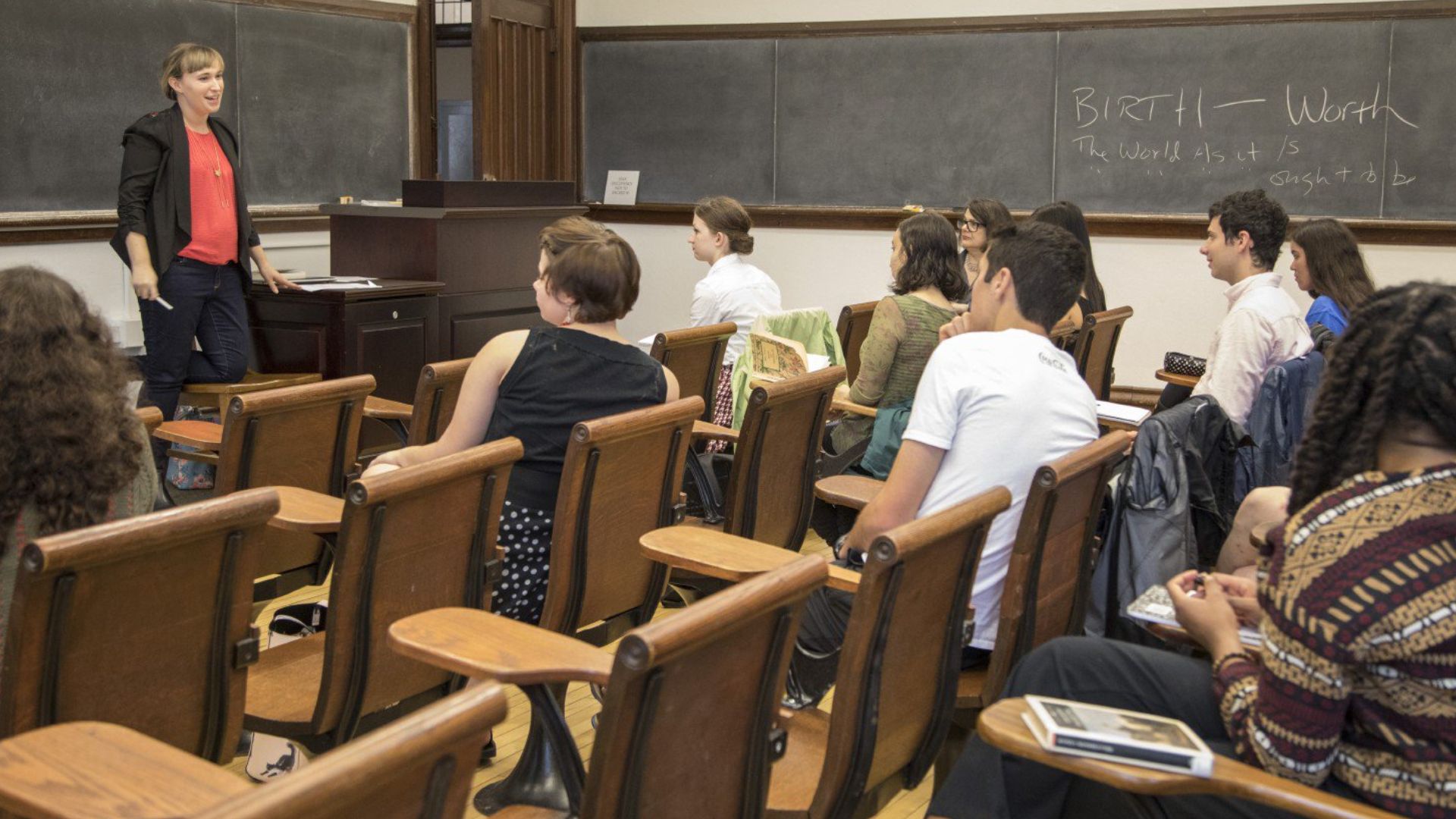

For 133 years, Princeton University trusted its students to take exams without anyone watching. No professors. No proctors. Just a written pledge and a conscience. That era ended on May 12, 2026, when faculty voted almost unanimously to require supervised exams starting July 1. The reason: artificial intelligence had made cheating so easy, and so invisible, that the honor system could no longer function. What began in 1893 as a student-led reform had finally met its match.
Princeton’s honor code originated not as a rule imposed from above, but as a demand from the students themselves. In 1893, undergraduates petitioned the university to remove proctors from exam rooms, arguing that trust, not surveillance, should define academic life. The university agreed, and the pledge, “I pledge my honor that I have not violated the Honor Code during this examination,” became a cornerstone of Princeton’s identity. For over a century, it held. Then came the smartphone. Then came AI.
The proposal behind the change noted that the ease of access to AI tools on small personal devices had changed the external appearance of misconduct during examinations, making cheating much harder for other students to observe and, therefore, to report. Princeton Dean Michael Gordin wrote in a letter that a “significant” number of undergraduates and faculty had requested the policy change, citing their perception that cheating on in-class exams had become widespread. The scale of the problem, as the data would soon show, was far larger than most had assumed.
The Numbers Behind a System in Freefall
The Daily Princetonian’s 2025 Senior Survey of over 500 students found that 29.9% of respondents reported cheating on an assignment or exam during their time at Princeton. Nearly 44.6% said they had knowledge of an honor code violation and chose not to report it. Only 0.4% said they had ever reported a peer. The honor code’s enforcement mechanism depended entirely on students holding each other accountable. These numbers reveal that, in practice, almost none of them did.
The number of students found responsible for unauthorized use of outside material, including generative AI, on in-person exams doubled between the 2015–2020 period and 2020–2025. The Faculty-Student Committee on Discipline, which handles academic infractions outside the classroom, also recorded a significant increase in cases involving the improper use of generative AI in recent years, according to Deputy Dean of Undergraduate Studies Joyce Chen. The documented cases, however, almost certainly represent only a fraction of actual violations, given how rarely students report one another.
Nadia Makuc, a senior who chaired Princeton’s honor committee for the past year, explained the technology problem plainly. According to The Wall Street Journal, she said that if an exam is on a laptop, a student can simply flip to another window, and if it is in a blue book, students use their phones under the desk or slip away to the bathroom. The cheating, she noted, had become so routine and so invisible that many students stopped seeing it as something worth confronting. That shift in culture made reporting feel futile.
Why Students Stopped Reporting and What Breaks a Code of Honor
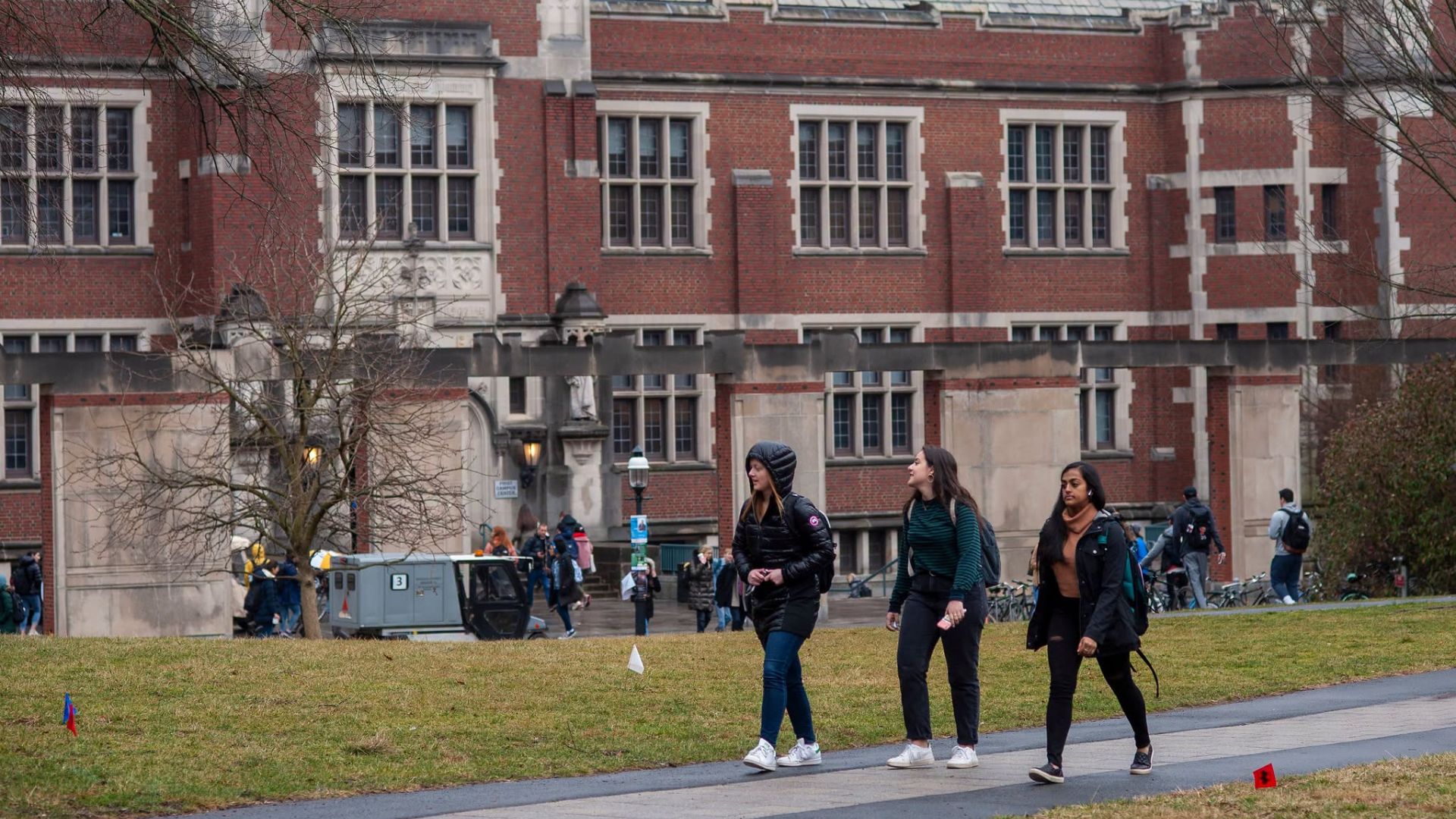
Kim Lane Scheppele, a professor of sociology and international affairs at Princeton, said that much of the demand for the policy change came from students who felt there was too much cheating and that they could no longer enforce the honor code themselves. “AI was the breaking point,” she told Inside Higher Ed, “where everyone thought that this introduced stealth cheating that was harder to detect without in-person supervision.”
Beyond the difficulty of detection, students also feared the social cost of reporting. The policy proposal cited growing reluctance among students to flag violations, with many choosing anonymous channels instead, out of concern about doxxing or being shamed by peers online. Makuc told the Journal that students broadly support the switch to supervision because it removes their obligation to turn in classmates. Under the new rules, that responsibility now falls on instructors, who attend as witnesses but are not permitted to intervene during the exam itself.
English and theater professor Jill Dolan, who served as dean of the college from 2015 to 2024, captured the weight of the change in a statement to the student newspaper. According to Dolan, the new policy is “a shame, but it’s necessary,” adding that she understood why it passed and that it “does mark a moment.” Princeton is not alone in reaching that moment. Stanford’s Faculty Senate voted last month to allow proctored exams following a pilot by its Academic Integrity Working Group, signaling that the Ivy League reckoning is spreading across elite campuses.
A National Crisis With No Clean Fix
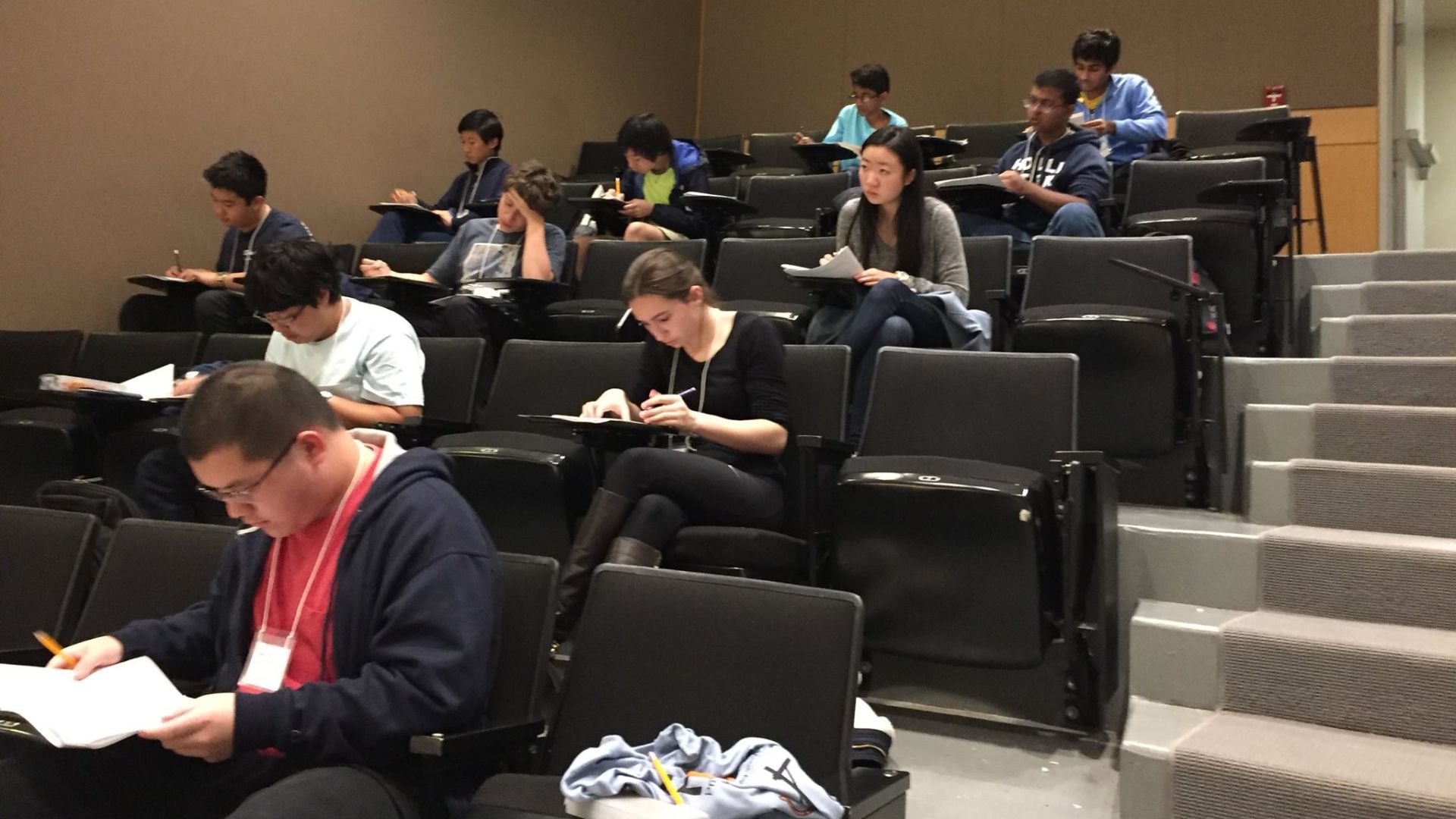
Under Princeton’s new guidelines, instructors will be present during exams to act “as a witness to what happens,” but are explicitly instructed not to interfere with students during the exam. If a suspected honor code violation occurs, the instructor reports it to the student-run honor committee for adjudication. The pledge itself remains. Students will still recite it before every exam, a vestige of the system it replaced, preserved in language even as the practice around it fundamentally changed.
The problem extends far beyond any single campus. Nearly 43% of U.S. teachers in grades six through twelve reported using AI-detection tools during the 2024–2025 academic year, according to a poll by the Center for Democracy and Technology. Some universities have returned to blue-book handwriting exams. Others have adopted AI-detection software, though researchers have repeatedly shown these tools produce false positives, flagging legitimate student work as machine-generated. There is, as yet, no reliable technological solution to a problem created by technology.
Princeton’s honor code survived two world wars, the counterculture, the internet, and smartphones. It did not survive the moment AI fit inside a student’s pocket, invisible to everyone in the room. The pledge still exists, the words unchanged since 1893. But the institution has now admitted, in the plainest possible way, that a promise written on paper is no longer enough to keep it.