FIFA Thinks Americans Love the World Cup Enough to Pay Nearly $33,000 for a Ticket
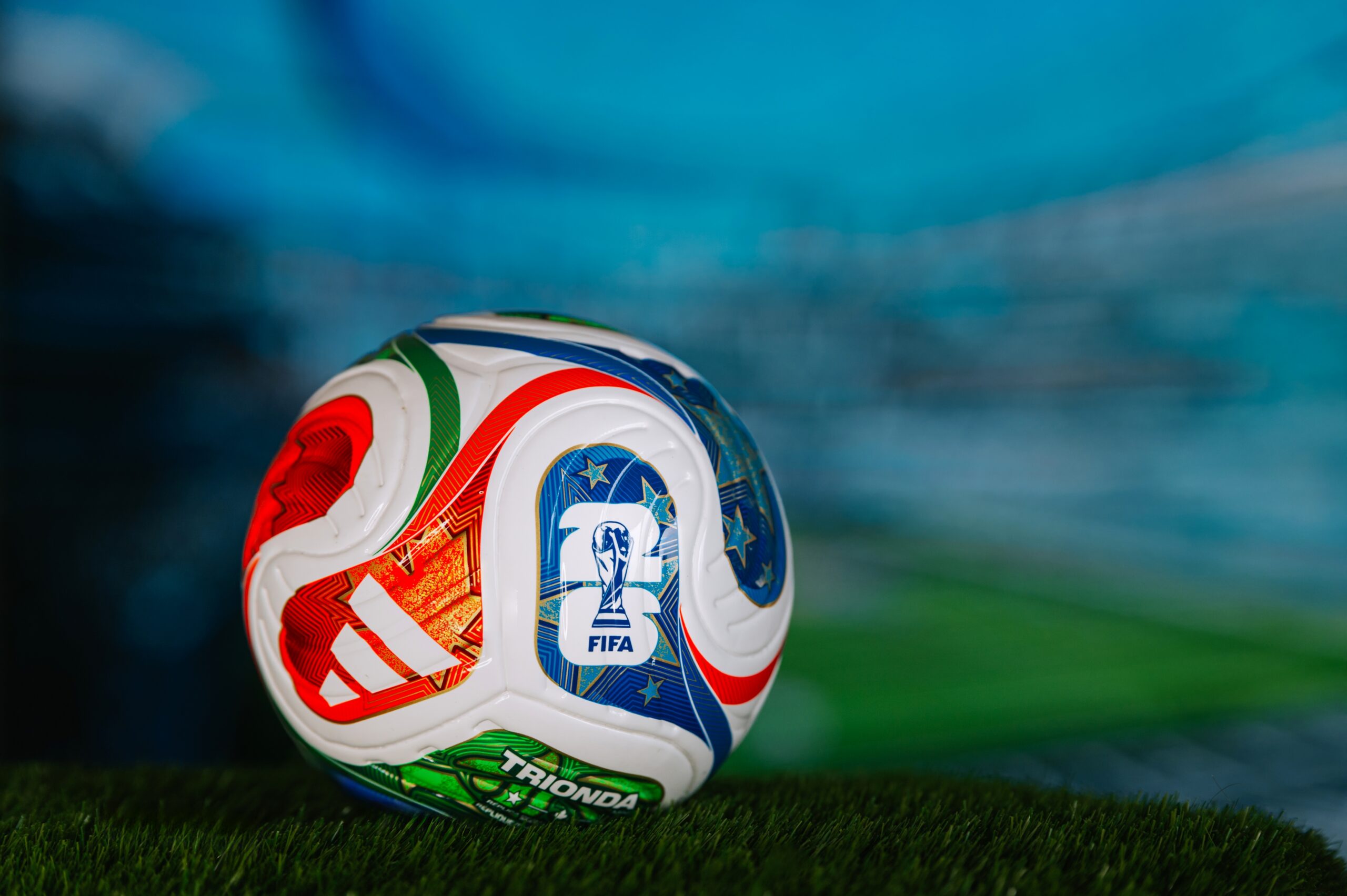

The world’s biggest soccer tournament is still months away, but FIFA has already managed to spark outrage with one eye-popping number: $32,970 for a premium ticket package to the 2026 World Cup final.
The pricing, tied to FIFA’s highest-end hospitality offerings, immediately triggered criticism from fans, commentators, and even some public officials who questioned whether the tournament is becoming inaccessible to ordinary supporters. The 2026 World Cup, hosted jointly by the United States, Canada, and Mexico, is expected to draw millions of visitors and mark the largest edition of the competition in history.
According to reports from ESPN, Yahoo Sports, and The Guardian, FIFA dramatically increased prices for its top-tier experiences compared with previous tournaments. The premium package reportedly includes luxury seating, exclusive lounges, dining experiences, and entertainment access, but many fans online argued the cost reflects a growing divide between corporate hospitality buyers and traditional supporters.
Premium Hospitality Packages Become the Focus

FIFA’s most expensive offerings are not standard match tickets but part of exclusive hospitality programs aimed at wealthy buyers, corporations, and sponsors. The nearly $33,000 package for the final includes multiple matches and luxury accommodations tied to the event experience.
Still, critics argue the distinction matters little when headlines about the price dominate public discussion. Sports writers noted that the figure quickly became symbolic of broader concerns surrounding affordability in modern global sports events. Fans on social media questioned whether average supporters are gradually being pushed out of major tournaments in favor of elite hospitality clients.
The backlash intensified because the United States is already viewed as one of the most expensive World Cup host markets in tournament history. Hotel prices, domestic travel costs, and dynamic ticket pricing are expected to create additional financial pressure for supporters hoping to attend games across North America.
Politicians and Fans Raise Concerns
Reports from The Guardian said some U.S. lawmakers voiced concerns about the rising costs surrounding the tournament, particularly as public infrastructure and security resources are expected to support World Cup operations in multiple host cities.
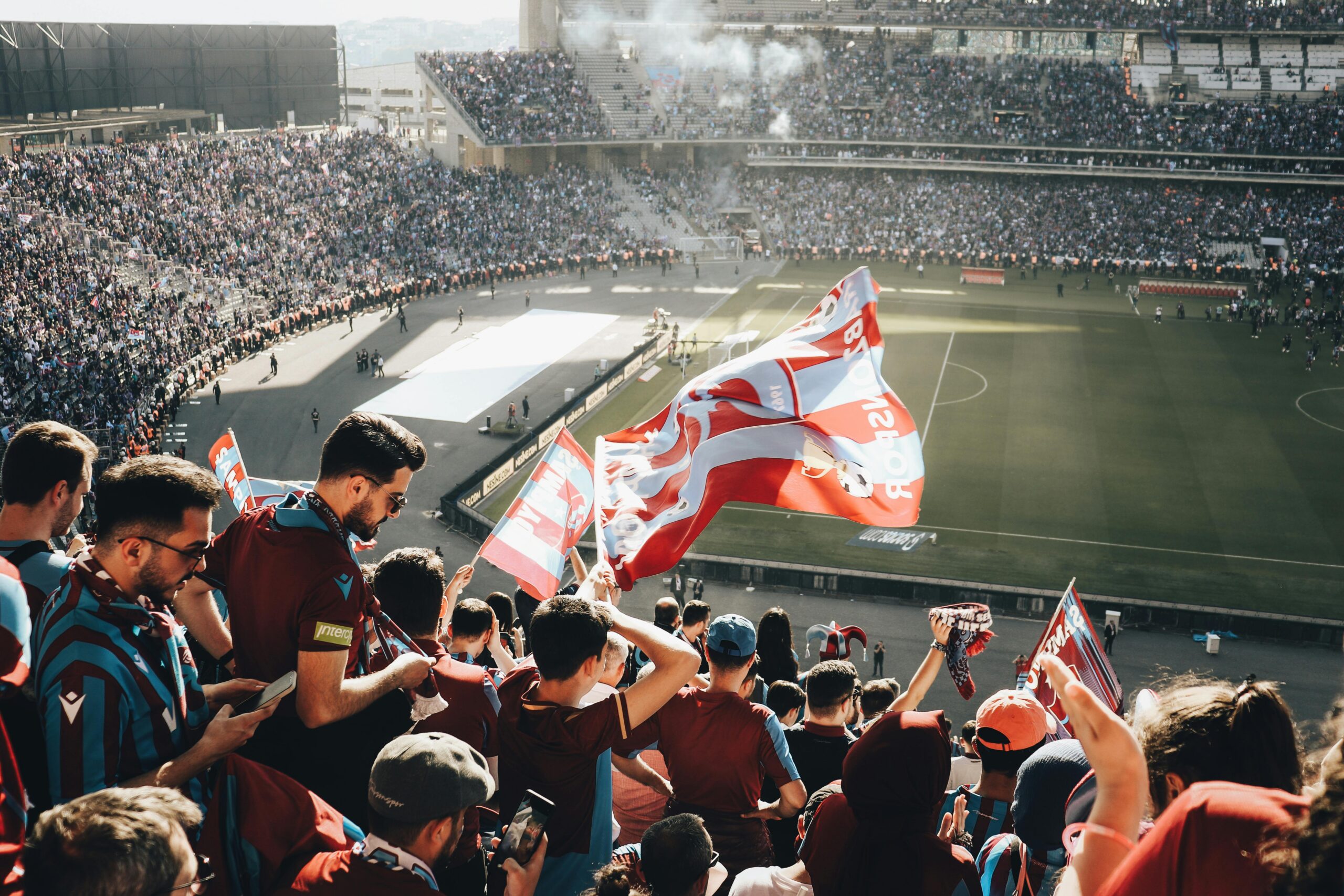
Fan groups and soccer writers also warned that excessive pricing could damage the atmosphere that traditionally defines the World Cup. Supporters from around the globe often spend years saving money to attend matches, and critics argue that soaring hospitality costs risk turning portions of the event into exclusive corporate showcases.
At the same time, defenders of FIFA’s pricing model argue the premium packages are targeted at a limited luxury market and do not represent the cost of standard admission tickets. FIFA has emphasized that general ticket sales for regular fans will occur separately and at lower price levels. However, many observers believe the headline figure alone has already shaped public perception of the tournament.
The 2026 World Cup Will Test FIFA’s Strategy
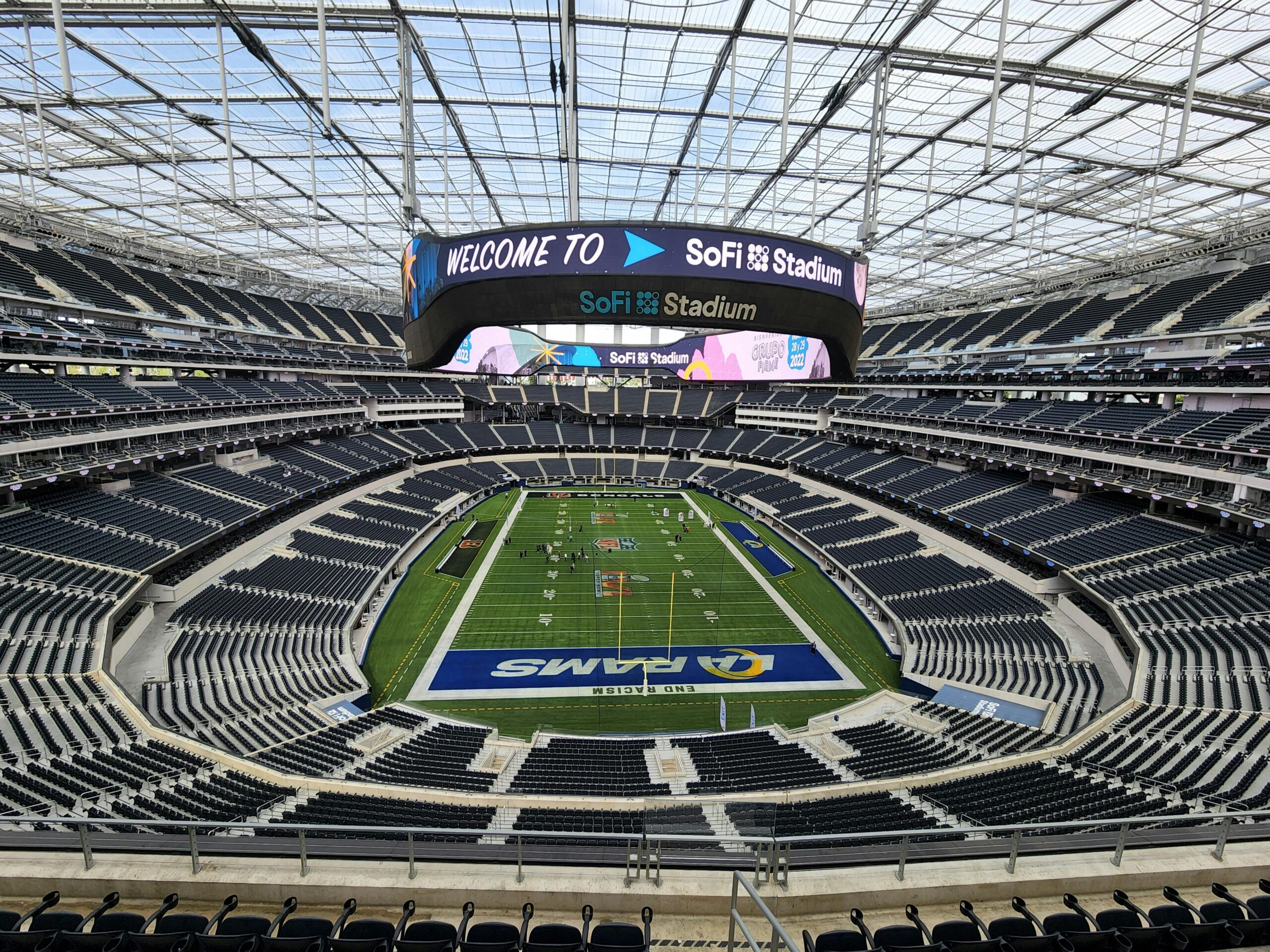
The controversy arrives as FIFA prepares for what could become the most commercially successful World Cup ever staged. The 2026 tournament will feature 48 teams instead of 32 and span multiple countries and major metropolitan areas across North America.
FIFA President Gianni Infantino has repeatedly described the event as a historic expansion of the sport’s global reach, particularly in the United States where soccer continues gaining popularity. Broadcasters, sponsors, and tourism officials expect record-breaking revenue and audience numbers throughout the tournament.
But the debate over ticket pricing may remain part of the conversation leading into kickoff. For many fans, the World Cup represents more than a luxury entertainment product — it is viewed as a rare global event built around accessibility, shared culture, and national pride. Whether FIFA can balance massive commercial ambitions with fan expectations may shape how the 2026 tournament is remembered long before the opening match begins.