Newts Found Only in Oregon’s Crater Lake May Finally Get Endangered Species Protection
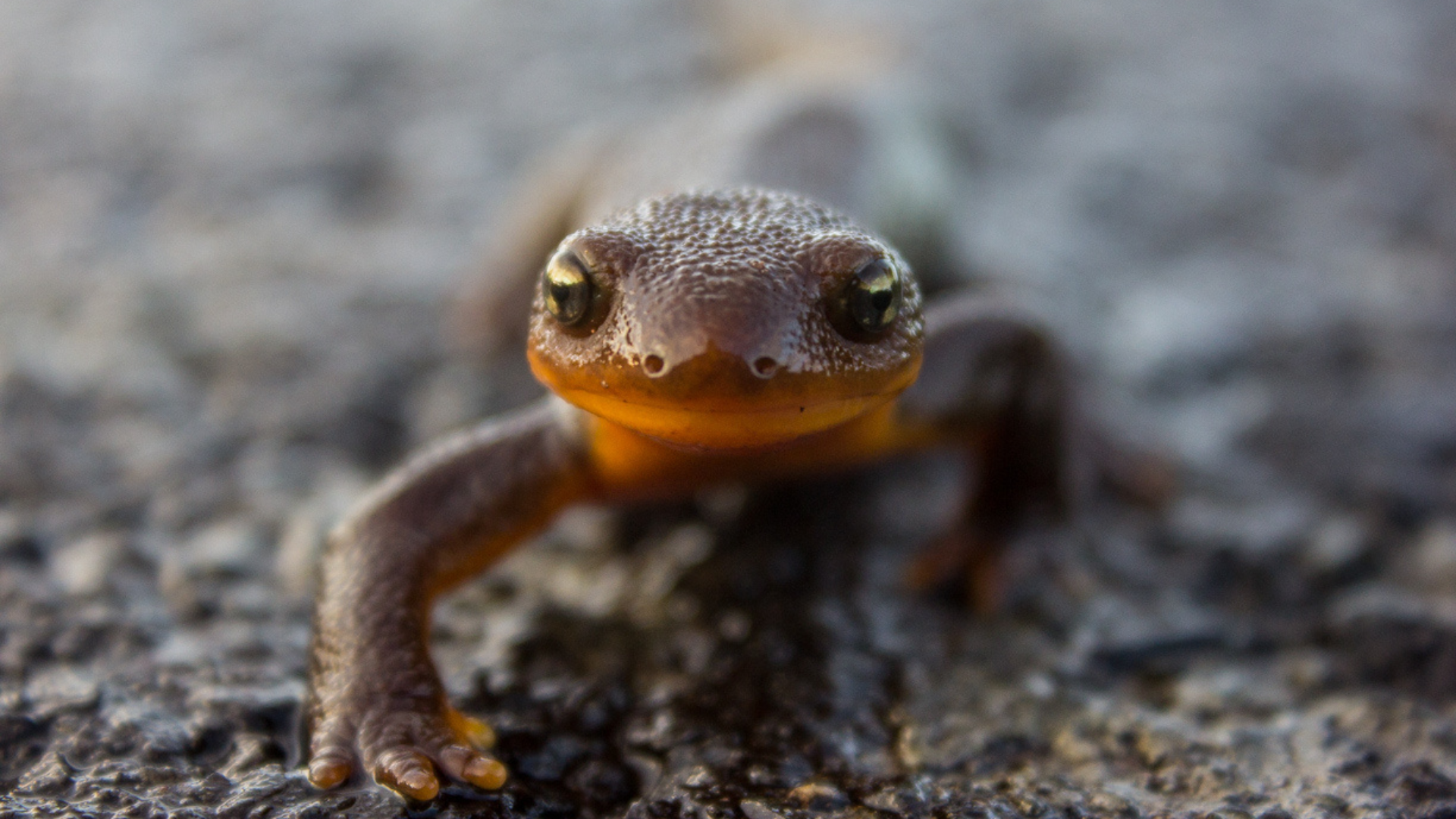

A tiny amphibian found nowhere else on Earth may finally receive federal protection after years of alarming population decline. The Crater Lake newt, also known as the Mazama newt, has become one of Oregon’s most endangered native species as invasive predators and climate change continue devastating its fragile habitat. Conservation groups recently reached an agreement with federal officials that could move the species closer to official protection under the Endangered Species Act, giving scientists hope the rare amphibian still has a chance to survive.
The Newts Exist Only in Crater Lake
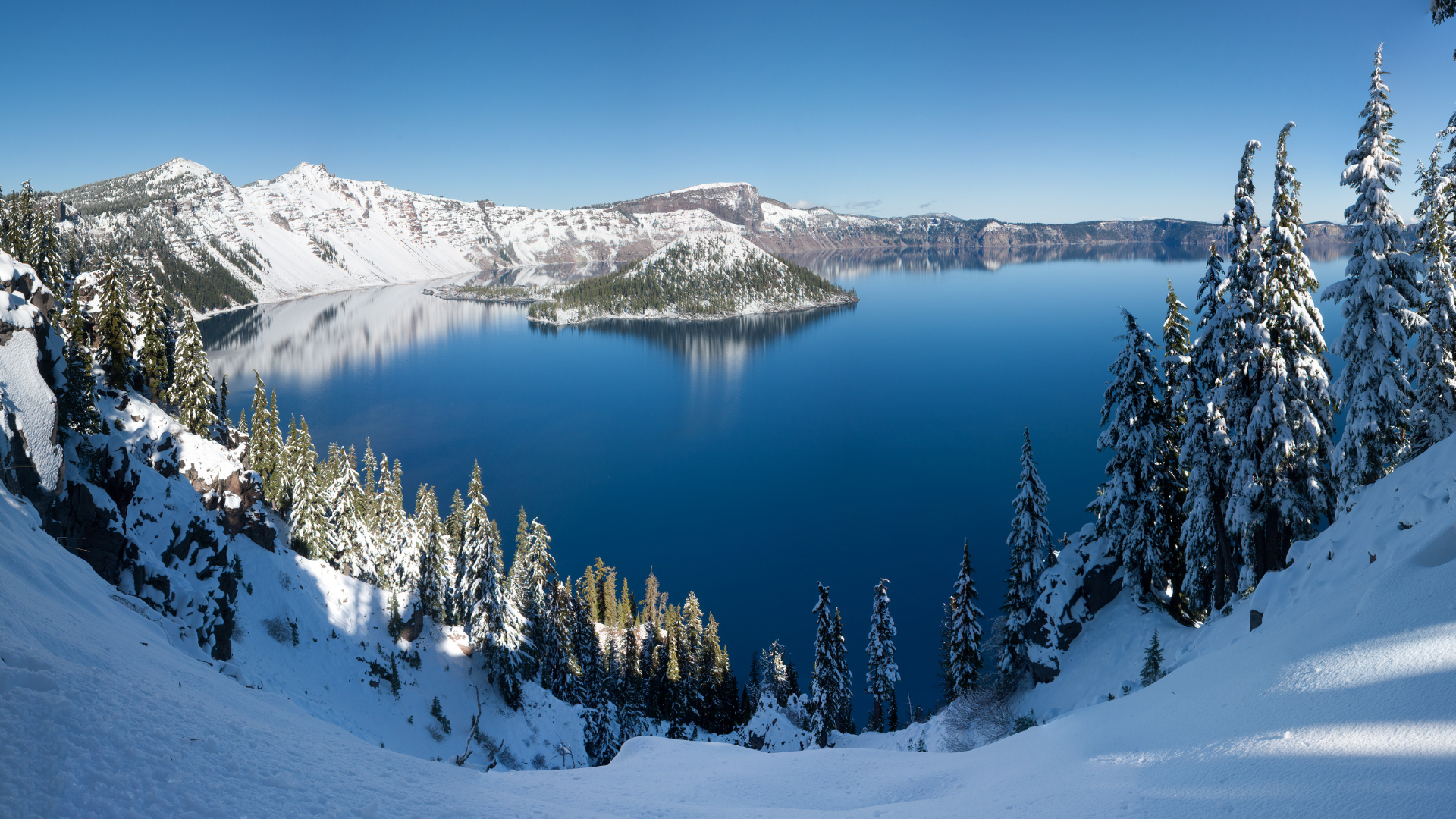
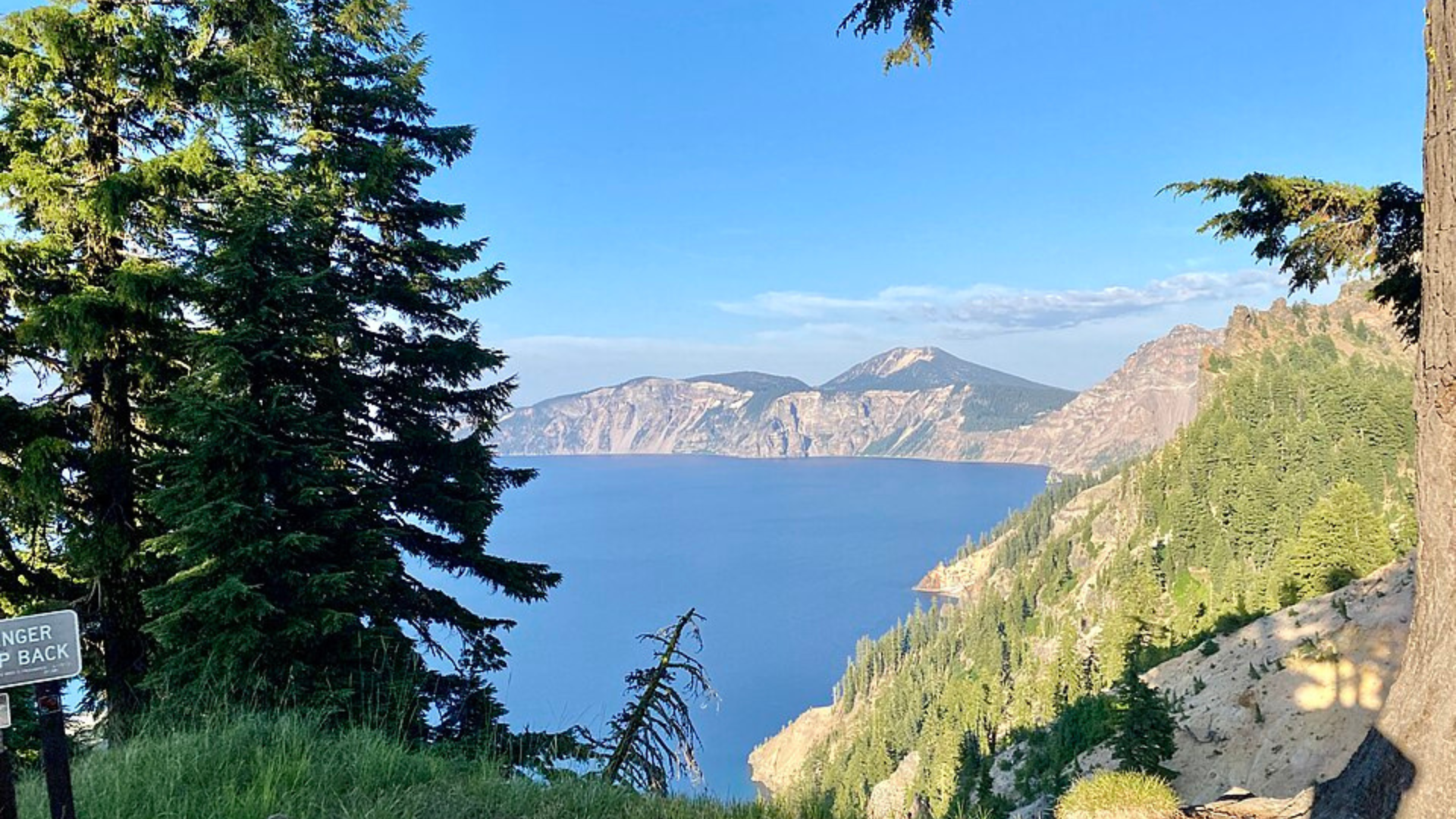
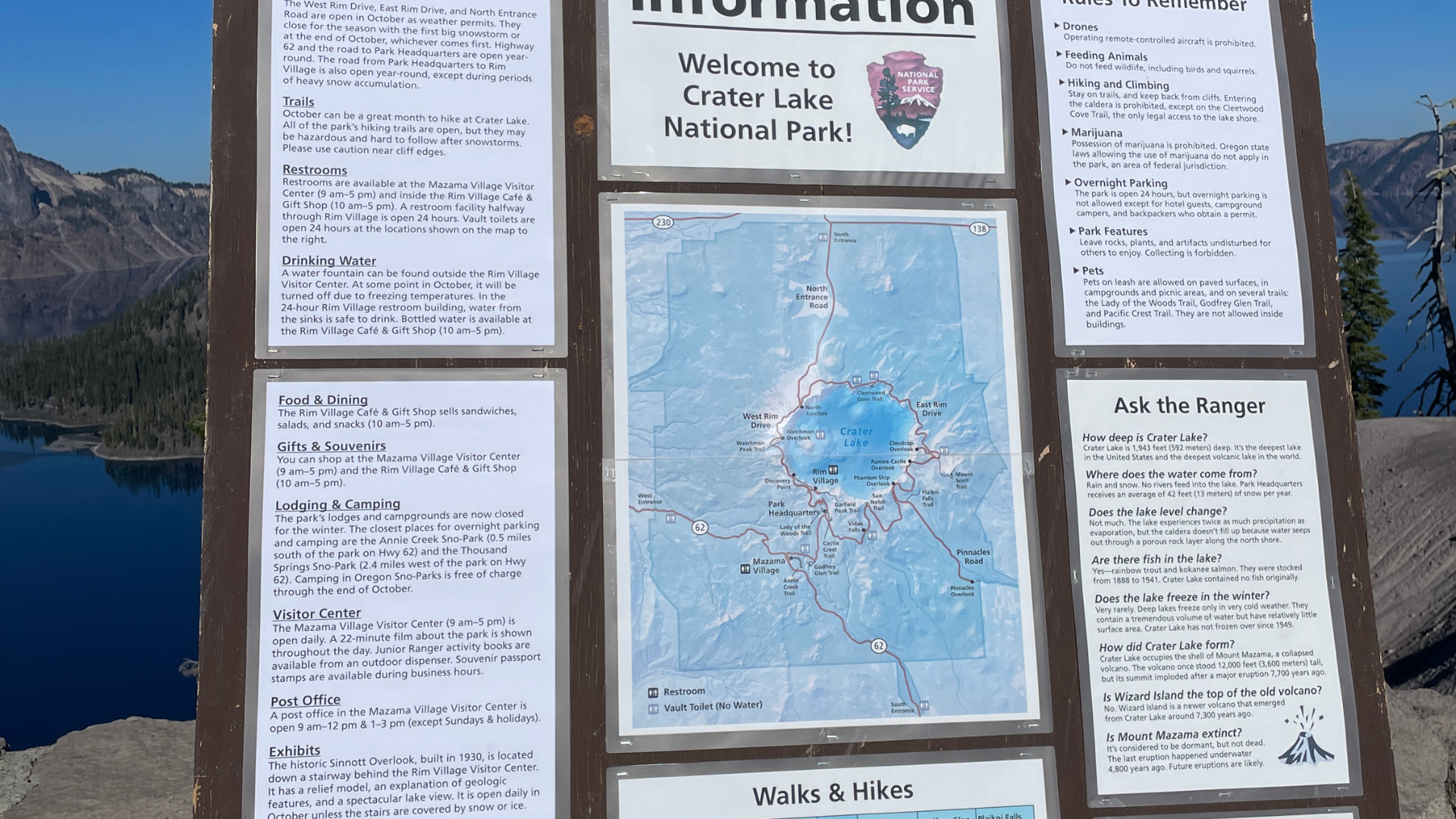
The Crater Lake newt lives exclusively in Oregon’s Crater Lake, one of the deepest and clearest lakes in the world. Scientists say the isolated amphibian evolved uniquely within the lake’s ecosystem over thousands of years, making it genetically distinct from other rough-skinned newts found elsewhere in the Pacific Northwest. Because the species exists in only one location, any environmental disruption can pose an enormous threat to its survival.
Their Population Has Crashed Dramatically
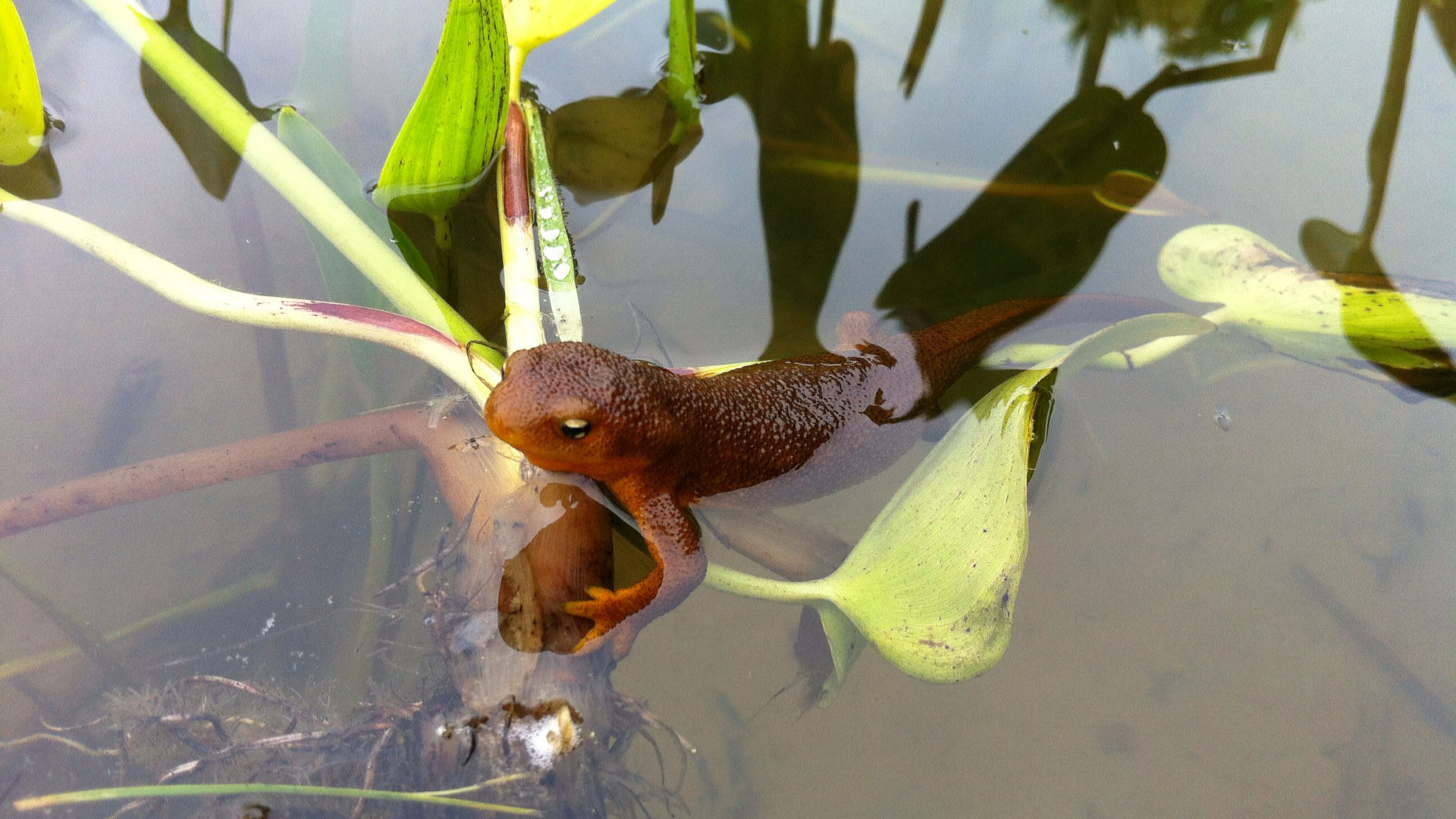
Recent surveys show the species has suffered a devastating collapse in numbers. Scientists counted just 35 Crater Lake newts in 2023, and only 13 were detected during surveys in 2024. Conservationists warn the species is now on the brink of extinction unless urgent protective measures are taken.
Invasive Crayfish Are a Major Threat
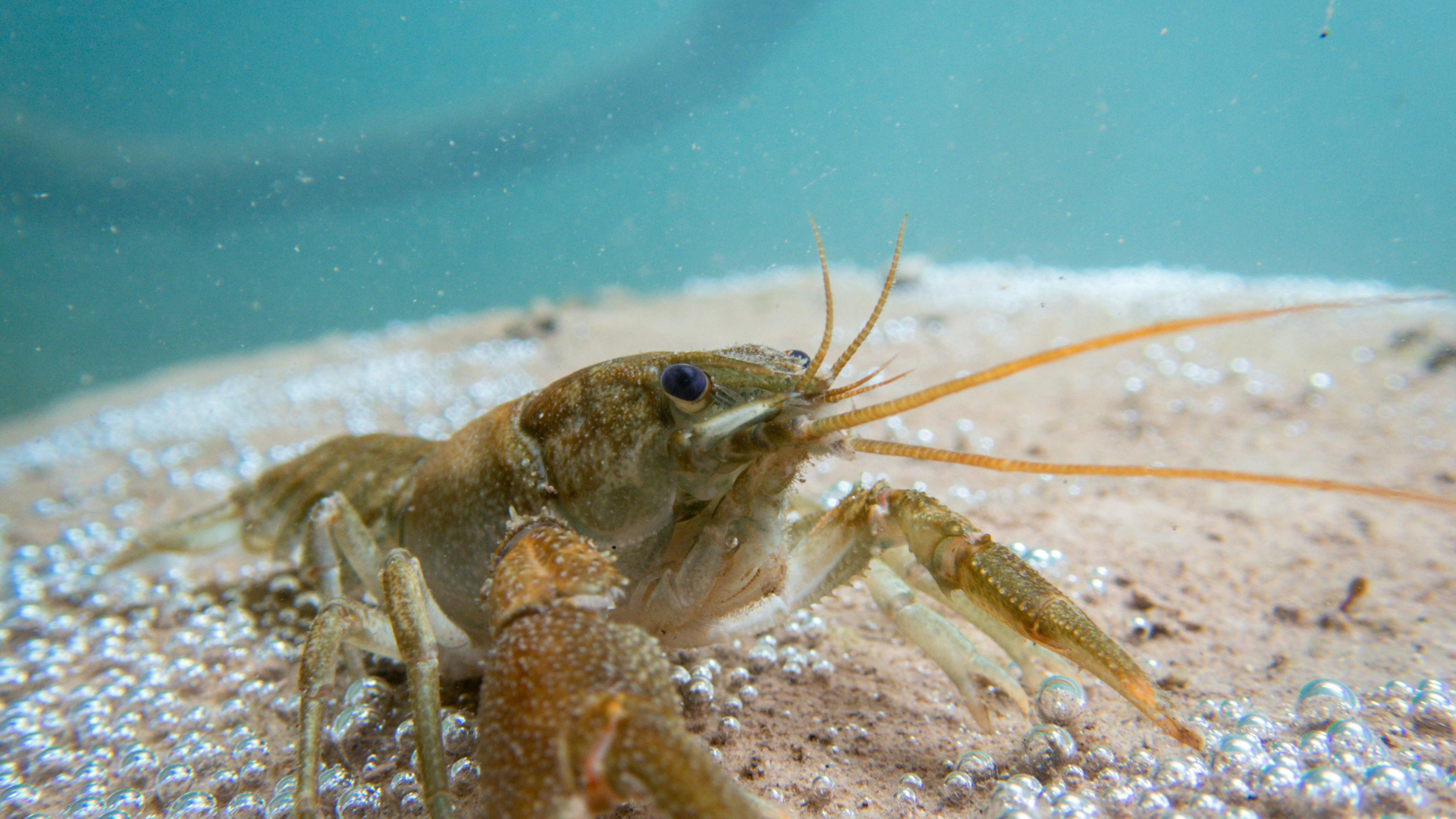
One of the biggest reasons for the decline is the spread of invasive signal crayfish, which were introduced into Crater Lake more than a century ago. Park managers originally brought crayfish into the lake in 1915 as a food source for introduced fish species, but the crayfish population later exploded. Scientists say the crayfish now prey heavily on newts and their eggs while occupying more than 95% of the lake’s shoreline habitat.
Climate Change Made the Problem Worse
Researchers say warming lake temperatures linked to climate change have accelerated the crayfish problem. Higher temperatures helped invasive crayfish spread more aggressively throughout the lake, placing even greater pressure on the already vulnerable newt population. Conservationists warn that climate change and invasive species together have created a nearly impossible survival challenge for the amphibians.
The Newts Lost Their Natural Defenses
Unlike their rough-skinned newt relatives, Crater Lake newts have relatively weak predator defenses because they evolved for thousands of years without major natural predators in the lake. Other rough-skinned newts produce powerful toxins to deter predators, but Crater Lake newts gradually lost much of that protection after becoming the lake’s top aquatic predator. Scientists say that evolutionary history left them especially vulnerable once invasive species arrived.
A Lawsuit Helped Push Federal Action

The Center for Biological Diversity first petitioned the U.S. Fish and Wildlife Service for Endangered Species Act protection in 2023. After federal officials failed to meet a legally required deadline to make a decision, conservation groups filed a lawsuit in 2025. A recent settlement agreement now requires the government to determine by October 2026 whether the species officially qualifies for federal protection.
Scientists Are Already Trying to Save Them
Even before federal protections are finalized, emergency conservation work is already underway. The Oregon Zoo, Crater Lake National Park, and the High Desert Museum launched a captive breeding and recovery effort in 2025 after fears the species could disappear entirely in the wild. Conservationists say the newts being cared for in specialized labs have already shown encouraging signs of growth and survival.
The Newts Also Help Protect Crater Lake Itself
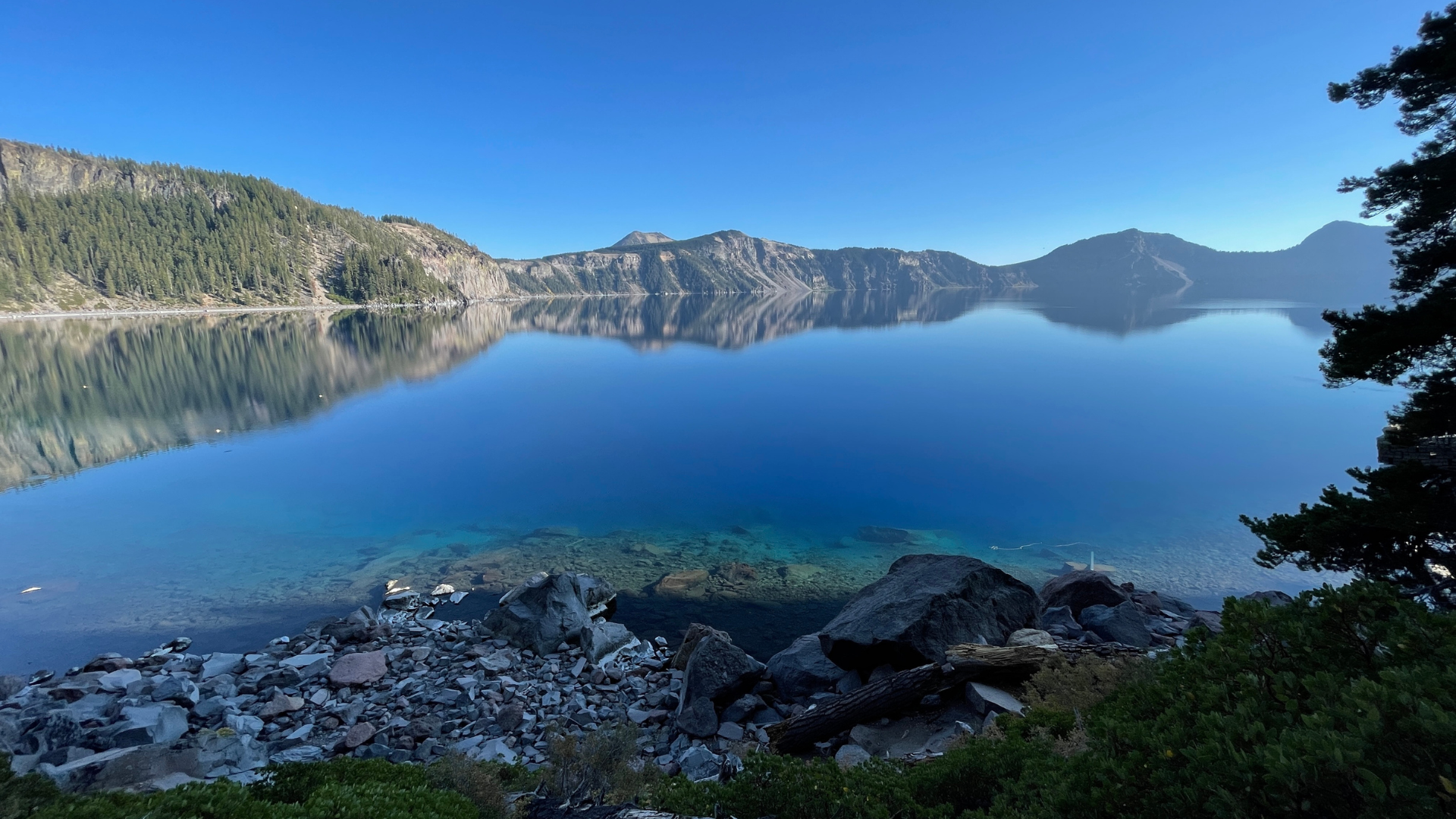
Scientists say the disappearance of the newts could affect the entire Crater Lake ecosystem. Crayfish not only prey on the newts, but also consume native invertebrates that help control algae growth. Researchers warn that the rise of crayfish populations could eventually threaten the famous clarity of Crater Lake’s water by disrupting the lake’s delicate ecological balance.
Federal Protection Could Be Their Best Hope
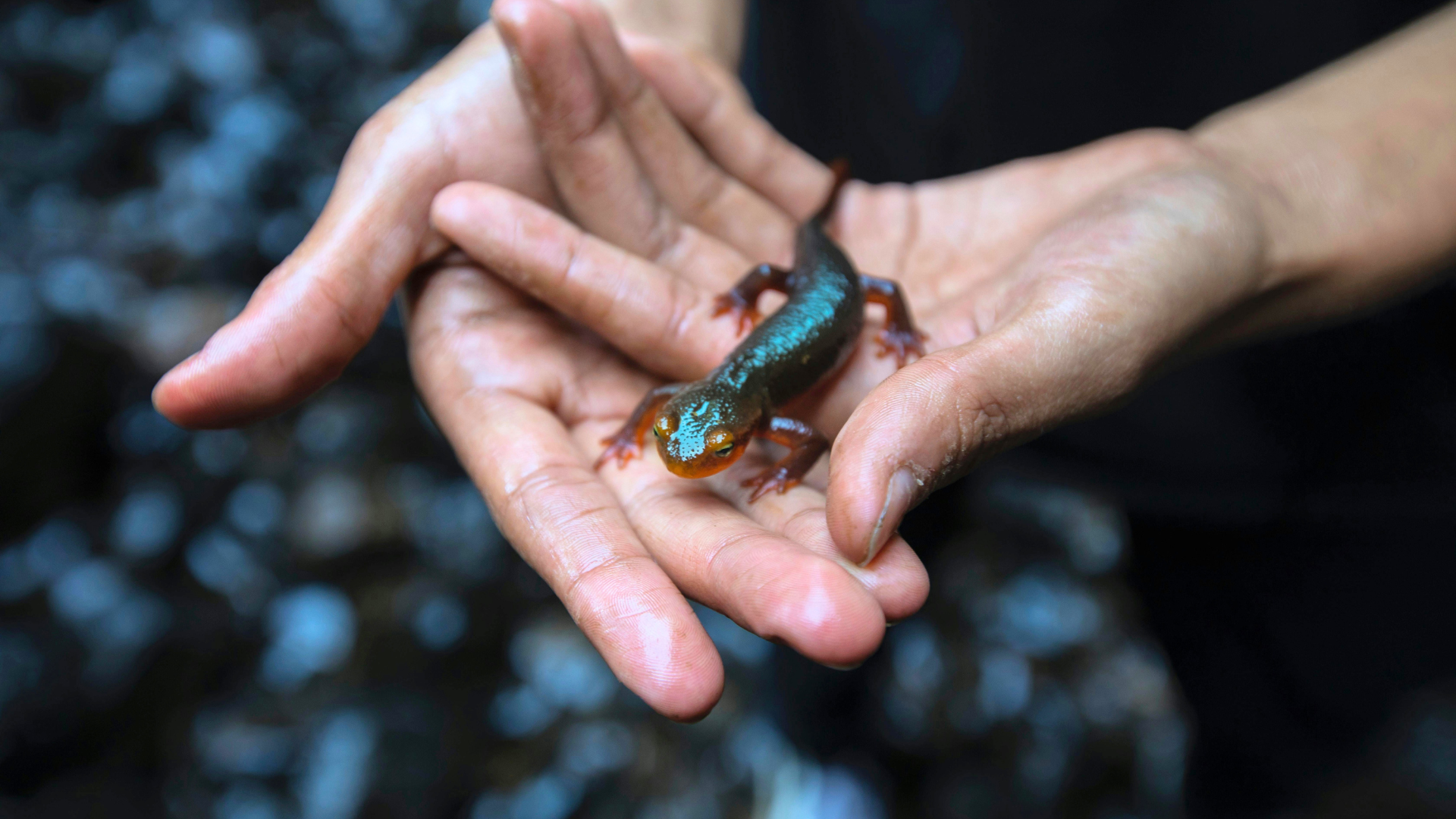
If the Crater Lake newt receives Endangered Species Act protection, federal funding and recovery programs could support invasive crayfish removal, habitat restoration, and expanded captive breeding efforts. Conservationists say time is running out, but the new agreement offers a rare opportunity to prevent one of Oregon’s most unique species from vanishing forever. For many scientists, the fight to save the Crater Lake newt has become a symbol of the broader struggle to protect fragile ecosystems from climate change and invasive species.