Kansas Ex-Mayor Detained by Immigration Authorities After Illegal Voting Conviction
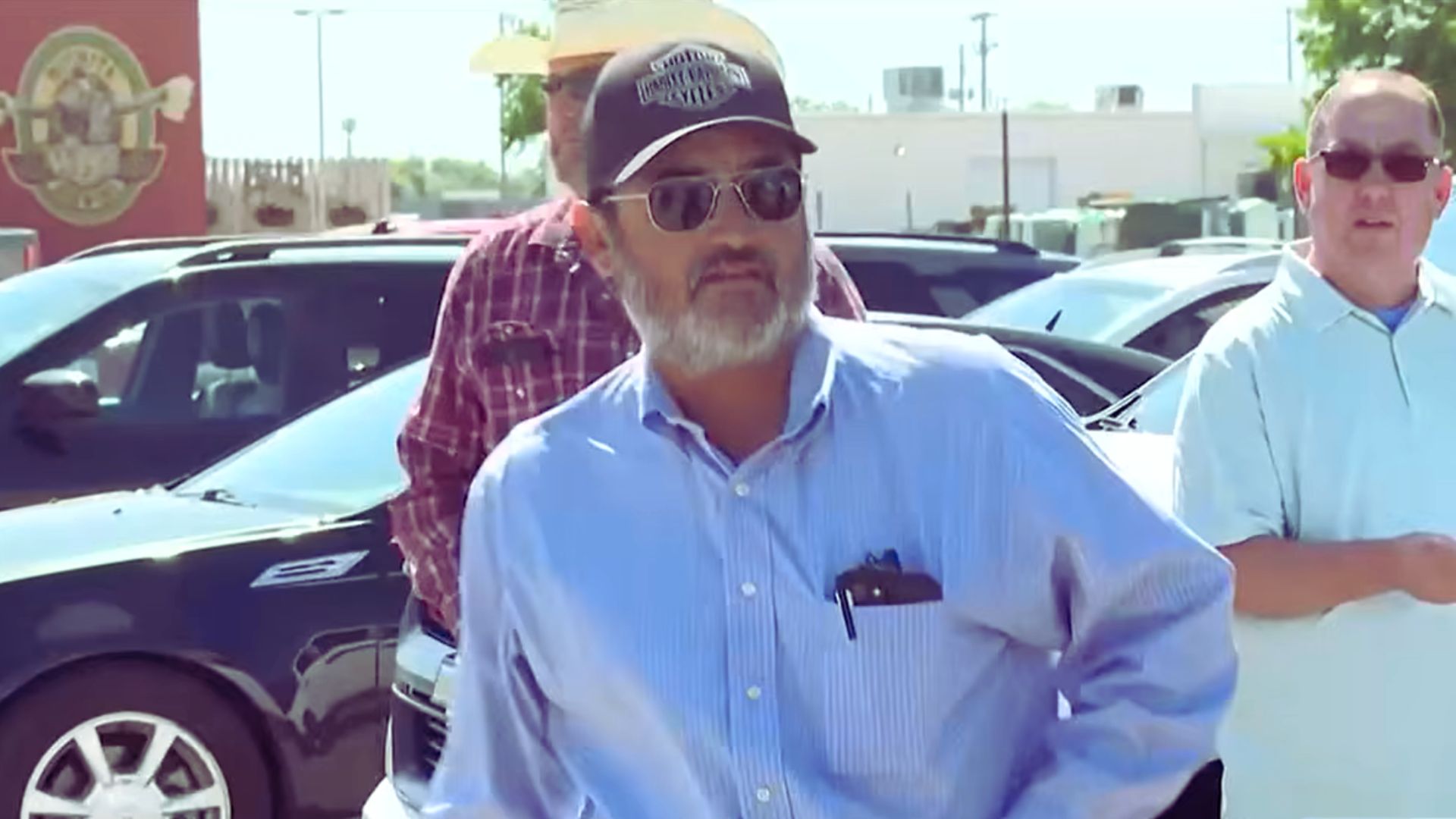

What began as a local election controversy in rural Kansas has now escalated into a federal immigration case drawing national attention. Joe Ceballos, the former mayor of Coldwater, Kansas, was detained by immigration authorities after serving legal consequences tied to illegal voting convictions that prosecutors said occurred across multiple elections.
Ceballos, originally from Peru, had previously served as mayor in the small southern Kansas town and became known locally for his civic involvement before authorities accused him of unlawfully participating in U.S. elections as a noncitizen. Court records and reporting from Kansas news outlets show prosecutors alleged he voted illegally several times despite not being eligible under federal law. The case later expanded beyond local election issues into immigration enforcement proceedings.
The situation has generated intense reactions because it combines two politically sensitive topics: voting laws and immigration enforcement. Supporters of stricter election rules argue the case demonstrates why citizenship verification matters, while others point to what they describe as confusion surrounding voter registration systems and local election procedures.
Conviction Stemmed From Multiple Illegal Voting Allegations
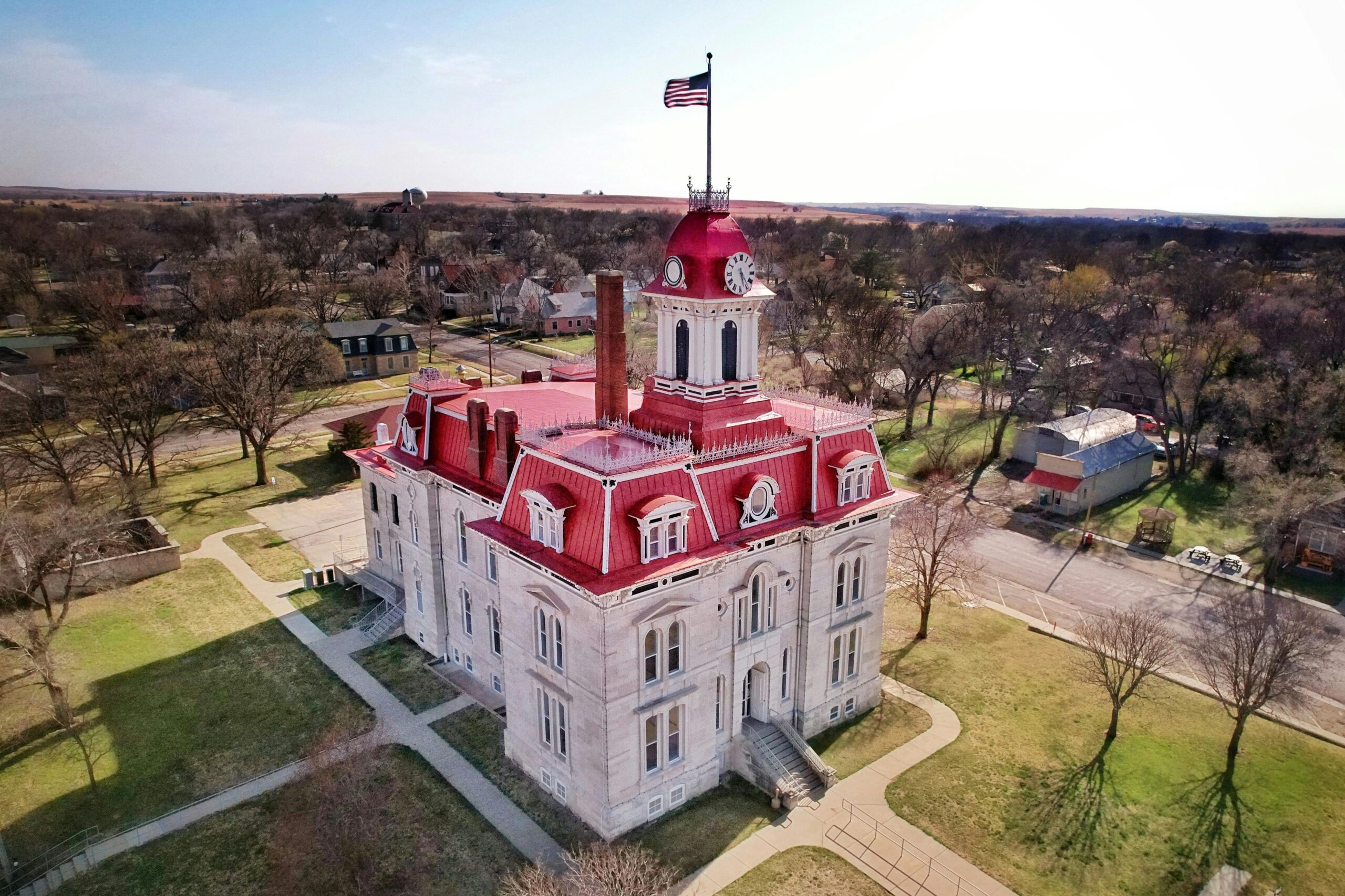
According to reporting from The Wichita Eagle, Newsweek, and CNN, prosecutors said Ceballos cast ballots in multiple elections despite lacking U.S. citizenship. Investigators argued he improperly registered to vote and later participated in elections over several years. Court proceedings eventually resulted in convictions tied to illegal voting offenses.
Ceballos reportedly acknowledged mistakes during portions of the legal process, with earlier reporting describing the situation as stemming partly from misunderstandings about eligibility and registration requirements. Defense arguments referenced confusion surrounding documentation and local voting systems, though authorities maintained the law clearly prohibits noncitizens from voting in federal and state elections.
The case attracted broader attention because verified instances of noncitizen voting remain relatively rare nationally, yet such cases often become focal points in larger political debates over election integrity. Kansas has previously been at the center of national voting-law disputes, including legal battles over citizenship proof requirements for voter registration.
Immigration Authorities Moved After Criminal Proceedings
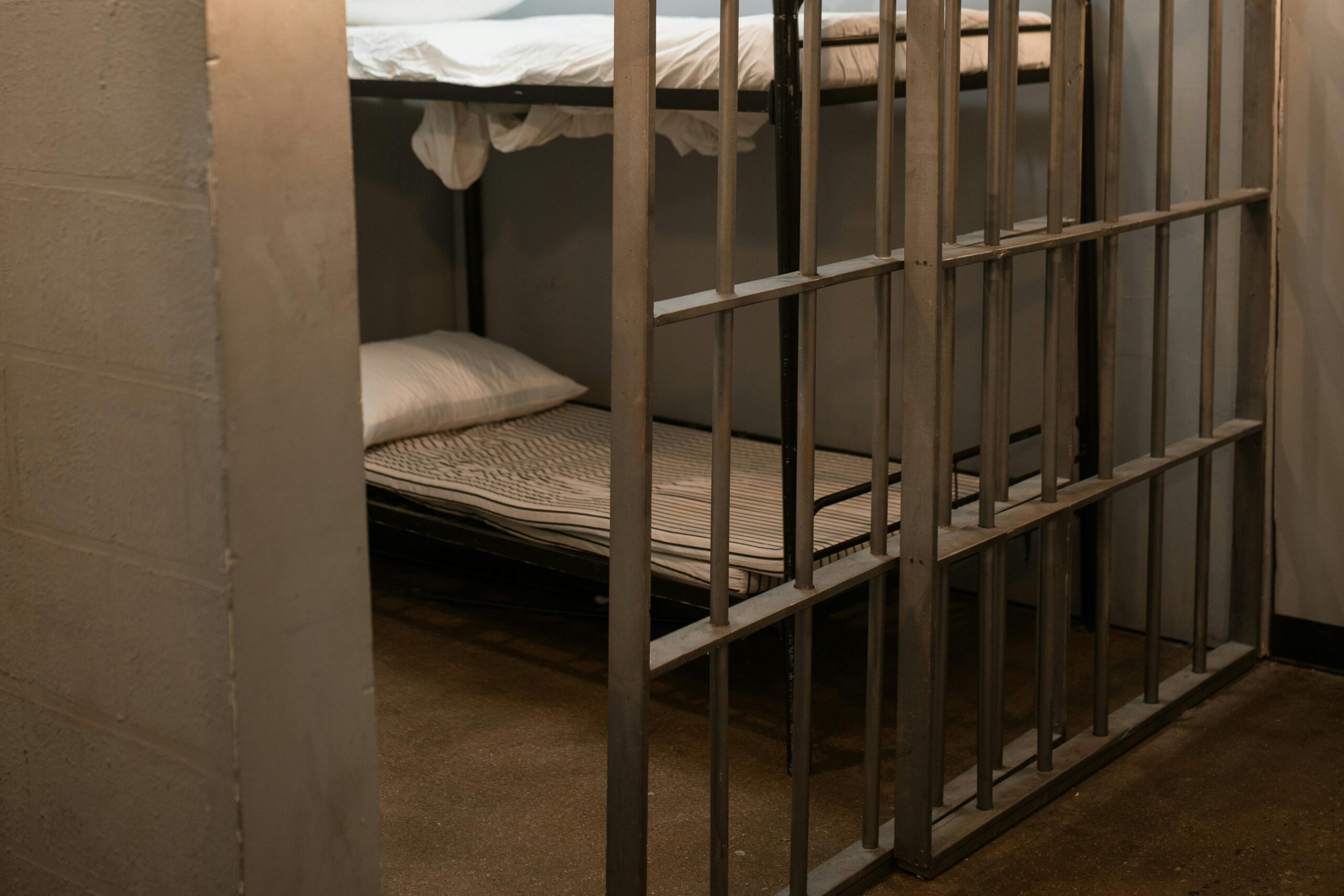
After the criminal case advanced, federal immigration authorities detained Ceballos and transferred him into custody, according to jail records and multiple reports. CNN and regional Kansas outlets reported he was later transferred to Chase County Jail while immigration proceedings continued. The detention marked a dramatic turn for a figure who once held elected office in a town of only a few hundred residents.
Immigration enforcement cases involving local elected officials remain uncommon, which added to public interest surrounding the story. Federal authorities have not framed the detention as unusual treatment but rather as part of standard immigration enforcement following criminal convictions involving noncitizens. Legal experts note that certain convictions can trigger deportation proceedings depending on immigration status and case specifics.
The story has also reignited questions about how voter registration systems handle citizenship verification. Critics argue gaps in administrative systems can create situations where noncitizens mistakenly believe they are eligible, while supporters of stricter enforcement say the responsibility ultimately rests with the individual registering to vote.
The Case Continues Fueling Debate Beyond Kansas
Although the events unfolded in a small Kansas community, the case now resonates far beyond state lines because it touches on national debates over election security, immigration policy, and accountability in public office. Legal analysts say stories involving elected officials often attract outsized attention because they raise questions about public trust and civic responsibility.
Some immigration advocates caution against using isolated cases to generalize broader immigrant communities, noting that documented cases of illegal voting by noncitizens remain statistically uncommon. At the same time, election-integrity advocates argue even isolated incidents can undermine public confidence in voting systems if safeguards fail to detect ineligible registrations sooner.
As immigration proceedings continue, the former mayor’s case remains a reminder of how local political stories can quickly evolve into national flashpoints. In Coldwater, a quiet town better known for ranchland and rural life than federal legal battles, the controversy has placed an unexpected spotlight on the intersection of immigration law and American elections.