Louisiana Teacher Pay Proposal Halted After Constitutional Amendments Fail
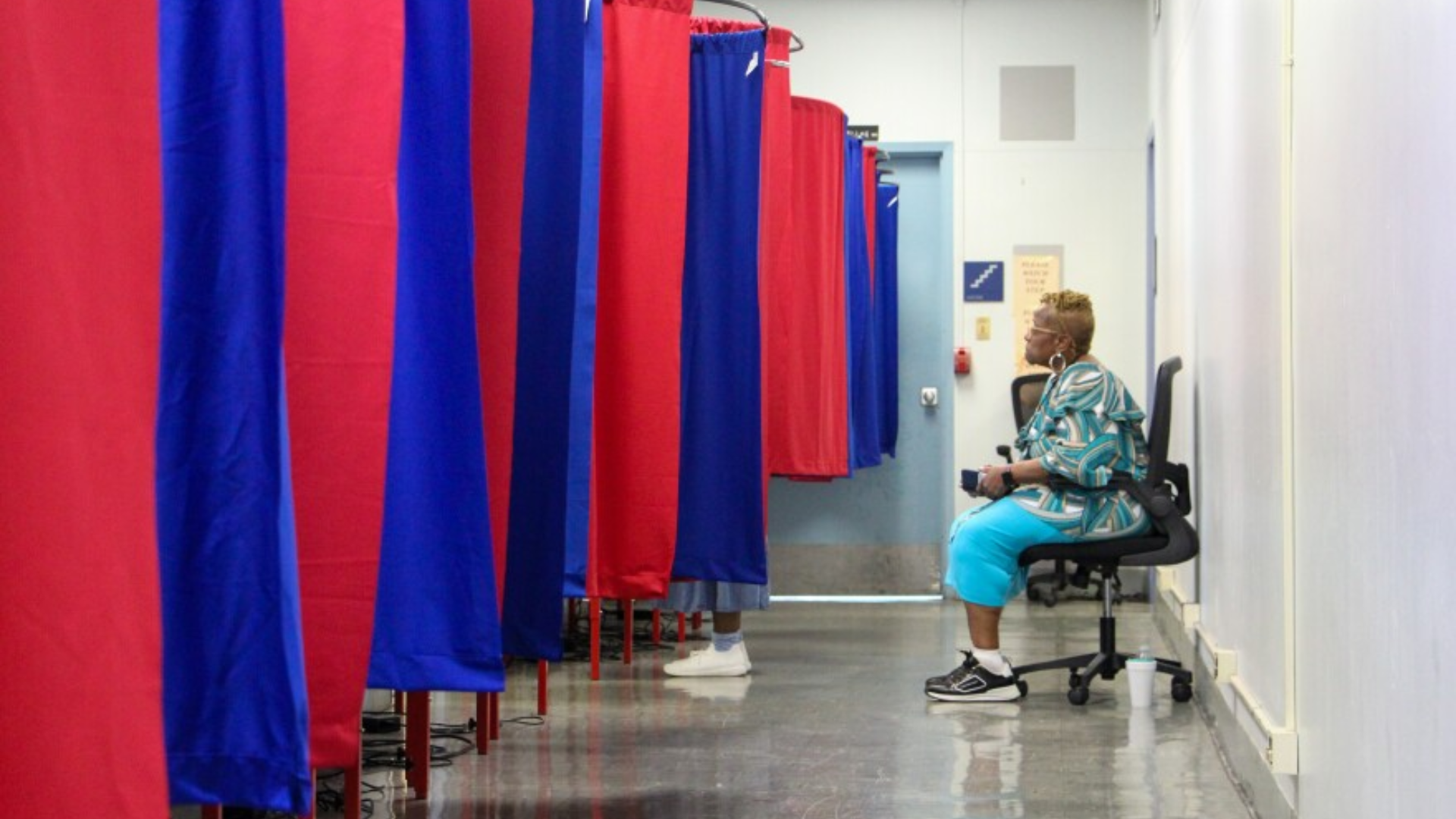

A proposed plan aimed at permanently increasing teacher pay in Louisiana has been halted after voters rejected several constitutional amendments tied to the funding strategy. The outcome dealt a major setback to efforts designed to provide recurring raises for educators and school support staff across the state. Supporters argued the proposal would help address long-standing concerns about teacher compensation, while critics warned the funding changes could weaken education trust funds. The vote has now left lawmakers, educators, and school districts searching for alternative solutions to improve teacher salaries moving forward.
Voters Rejected the Key Amendment

At the center of the controversy was Louisiana Constitutional Amendment 3, which voters ultimately rejected during the statewide election. According to election results, roughly 58 percent of voters opposed the measure, preventing the state from moving forward with the proposed funding plan. The amendment was designed to redirect money from several education trust funds into the Teachers’ Retirement System of Louisiana. Its failure immediately blocked the planned teacher pay increases tied to the proposal.
The Proposal Promised Permanent Raises

Supporters of the amendment said the plan would have created permanent salary increases for educators and school employees throughout Louisiana. Under the proposal, teachers would have received raises of approximately $2,250 annually, while support staff members would have gained roughly $1,125 in additional yearly pay. Advocates argued the approach offered a more stable long-term solution compared to temporary stipends approved in recent years. Many education leaders viewed the measure as a critical opportunity to improve teacher retention and recruitment statewide.
Funding Would Have Come From Education Trust Funds
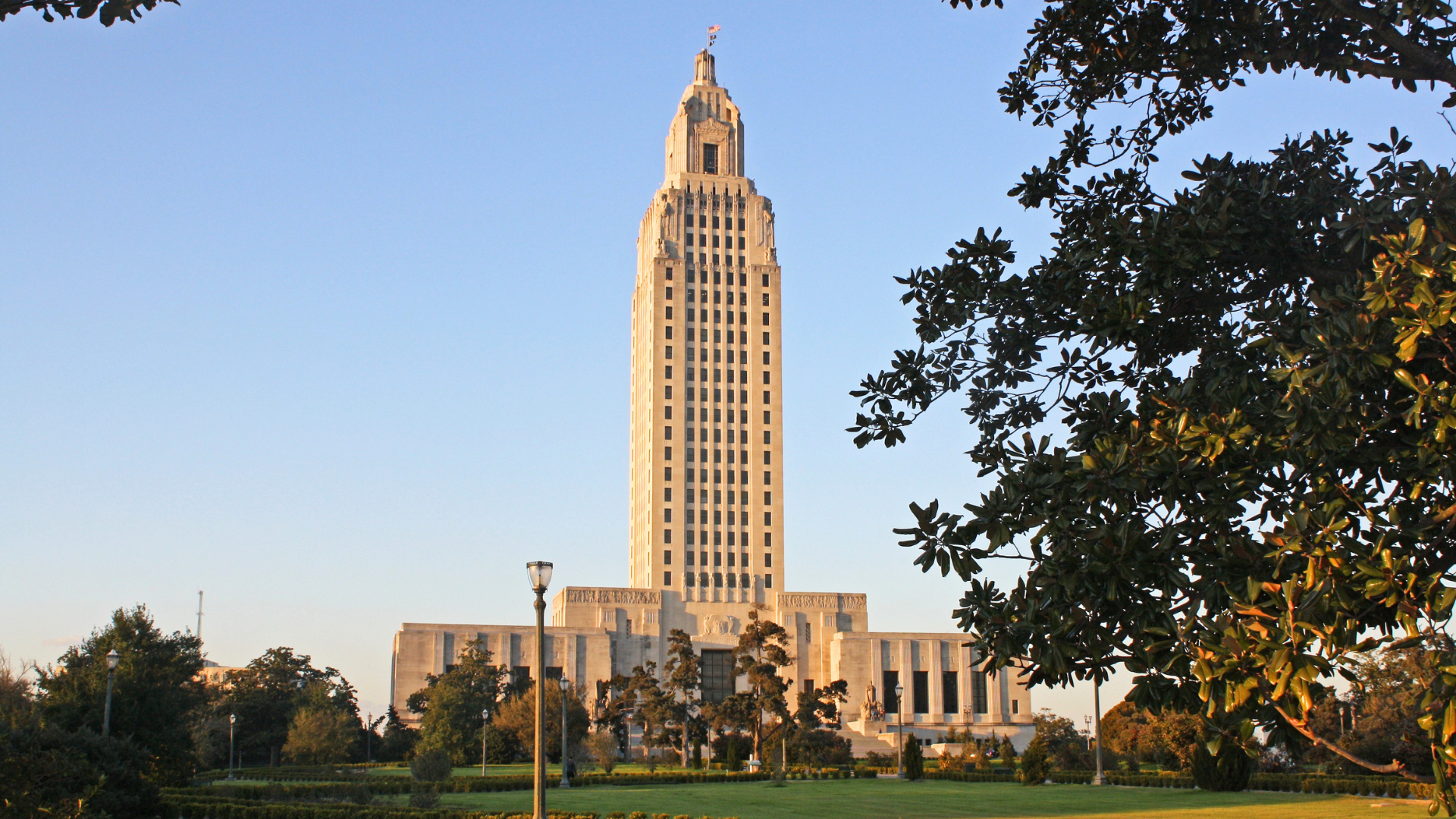
The proposal relied on redirecting money from several protected education trust funds into the state’s teacher retirement system. Specifically, the amendment would have affected the Education Excellence Fund, the Education Quality Trust Fund, and the Quality Education Support Fund. Lawmakers argued that using the money to reduce retirement debt would free up recurring savings for local school districts to fund raises permanently. Critics, however, worried that shifting money away from dedicated education programs could eventually weaken funding for classrooms and student services.
Some Teachers Opposed the Measure

Although many teachers supported the proposal because of the promised raises, opposition also emerged within parts of the education community. Some educators expressed concerns that the amendment could reduce long-term support for educational programs that students rely on every year. Others questioned whether lawmakers would fully protect the affected trust funds once the constitutional protections were removed. The divided response among teachers contributed to a broader statewide debate over whether the tradeoff was worth the potential risks.
Confusion Surrounded the Election

Reports from across Louisiana suggested many voters were confused by the wording and complexity of the constitutional amendments appearing on the ballot. Election analysts and local media outlets noted that some residents struggled to fully understand how the proposed changes would impact education funding and teacher salaries. Confusion surrounding the amendments may have contributed to higher rejection rates across multiple ballot measures. Ultimately, all five constitutional amendments presented to voters were defeated during the election.
Governor Jeff Landry Backed the Plan
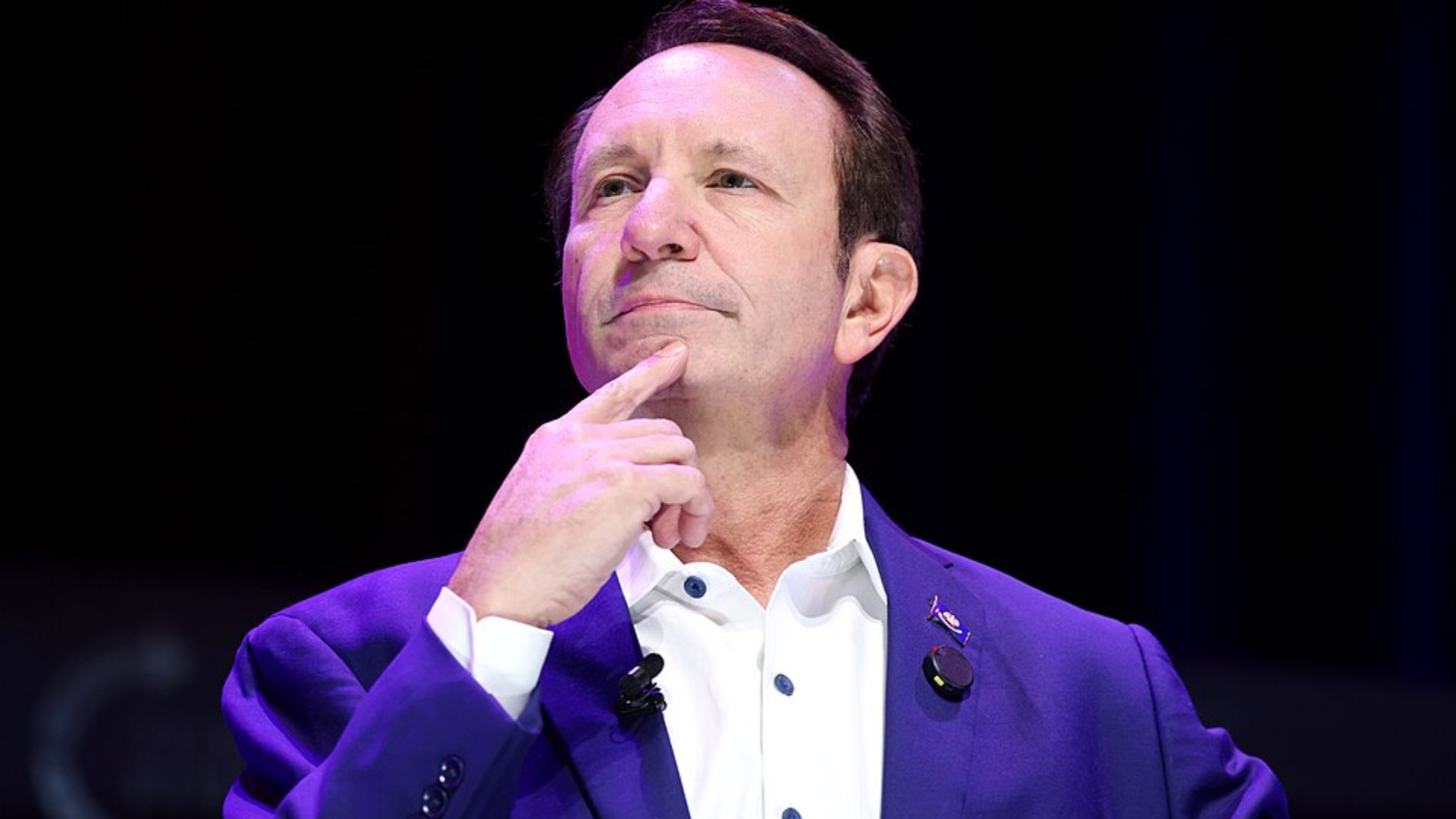
Governor Jeff Landry strongly supported the proposed constitutional amendments, including the teacher pay funding plan tied to Amendment 3. State leaders argued the proposal would create recurring raises without requiring continuous increases in state spending each year. After voters rejected the measures, political leaders acknowledged the outcome represented a major setback for the administration’s education priorities. The election results also highlighted broader voter skepticism surrounding constitutional funding changes.
Louisiana Continues Facing Teacher Pay Challenges

Teacher pay has remained a persistent issue in Louisiana for years as school districts compete with neighboring states for qualified educators. Many districts continue facing staffing shortages, high turnover, and difficulties attracting new teachers into the profession. Education advocates warn that without permanent salary improvements, Louisiana could struggle to retain experienced educators in the coming years. The failed amendment has now intensified concerns about how the state plans to address compensation challenges moving forward.
Lawmakers May Search for Alternative Solutions

With the amendment defeated, lawmakers may now explore different ways to fund teacher raises without restructuring constitutional education funds. Some officials have suggested temporary stipends could continue in the short term while legislators consider alternative budget strategies. Others believe the state may eventually revisit a revised version of the proposal with clearer language and additional voter outreach. Education leaders say finding a long-term solution remains critical as schools continue dealing with staffing and funding pressures.
Louisiana’s Teacher Pay Debate Is Far From Over

The rejection of Louisiana’s constitutional amendments has temporarily halted one of the state’s most ambitious efforts to create permanent teacher pay raises. While supporters believed the proposal offered a sustainable funding solution, opponents worried about the long-term impact on education trust funds and classroom resources. The outcome revealed deep divisions among voters, educators, and policymakers over how best to improve teacher compensation across the state. As Louisiana continues facing teacher shortages and retention concerns, pressure is likely to grow for lawmakers to develop a new plan capable of winning broader public support.