Residents Fear Toxic Pollution as Mysterious Black Dust Blankets Oklahoma Town
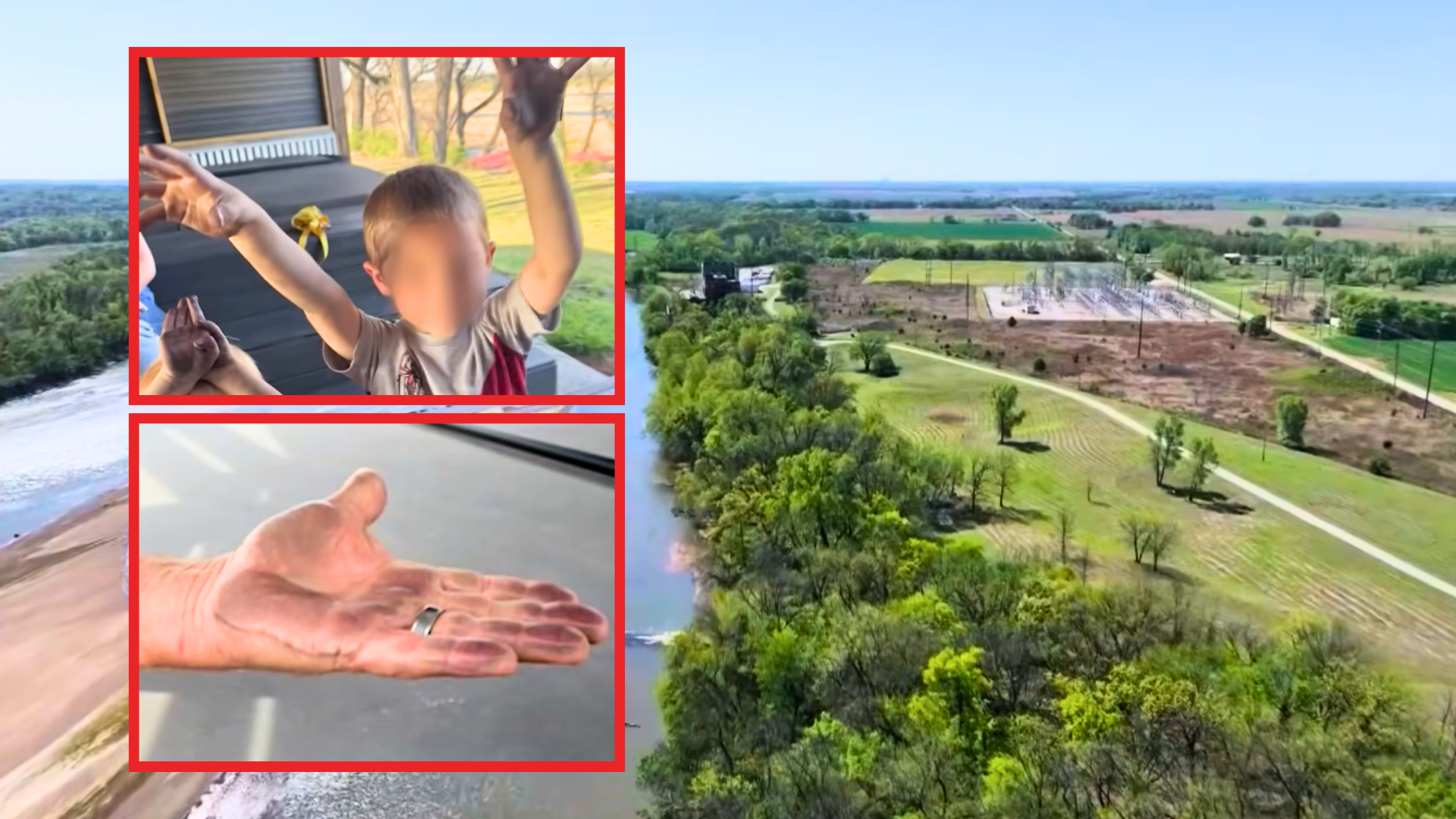

Residents in Ponca City, Oklahoma, say they are once again waking up to a troubling sight: a fine black dust coating cars, homes, playgrounds, pets, and sidewalks across entire neighborhoods. For some families, the substance has revived memories of a yearslong pollution battle that once led to lawsuits, federal investigations, and multimillion-dollar settlements tied to a nearby carbon black manufacturing plant. Now, as new complaints pile up and residents fear possible health risks, many say they are demanding answers before the problem grows worse.
Residents Believe The Dust Is Carbon Black
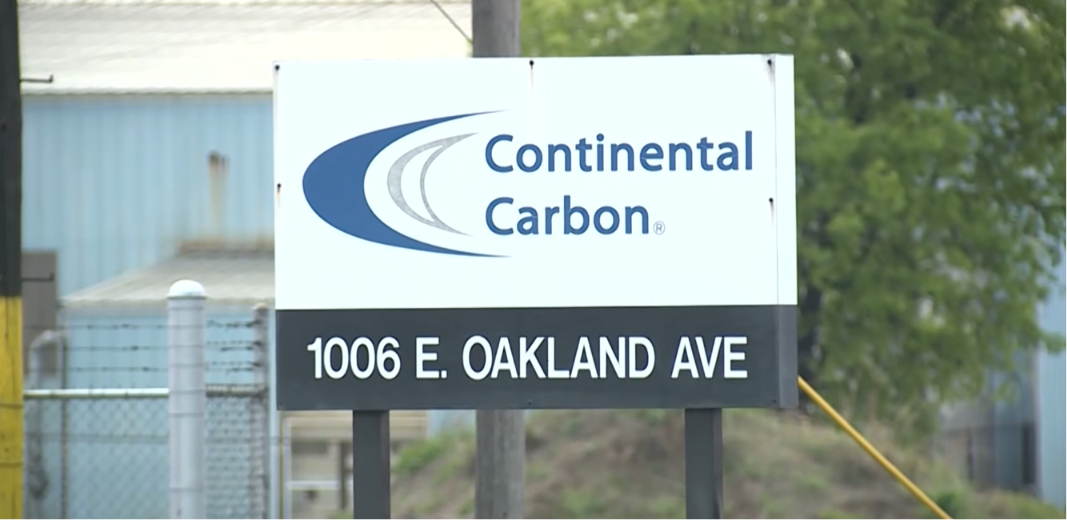
Many complaints filed with the Oklahoma Department of Environmental Quality and reviewed by KOCO 5 identify the substance as carbon black, a fine industrial powder commonly used in tires, plastics, ink, and rubber manufacturing. Residents have repeatedly pointed to the nearby Continental Carbon plant south of town as the likely source. Complaint records describe ‘thick black smoke,’ ‘fugitive dust,’ and soot-like material accumulating on homes, garages, storm drains, and vehicles.
Families Say The Dust Is Affecting Daily Life
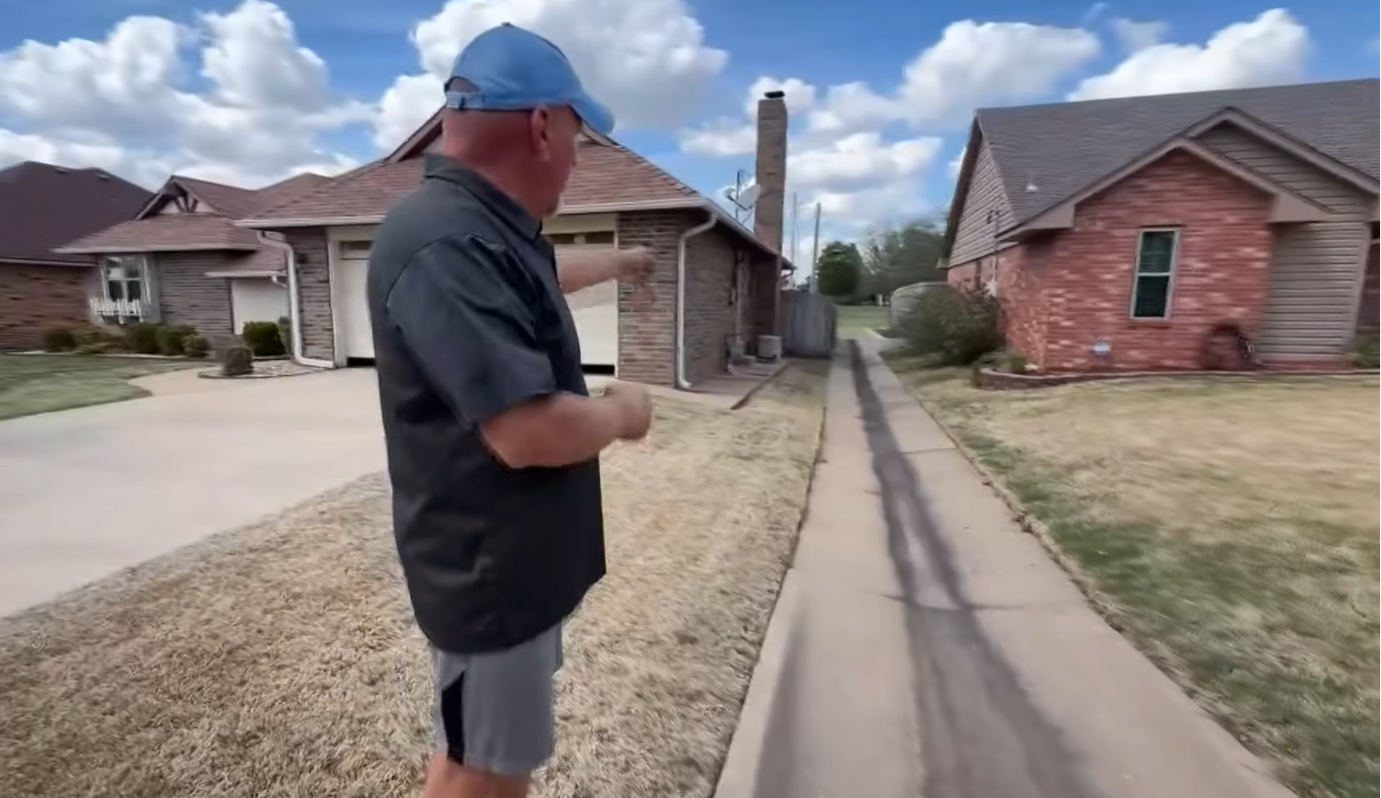
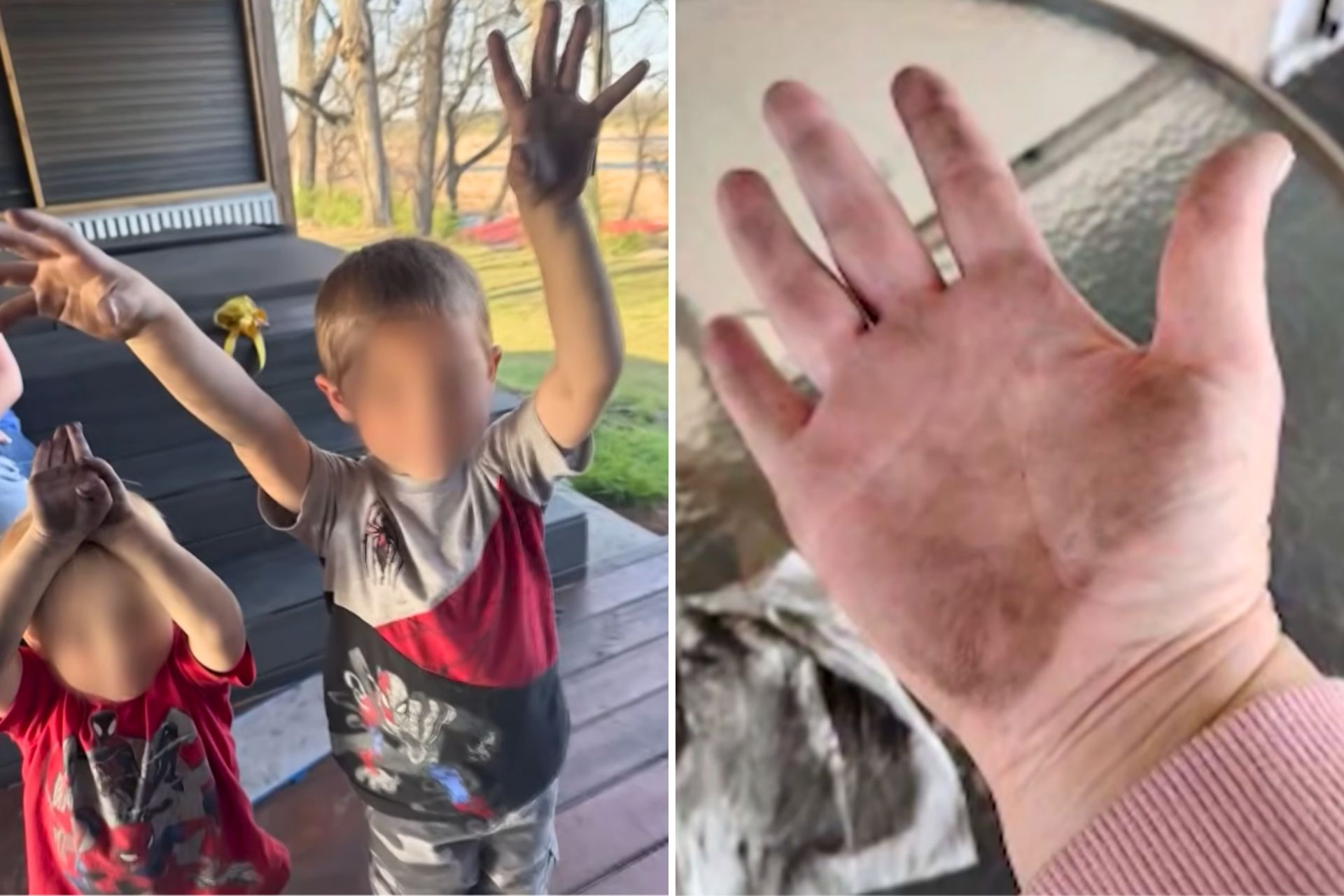
Residents interviewed by KOCO 5 describe the black residue as sticky, stubborn, and nearly impossible to avoid. Some say pets return indoors with blackened paws and fur, while others report soot coating playground equipment, laundry, porches, and outdoor furniture. Earlier investigations by NPR and the Center for Public Integrity documented residents washing black residue from bathtubs after cleaning dogs, sealing clothing in plastic bags to prevent stains, and avoiding opening windows because the dust drifted into homes.
The Town Has Fought This Battle Before
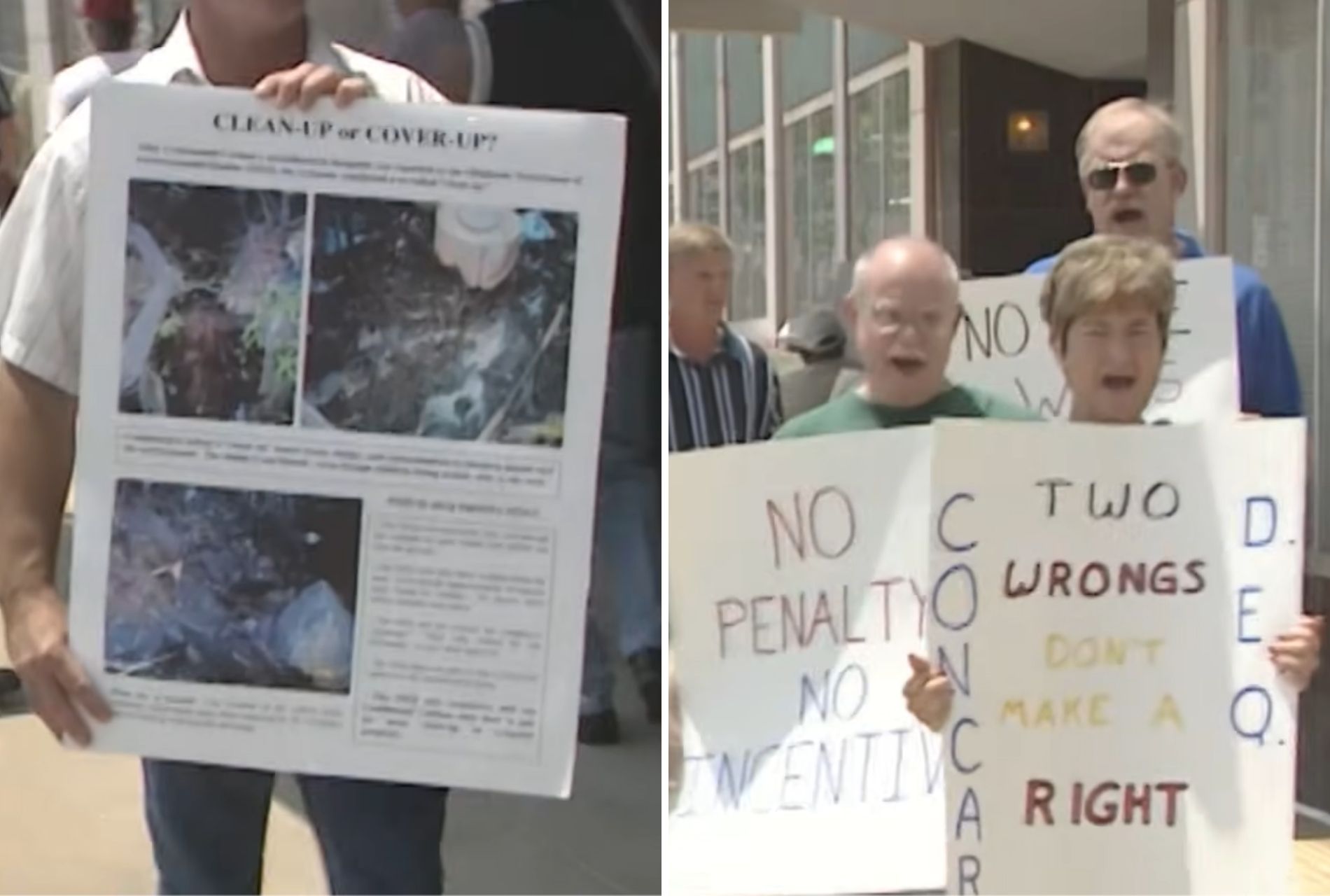
For longtime residents, the current situation feels painfully familiar. Ponca City spent years battling similar complaints during the late 1990s and early 2000s, when residents accused Continental Carbon of blanketing neighborhoods with black dust. Carla Moulton, who recently filed another complaint with the Oklahoma Department of Environmental Quality, said the same thing happened decades earlier when her white dog repeatedly came home with blackened paws. In her complaint to regulators, Moulton wrote, ‘It was this company that was letting the black out and I believe they are doing this again.’
Earlier Lawsuits Led To Multimillion-Dollar Settlements

The previous pollution fight eventually escalated into major litigation. In 2005, the Ponca Tribe of Oklahoma, local homeowners, and city officials filed lawsuits alleging that carbon black pollution damaged property and threatened public health. Continental Carbon denied responsibility but later agreed to multiple settlements, including a $10.5 million agreement with the Ponca Tribe in 2009. Other settlements with residents and local governments pushed the total payouts significantly higher.
Health Concerns Are Driving Fear And Anger
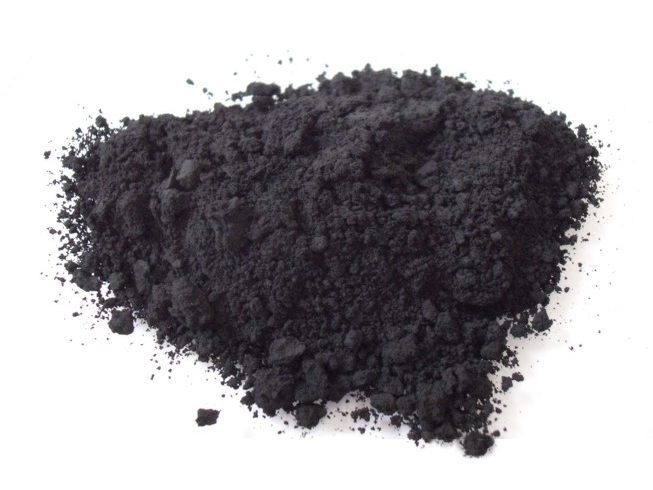
Residents also worry about potential long-term health effects from inhaling the particles. Carbon black is classified by the International Agency for Research on Cancer as “possibly carcinogenic to humans,” and federal regulators have warned that particulate pollution linked to carbon black production can contribute to respiratory and cardiovascular problems. Some Ponca City residents interviewed by local media connected the renewed dust problems to fears about cancer and lung disease, although officials have not confirmed direct health links to the current complaints.
Federal Regulators Previously Forced Pollution Controls
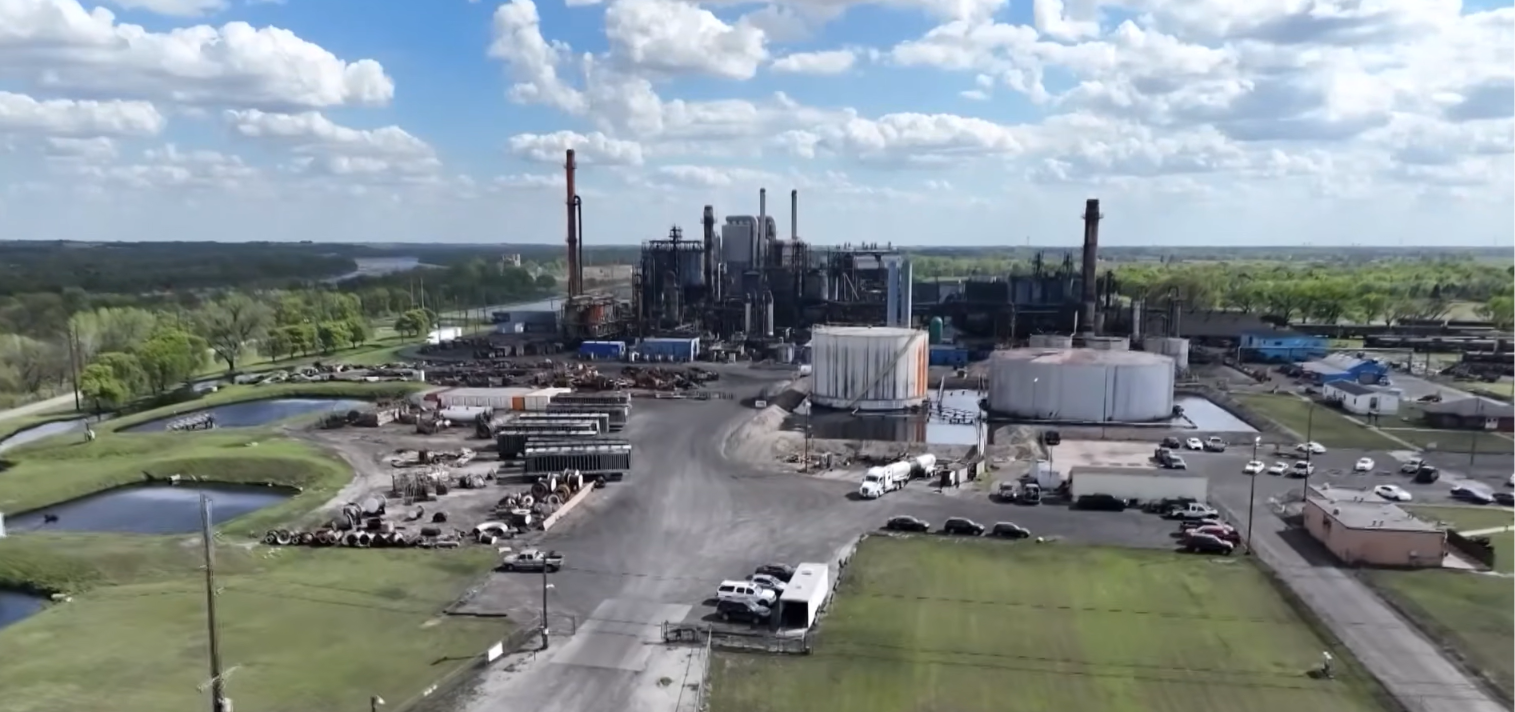
The controversy surrounding Continental Carbon extends well beyond local complaints. In 2015, the U.S. Department of Justice and Environmental Protection Agency announced a Clean Air Act settlement requiring the company to install pollution-control technology at facilities in Oklahoma, Alabama, and Texas. Federal officials said the plants had released excess sulfur dioxide, nitrogen oxides, and particulate matter. Continental agreed to spend roughly $98 million on pollution controls and environmental projects while also paying civil penalties.
Critics Say Enforcement Has Been Too Weak
Many residents argue regulators have repeatedly failed to respond aggressively enough. Historical records reviewed by NPR and the Center for Public Integrity showed that Oklahoma regulators logged hundreds of complaints over many years but often closed investigations without enforcement because inspectors did not directly witness emissions leaving the facility. More recent complaints from 2024 through 2026 were also closed without enforcement action, frustrating residents who say visible black residue remains widespread throughout town.
Officials Say The Source Is Still Under Investigation
State and local officials say they are actively investigating the current wave of complaints but have not officially confirmed the source of the dust. Ponca City Mayor Kelsey Wagner said the city is working with the Oklahoma Department of Environmental Quality on monitoring efforts designed to identify the material and determine where it originated. “We’re going to let the science lead this investigation and take action when we have the facts to support it,” Wagner said in a statement quoted by The Independent.
Residents Say They Want Answers Before Conditions Get Worse
For many residents, the uncertainty has become almost as upsetting as the dust itself. Families say they are tired of repeatedly cleaning soot from homes while waiting for test results and official action. Some residents fear the town is reliving a crisis they believed had been resolved years ago after lawsuits and federal settlements. Whether investigators ultimately confirm the source or not, the renewed appearance of black dust has reopened deep mistrust between residents, regulators, and one of the region’s largest industrial employers.