U.S. Health Officials Track Possible Hantavirus Cases Across Multiple States
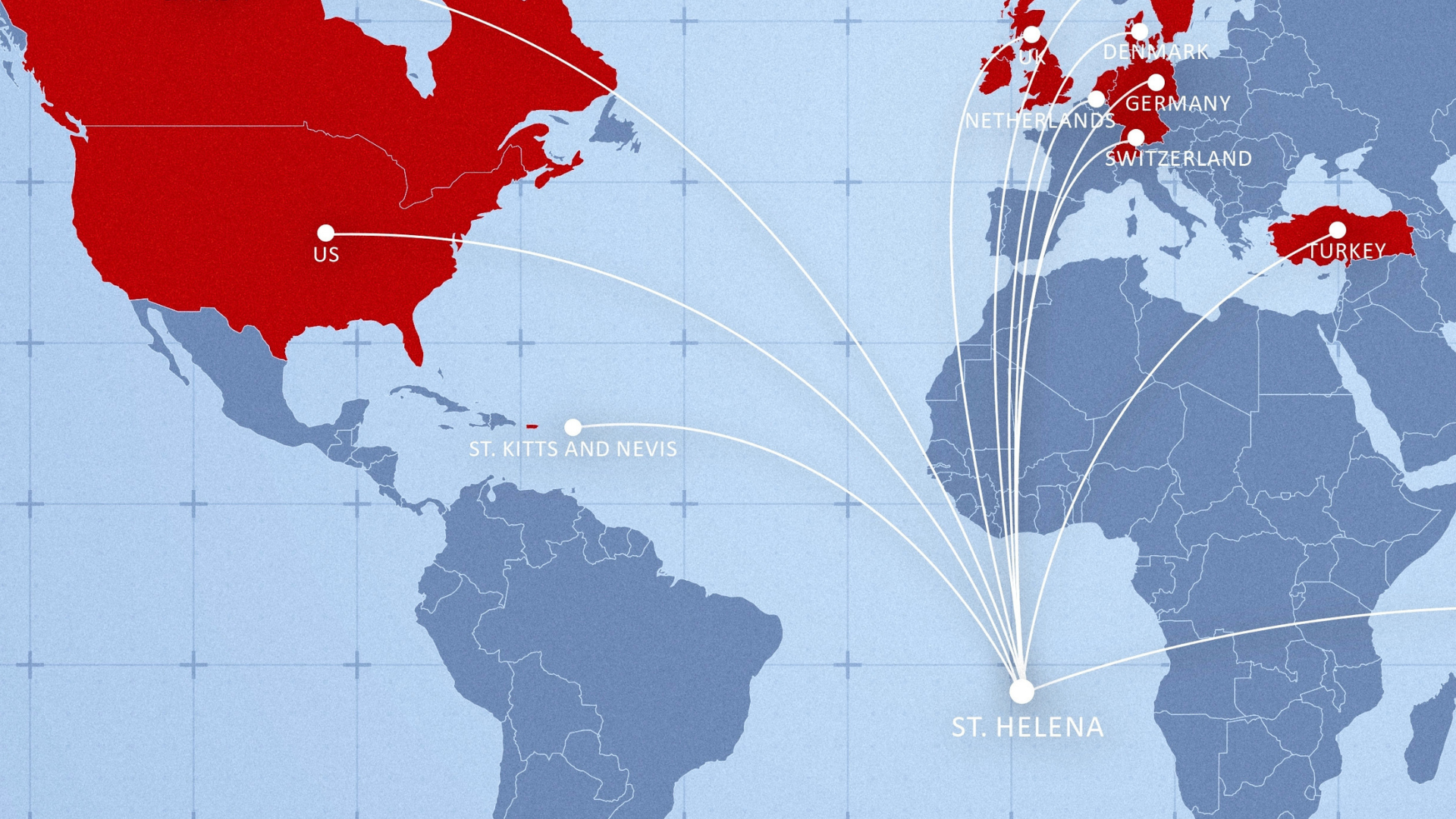

U.S. health officials are closely monitoring possible hantavirus exposures across multiple states after a rare outbreak linked to an international cruise ship raised concerns about wider spread. Although no confirmed U.S. cases have been officially tied to the outbreak so far, dozens of people are under observation as federal agencies coordinate quarantine efforts, testing, and contact tracing. The situation has drawn national attention because the specific Andes strain involved is one of the few hantaviruses known to spread between humans under certain conditions.
The Outbreak Began on a Cruise Ship

The outbreak is connected to the Dutch cruise ship MV Hondius, which departed from Argentina in April 2026. Multiple passengers became seriously ill during the voyage, and at least three deaths were reported. The World Health Organization later confirmed the outbreak involved the Andes virus strain of hantavirus, prompting international concern and emergency response measures.
Health Officials Are Monitoring Multiple States

According to reports, at least 41 individuals across 16 U.S. states are currently being monitored for possible hantavirus exposure connected to the cruise outbreak. Many are passengers or close contacts who traveled through U.S. airports before the outbreak was fully identified. Federal and state health departments are working together to track symptoms and potential transmission risks.
Some Americans Are in Quarantine Facilities

Eighteen Americans linked to the cruise ship outbreak were placed into quarantine or medical monitoring facilities in Nebraska and Georgia after returning to the United States. Officials said the quarantine period could last up to 42 days because hantavirus symptoms may take weeks to appear after exposure.
What Makes the Andes Virus Different
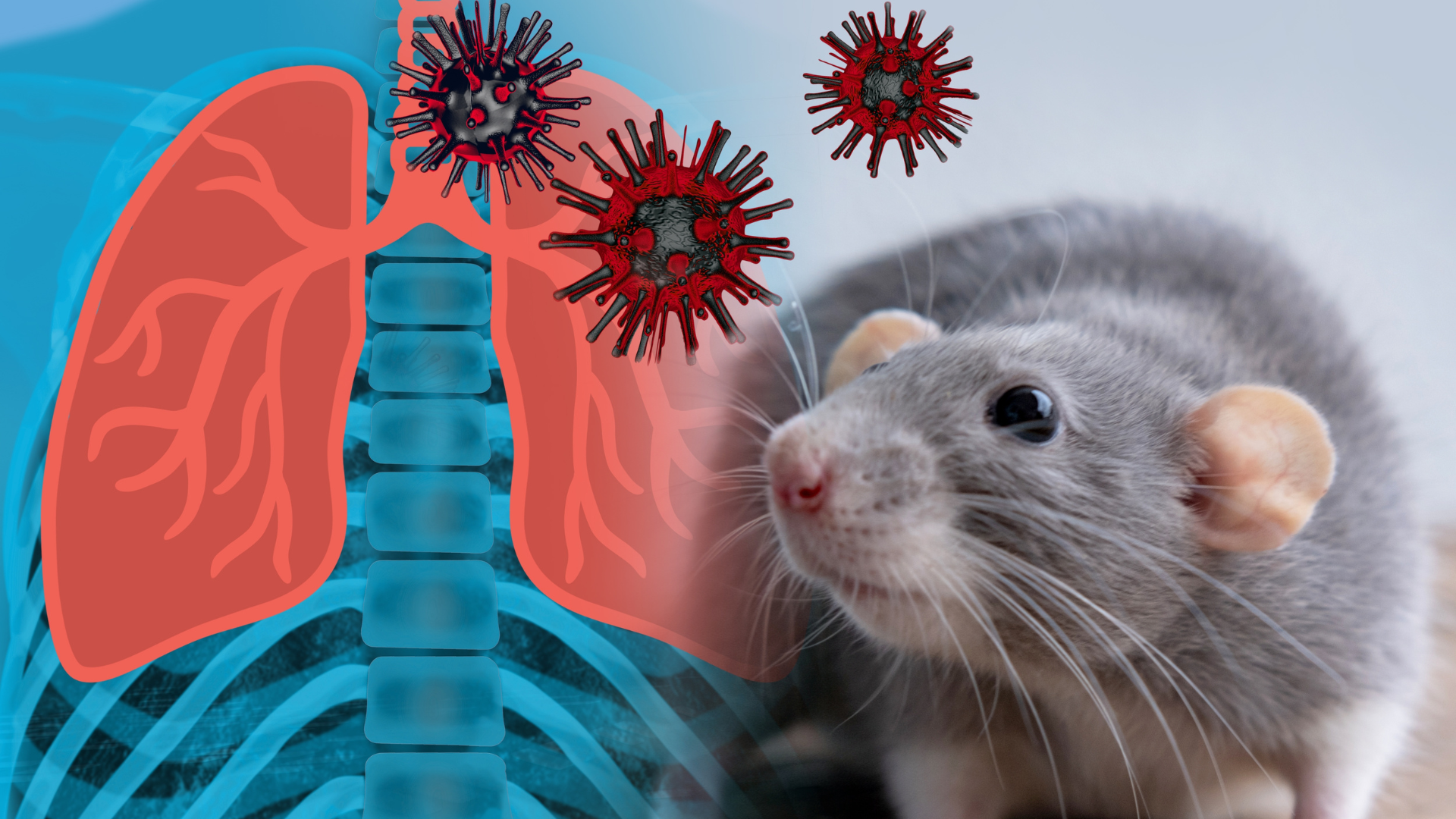
Most hantaviruses spread through contact with infected rodent urine, saliva, or droppings and do not spread between people. However, the Andes strain linked to this outbreak is unusual because scientists have documented rare cases of person-to-person transmission through prolonged close contact with infected individuals. That possibility is one reason health officials are taking extra precautions.
Symptoms Can Start Like the Flu

Early hantavirus symptoms often resemble common illnesses, including fever, headaches, muscle aches, fatigue, and nausea. In severe cases, the disease can rapidly progress into hantavirus pulmonary syndrome (HPS), a dangerous respiratory condition that can cause fluid buildup in the lungs and breathing failure. Experts warn that early diagnosis is critical because there is no specific cure for the virus.
Officials Say the Public Risk Remains Low
Despite the growing attention surrounding the outbreak, the CDC and WHO continue emphasizing that the overall risk to the general public remains very low. Officials say the virus does not spread easily like airborne respiratory illnesses such as COVID-19 and still requires close exposure conditions in most documented transmission cases.
No Confirmed U.S. Cases Yet
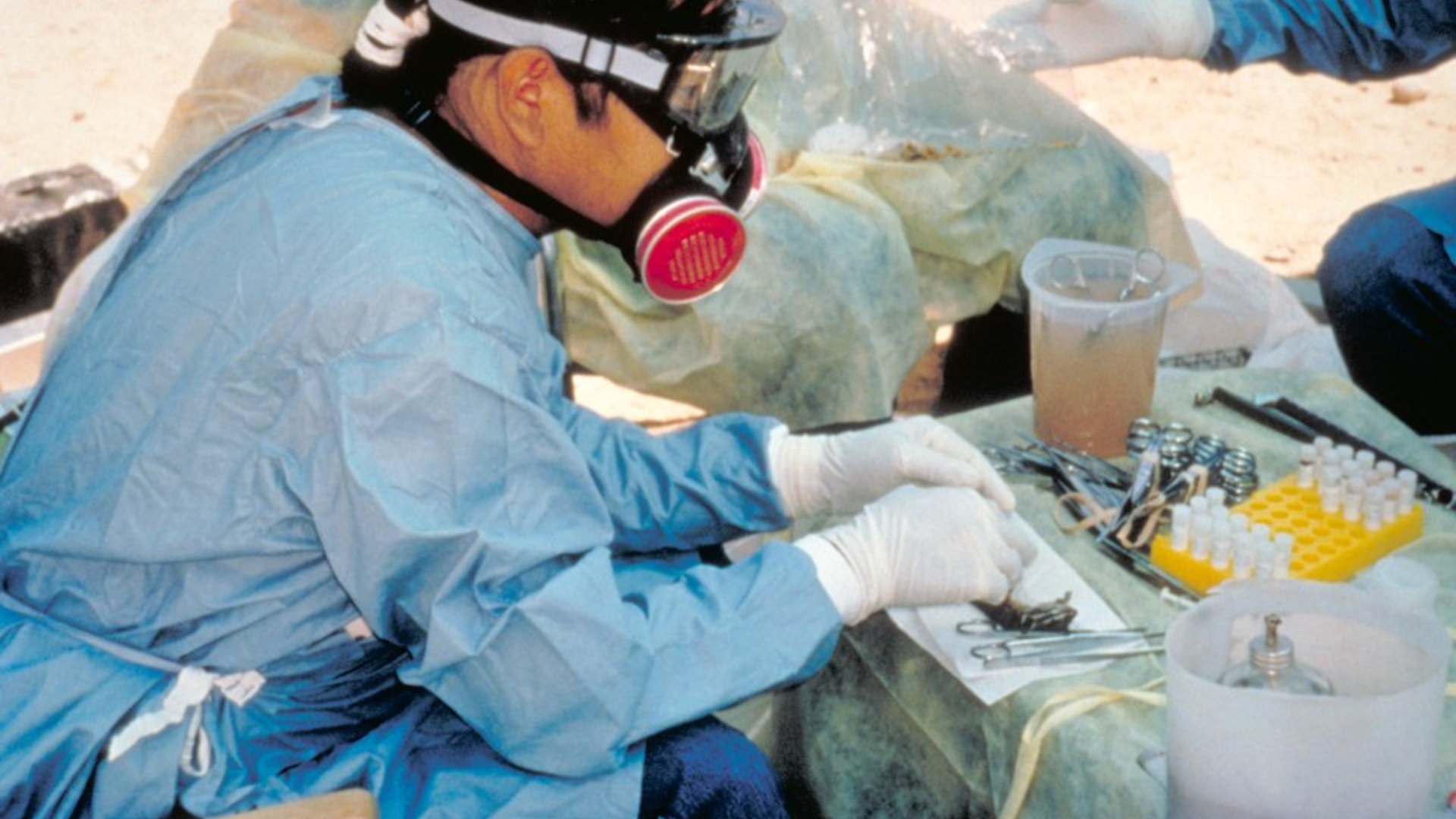
Federal officials recently announced that no confirmed U.S. hantavirus cases tied to the cruise outbreak have been identified so far after additional testing. One suspected American case involving a cruise passenger was later determined to be a false positive. However, health agencies continue monitoring exposed individuals carefully because of the virus’s long incubation period.
Why Health Officials Are Being Extra Careful
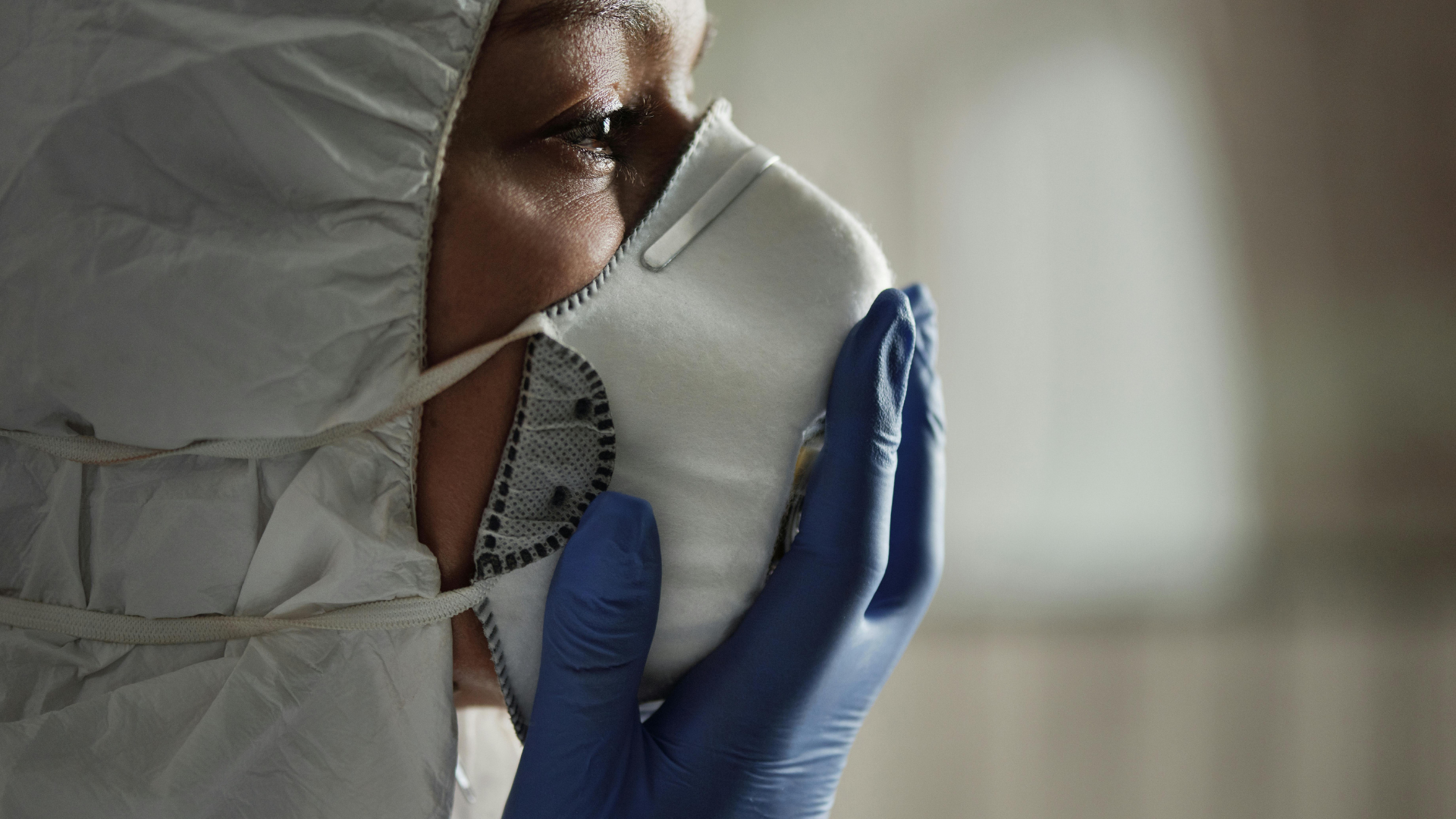
Experts say the response may seem aggressive because hantavirus carries a high fatality rate, particularly the Andes strain involved in this outbreak. Some studies estimate mortality rates for hantavirus pulmonary syndrome can reach 35% to 50% in severe cases, making rapid containment and monitoring especially important even when case numbers remain relatively small.
The Situation Highlights Growing Global Disease Concerns

The hantavirus monitoring effort underscores how quickly infectious disease concerns can spread across borders through modern international travel. While officials stress that this outbreak is not expected to become a pandemic, the incident has renewed focus on quarantine systems, global surveillance, and the challenges of responding to rare but dangerous diseases in a highly connected world.