Family-Owned Manufacturer Leaves Washington After 48 Years, Citing Crime, Taxes and Political Climate
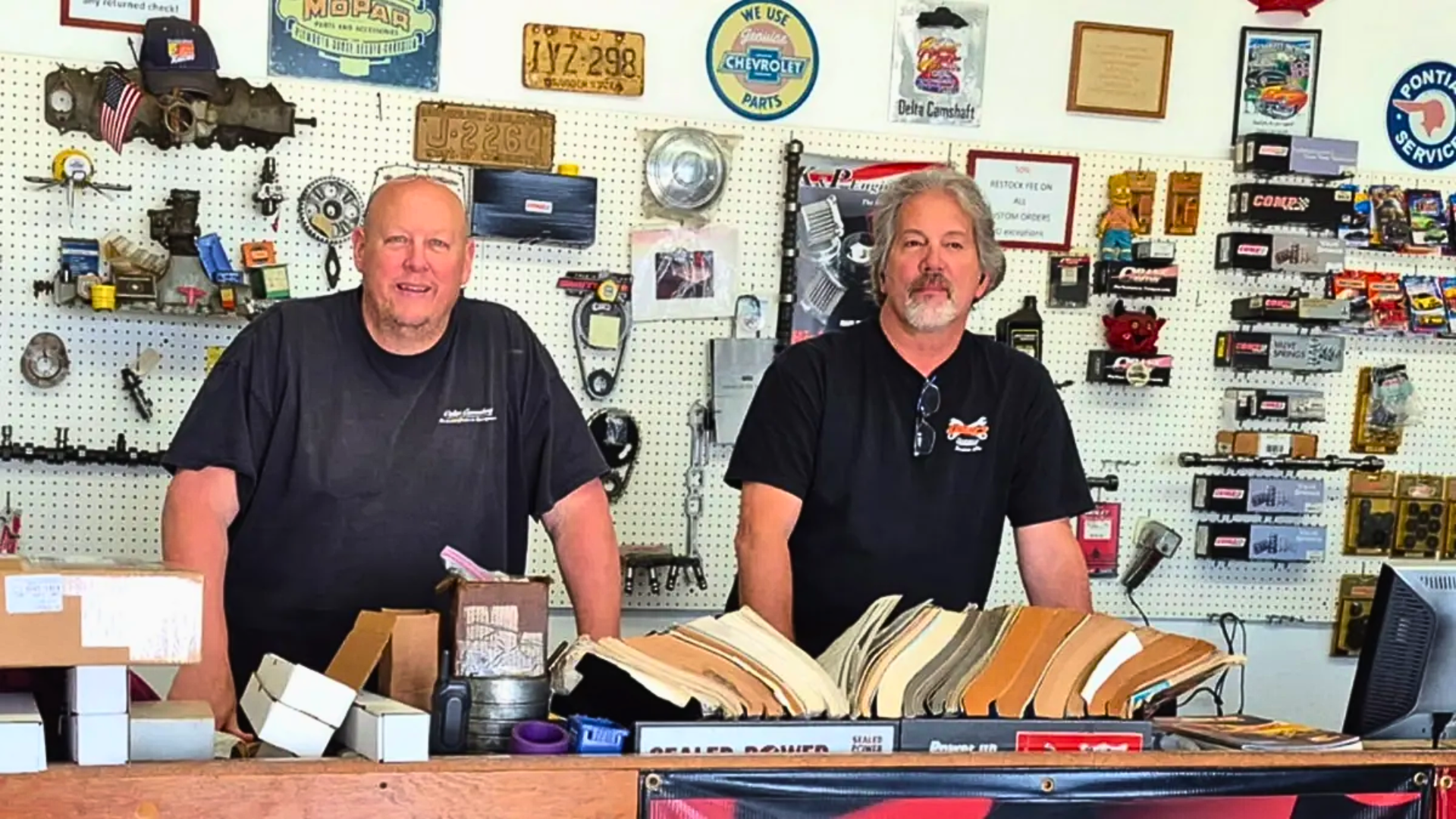

What causes a second-generation business to pack up nearly half a century of local history and leave its home state? For Delta Camshaft, a specialized automotive manufacturing and repair shop founded in 1977, the breaking point came after years of mounting operational hurdles in western Washington. In a decision that highlights the deep anxieties felt by many small business owners across the Pacific Northwest, the company announced it is abandoning its long-time base, pointing directly to a combination of escalating urban crime, soaring utility costs, and a shifting political landscape.
The owner of the company, Jon Bodwell, revealed that the financial and physical toll of operating the business in Tacoma had become completely unsustainable. Delta Camshaft specializes in manufacturing and grinding camshafts, which are critical engine components that regulate how fuel, air, and exhaust move through an internal combustion engine. Bodwell, 56, who has been managing serious heart and lung issues, admitted that the daily pressures of protecting his property had escalated to the point where he resorted to living inside the industrial shop facility to safeguard his machinery.
The breaking point for the manufacturer stems from a relentless, localized battle against property damage, vandalism, and broader public safety concerns. Bodwell explained that chronic graffiti and localized theft had caused the company’s property insurance premiums to skyrocket by 20 percent in recent years. Local law enforcement officers reportedly expressed frustration to the business owner, noting that the administrative paperwork required to document a low-level property crime often takes longer than the actual detention of an offender, leaving business owners feeling exposed and unprotected.
Utility Surges and Tax Pressures Compound Overhead Costs

Beyond the immediate challenges of urban decay, the manufacturing company faced a rapidly tightening economic squeeze from rising public utility rates. Industrial manufacturing requires a substantial, steady supply of electricity to run precision metal-grinding equipment and heavy machinery. Bodwell noted that his commercial power bills had been increasing by large increments, with regional utility updates indicating a 13 percent rate increase on the horizon, following a recent monthly cycle where his operational energy expenses nearly doubled without warning.
The steep rise in overhead costs has coincided with a highly contentious shift in regional fiscal policy. In March 2026, Washington state lawmakers successfully passed a major new tax package, which was officially signed into law by Governor Bob Ferguson on March 30. The legislation, widely referred to as the millionaires tax, established the state’s first-ever income tax framework, intentionally targeting high-earning individuals and large capital gains to generate public revenue for infrastructure and social programs.
While the tax is explicitly designed to impact only the wealthiest residents, small business advocates warn that the broader political climate is creating a strong chilling effect across the state’s commercial sectors. Critics of the legislation argue that taxing capital gains and high earners discourages local investment and drives independent wealth out of the region. Many mid-sized business owners express fear that these tax brackets will eventually be lowered, capturing smaller family-run corporations that are already struggling to balance their books.
A Growing Corporate Exodus From the Pacific Northwest
The relocation of Delta Camshaft is part of a broader, well-documented trend of businesses reconsidering their future in Washington. A recent comprehensive survey conducted by the Association of Washington Business revealed a striking level of discontent among the state’s commercial leadership. The data showed that 44 percent of surveyed business executives are actively considering moving their personal residences out of the state, while localized employers are now more than twice as likely to plan corporate expansions outside of Washington rather than within it.
The Pacific Northwest’s struggle with business retention has been heavily fueled by public metrics regarding urban safety. According to comparative federal data, major urban hubs in the region have ranked among the worst in the country for property crime and overall public disruption out of the nation’s thirty largest municipalities. Long-time business owners note that downtown commercial markets have become saturated with real estate listings as companies quietly pull out of the region to find more predictable economic environments.
The estimated cost for Delta Camshaft to physically pack up its specialized industrial grinding machinery and relocate its entire inventory to a new home is expected to exceed $100,000. Despite the heavy initial financial hit, Bodwell expressed confidence that the business will quickly recoup the capital losses once established in a state with a more favorable regulatory framework. He expressed regret only for not selling the physical Tacoma real estate years prior, before the local market experienced a sharp downturn.
Navigating the Future of American Small Business
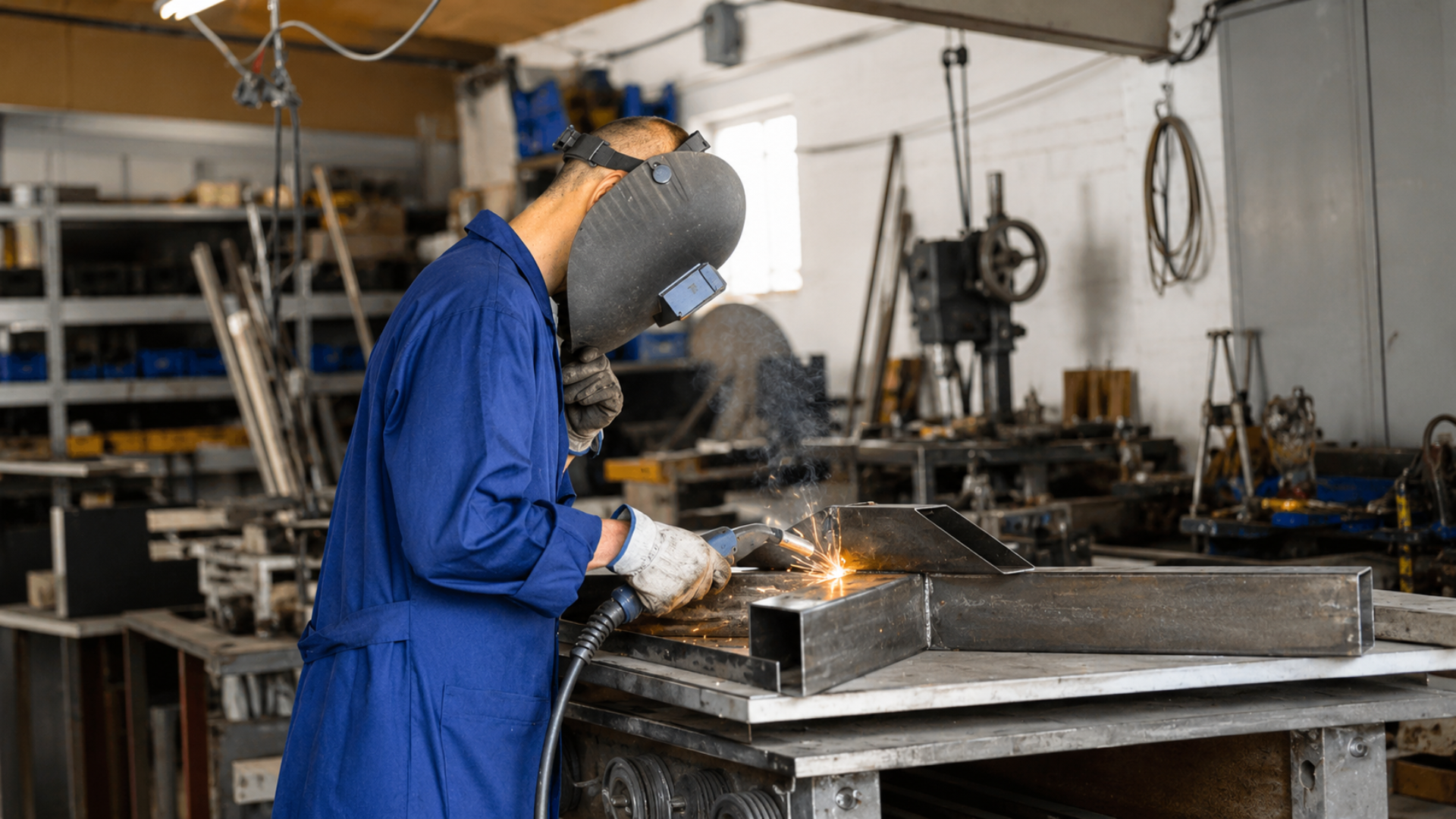
The departure of a 48-year-old automotive pillar highlights the changing landscape facing classic blue-collar trades across the United States. Businesses like Delta Camshaft provide vital, highly technical services for independent automotive mechanics, engine rebuilders, and restoration hobbyists who depend on affordable, domestic machine shops to keep older vehicles operational. As these long-standing industrial businesses relocate or close down, everyday consumers face longer lead times and higher shipping costs for specialized parts.
The situation highlights a massive disconnect between small business owners and the municipal leadership tasked with managing urban centers. Bodwell reflected that if his physical health were better, he would have chosen to run for public office to directly combat the policies he believes are dismantling the local economy. His story has resonated deeply with commercial coalitions across the country, serving as a real-world case study of how localized crime and aggressive tax policies can dismantle a multi-decade family legacy.
Delta Camshaft’s transition marks the end of an era for its long-time Washington customers, but the company emphasizes that its production lines are not shutting down permanently. As the brand updates its digital platforms to manage the long-distance move, the manufacturing team remains focused on serving its national customer base from its new location. For Washington, the departure stands as a sobering reminder of the tangible economic costs that occur when small business owners decide that the price of staying is simply too high to bear.