Scientists Track Newly Discovered Asteroid Set for Close Earth Encounter Next Week


Scientists around the world are tracking a newly discovered asteroid called 2026 JH2 that is expected to pass unusually close to Earth next week. According to astronomers monitoring near-Earth objects, the asteroid will make its closest approach on May 18, passing roughly 56,000 miles from Earth. In astronomical terms, that distance is extremely close, only about one-quarter of the distance between Earth and the Moon. Despite the dramatic headlines surrounding the flyby, scientists say there is no risk of impact during this encounter.
The Asteroid Was Discovered Only Days Before Arrival
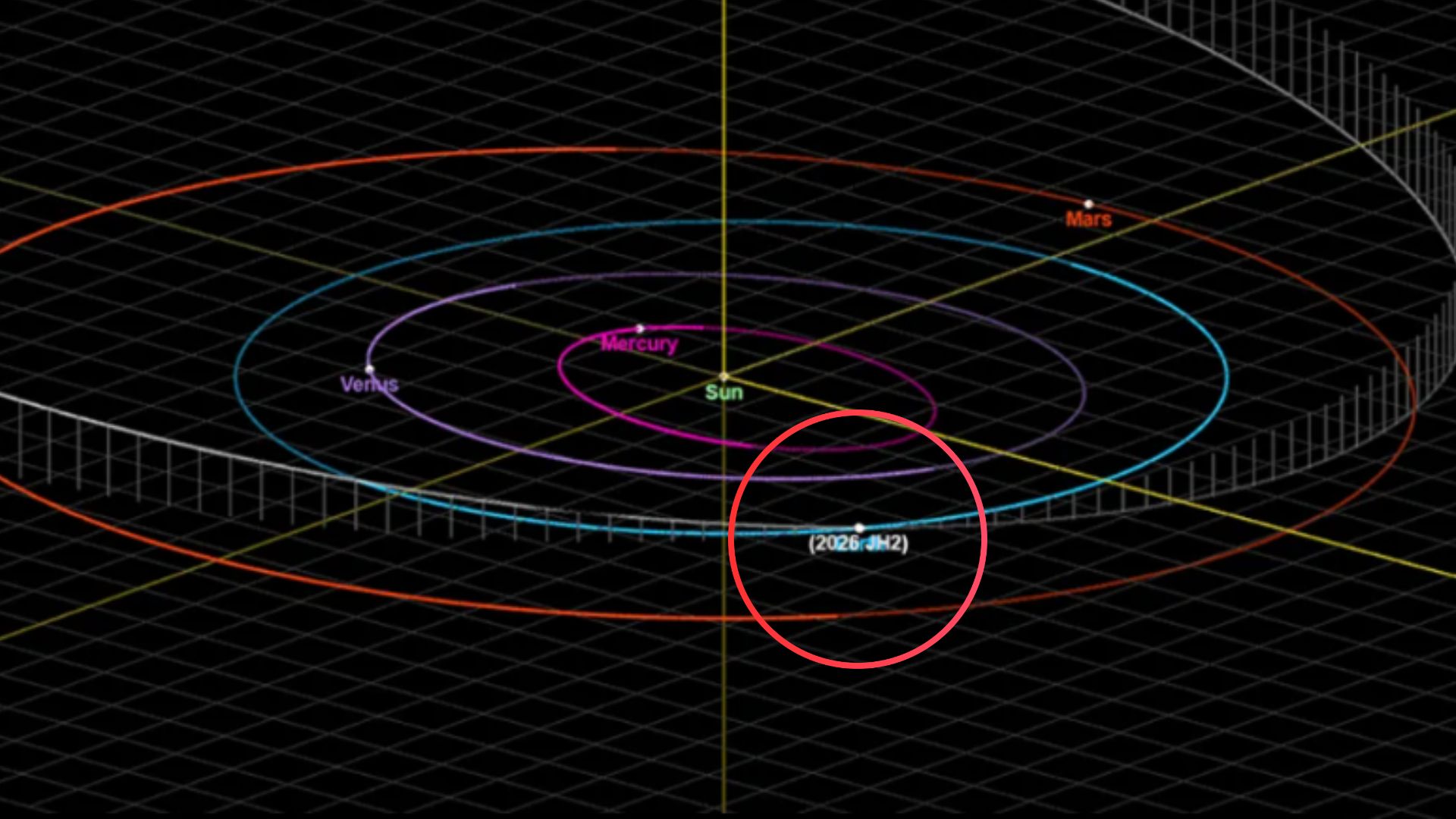
One reason the flyby has attracted attention is how recently the asteroid was detected. Researchers identified 2026 JH2 only days before its approach, highlighting the ongoing challenge of spotting relatively small but fast-moving objects in space. NASA and observatories worldwide constantly scan the skies for near-Earth objects, yet smaller asteroids can remain difficult to detect until they move close to the planet. Scientists say this late discovery does not indicate a failure in planetary defense systems, but it does demonstrate why astronomers continue pushing for more advanced sky surveys and tracking technology.
2026 JH2 Is Roughly The Size Of A Bus

Current estimates suggest the asteroid measures between roughly 50 and 115 feet across, placing it in the range of a large bus or small building. That makes it far smaller than the giant asteroids capable of causing global extinction events, but still large enough to create serious regional damage if it ever struck Earth. Experts compared its potential impact energy to the 2013 Chelyabinsk meteor that exploded over Russia, injuring more than 1,000 people after shock waves shattered windows across the city.
Scientists Say The Flyby Is Exceptionally Close
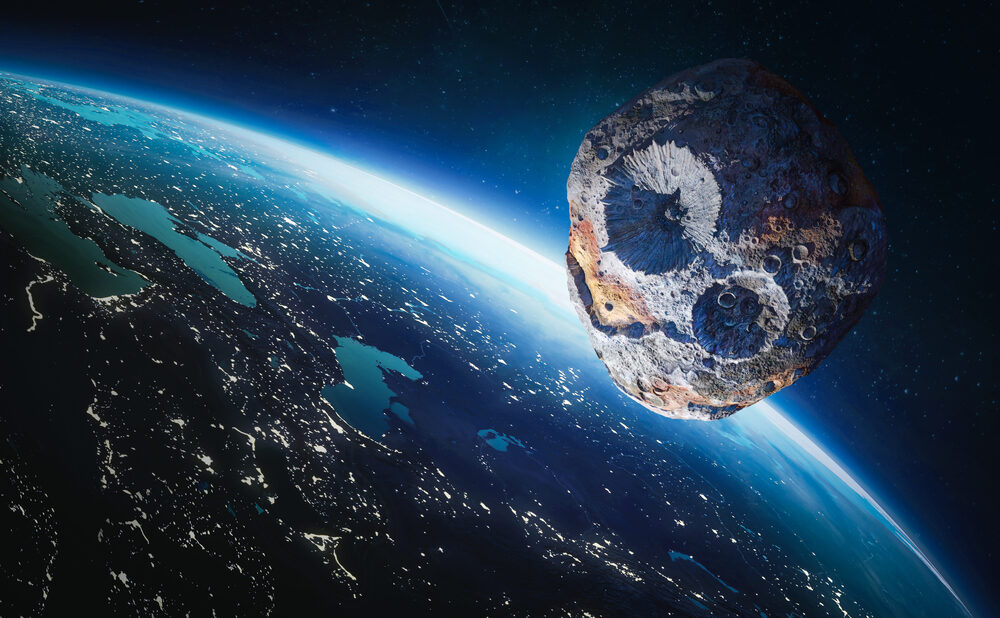
Astrophysicists described the encounter as one of the closest asteroid flybys ever recorded without a collision. Mark Norris, an astrophysicist interviewed by New Scientist and cited by several outlets, said the object is approaching “as close as you can get without hitting.” Encounters at this distance remain rare enough to draw intense scientific interest because they allow astronomers to study an asteroid’s movement, brightness, rotation, and surface characteristics in unusual detail.
NASA Tracks Thousands Of Near-Earth Objects
NASA’s Jet Propulsion Laboratory regularly monitors near-Earth objects through its Asteroid Watch program, which tracks asteroids expected to pass within several million miles of Earth. The agency currently monitors thousands of known objects, with new discoveries added frequently as telescopes improve. NASA defines a “potentially hazardous object” as one large enough and close enough to merit long-term observation, although most objects tracked never pose an actual impact threat. The close passage of 2026 JH2 serves as another example of why these monitoring systems exist.
Near Misses Happen More Often Than Many Realize
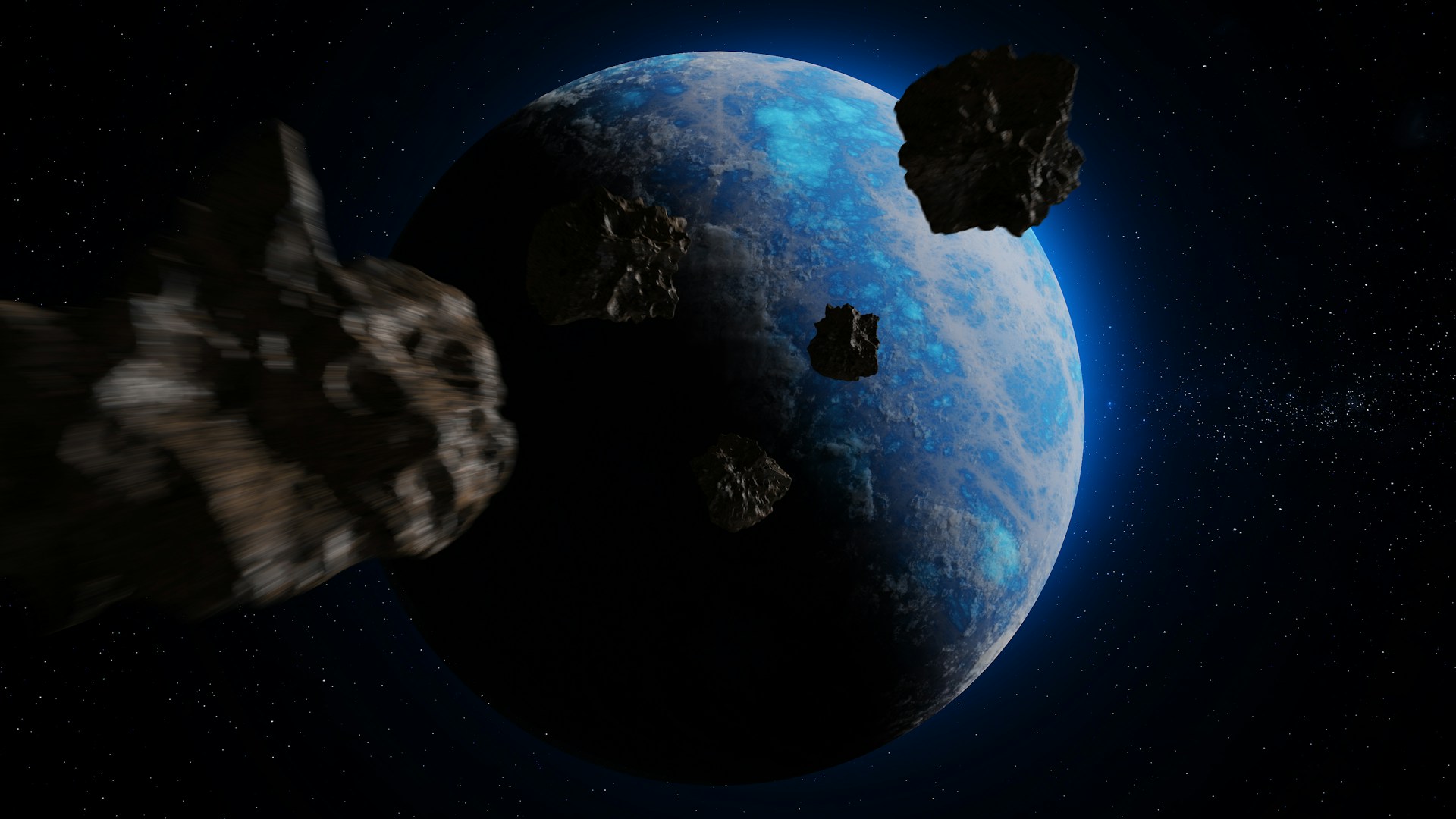
While the latest asteroid is generating headlines, astronomers note that near-Earth flybys occur regularly. NASA expects dozens of objects to pass within lunar distance of Earth each year. Most are harmless and burn up harmlessly if they enter the atmosphere. Still, each close approach provides valuable data for researchers studying orbital paths and collision probabilities. The increased attention surrounding asteroid tracking in recent years has also led to broader public awareness about planetary defense programs and space monitoring efforts.
Planetary Defense Has Become A Serious Scientific Priority

The growing focus on asteroid detection has led to major investments in planetary defense technology. In 2022, NASA successfully tested the Double Asteroid Redirection Test, or DART mission, which intentionally crashed a spacecraft into an asteroid moonlet to alter its orbit. The mission marked the first successful demonstration that humans could potentially deflect an asteroid threatening Earth. Scientists now view missions like DART as proof that asteroid defense has moved from science fiction into practical research and planning.
Amateur Skywatchers May Get A Chance To Observe It
Astronomy enthusiasts may be able to watch the asteroid during its approach using telescopes or high-powered binoculars, depending on weather and viewing conditions. The Virtual Telescope Project plans to livestream the flyby online, allowing viewers worldwide to follow the event in real time. Scientists say public interest in close flybys often helps increase awareness about astronomy and space science, especially when a newly discovered object passes so near Earth.
The Flyby Also Reveals Limits In Detection Systems
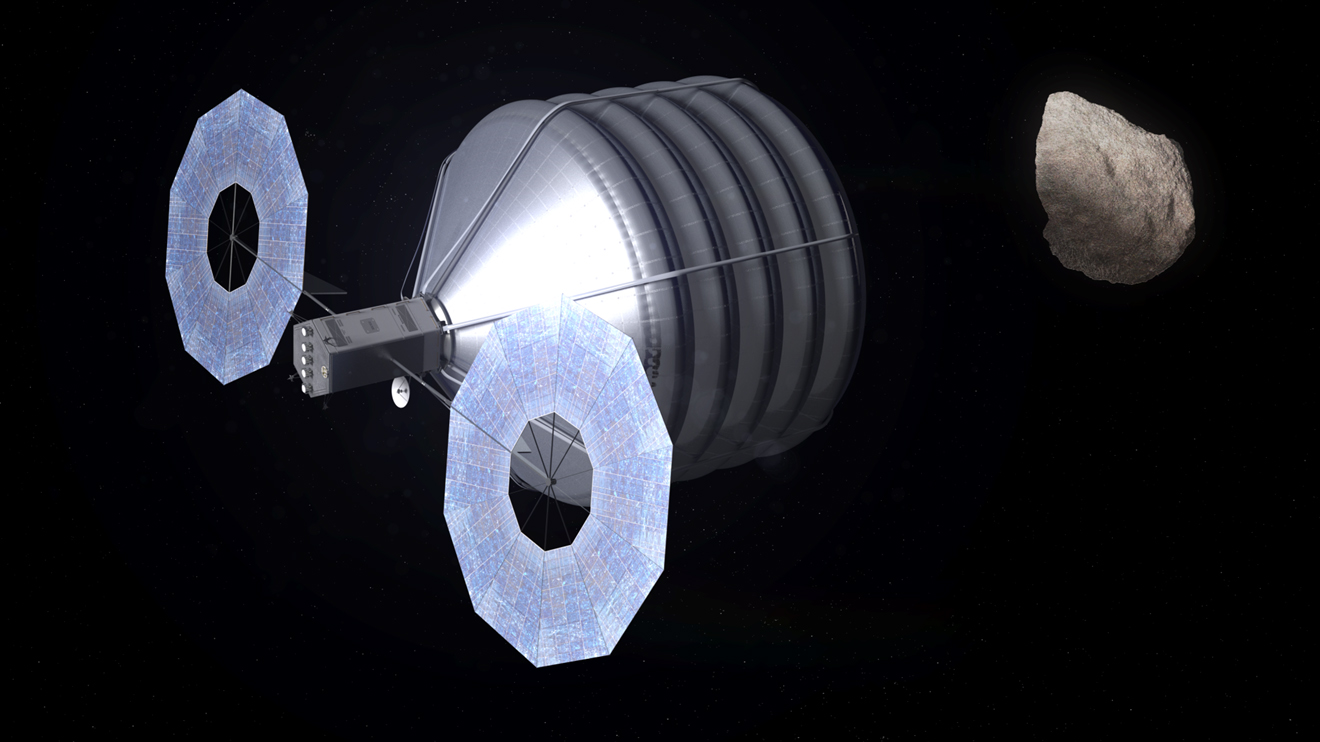
Even though 2026 JH2 poses no threat, its late discovery has renewed debate about blind spots in global asteroid detection systems. Smaller asteroids are harder to spot because they reflect less sunlight and may approach from directions difficult for ground-based telescopes to monitor. NASA, the European Space Agency, and private observatories are working on next-generation detection systems designed to identify more near-Earth objects earlier. Future space-based infrared observatories could significantly improve scientists’ ability to detect dangerous objects before they approach Earth closely.
Scientists Expect More Attention On Asteroid Monitoring Ahead
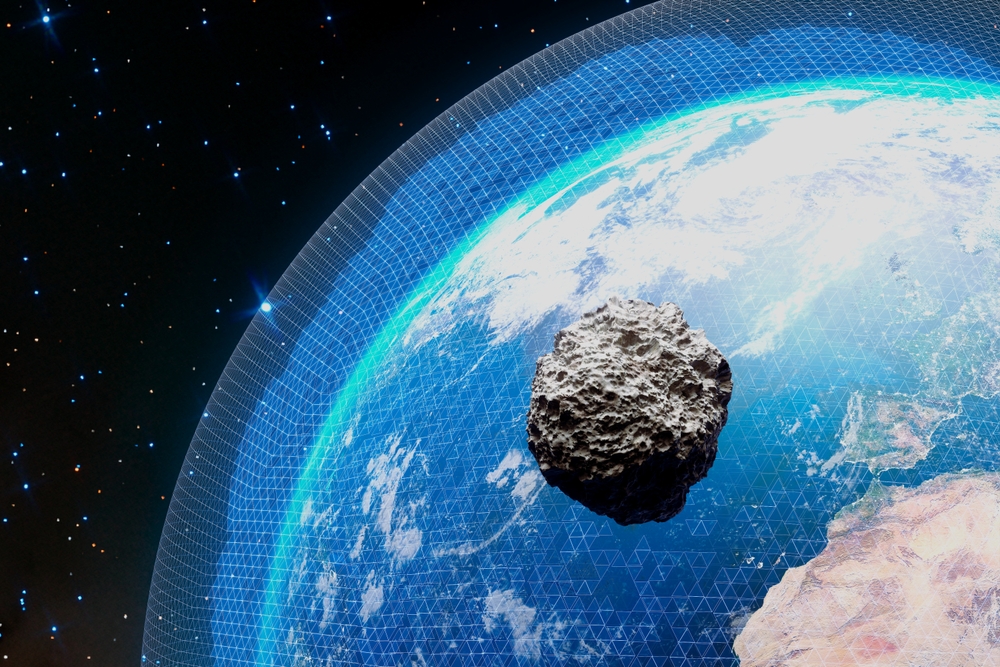
The close approach of 2026 JH2 comes as astronomers prepare for several major asteroid encounters later this decade, including the highly anticipated 2029 flyby of asteroid Apophis. That much larger asteroid will pass closer to Earth than some satellites, creating one of the most studied astronomical events in modern history. Researchers say each smaller flyby like 2026 JH2 provides important practice for tracking, analyzing, and preparing for future encounters. While next week’s asteroid will safely pass Earth, scientists argue it serves as another reminder that the solar system remains an active and closely watched environment.