Study Finds U.S. Rainfall Is Becoming More Intense, Raising Flood Risks
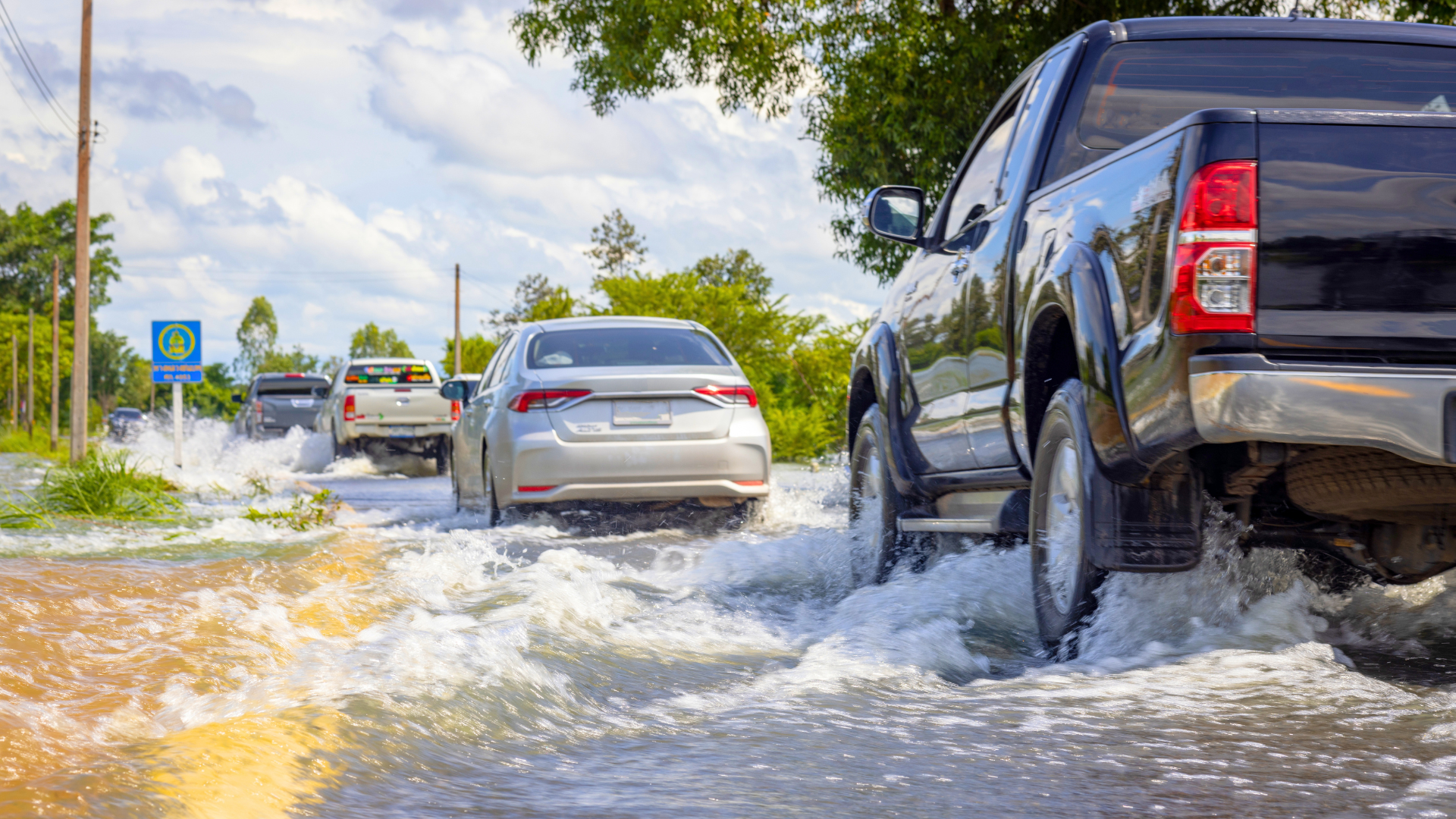

Scientists are warning that rainfall across the United States is becoming more intense, increasing the likelihood of dangerous flooding events in many regions. New research suggests that warmer temperatures linked to climate change are allowing the atmosphere to hold more moisture, leading to heavier downpours when storms develop. Experts say the trend is already contributing to worsening flood disasters in cities, coastal communities, and inland regions alike. The findings are raising concerns about whether current infrastructure is prepared for a future shaped by stronger and more unpredictable rainfall patterns.
Warmer Air Is Holding More Moisture

Climate scientists explain that rising global temperatures allow the atmosphere to retain larger amounts of water vapor before releasing it as precipitation. According to environmental researchers, every degree of warming increases the atmosphere’s moisture-holding capacity, creating conditions for more powerful rainfall events. This process intensifies storms and can dramatically increase the amount of rain falling in short periods. Experts say this is one of the clearest ways climate change is altering weather systems around the world.
Heavy Downpours Are Becoming More Common
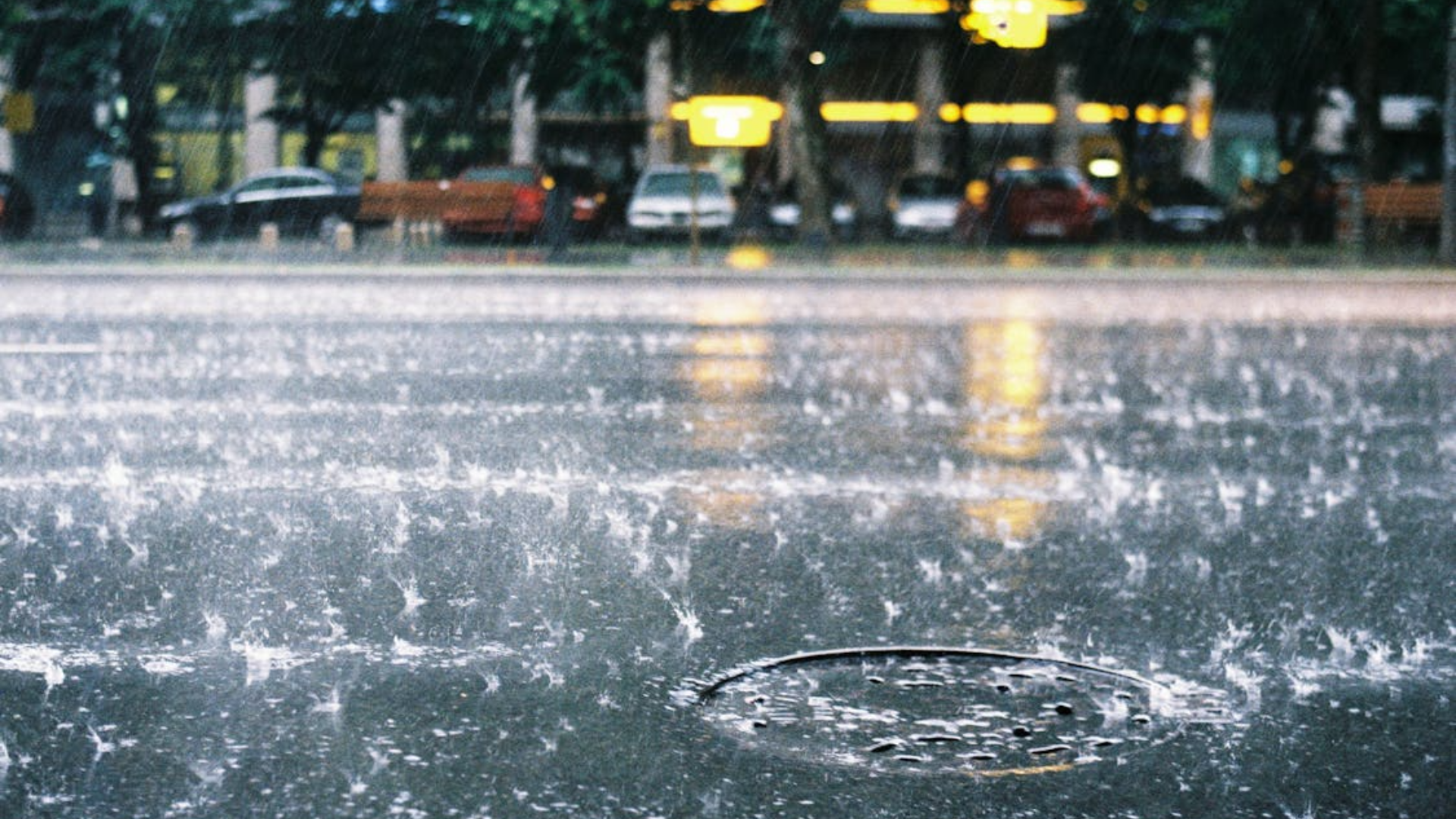
Researchers say short bursts of extremely heavy rain are becoming more frequent across parts of the United States. These intense rainfall events can quickly overwhelm storm drains, flood roads, and inundate neighborhoods before water has time to recede. Studies also show that extreme precipitation is increasing faster than average rainfall totals in many regions. Scientists warn that communities built around older climate patterns may now face growing risks.
Flood Risks Are Expanding Across the Country
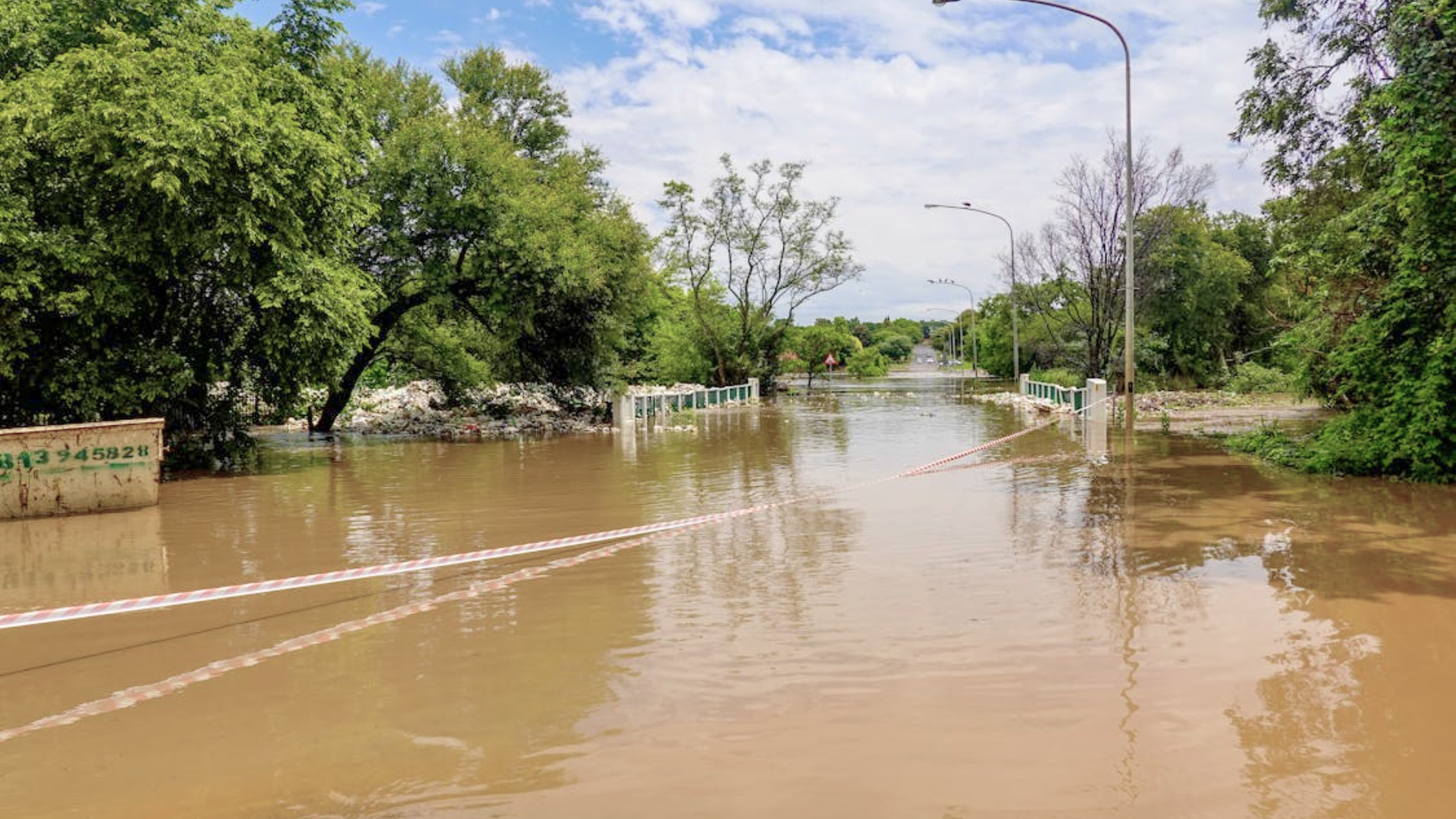
Flooding is already considered the most expensive weather-related disaster category in the United States, costing billions of dollars annually. New studies suggest that flood-prone zones are expanding as rainfall patterns shift and storms become more intense. Researchers recently identified more than 17 million Americans living in areas at very high flood risk along the Atlantic and Gulf coasts alone. Experts say future flooding may affect regions that historically faced fewer major flood events.
Cities Face Growing Infrastructure Pressure
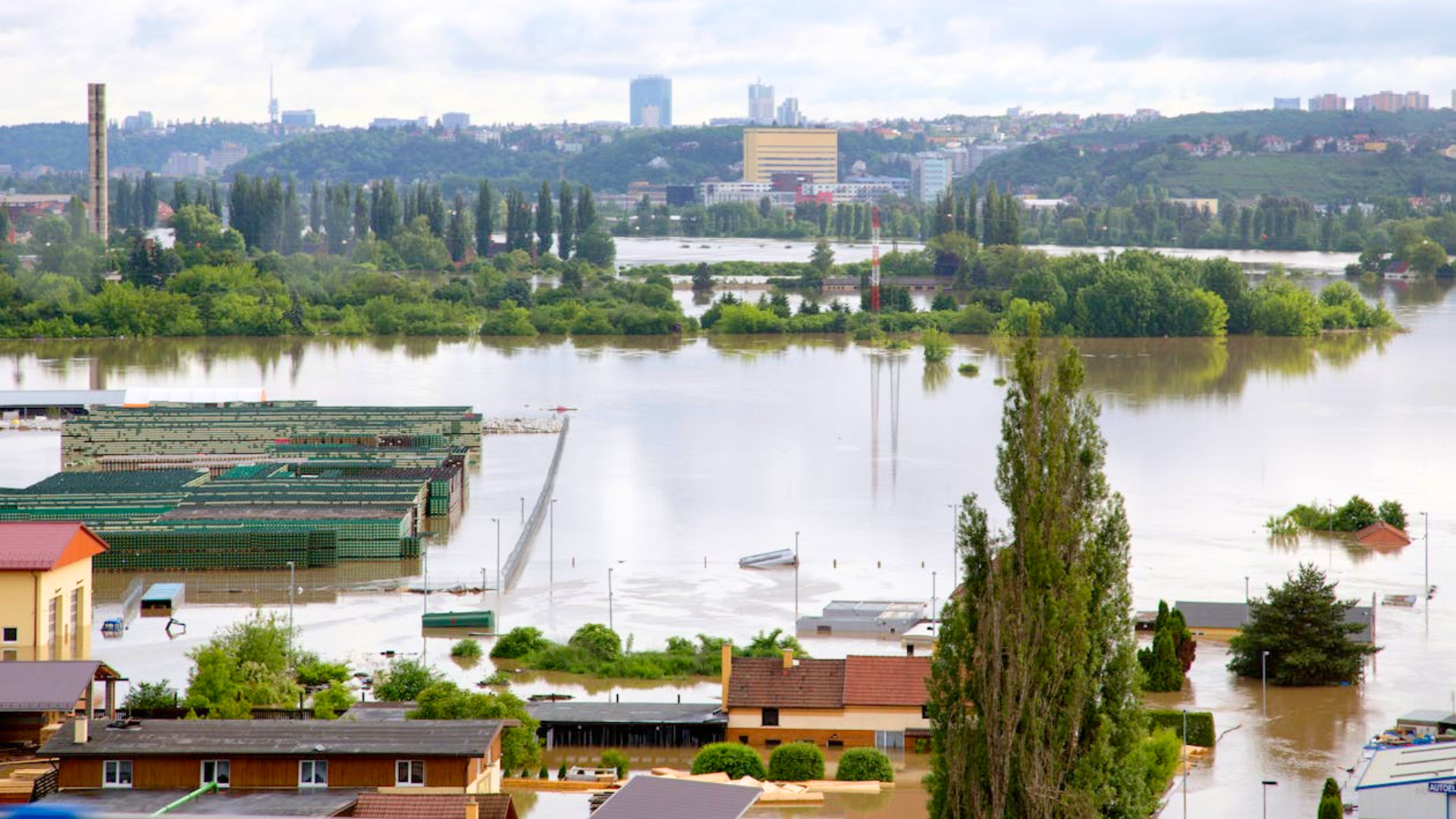
Many stormwater systems, levees, and drainage networks across the United States were designed decades ago using outdated rainfall assumptions. Scientists warn that modern storms are increasingly exceeding the capacity of aging infrastructure systems. Urban development has also replaced natural land surfaces with pavement and concrete, reducing the ground’s ability to absorb rainwater. This combination is increasing the likelihood of flash flooding in densely populated areas.
Coastal Cities Face Especially High Risks
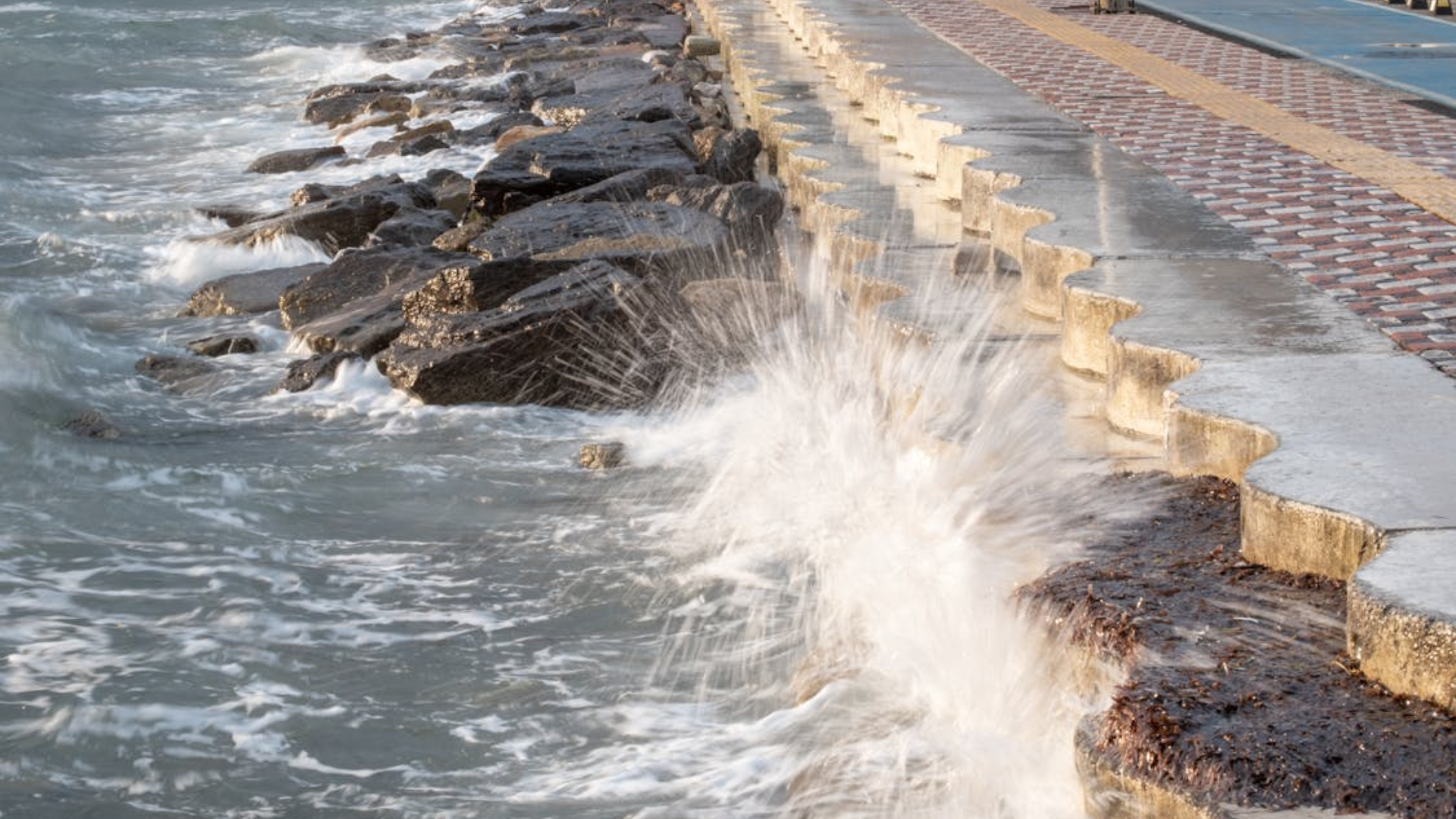
Several coastal cities are now considered particularly vulnerable to worsening flood threats tied to sea level rise and stronger rainfall events. Recent studies highlighted cities including New York, Houston, Miami, New Orleans, and Norfolk as areas facing severe long-term flood risks. In some locations, nearly entire populations could be exposed to extreme flood damage during major storm events. Researchers say rising seas and heavier rain are creating dangerous compound flooding scenarios.
Flash Flooding May Become More Dangerous

Scientists believe climate change could make flash floods more intense and unpredictable in coming decades. Research suggests that future floods may become “flashier,” meaning water rises faster and spreads more suddenly following heavy rainfall. These conditions increase danger for drivers, homeowners, and emergency responders who may have less time to react. Experts say communities will need improved warning systems and updated emergency planning to adapt.
Vulnerable Communities Could Face the Worst Impacts
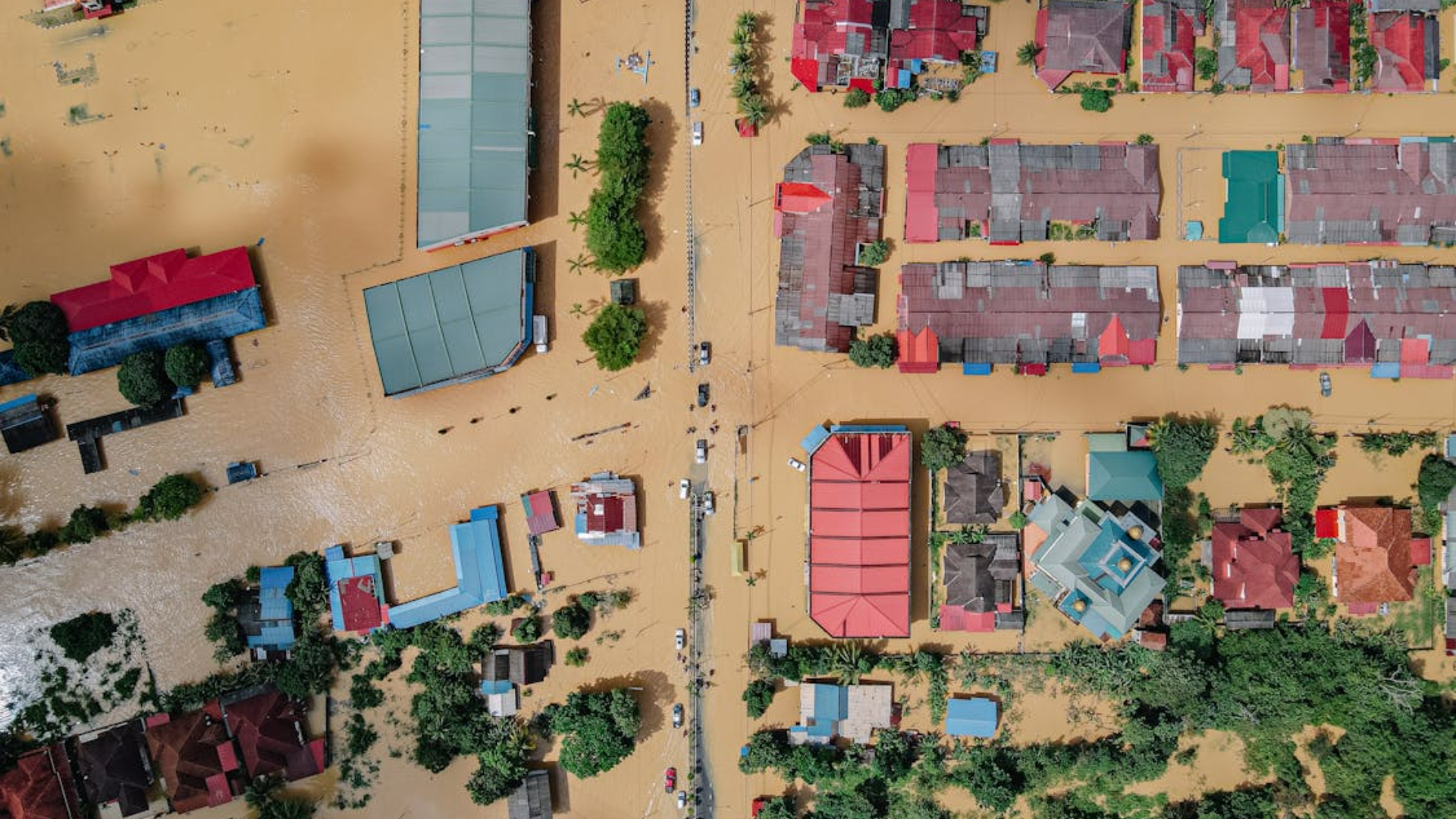
Flood experts warn that lower-income communities and elderly populations often face the greatest risks during major flooding events. Many vulnerable neighborhoods lack adequate flood defenses, modern drainage systems, or financial resources needed for recovery. Researchers say flood insurance costs are also rising in some high-risk regions, creating additional economic pressure for residents. Climate scientists emphasize that social vulnerability plays a major role in determining who suffers most during disasters.
Researchers Call for New Flood Prevention Strategies
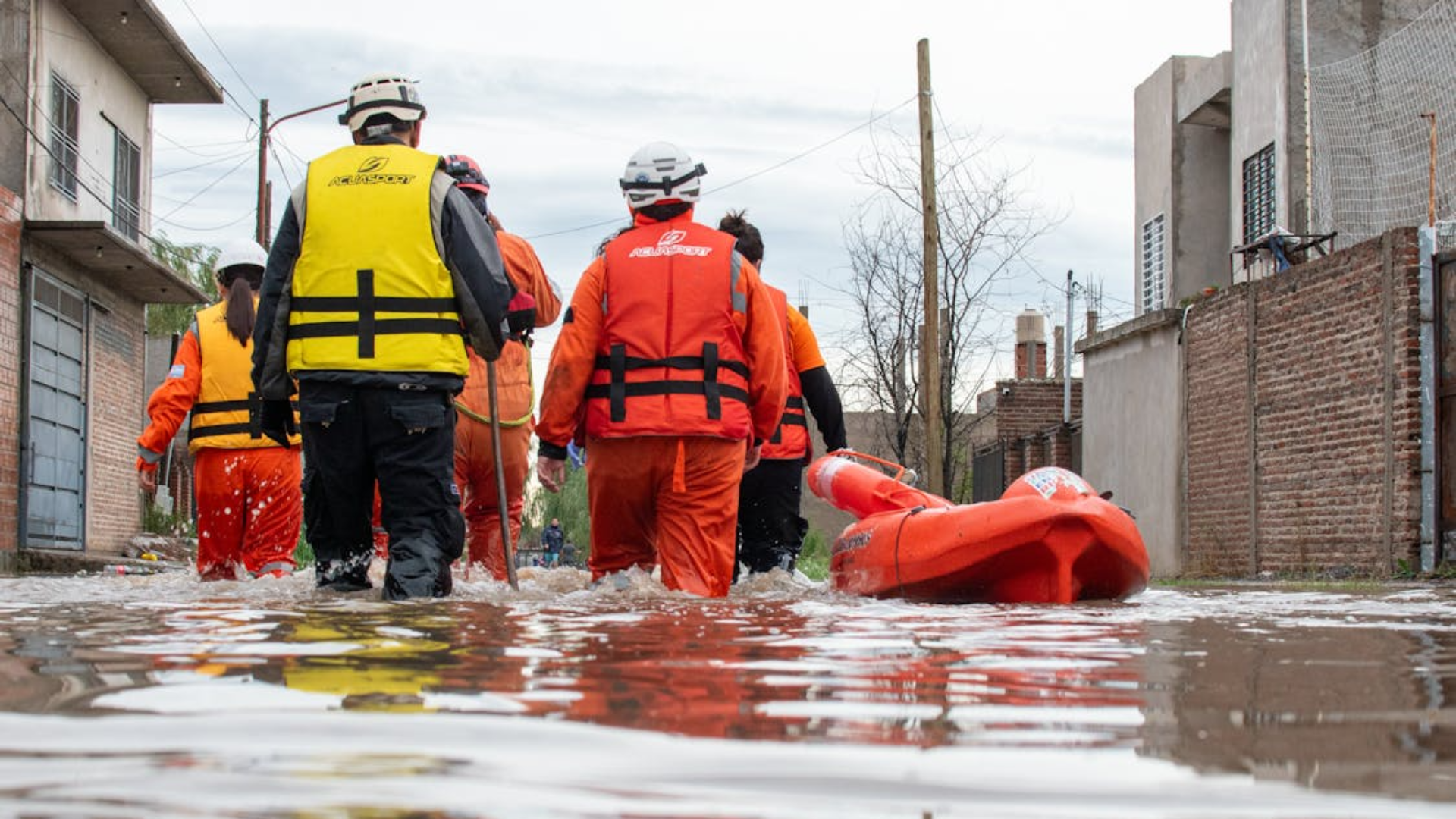
Scientists and urban planners are increasingly recommending nature-based flood defenses alongside traditional infrastructure projects. Wetland restoration, permeable pavement, expanded green spaces, and improved drainage systems can help absorb excess rainfall and reduce runoff. Experts argue that cities must adapt quickly as extreme rainfall becomes more common. Many researchers say future planning should focus on resilience rather than relying on historical weather patterns alone.
Extreme Rainfall May Be the New Normal
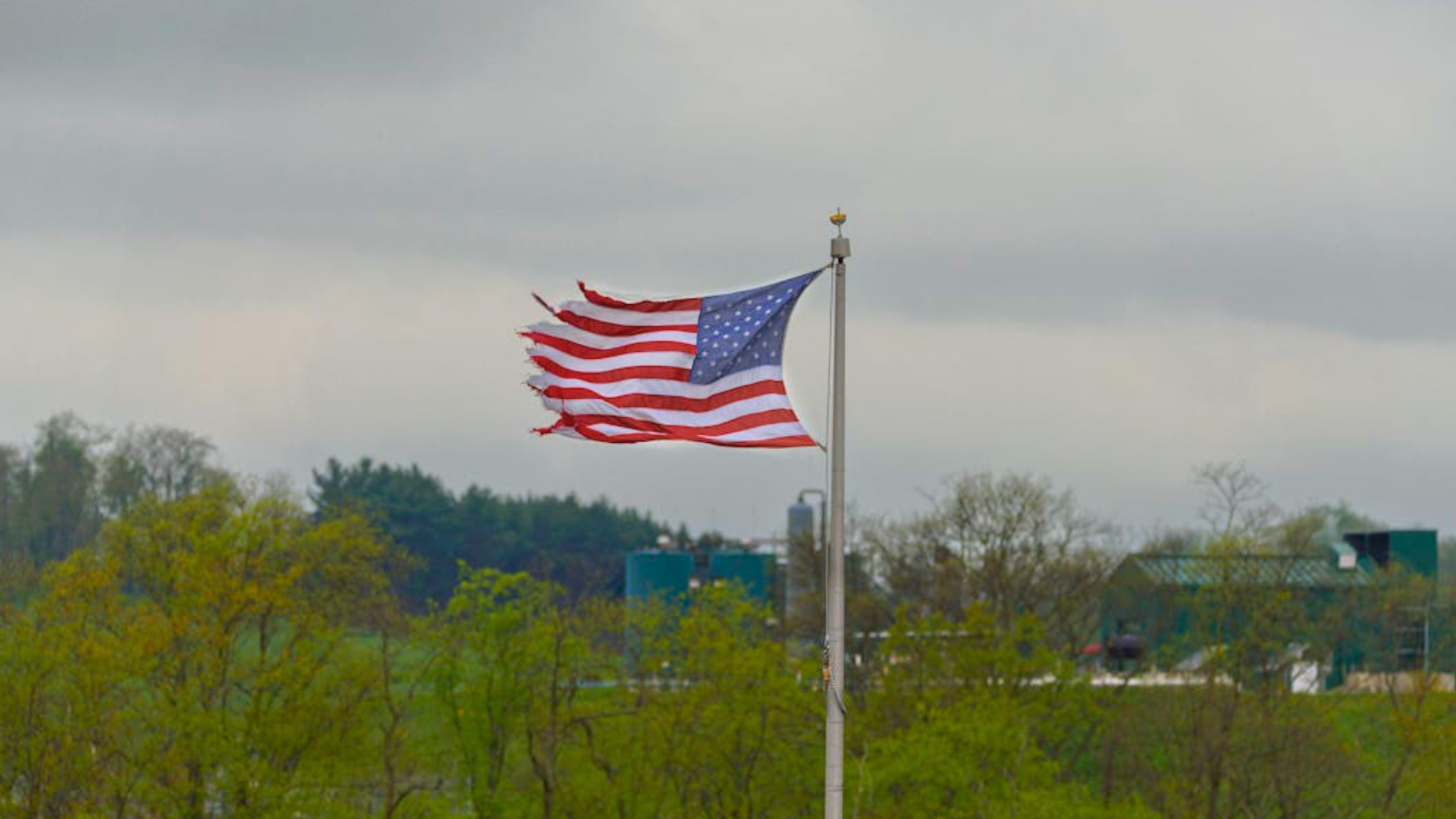
The growing intensity of rainfall across the United States is becoming one of the clearest warning signs of a changing climate. Scientists say heavier downpours, expanding flood zones, and more frequent flash flooding could reshape how communities prepare for severe weather in the future. While researchers continue studying the long-term impacts, many experts agree that the risks are already increasing today. The findings are adding urgency to calls for stronger infrastructure, smarter urban planning, and broader climate adaptation efforts nationwide.