Cell Phone Data Reveals Sharp 42% Drop In Canadian Visits To U.S. Cities


Canadian visits to American cities did not just slow down over the past year. A new analysis from the University of Toronto’s School of Cities tracked cell phone activity and found a 42% year-over-year median decline in Canadian visits to U.S. metropolitan areas. That figure is strikingly higher than the 25% drop recorded by official border crossing statistics, raising urgent questions about what American cities and businesses are actually losing.
The research was conducted by Karen Chapple, director of the School of Cities, alongside colleagues Yihoi Jung and Jeff Allen. Their method, tracking anonymous cell phone signals rather than relying on border entry records, captured a far wider picture of movement across the two countries. The data covered April 2024 through March 2026, giving researchers a clear before-and-after view of how Canadian travel patterns shifted once Trump-era trade tensions escalated. The gap between the two measurements suggests official data has been missing a significant portion of the decline.
The backdrop matters. Since President Donald Trump imposed a 25% tariff on most Canadian imports in early 2025, and repeatedly suggested Canada should become the 51st U.S. state, Canadian sentiment toward the U.S. soured sharply. A Politico poll of 2,000 Canadian adults found that 58% no longer considered the U.S. a reliable ally.
It’s Not Just Tourist Cities Feeling the Pinch

When Canadian visits to Las Vegas and Orlando fall, it is easy to call it a tourism slump. But the University of Toronto data tells a more complicated story. Cities not typically associated with leisure travel, including New York, Los Angeles, San Francisco, Dallas, and Houston, were among the hardest hit. According to Chapple, “The top 20 cities were a number of big metros that aren’t exactly known as, you know, big tourist areas.” That pattern points to something beyond vacationers deciding to skip a beach trip.
Dallas recorded a nearly 50% year-over-year drop in Canadian visitors. Houston, a major hub for the energy and finance sectors, saw comparable declines. These are cities where much of the Canadian foot traffic comes from professionals attending meetings, conferences, and work-related events, not families on holiday. The cell phone data, which captures all movement regardless of purpose, exposed a category of loss that standard tourism surveys are not designed to detect: the vanishing business traveler.
Chapple described the phenomenon simply. “I fly to San Francisco all the time,” she said. “It’s a tech flight to San Francisco — that’s who’s with me on the flight.” Her point was direct: the declines at high-tech and financial centers reflect a retreat by professionals, not just tourists. According to the U.S. Travel Association, business travel makes up about 20% of total visits to the U.S. but generates roughly 60% of air and lodging revenue, because business travelers spend more on hotels, dining, and conference facilities than leisure visitors do.
Factory Towns and Auto Corridors Are Taking the Hardest Hits
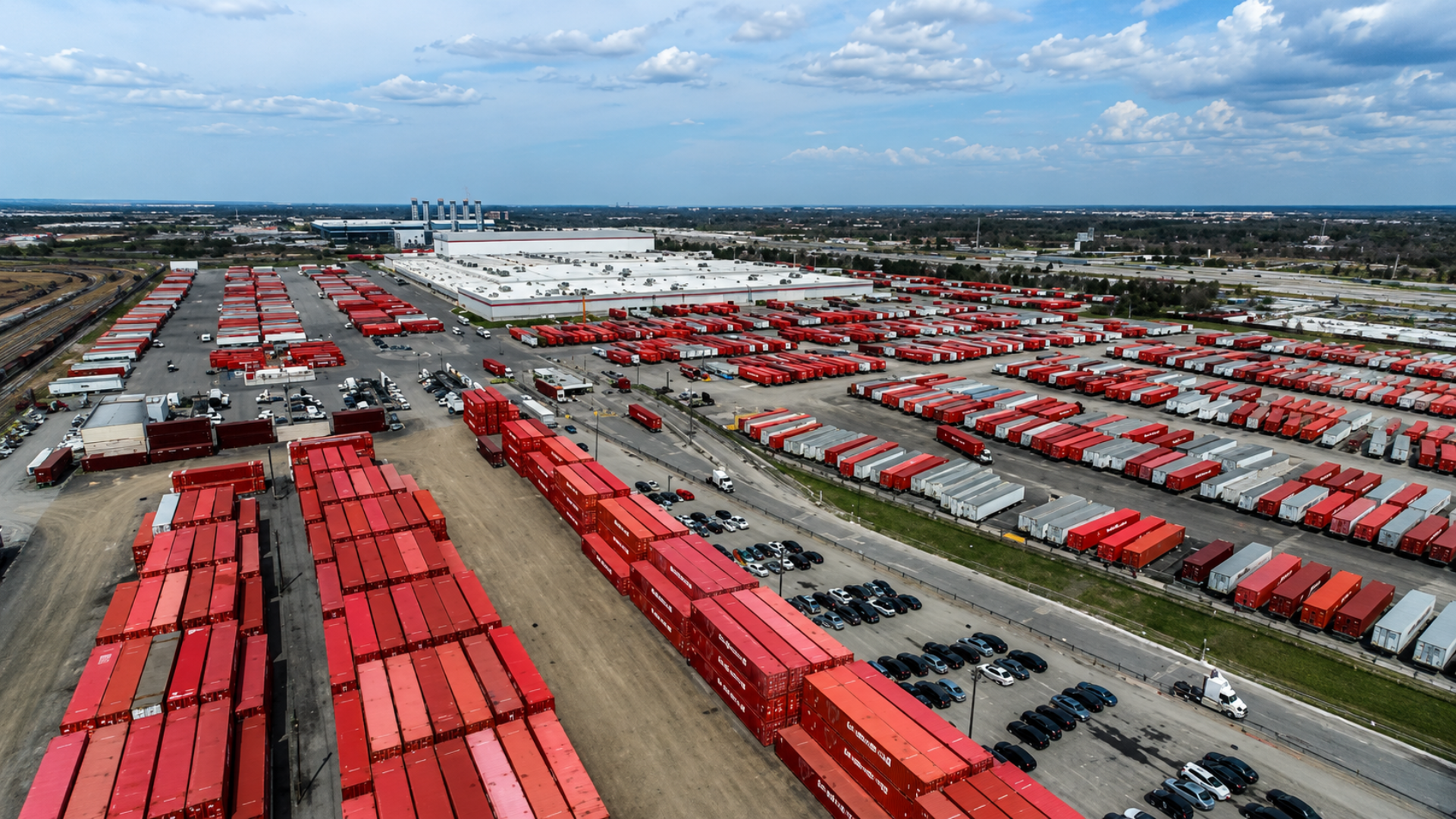
Among the most striking findings in the University of Toronto study were the numbers coming out of mid-sized industrial cities. Grand Rapids, Michigan recorded a 53% drop in Canadian visitors, the second-largest decline of any city in the dataset. Flint, Michigan also registered significant losses. Both cities have deep ties to Ontario’s automotive industry, and researchers pointed directly to tariff policy as the likely cause, noting that shifting trade rules had disrupted cross-border work and business relationships built over decades.
The researchers wrote that “Grand Rapids, which has close ties to the automotive industry in Ontario, has experienced the second-largest drop in visitation, likely due to the tariffs.” This is a different kind of economic injury than empty hotel pools in Orlando. These are supply chains, supplier visits, and industry partnerships quietly unraveling. The ripple effects extend into local restaurants, rental car companies, and small hotels that depend on a steady flow of cross-border professionals, not seasonal tourists.
The broader cost is coming into focus. The Center for Economic and Policy Research found that by mid-2025, businesses in areas with the highest proportion of Canadian visitors had roughly 6% fewer employees compared to less exposed markets, translating to between 14,000 and 42,000 lost jobs. Of the 267 cities covered in the University of Toronto analysis, only three saw Canadian visits increase over the period. The rest recorded losses, with some tourist-heavy destinations losing as much as 65% of their Canadian traffic.
A Shift That Could Outlast the Policy That Started It
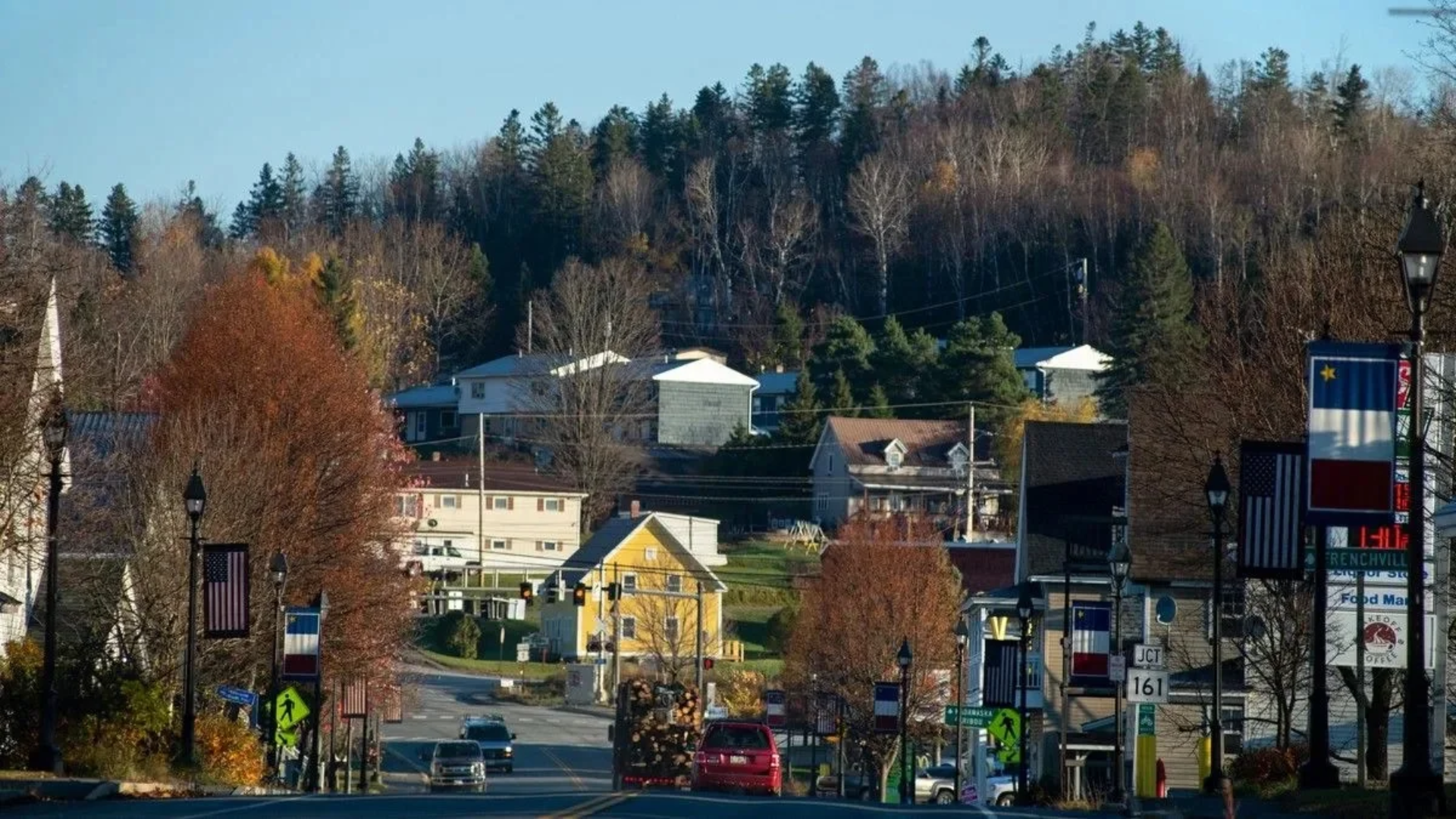
The economic math is unambiguous. Canadian tourism generated $20.5 billion for the U.S. economy in 2024 and supported 140,000 American jobs. The U.S. Travel Association has estimated that even a 10% reduction in Canadian visits would cost $2.1 billion in lost spending and eliminate 14,000 positions. The drop recorded is now four times that threshold. One business owner in Maine described 2025 as worse than any year he had experienced, including the COVID-19 pandemic, after Canadian foot traffic to his shop fell by roughly half.
Chapple’s team was careful to note that some recent data suggests a modest bounce-back in Canadian visits. But she was clear-eyed about what the broader trend represents. “It is indicative of a beginning of a shift that could continue,” she told Fortune. That shift is already being reinforced by structural changes: Canada has been actively expanding trade ties with the European Union, China, and India, which could gradually redirect Canadian business travel away from American cities regardless of whether tariffs are ultimately resolved.
The pandemic offers a cautionary precedent. After COVID-19 decimated cross-border movement, it took roughly three years for Canadian visits to U.S. cities to recover to pre-pandemic levels. If the current decline follows a similar timeline, entire tourism seasons and thousands of businesses may not survive the wait. Whether this is a temporary rerouting driven by political anger, or the early phase of a lasting realignment between two countries that have been each other’s closest partners for generations, may be the most consequential economic question neither government is yet willing to answer directly.