Investigation Finds Georgia Officials Knew About Toxic Water Pollution From Carpet Mills for Years But Took Little Action
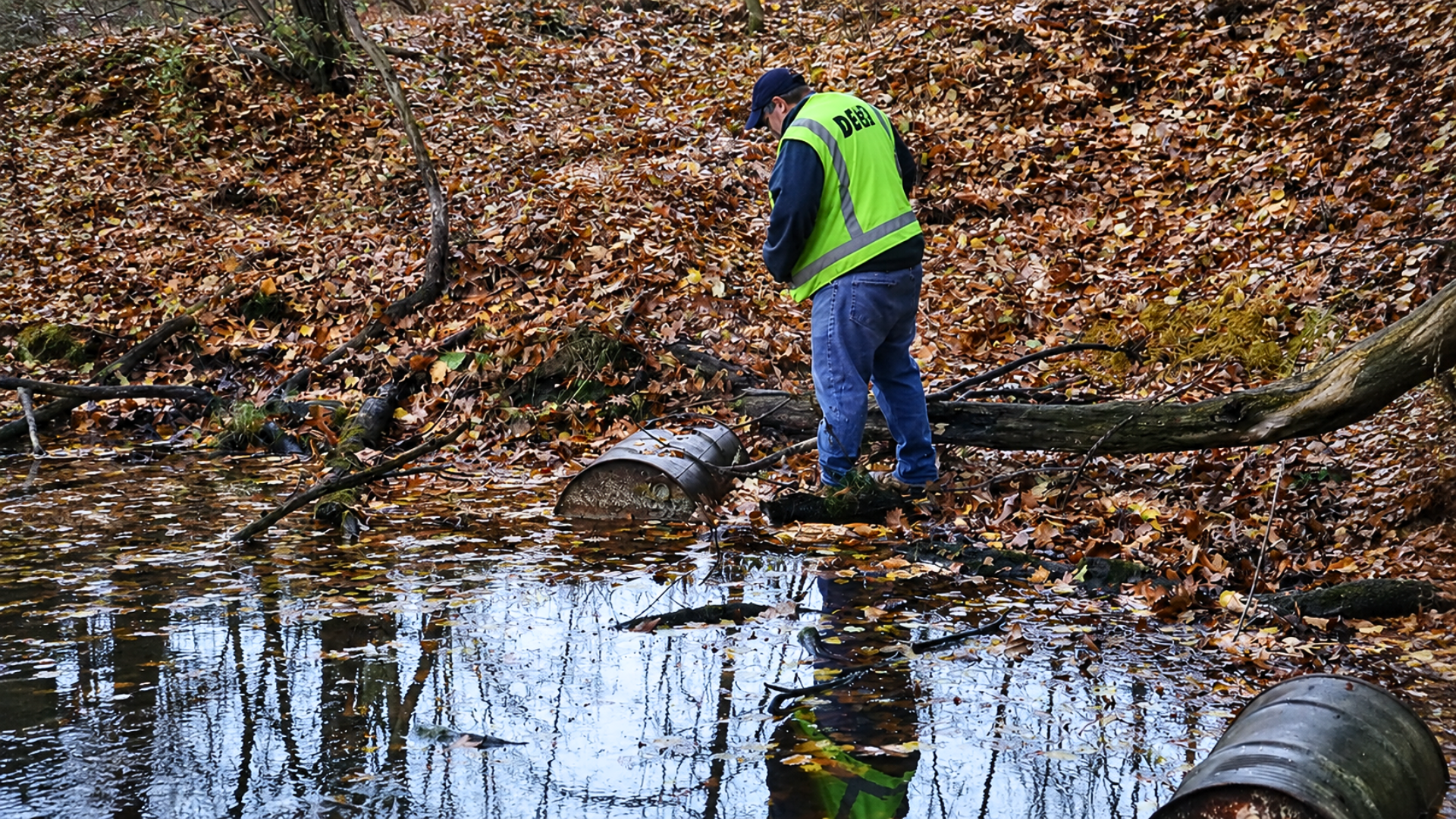

Stormy Bost drank the tap water in Calhoun, Georgia her entire life, and made sweet tea from it for her children. At 34, she has been diagnosed with liver and thyroid conditions, and blood tests show her body carries toxic chemicals at levels above what federal health guidelines consider safe. The source, investigators found, was the region’s powerful carpet industry, and the state agency that was supposed to protect her knew about it for decades.
What Are Forever Chemicals?
PFAS, short for perfluoroalkyl and polyfluoroalkyl substances, are a group of thousands of lab-made compounds used for decades in products that resist stains, water, and heat. Northwest Georgia’s carpet industry relied on them for popular coatings like Stainmaster and Scotchgard. Colorless and odorless, these chemicals do not break down in the environment and accumulate in the human body, which is why they are called forever chemicals. Their path into local waterways began in the mills.
A River Town Built on Carpet
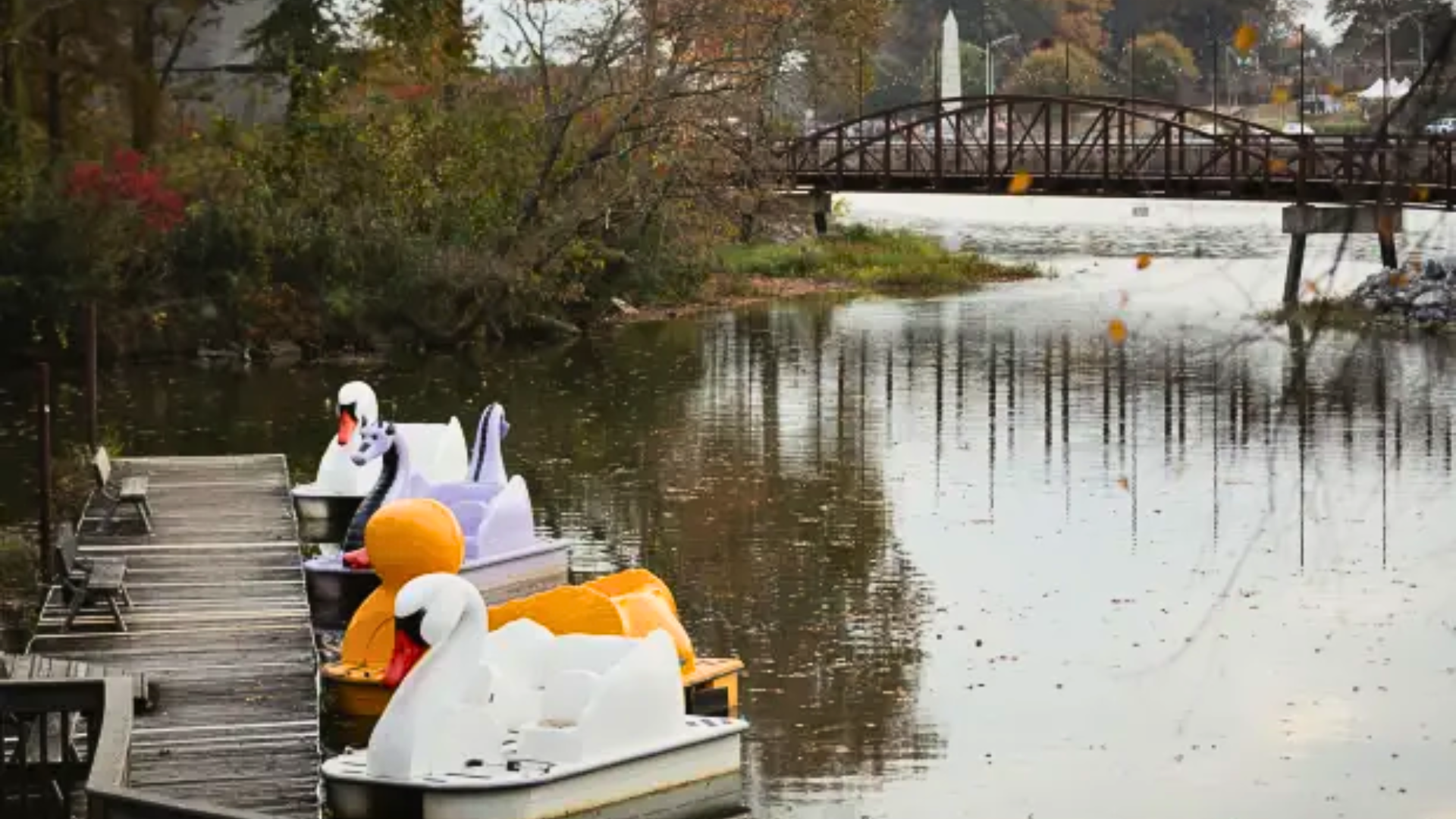
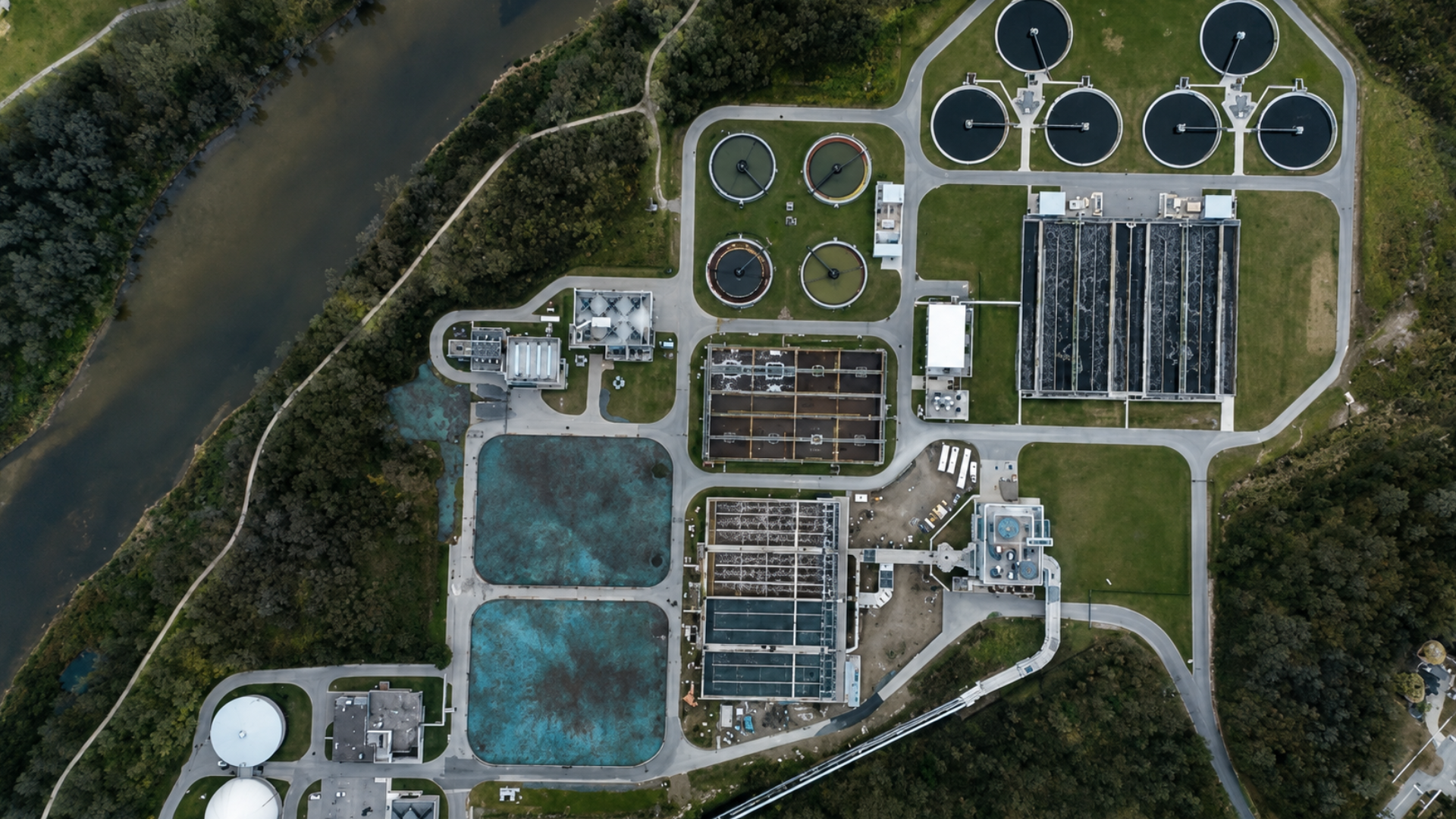
Dalton, Georgia is the hub of a multibillion-dollar carpet industry that accounts for much of the world’s floor covering output. Mills there use enormous quantities of water, especially during dyeing, then discharge treated wastewater back into the region’s river system. That same river system, fed by the Blue Ridge Mountains, supplies drinking water to communities in both Georgia and Alabama. For decades, PFAS traveled this route largely untracked by the state agency tasked with protecting public health.
The 2008 Warning That Was Buried
As early as 2008, a University of Georgia study found what researchers described as staggeringly high levels of PFAS in the Conasauga River, downstream from Dalton’s carpet mills. That same year, Georgia’s environmental director held a private meeting with carpet industry representatives and their trade group. According to court depositions, the message delivered was clear: the state had no plans to pursue regulatory action. One carpet executive wrote to thank attendees for “gaining this good outcome.”
Georgia’s Environmental Agency Looked Away
Georgia’s Environmental Protection Division did not conduct its own river testing until 2012, four years after the university’s findings, and again in 2016. Both confirmed the contamination. The agency did not post results publicly until 2020. It issued no fish advisories, no do-not-drink orders, and required no industry monitoring for PFAS. When neighboring Alabama detected PFAS in its drinking water in 2016 and asked Georgia for help identifying the source, state regulators offered little in response, according to interviews and records obtained through open-records requests.
The Federal Safety Net Also Failed
A former EPA enforcement official, Scott Gordon, described how a routine permitting process in 2001 was quietly undermined. EPD’s lawyers submitted a last-minute wording change that required Dalton Utilities to merely apply for a federal Clean Water Act permit, rather than obtain one. After Gordon approved it, EPD rejected the application outright, stripping away federal oversight of the industrial wastewater site at Loopers Bend. Gordon later said, “I was screwed in my federal career twice by state agencies. This is one of them.”
A Riverkeeper Finds the Smoking Gun
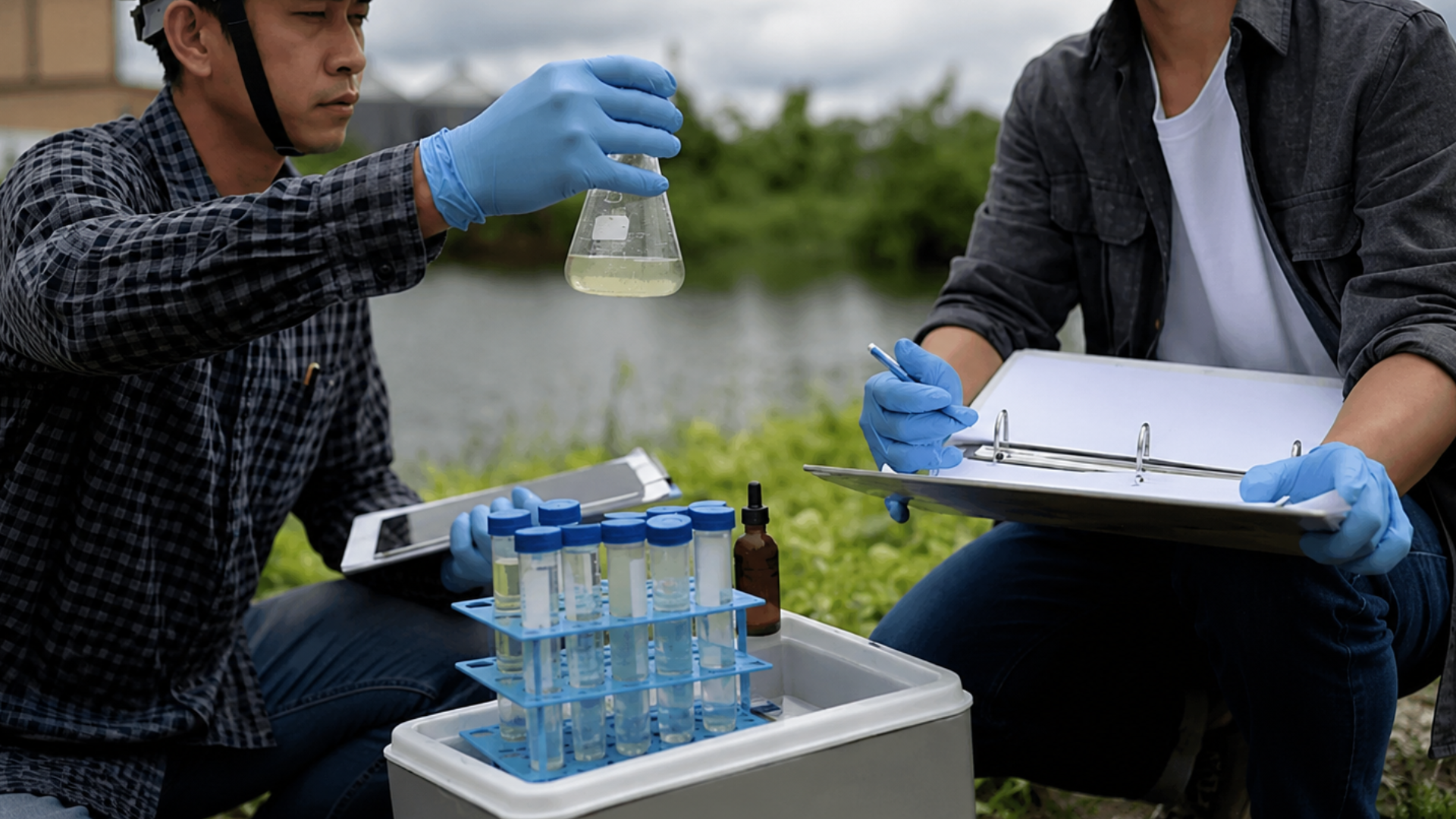
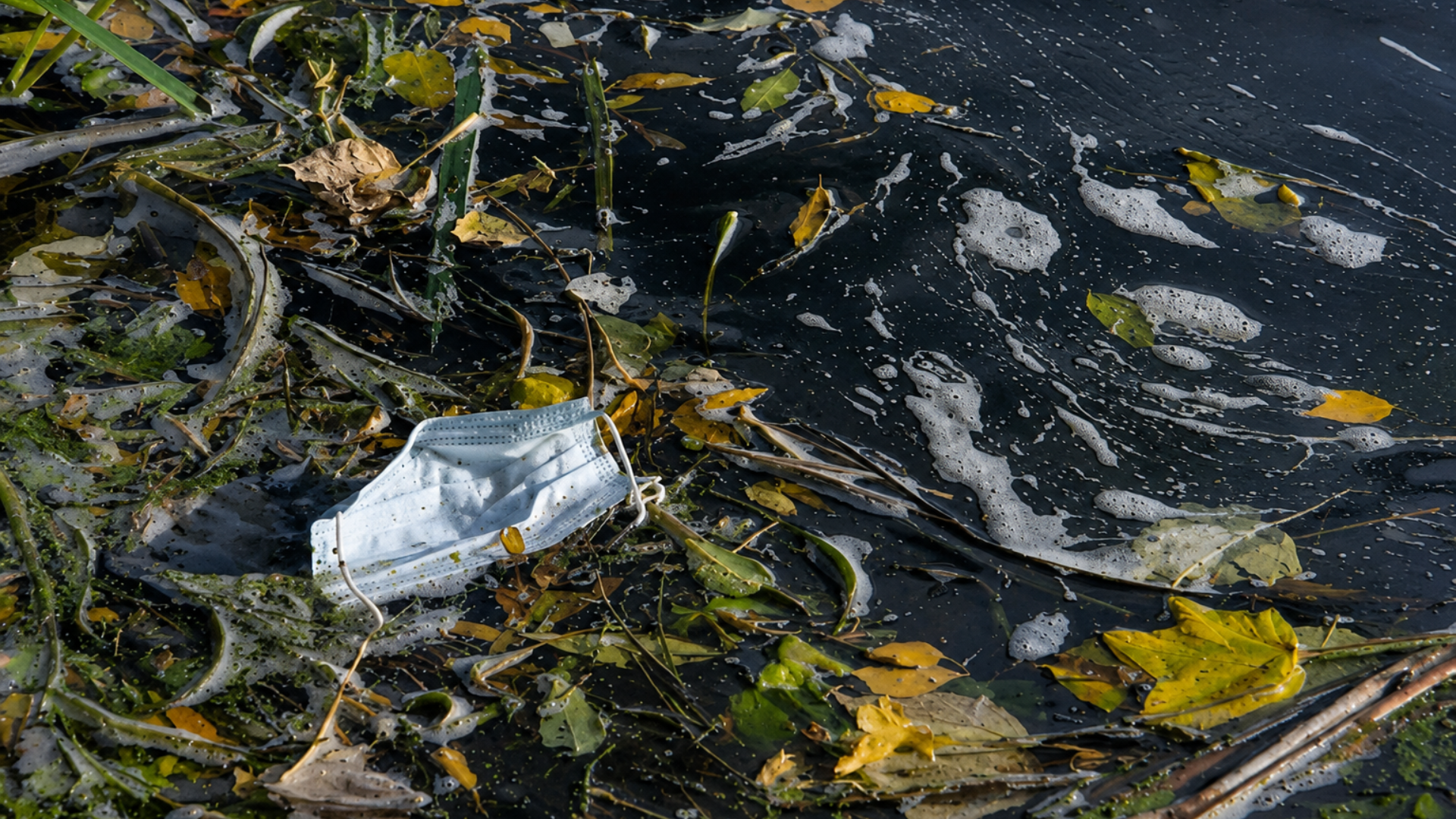
In December 2022, local riverkeeper Jesse Demonbreun-Chapman tested water running off a farm near Calhoun’s water intake and found PFAS levels thousands of times higher than federal drinking water standards. The farm had been treated with PFAS-laden sludge made from mill wastewater. His samples became central evidence in a lawsuit against the city. Calhoun settled in 2024 and agreed to filter its water, test private wells, and inform residents of risks, without admitting liability.
Industry Points Fingers, No One Pays

The two largest carpet companies, Shaw Industries and Mohawk Industries, both based in the Dalton area, blame chemical suppliers 3M and DuPont for hiding the dangers of PFAS in their products. The chemical companies, in turn, say it was the carpet industry that put the chemicals in the water. Meanwhile, cities facing hundreds of millions of dollars in water treatment costs have turned to the courts. Rome, Georgia, won a lawsuit and is building a $100 million filtration plant. Calhoun and Dalton filed their own suits in 2024.
Some States Act, Georgia Remains an Outlier
Wisconsin, Michigan, and Maine have each committed tens of millions of dollars to PFAS cleanup, run comprehensive testing programs, and pursued legal action against polluters. Wisconsin approved $133 million in funding earlier this year. Georgia, by contrast, still does not regulate PFAS and is only now considering rules aligned with federal drinking water standards set to take effect in 2031. Legislators in Georgia even introduced bills this year that would have shielded carpet companies from lawsuits, though both measures failed after public backlash.
A Crisis That Did Not Have to Happen
Stormy Bost and thousands like her did not know what was in their water because officials who did know chose not to tell them. The science was available, the authority existed, and the warnings came early. What was missing was political will. As communities sue for cleanup costs and residents track their own health conditions, the larger question remains unanswered: when industries contaminate public water with the knowledge of regulators, who is ultimately accountable? For the people of northwest Georgia, that answer is still being fought over.