Newsom Warns Insurers as Homeowners Face Delays and Insufficient Payouts After L.A. Wildfires


Months after the Palisades and Eaton fires tore through the Los Angeles area, killing 31 people and destroying more than 16,000 structures, according to state officials, many survivors are still waiting on resolution from their insurers. California Governor Gavin Newsom stepped up pressure on insurers on May 4, warning that companies mishandling claims could face state enforcement — a message that followed a major regulatory action against the state’s largest home insurer.
The enforcement action targeted State Farm General Insurance Company following an expedited investigation by the California Department of Insurance. Regulators reviewed a sample of 220 claims and found roughly 400 violations, ranging from delayed investigations to insufficient payouts. Insurance Commissioner Ricardo Lara said the company violated the law hundreds of times, and the state is now pursuing what officials describe as the largest insurance penalties following a disaster in a century.
State Farm, which handled about one-third of all residential claims filed after the fires, state officials said, pushed back firmly. The company said it has paid more than $5.7 billion across 13,700 auto and home claims related to the fires and rejected any characterization that it engaged in a pattern of intentional underpayment. State Farm called the threat to suspend its license a “reckless, politically motivated attack” that risks destabilizing California’s homeowners’ insurance market.
What the Investigation Actually Found
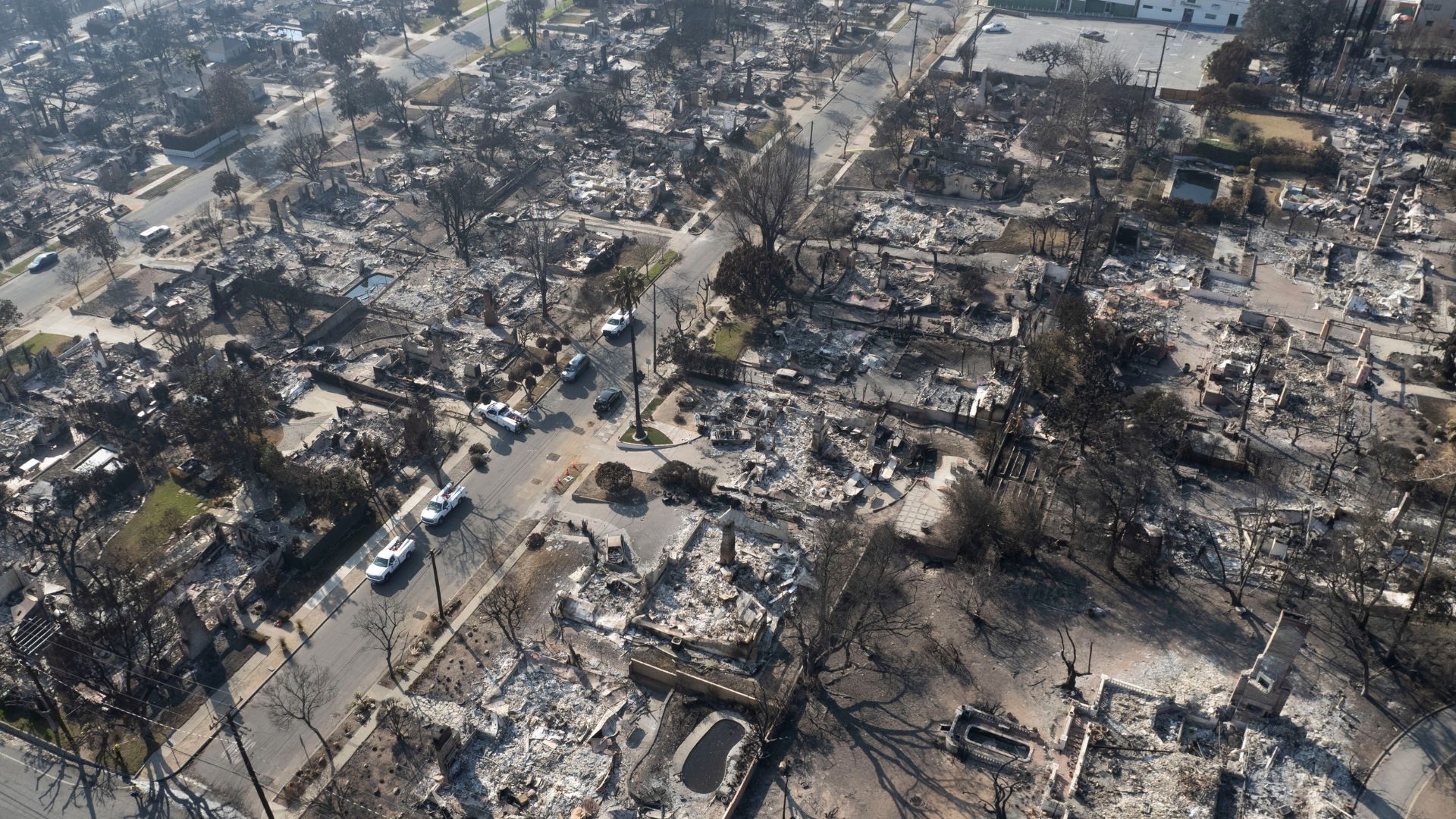
In one documented case, State Farm waited nearly three months before opening an investigation into a claim. In another case, the company delayed payment for months while internally acknowledging the claim should have been approved. One customer had a dozen different claim adjusters assigned within four months, according to state regulators.
Regulators also found that State Farm had illegally denied payments for hygienic testing on smoke damage claims — a particularly consequential issue given how extensively smoke affected homes across the region. Lara said the company “delayed, underpaid, and buried policyholders in red tape at the worst moment of their lives,” adding that the state was taking action to hold it accountable. Thousands of policyholders may be affected, officials said.
The maximum penalty under California law reaches approximately $4 million if State Farm is found to have acted willfully, regulators said. Beyond the financial penalty, regulators could also temporarily suspend the company’s license, which would bar it from writing new policies in California for up to a year. State Farm is not the only insurer facing scrutiny — the FAIR Plan, California’s insurer of last resort for high-risk properties, is also facing a separate state action over denied smoke damage claims, officials said.
California’s Insurance Market Was Already Struggling

Following the enforcement announcement, Newsom issued a direct warning to insurers across the state. “People need accelerated relief, and we’re not going to sit by while companies slow-walk claims and make it harder for families to rebuild,” he said. “We’re standing up for survivors by holding insurance companies accountable — especially when they delay or deny what people are owed.” He made clear that other insurers could face similar action if they mishandle claims.
The state’s insurance market has been under considerable strain well before the fires. Several major carriers, including State Farm, scaled back or paused new coverage in California in 2023, according to regulators, citing wildfire risk and difficulty pricing policies in an increasingly volatile environment. In response, California updated its regulations to allow insurers to factor climate risk into their pricing models and pass reinsurance costs on to consumers, in exchange for committing to write more policies in high-risk areas.
Despite those pressures, California’s average home insurance premiums remain below the national average, according to state data. A standard policy with $300,000 in dwelling coverage runs about $1,616 annually in California, compared to $2,543 nationally, $4,085 in Texas, and $7,136 in Florida. Lara also approved a 17% premium increase for State Farm homeowners last year to help stabilize the company financially after the fires, the department said, though State Farm separately agreed not to cancel existing policies in 2025 as part of a deal with regulators.
Recovery Efforts and What Comes Next

While the insurance dispute plays out, state officials have been working to clear the path for rebuilding. Permitting requirements under the California Environmental Quality Act and the California Coastal Act have been suspended for recovery efforts. Homeowners who built to 2019 Building Code standards can use previously approved plans, and codes set to take effect January 1, 2026, have been paused to reduce delays.
Financial relief has also been a priority, according to the governor’s office. California extended the individual tax filing deadline to October 15 for Los Angeles County residents, suspended penalties on late property taxes for a year, and announced a $125 million mortgage relief package for fire-affected homeowners. The state also put protections in place against price gouging on rent, construction materials, and hotel costs, as well as against predatory cash offers from land speculators targeting displaced homeowners.
One significant gap remains on the federal side. Newsom has made multiple requests for federal disaster funding since February 2025, when President Trump pledged he would “take care” of survivors, but those funds have yet to be approved. The state says federal money is needed to rebuild schools, restore water systems, and support small businesses still struggling after the fires. For now, survivors remain caught between an unresolved federal funding process and a state insurance reckoning still working through regulators and courts.