‘Brain-Eating Amoeba’ Found in Waters at 3 National Park Sites

Exploring nature often comes with familiar risks, including rough terrain, unpredictable weather, or encounters with wild animals. However, scientists are now warning about a hidden biological threat that cannot be seen without specialized equipment. A recent study detected dangerous levels of a rare “brain-eating amoeba” in several popular recreational waters across national park sites in the western United States, raising new concerns about public health and warming environmental conditions.
The Discovery Of A Dangerous Organism
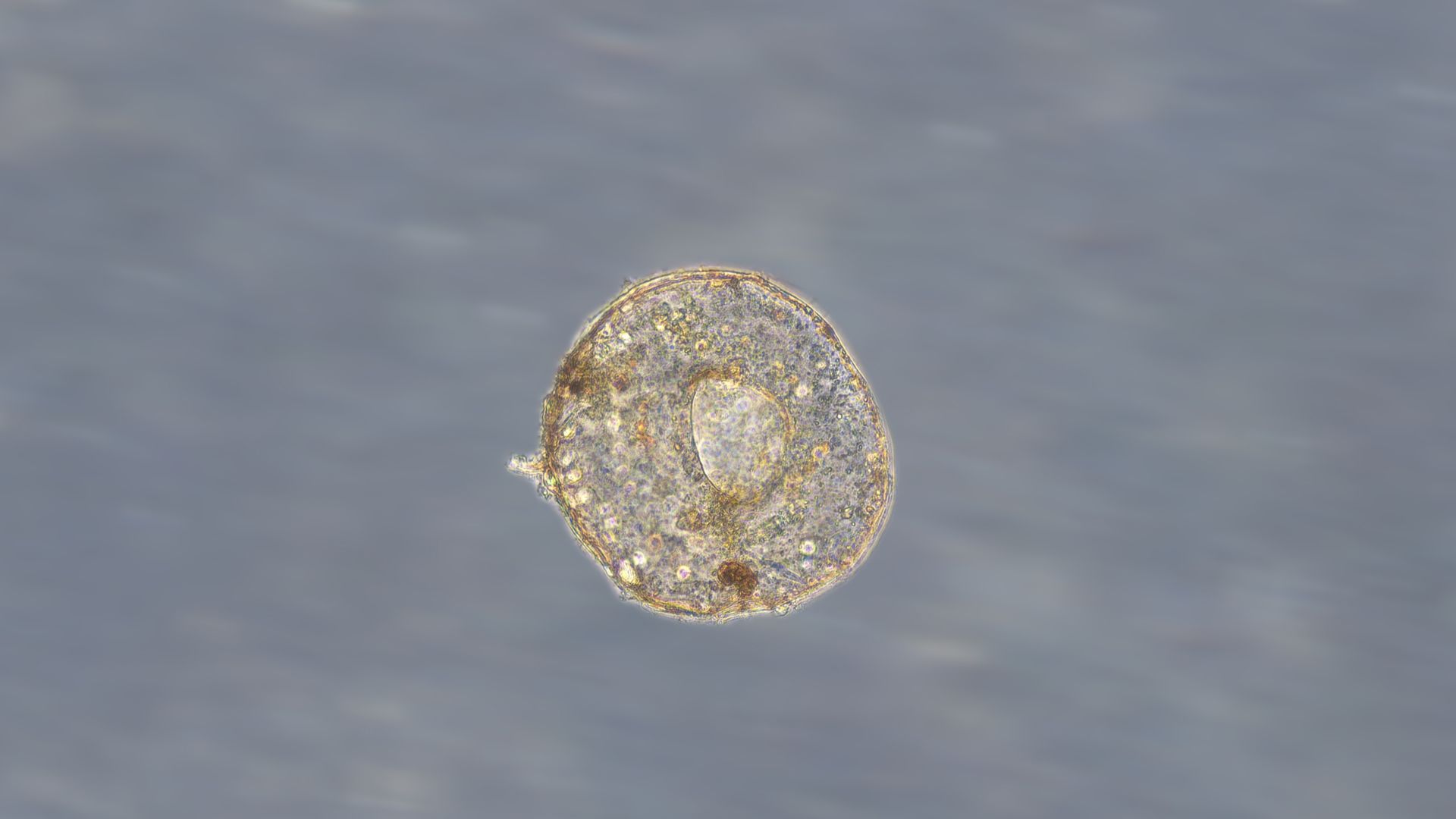
Researchers identified the amoeba Naegleria fowleri in multiple water sources located within U.S. National Park Service areas. The microorganism is known for causing primary amoebic meningoencephalitis, commonly called PAM, an infection that attacks the brain after contaminated water enters the body through the nose. Scientists believe shifting climate patterns may be contributing to the organism’s expansion into regions where it was previously uncommon.
A Study Focused On Recreational Waters

The investigation was published in ACS ES&T Water, a scientific journal dedicated to water safety and environmental research. Scientists examined 185 water samples collected between 2016 and 2024 from 40 recreational water locations across Yellowstone National Park, Grand Teton National Park, Olympic National Park, Newberry National Volcanic Monument, and Lake Mead National Recreation Area. Their goal was to determine how widespread N. fowleri may already be in these popular destinations.
How The Amoeba Infects Humans
Unlike many waterborne organisms, N. fowleri becomes dangerous when contaminated water travels into the nasal passages during swimming or diving. Once inside the body, the amoeba can move to the brain, where it rapidly destroys tissue and causes severe inflammation. PAM is extremely rare, but the disease progresses quickly and carries a mortality rate close to 98%, with most patients dying within days of infection.
Warm Waters Create Ideal Conditions

Scientists explained that the amoeba naturally thrives in warm freshwater environments and geothermal waters. It is commonly found in temperatures ranging from 60 to 115 degrees Fahrenheit, especially in hot springs and heated lakes. Historically, cases were concentrated in southern U.S. states, but warming temperatures appear to be creating favorable conditions farther north, increasing the geographic range where the organism can survive.
National Park Locations That Tested Positive
The study revealed that 34% of all collected samples contained N. fowleri. Positive results were identified in Yellowstone locations such as Firehole River, Boiling River, and Lewis Lake hot springs. In Grand Teton National Park, elevated concentrations were found in Polecat, Huckleberry, and Granite Hot Springs. Lake Mead National Recreation Area also recorded positive detections in Blue Point, Boy Scout, Nevada, and Rogers Hot Springs, areas visited by millions of tourists every year.
Sites Where Researchers Found No Evidence
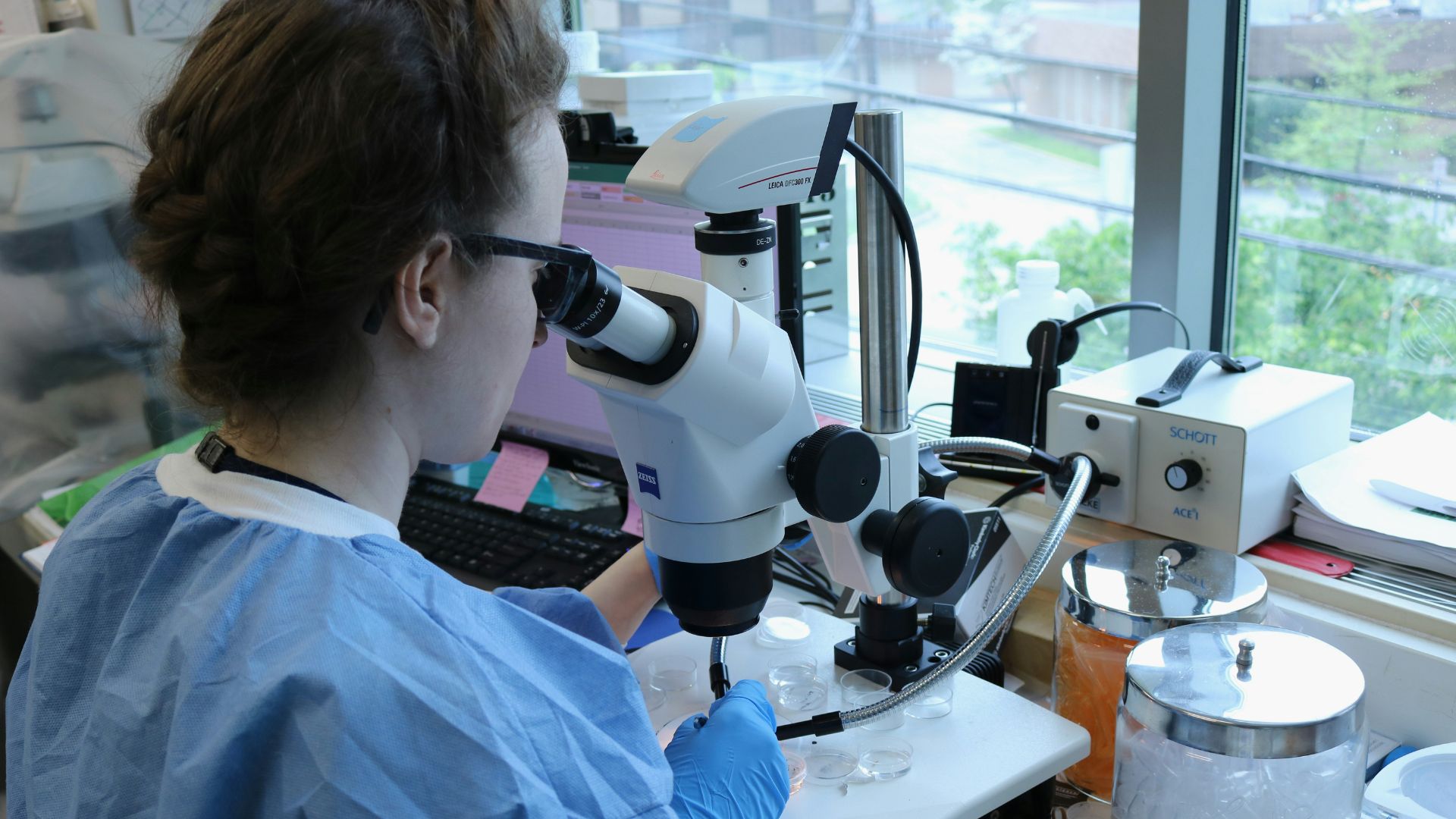
Not every tested location showed signs of contamination. Scientists reported that water samples from Olympic National Park and Newberry National Volcanic Monument did not contain detectable traces of the amoeba during the study period. Researchers noted that environmental conditions, including water temperature and geothermal activity, likely play a major role in determining where the organism can establish itself.
Comparing Amoeba Levels To International Standards
The United States currently has no official federal safety threshold for N. fowleri concentrations in recreational waters. To better understand the findings, researchers compared their data with international standards. France limits recreational water areas to 100 cells per liter, while Australia’s drinking water standard is set at only 2 cells per liter. One sample collected from Polecat Springs in 2023 measured 115.7 cells per liter, exceeding those international reference points.
Why Experts Are Paying Attention

Although PAM infections remain exceptionally uncommon, researchers believe the findings deserve careful attention because of the disease’s severity and expanding geographic range. Between 1962 and 2024, the United States recorded 167 confirmed cases, with only four known survivors. Health experts emphasize that the risk for visitors is still extremely low, yet the study highlights the importance of monitoring thermally influenced waters and improving public awareness in recreational areas.
Safety Recommendations For Visitors

Dr. Geoffrey J. Puzon, one of the study’s authors and a senior research scientist in Australia, advised visitors to avoid allowing warm water to enter their noses while swimming in geothermal areas. Experts recommend keeping the head above water in hot springs and using nose clips when participating in water activities in thermally heated environments. These precautions can significantly reduce the already small chance of infection.
Climate Change And Future Monitoring Efforts
Researchers believe the study strengthens evidence that climate change may be helping N. fowleri spread into new regions. The amoeba’s appearance in northern recreational waters supports previous research suggesting a gradual expansion beyond traditionally affected southern states. Scientists are now calling for enhanced surveillance, clearer warning signs, and stronger public education campaigns to better track the organism and help prevent future fatalities as environmental conditions continue to change.