Beekeeper Housing Advocate Found Guilty After Releasing Honeybees to Attack Officers
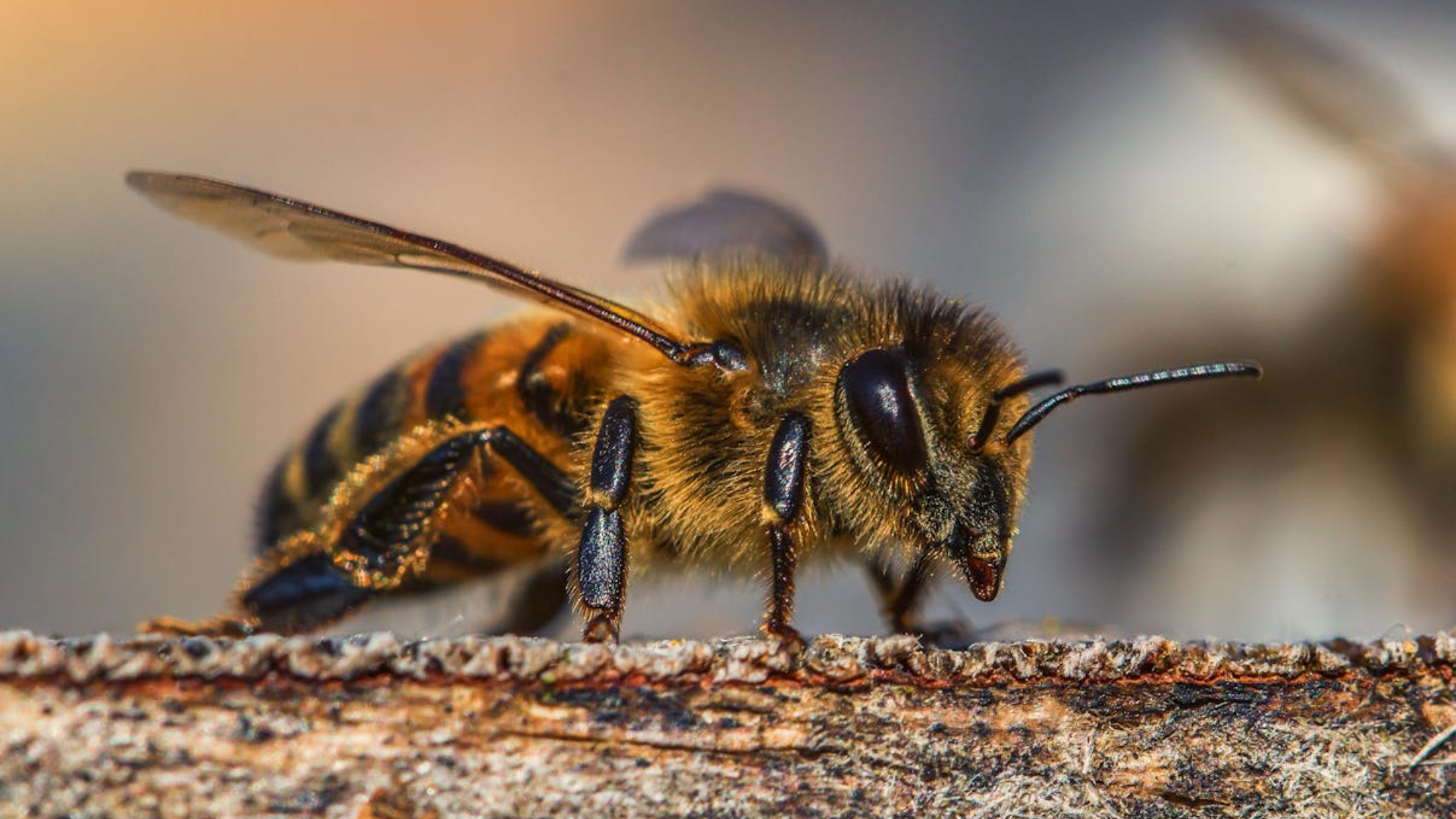

A Massachusetts beekeeper and housing advocate has been found guilty after a shocking incident in which she released swarms of honeybees during a court-ordered eviction, causing chaos and injuries. The case, which drew national attention, highlights how a protest meant to stop an eviction escalated into a dangerous confrontation with law enforcement. Authorities described the act as unprecedented, while supporters argue it stemmed from a desperate attempt to protect a vulnerable homeowner.
What Happened During the Incident

The incident took place in Longmeadow, Massachusetts, in October 2022, when deputies arrived to carry out an eviction order. The beekeeper, Rebecca Woods, drove up towing a trailer filled with beehives and began opening them, releasing large numbers of agitated bees into the area.
Bees Were Used as a Weapon
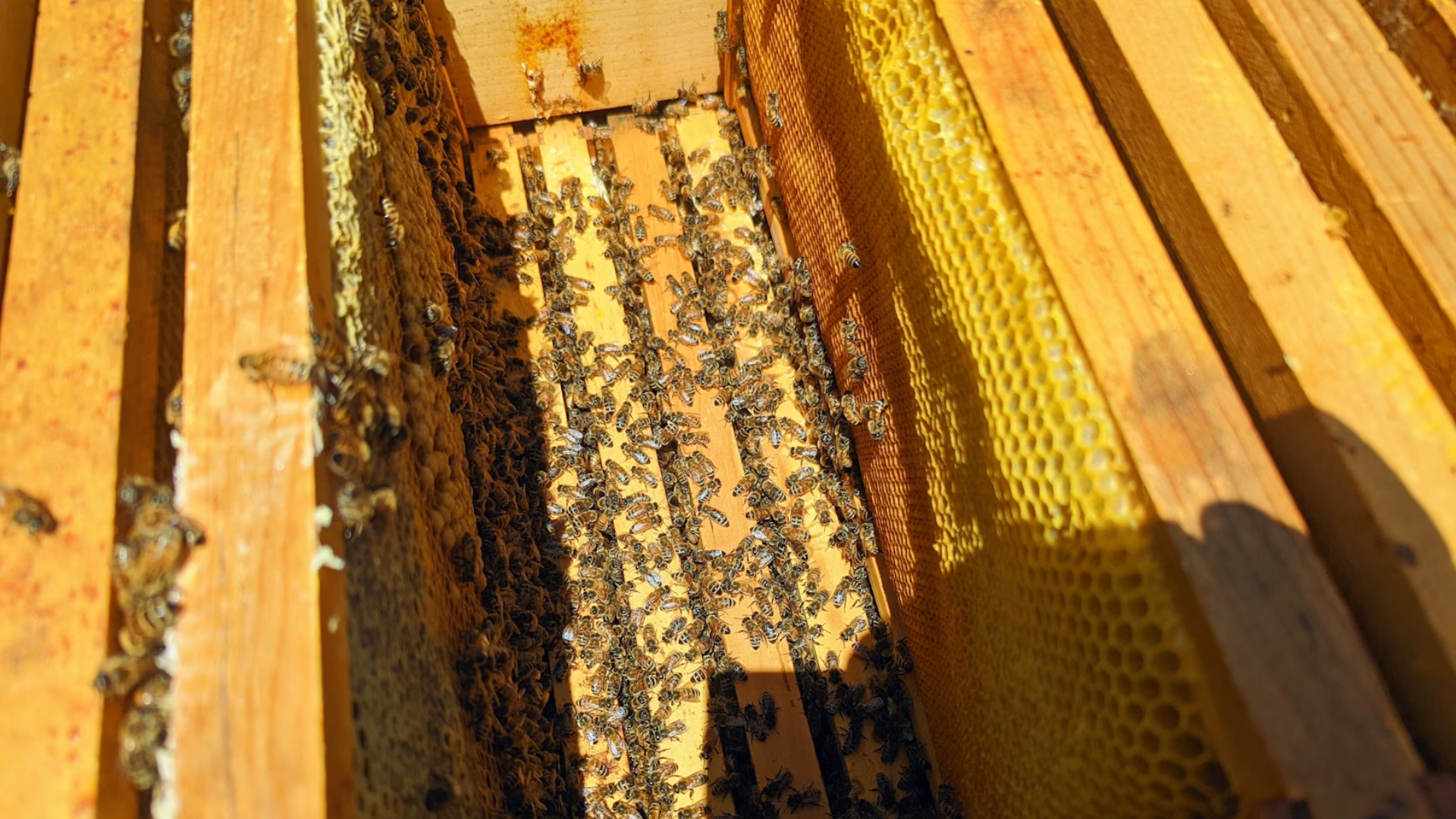
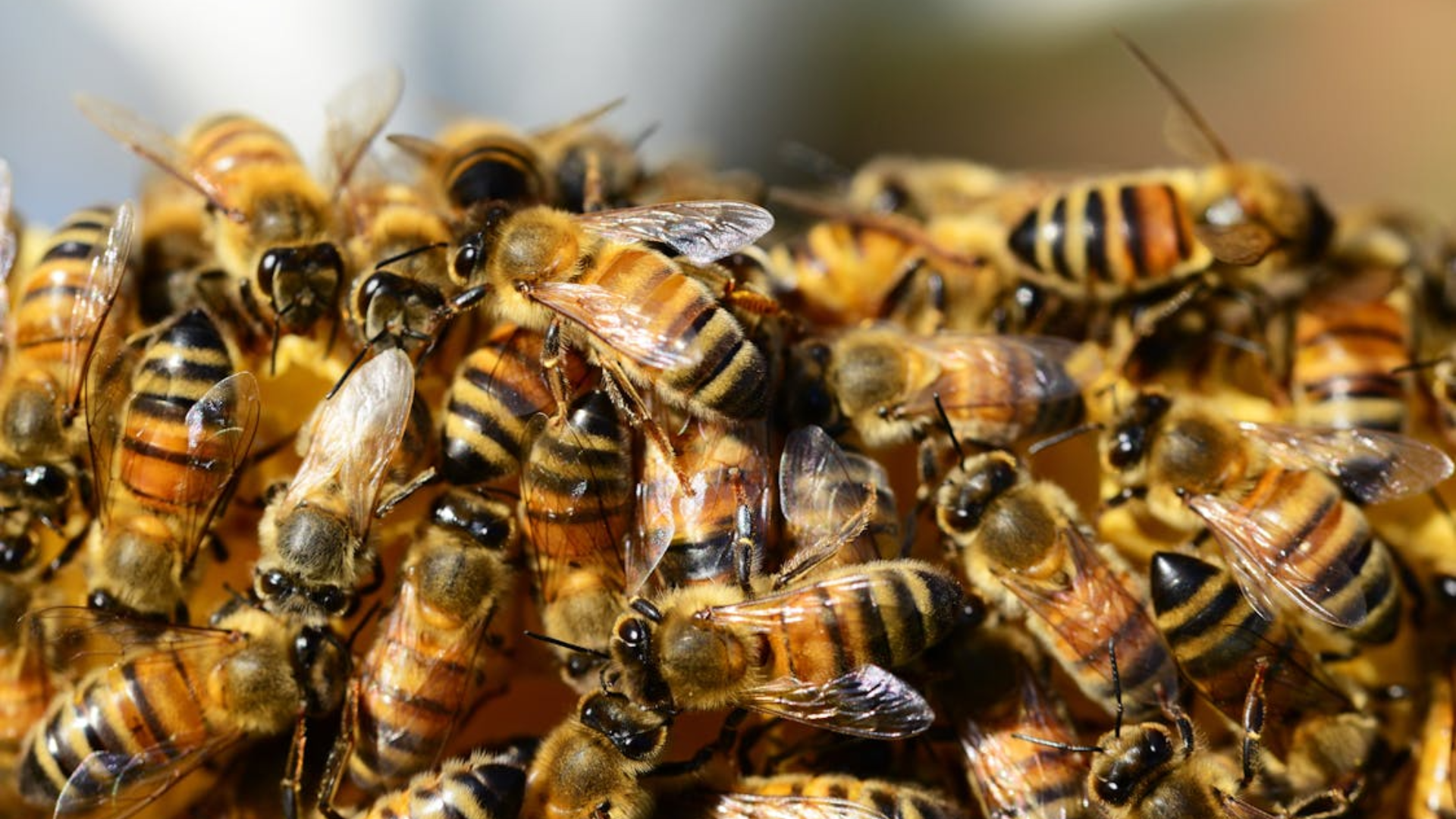
According to investigators, Woods intentionally smashed and overturned hive boxes, causing the bees to swarm aggressively. Deputies and bystanders were quickly surrounded and stung as the situation spiraled out of control, turning what was supposed to be a routine eviction into a dangerous scene.
Officers Were Injured, One Hospitalized

Several law enforcement officers were stung multiple times on the face and body, and at least one deputy had to be transported to the hospital for treatment. The risk was especially serious because some officers were reportedly allergic to bee stings, increasing the potential for life-threatening reactions.
A Controversial Statement Sparked Outrage

Authorities reported that when Woods was told some deputies were allergic to bees, she responded, “Oh, you’re allergic? Good.” The remark became a focal point in the case, reinforcing prosecutors’ claims that the act was intentional and reckless.
Her Motivation: Stopping an Eviction
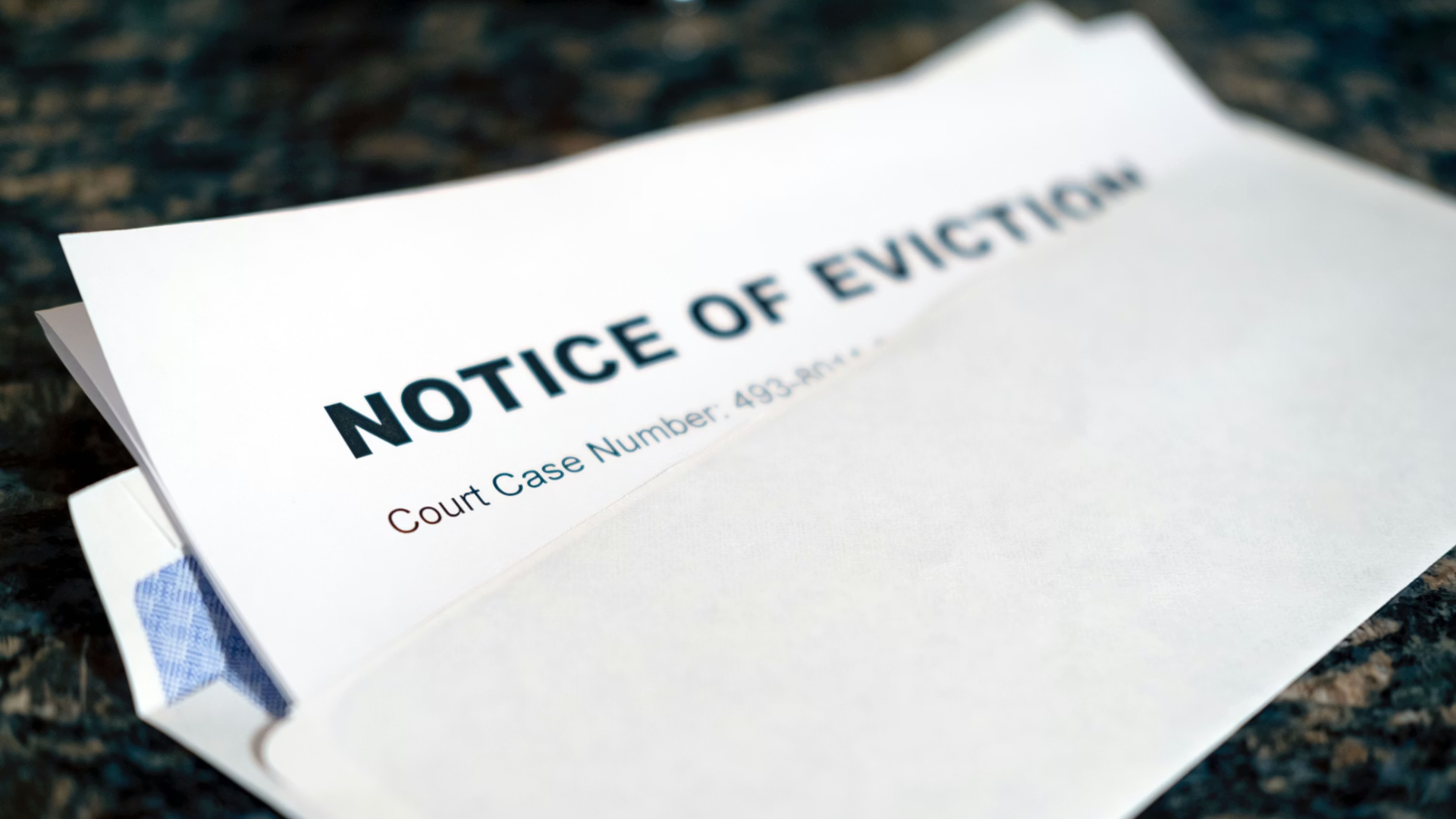
Woods maintained that her actions were driven by a desire to help an elderly friend, reportedly a cancer patient, who was facing eviction. Her defense argued that she was trying to delay the process and prevent emotional harm, though prosecutors said that intent did not justify the danger created.
The Legal Outcome of the Case

After a multi-day trial, Woods was found guilty of several charges, including assault and reckless conduct. While she was acquitted of some more serious felony charges, the court still determined that her actions crossed legal boundaries and endangered others.
Sentencing and Jail Time

The judge sentenced Woods to six months in jail, with credit for time already served. The ruling reflected the seriousness of the incident while also acknowledging that she had already spent time in custody during the legal process.
A Case That Shocked Authorities
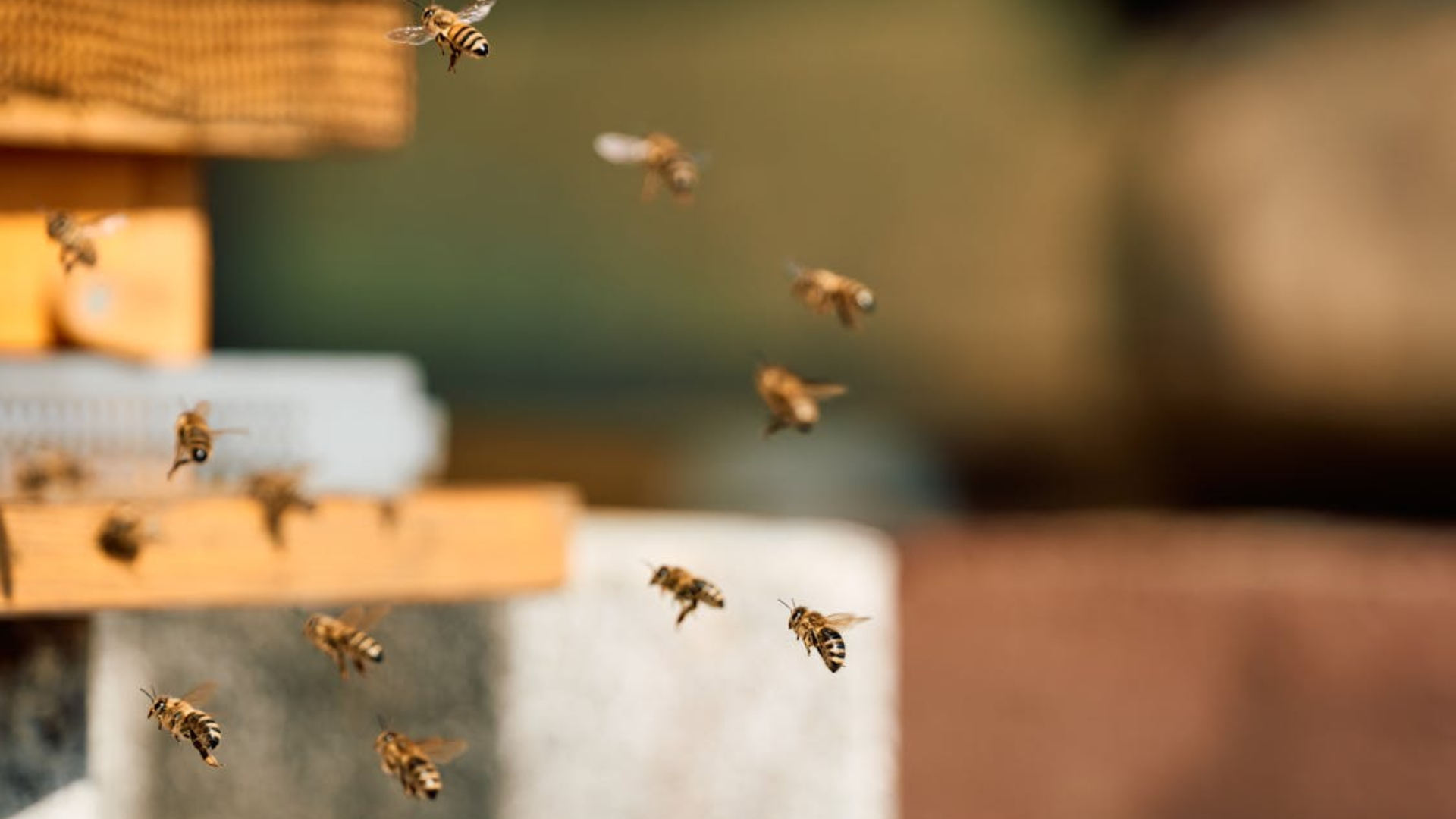
Officials described the event as unlike anything they had encountered before, emphasizing the risks posed to both law enforcement and the public. The use of animals (in this case, thousands of bees) as part of a confrontation raised broader concerns about safety and accountability during protests.
A Complex Story With Lasting Questions
The case leaves behind a complicated legacy, balancing questions of compassion, protest, and public safety. While Woods said she acted out of empathy for a friend in crisis, the court ultimately ruled that her actions created unacceptable risks. As the story continues to spark debate, it serves as a reminder of how quickly good intentions can escalate into dangerous consequences when emotions run high.