Scientists Say They Solved the Mystery of Populations That Disappeared 5,000 Years Ago

Around 3100 BCE, entire farming communities across northwestern Europe simply stopped. Their burial sites went quiet. Their fields were abandoned. Forests crept back over cultivated land. For decades, scientists called this the “Neolithic decline” and had no clear explanation for it. Now, a 5,000-year-old stone tomb north of Paris has finally provided answers, and what researchers found inside has rewritten one of prehistory’s most enduring mysteries.
The Tomb That Held Two Separate Worlds
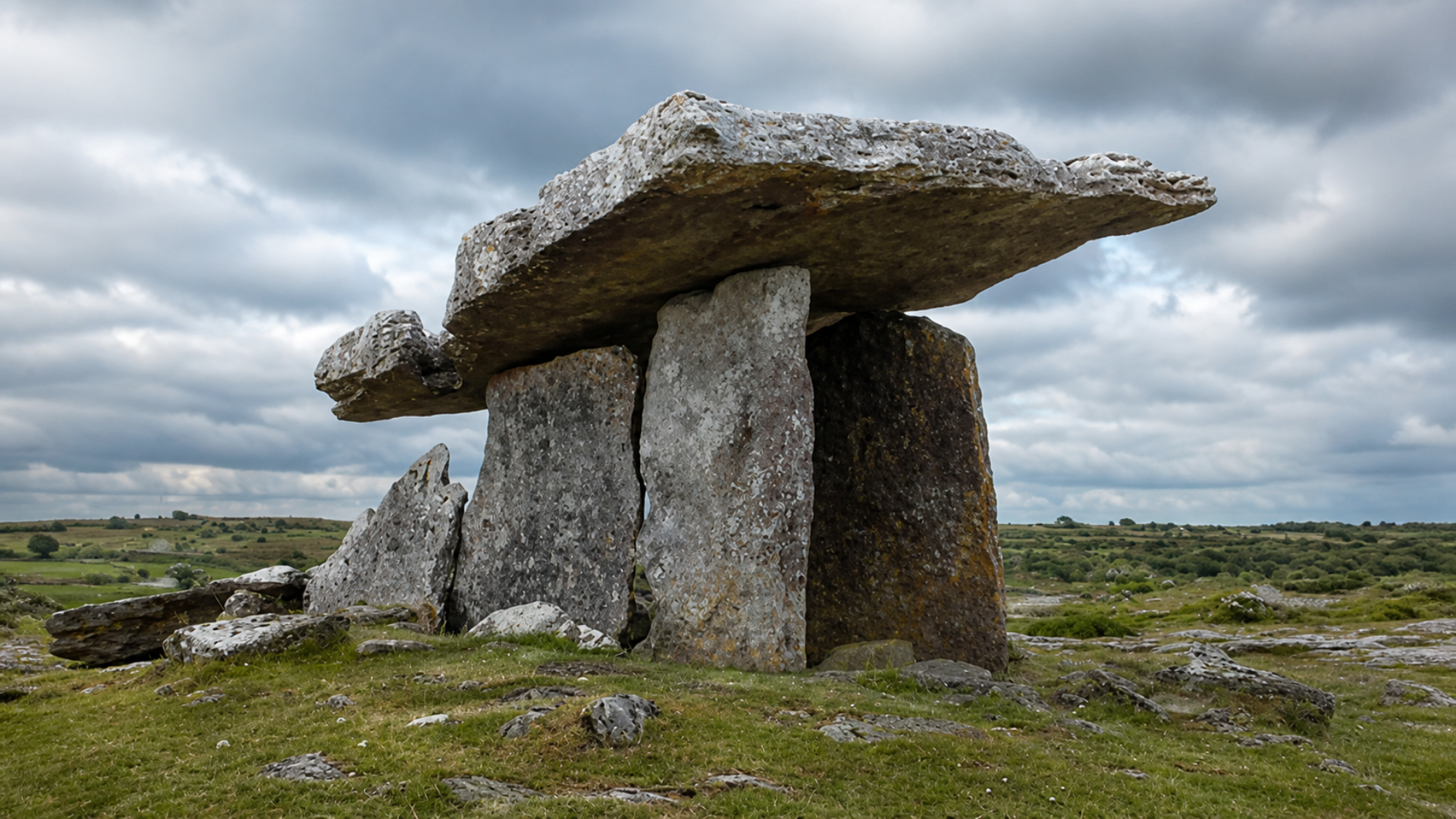
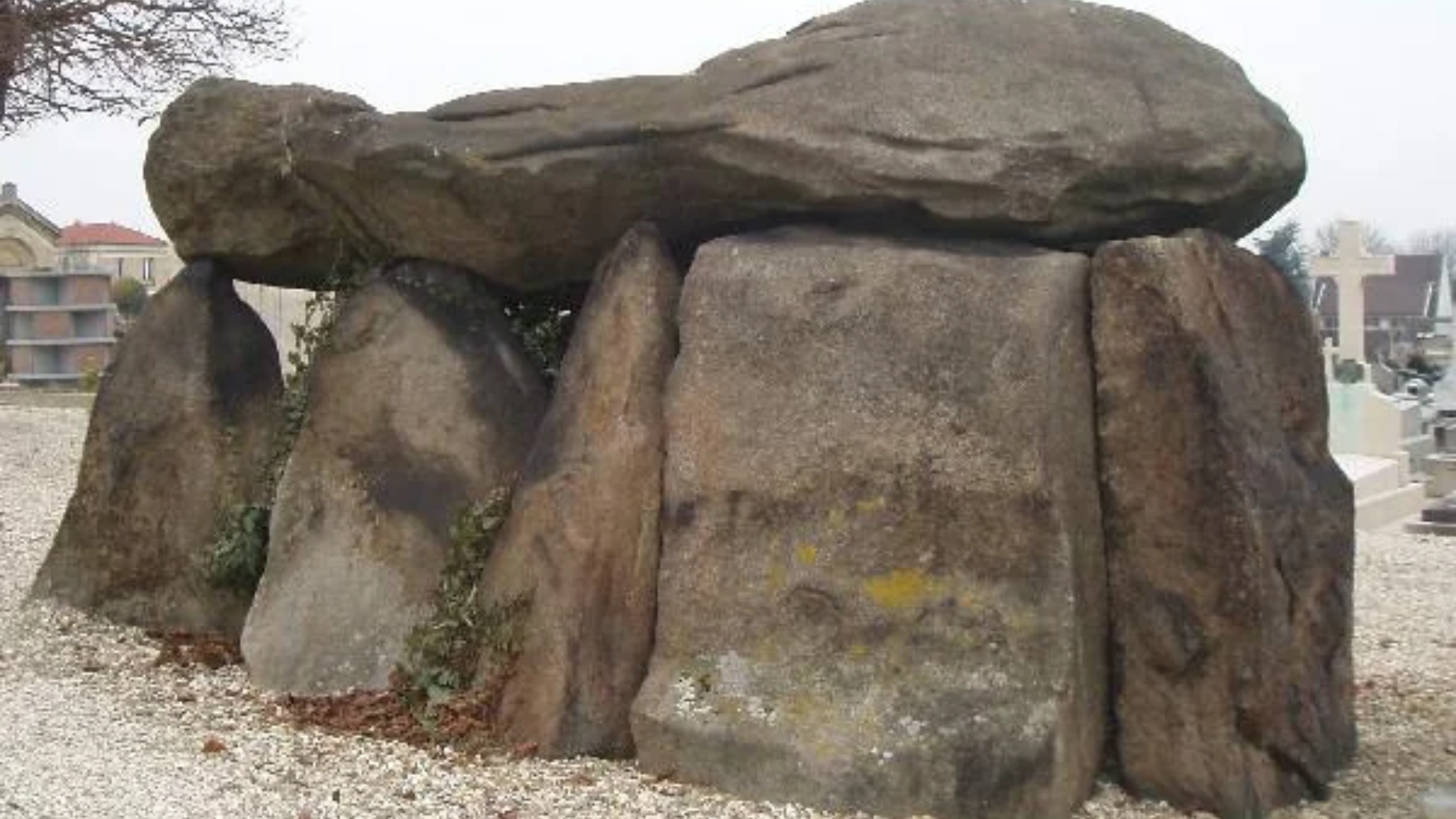
The Bury tomb sits roughly 50 kilometers north of Paris. It is a megalithic stone monument containing the remains of around 300 people, and it was used across two distinct time periods. The first phase of burials ran from about 3200 to 3100 BCE. Then the tomb went completely silent. No burials, no activity. When it was used again around 2900 BCE, something fundamental had changed, and the DNA would eventually prove just how fundamental that change really was.
Scientists Read the DNA of 132 Ancient People

An international research team sequenced the genomes of 132 individuals recovered from the Bury site, publishing their findings in the journal Nature Ecology and Evolution. The results revealed a clear genetic break between the two burial phases, with the people buried before and after the collapse appearing to be two completely different populations, according to Frederik Seersholm, researcher at the University of Copenhagen. This was not a community that had slowly evolved. It was a population that had been replaced entirely.
The First Community Was Tightly Knit, Then It Fell
During the earlier phase, the tomb was dominated by large, closely related families spanning multiple generations, suggesting a tightly knit community where biological family ties were central, according to Martin Sikora, Associate Professor at the University of Copenhagen. Women appear to have married into the community from outside, broadening the genetic pool. But the bones also revealed something troubling: an unusual number of young people had died, pointing to a population already under severe stress before the collapse.
Plague Was Already Moving Through the Community
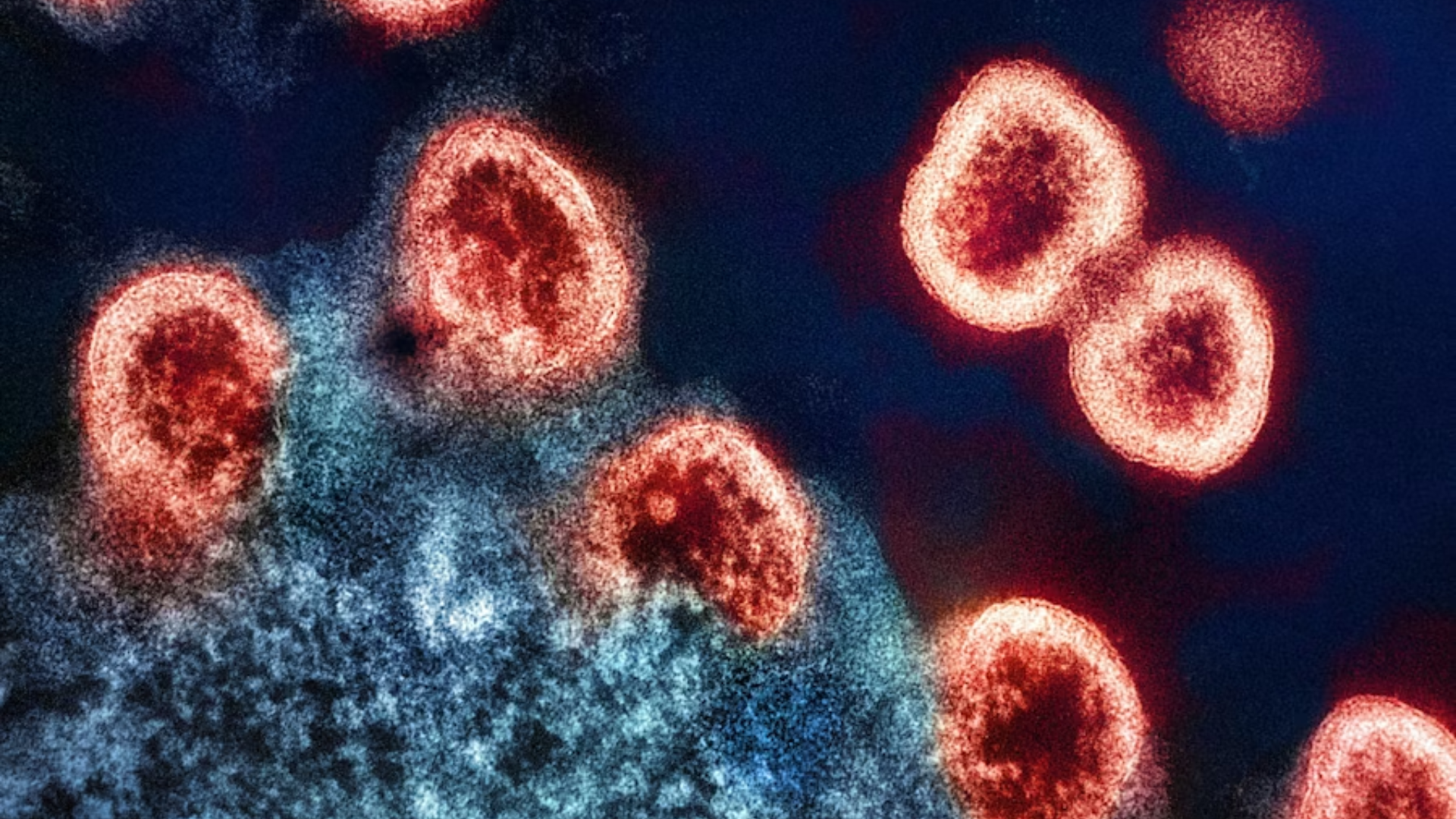
Researchers identified DNA from several pathogenic bacteria in the ancient remains, including Yersinia pestis, the bacterium that causes plague, and Borrelia recurrentis, the causative agent of louse-borne relapsing fever. Plague was detected in both burial phases but was more prevalent in the earlier population. According to Sikora, while there is no strong case that plague alone caused the collapse, the total disease load could have been one of several contributing factors. The community was fighting on multiple fronts at once.
The Land Itself Went Silent

The biological evidence was only part of the story. Pollen data collected from the region showed that forests were actively regrowing during the gap between burial phases, a sign that farmland had been abandoned and fields left untended. This pattern, where cultivated land reverts to wilderness, closely mirrors what archaeologists have documented in the aftermath of the Justinian Plague and the Black Death. The Paris Basin had not simply changed. It had been emptied, leaving a landscape with almost no human presence.
Strangers Moved Into the Empty Land
The second burial phase showed strong genetic ties to southern France and Iberia, suggesting a migration and resettlement from those regions into the Paris Basin following the Neolithic decline, according to archaeologist Laure Salanova of the French National Center for Scientific Research. Over 80% of the later group’s ancestry traced back to Neolithic Iberia, what is now Spain and southern France. However, these were not the descendants of the original community. They were newcomers who had walked into a region the collapse had cleared.
The Same Pattern Played Out Across an Entire Continent

The Paris Basin was not alone. The study strengthens the idea that the Neolithic decline was not merely a cultural transformation but a real population collapse, one that affected much of northwestern Europe simultaneously. In Scandinavia, steppe pastoralists replaced farming communities entirely. In central Germany, similar disruptions were recorded. The authors of the study suggest that the Iberian migration northward and the steppe expansion were both responses to the same underlying crisis, filling vacuums left behind wherever populations had collapsed.
Society Itself Was Restructured by the Collapse
The differences between the two burial phases extended beyond DNA. The later burials were more selective and largely centered around a single male lineage, indicating that the population change was accompanied by a shift in how society was structured, according to Seersholm. Where the first community buried extended multi-generational families, the second buried smaller groups of unrelated individuals organized around a single paternal line. The collapse had not only replaced the people. It had replaced the entire social framework they once lived within.
One Tomb, One Unanswered Question for All of Us
The Bury tomb revealed how completely a civilization can vanish: through disease, environmental breakdown, and demographic collapse working together. According to Kristian Kristiansen, Professor of Archaeology at the University of Gothenburg, by joining experts across multiple disciplines, researchers can now begin to understand one of the most dramatic transitions in European prehistory. But the deeper question remains: if it happened once without warning, what would it take for it to happen again?