NYC Mayor Mamdani Vetoes Bill on Protest Restrictions Near Schools, Citing Free Speech Concerns
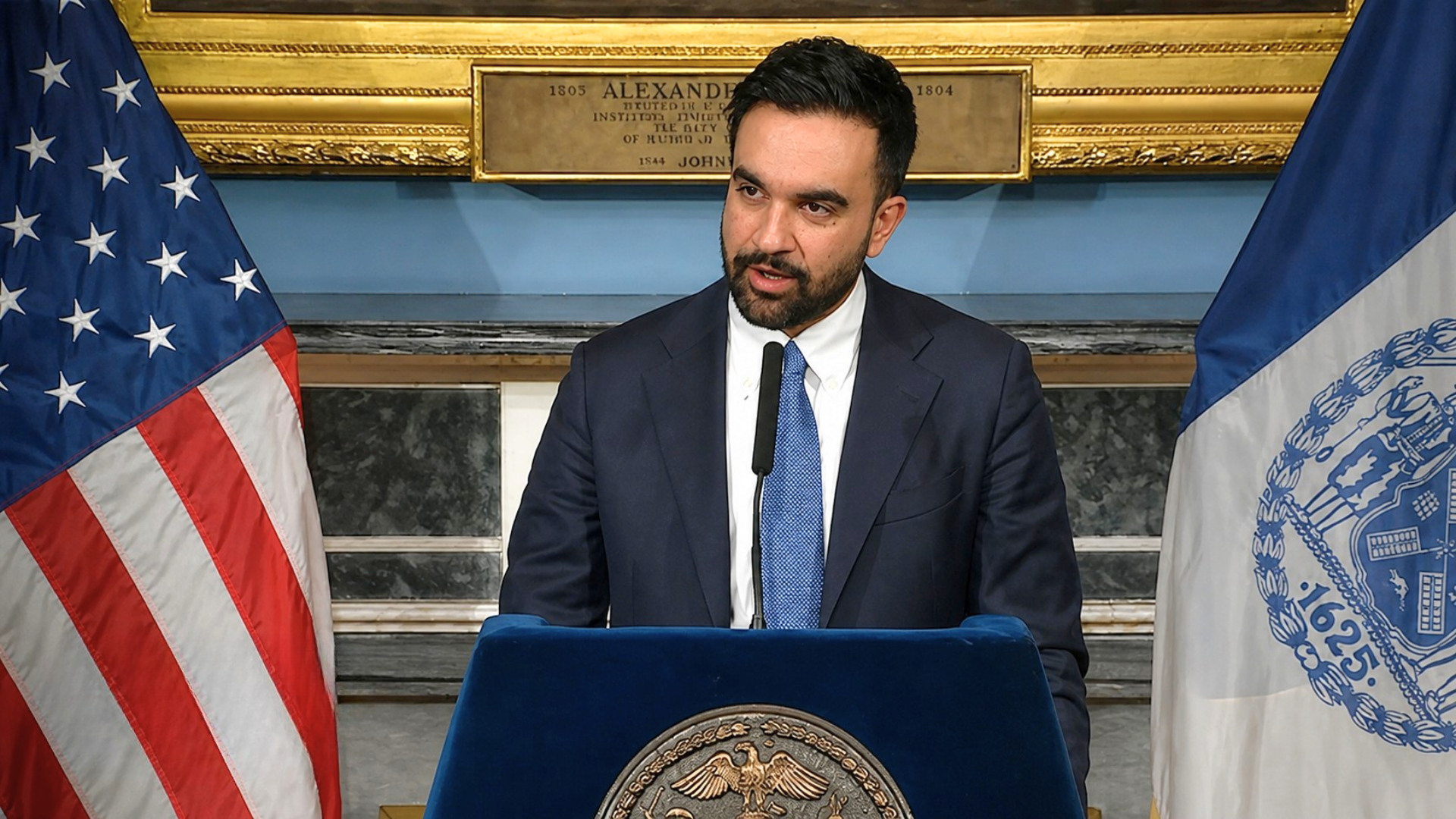

New York City Mayor Zohran Mamdani issued his first veto in office, rejecting a City Council bill that would have instructed the NYPD to establish anti-protest buffer zones at schools and educational institutions across the city. The decision came roughly 100 days into his administration and immediately ignited a fierce debate about where the line between public safety and free speech belongs, particularly at a time of rising antisemitism on school campuses. Few first vetoes in recent New York political memory have landed with this much force.
The bill in question, known as Intro 175-B, was passed by the City Council in March by a vote of 30 to 19. It would have required the NYPD to develop and publish plans for securing safe access to educational facilities during protests, specifically to prevent physical obstruction, intimidation, and interference. Supporters framed it as a straightforward safety measure for students. Critics, including the mayor, saw it as something more sweeping, with implications reaching far beyond schoolyard gates. The divide between those two readings is exactly where this story gets complicated.
The veto came alongside a related decision: Mamdani allowed a companion bill requiring the NYPD to formalize protest perimeter plans around houses of worship to become law without his signature. That bill had passed the Council with a veto-proof margin of 44 to 5. The contrast between the two decisions was not lost on observers. Mamdani was willing to act on one and not the other, and his reasoning for the distinction drew sharp reactions from multiple directions almost immediately.
Where One Law Ends and the Constitution Begins
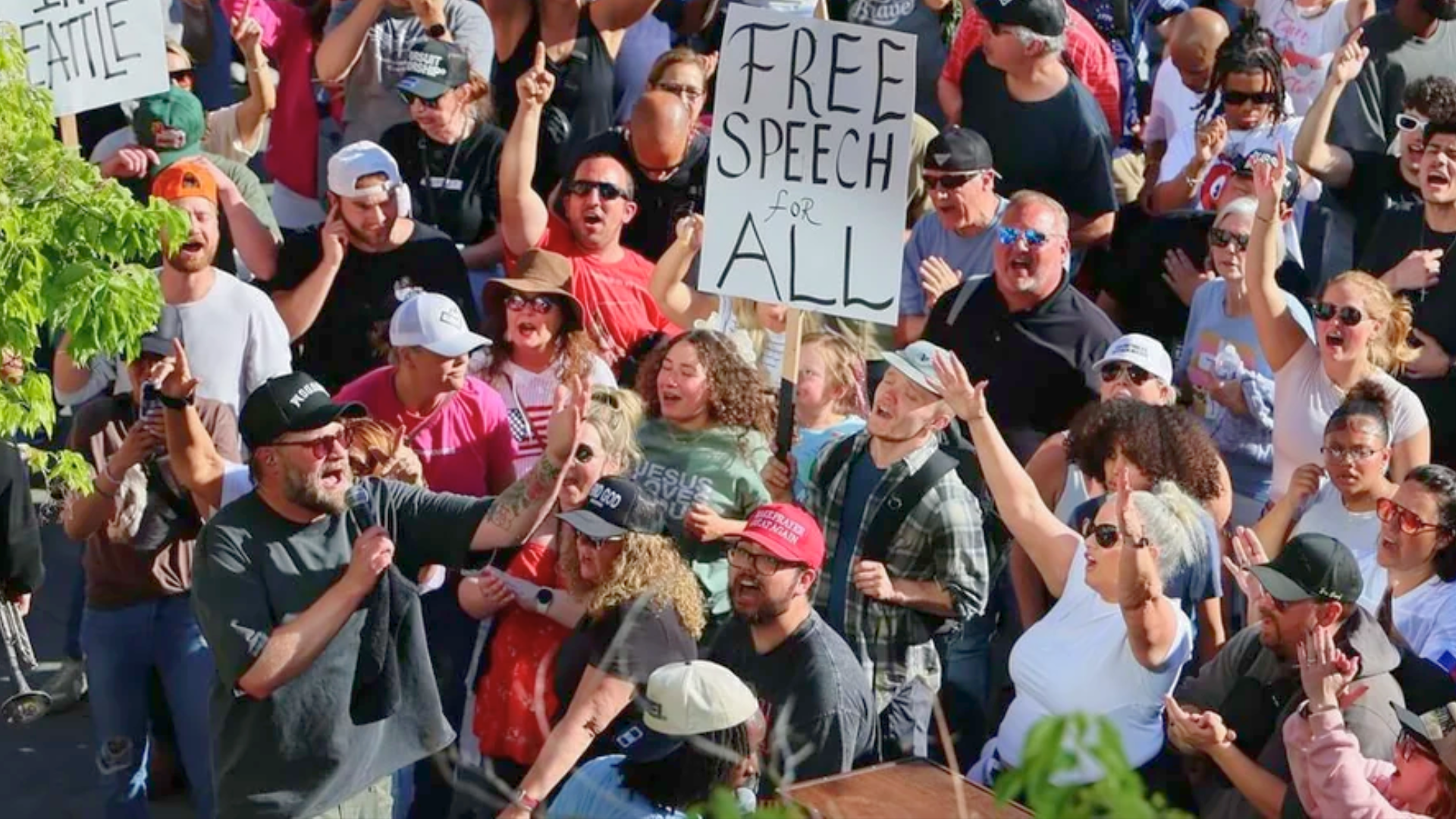
Mamdani said the bill is too broad, warning that “everywhere from universities to museums to teaching hospitals could face restrictions,” and that it could affect workers protesting ICE, college students calling for fossil fuel divestment, and demonstrations in support of Palestinian rights. He added that nearly a dozen unions had raised concerns about its effect on their ability to organize. In his view, the bill was not a narrow safety measure at all, but a piece of legislation with sweeping constitutional consequences for the right to protest across New York City.
Civil liberties advocates praised the decision. New York Civil Liberties Union Executive Director Donna Lieberman said protest is “in the DNA” of the city and that the legislation would have endangered the public’s right to speak out, potentially increasing the likelihood that attending a school, library, or hospital would lead to a police encounter. The NYCLU argued that even a more narrowly written version of the bill would still be problematic. For the groups most closely aligned with Mamdani politically, the veto was not a failure of leadership. It was the right call, and they said so loudly.
Mamdani drew a legal distinction between the two bills, noting that religious observance is a First Amendment right while access to educational facilities is not, and that the educational bill lacked a sufficient counterbalance protecting the right to protest. The argument was that the houses of worship bill, in its final form, passed legal review. The schools bill did not. Whether that distinction holds up to scrutiny, or whether it will survive a potential override vote, depends on who in the City Council finds that reasoning persuasive in the weeks ahead.
Safety Is Not a Political Position
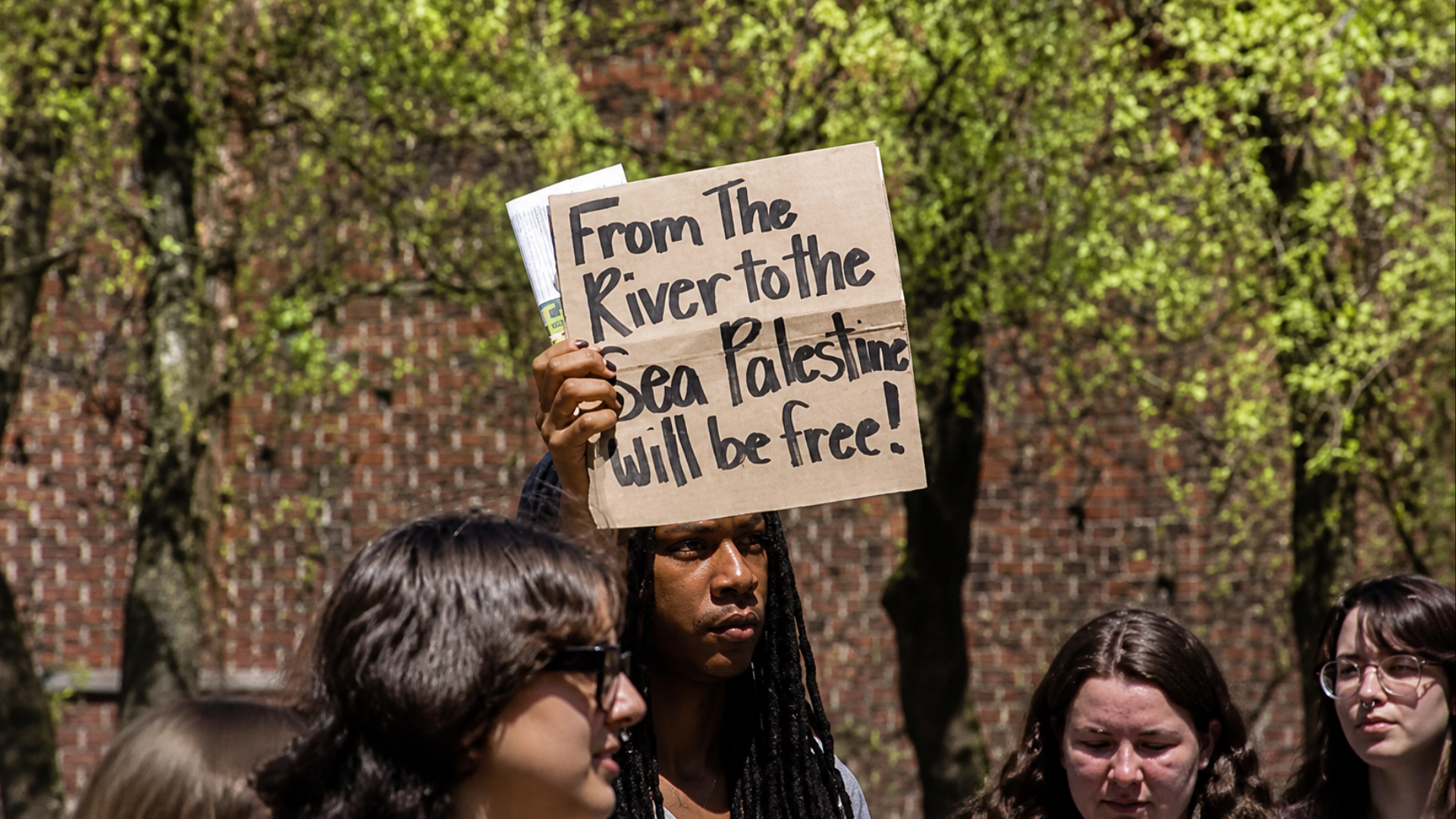
A coalition of prominent Jewish organizations including the UJA-Federation of New York, the ADL, AJC New York, the Orthodox Union, and the Union for Reform Judaism released a joint statement condemning the veto, calling it a failure to take the safety of Jewish New Yorkers at educational institutions into account. City Council Speaker Julie Menin, who sponsored both bills, said ensuring that students can enter and leave their schools without fear of harassment should not be controversial. The statement from the Jewish coalition was among the most unified public responses the community had issued in recent memory.
Buffer zones gained traction with lawmakers following incidents of antisemitism at Columbia University and other colleges after the October 7 Hamas attacks, and separately, following a demonstration near Park East Synagogue in Manhattan where some protesters chanted “Death to the IDF.” For families navigating those realities daily, the debate over legislative language felt distant from the lived experience of students deciding whether to visibly wear religious symbols to school. Hindy Poupko of UJA-Federation noted that some families had already stopped letting their children wear kippot out of fear, a detail that cut through the legal arguments with unusual clarity.
Even the Satmar Hasidic community, a faction of which had publicly supported Mamdani, condemned the veto. Satmar representatives wrote that the decision puts the safety of every student in New York City in harm’s way. Former Mayor Eric Adams’s successor in the Democratic primary, former Governor Andrew Cuomo, also weighed in, arguing that Mamdani had chosen the preferences of his political base over the safety of Jewish New Yorkers, and that the veto was part of a broader pattern that included revoking the city’s antisemitism definition and changing how antisemitic crimes are counted. The criticism was arriving from places the mayor may not have expected.
Override Votes, Albany, and an Unresolved Debate
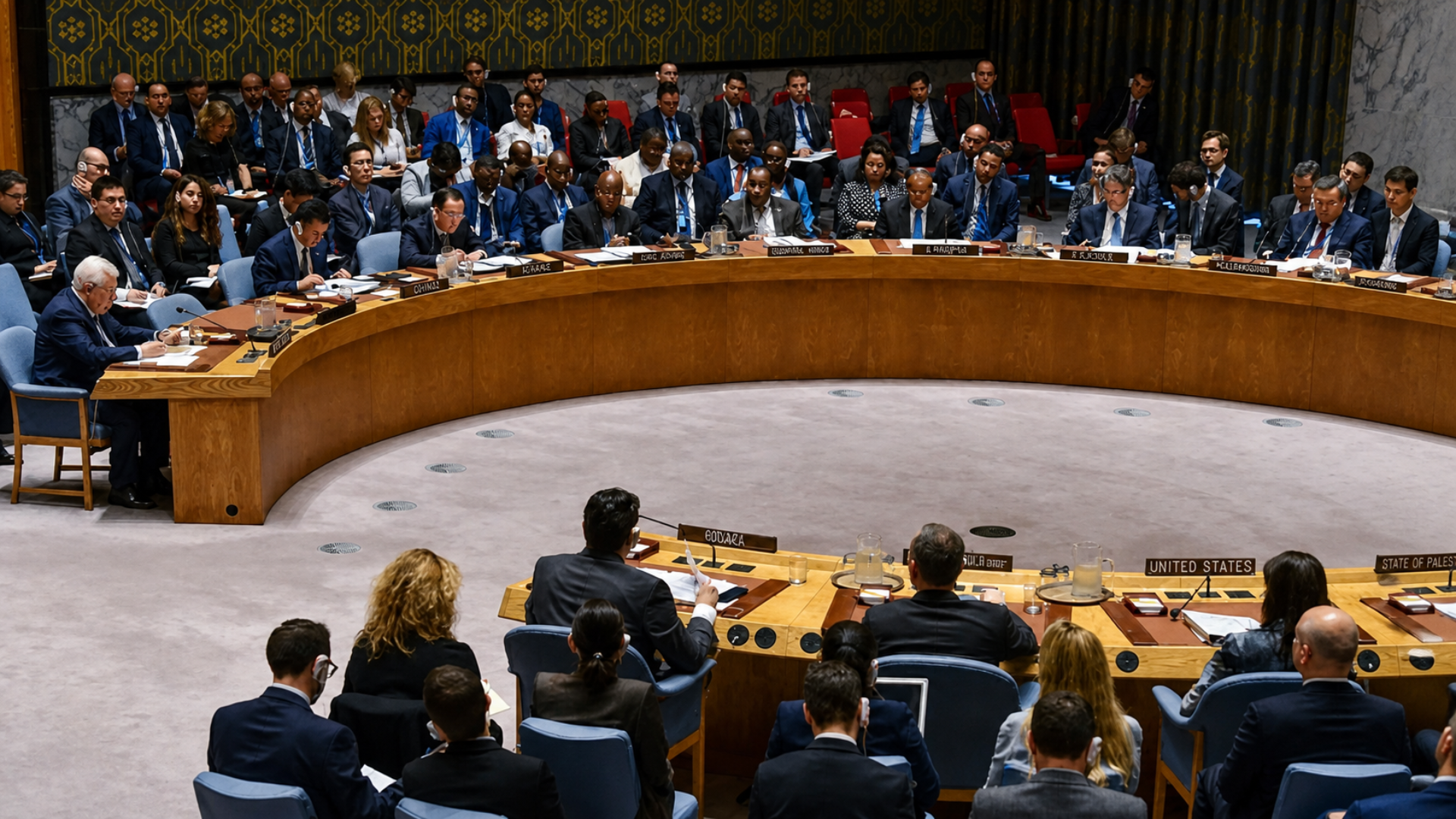
City Council Speaker Menin said the Council would have conversations over the coming weeks about whether there are enough votes to override the mayor’s veto. Overriding a mayoral veto in New York City requires 34 council votes. The bill originally passed with 30. That means four additional votes would need to be secured, a narrow but not impossible margin. Whether those votes exist will likely depend on how individual Council members weigh pressure from Jewish constituents, labor groups, and civil liberties advocates in their own districts. The math is close enough that the outcome is genuinely uncertain.
The debate is not confined to City Hall. Governor Kathy Hochul is separately pushing to create 25-foot protest-free buffer zones around houses of worship and abortion clinics statewide, a measure she has inserted into the state budget, while federal legislation on the subject has been introduced by Congressman Tom Suozzi. The New York fight over where protests may and may not lawfully occur is playing out simultaneously at the city, state, and federal levels. What happens with Mamdani’s veto may set a tone, or at least a political signal, for how those broader debates develop in the months ahead.
The question at the center of this dispute is one that democratic societies have never fully resolved: how do you protect vulnerable people without restricting the speech of those who oppose them? Progressive Jewish groups such as Jews for Racial and Economic Justice praised the veto, arguing the buffer zone bills were about silencing voices under the guise of fighting antisemitism, while the organizations that condemned the veto argued that actions speak louder than words. Both sides claim to be defending rights. The disagreement is about which rights matter more in this moment, and that is a question New York City will not finish debating with a single council vote.