Yep, Gen Z Is Choosing Pets Over Children, Data Shows

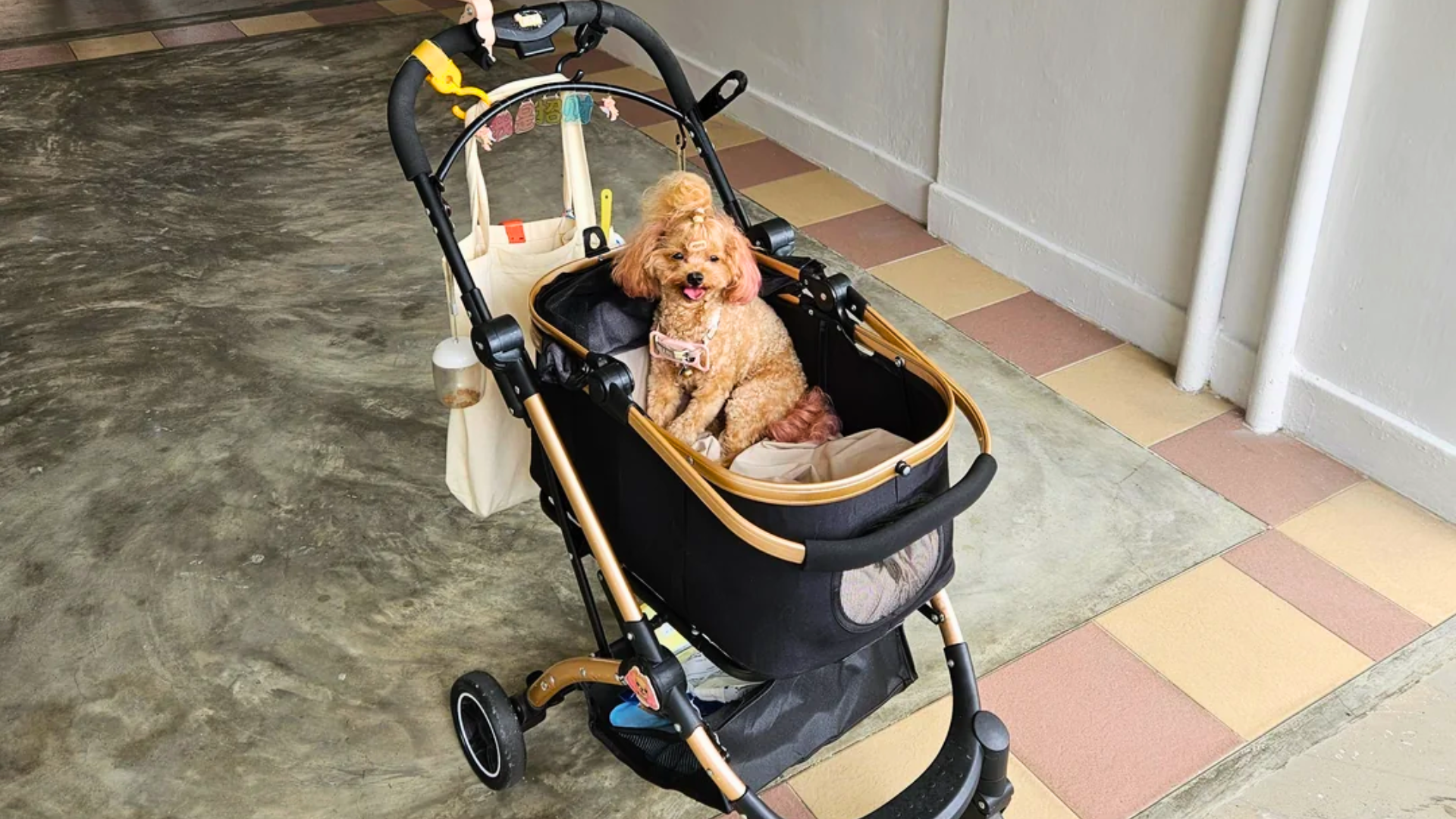
A stroller rolling through a sunny park typically signals the presence of a sleeping infant, but in 2026, the passenger is increasingly likely to be a small dog with bulging eyes. This striking shift in American family life is no longer just an observation: it is a documented demographic trend. For a growing number of young adults, the traditional milestones of parenthood are being traded for the immediate companionship and lower stakes of pet ownership.
Recent data shows that 66% of U.S. households, or nearly 87 million homes, now own a pet, a significant jump from 56% in the late 1980s. This surge is particularly dominant among younger generations, with Millennials currently making up the largest percentage of pet owners at 33%. For Gen Z, the bond is even deeper, with many prioritizing the “fur baby” experience over starting a traditional family during their early adult years.
The reasons for this pivot are rooted in both practicality and lifestyle preferences. Many young people cite the fact that pets are significantly easier to care for and place far less strain on personal finances than a human child. Mental health professionals note that Gen Z values flexibility and the ability to pursue new experiences: a goal that often feels incompatible with the twenty-four hour responsibility and long-term commitment required by raising a child in today’s world.
The Economic Wall Standing in the Way of Parenthood
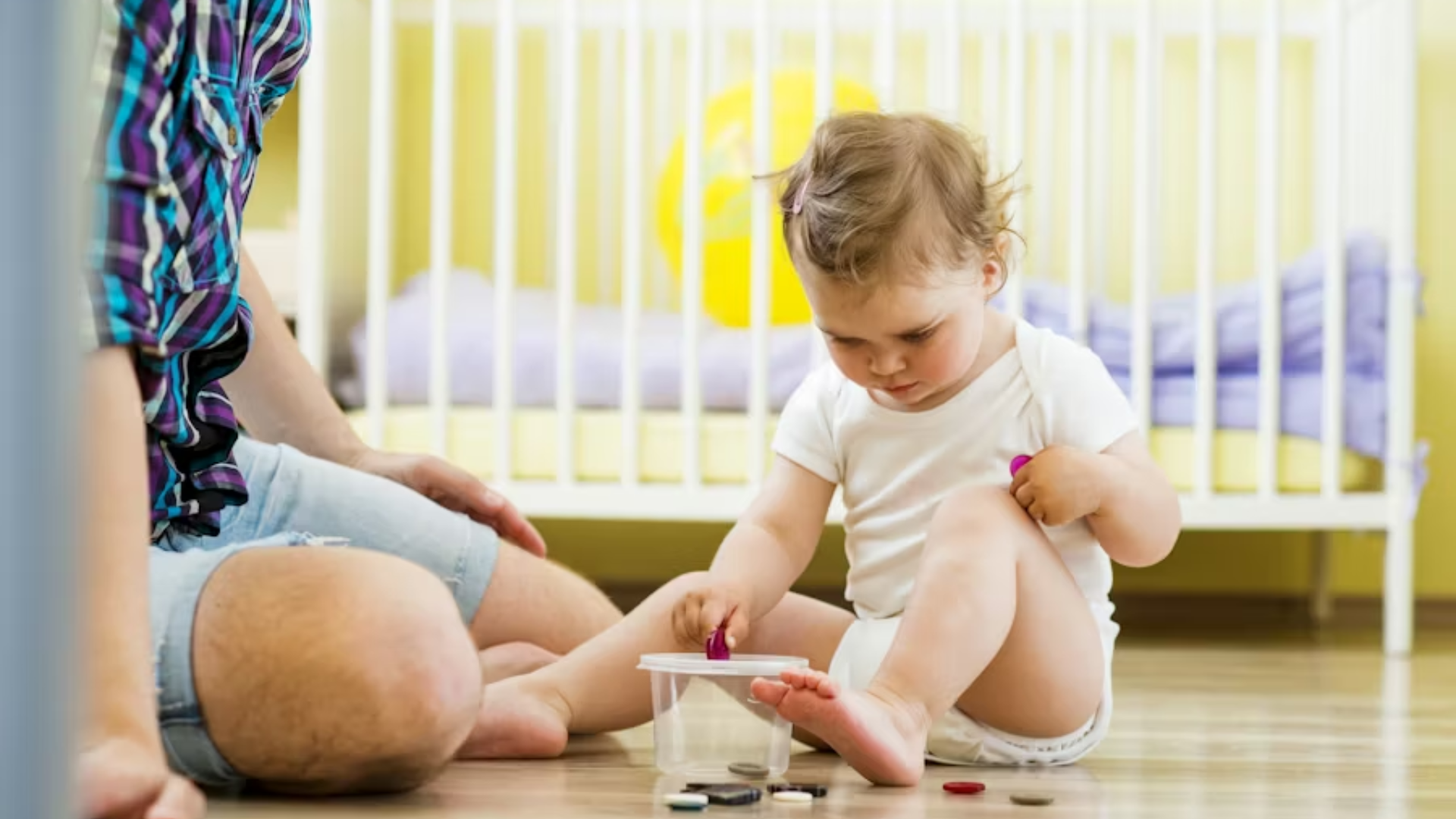
Inflation and a volatile job market have created a formidable barrier for those considering children. A 2026 estimate from LendingTree puts the average price tag of raising a child to age 18 at $303,418, marking the first time the figure has officially topped the $300,000 threshold. With annual costs averaging nearly $17,000 per year, many young Americans feel completely priced out of the experience. Housing, healthcare, and daycare have turned parenthood into a luxury.
The financial calculation is even more daunting when compared to the costs of pet ownership. While essential dog expenses cost an average of $1,533 annually, the figure remains a manageable fraction of the investment required for a child’s education and care. For a generation that witnessed their parents struggle through economic hardship, the fear of debt is a powerful deterrent. They are choosing the predictable expenses of a pet over the unknown costs of a mortgage.
Government policy has also struggled to provide enough incentive to reverse falling birth rates. In the United States, the provisional number of births declined by 1% in 2025, continuing a downward trend. Studies suggest that without aggressive support for family expenses, citizens are unlikely to return to traditional family sizes. As the gap between wages and living costs continues to widen, the decision to remain child-free is increasingly viewed as a rational financial survival strategy.
A Lack of Support From the Village

Modern young parents are finding that the proverbial village required to raise a child is smaller than ever before. Research indicates that boomer grandparents are often less involved than previous generations, partly due to globalization and families living further apart. Even when parents live nearby, lifestyle differences and a focus on personal retirement goals can leave young families without reliable childcare. This lack of support adds a physical and emotional toll to an already difficult task.
Social media has also pulled back the curtain on the grueling realities of childcare. Countless viral videos and memes chronicle the sleepless nights, loss of free time, and constant demands of parenting with brutal honesty. While these clips are often meant to be humorous, they contribute to a broader narrative that paints child-rearing as a siphoning of personal identity. Young people are seeing these stories and concluding that the personal sacrifices far outweigh the potential joys of having kids.
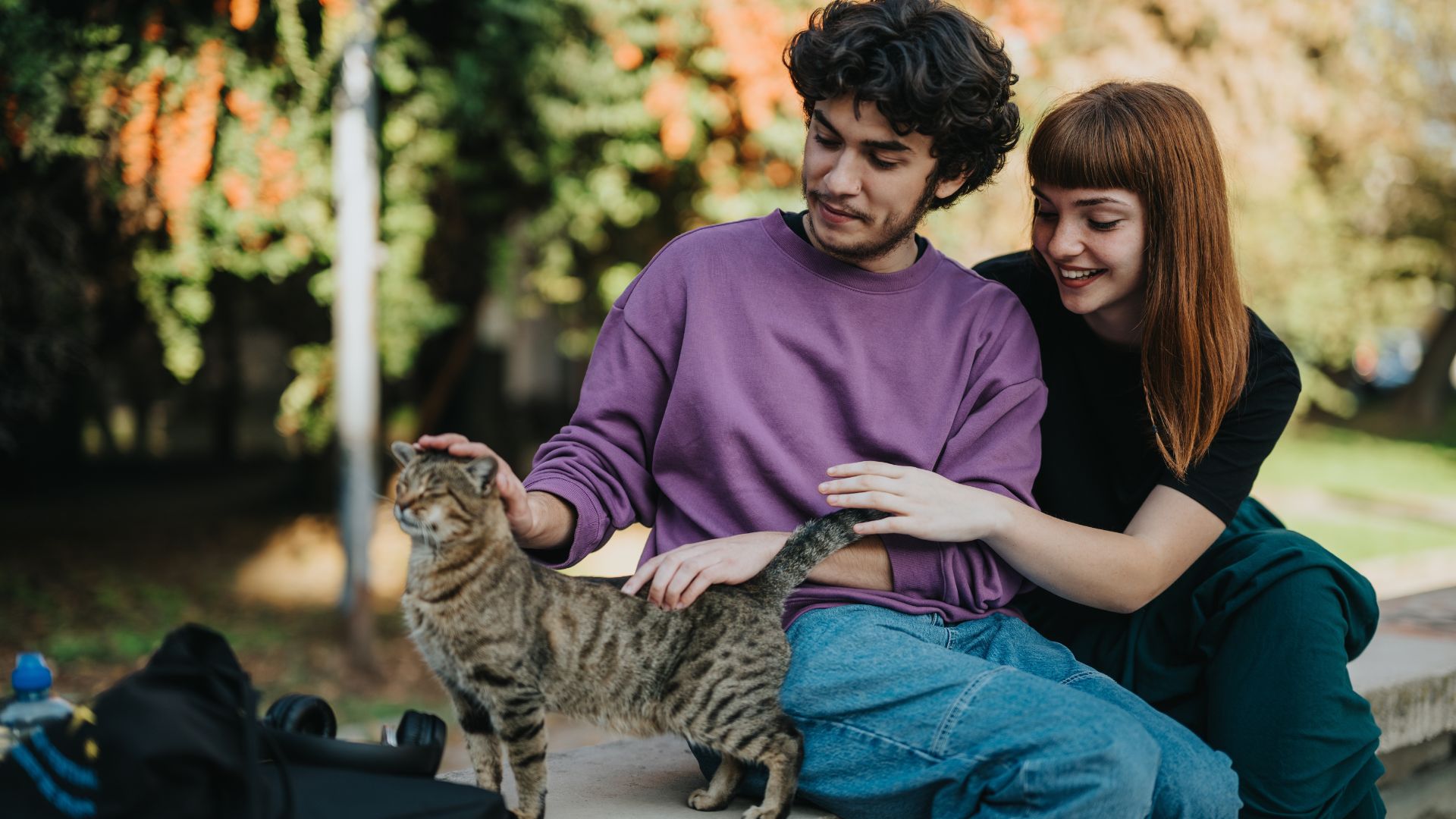
In contrast, pets offer a form of unconditional love and companionship that requires much less social and emotional baggage. A dog or cat provides a reason to go outside, helps improve mental health, and is always available for emotional support. For Gen Z, an animal offers many of the emotional benefits of a family without the long-term career pauses or the intense pressure of shaping a human life. It is seen as a more secure emotional investment.
Redefining the Meaning of a Full Life
This generation is not necessarily opting out of family: they are opting out of the burdens currently associated with it. They are choosing the freedom and flexibility that exist on the other side of a child-free lifestyle. While critics argue that pets are not a true substitute for children, for many young adults, they are a perfect fit for a modern world that feels increasingly isolated and expensive. The definition of a full life is being rewritten in real time.
The shift toward fur families demands that society and the government reflect on why child-rearing has become such an unappealing enterprise. If culture and policy do not adapt to make parenting more sustainable and supported, the birth rate will likely continue its downward trajectory. Young people are voting with their feet and their wallets, prioritizing their own well-being and stability in an uncertain era. The rise of the pet stroller is merely a visible symptom of deep systemic change.
The question of why birth rates are falling might be the wrong one to ask. We should instead examine how our society can better support the families that do choose to have children while respecting those who find fulfillment in a different way. Whether a home includes a toddler or a tabby cat, the desire for connection remains universal. As we move through 2026, the American family will continue to evolve in ways that prioritize joy over traditional obligation.