Cruise Ship MV Hondius Turned Blocked From Docking After Suspected Hantavirus Outbreak, Raising Health Concerns
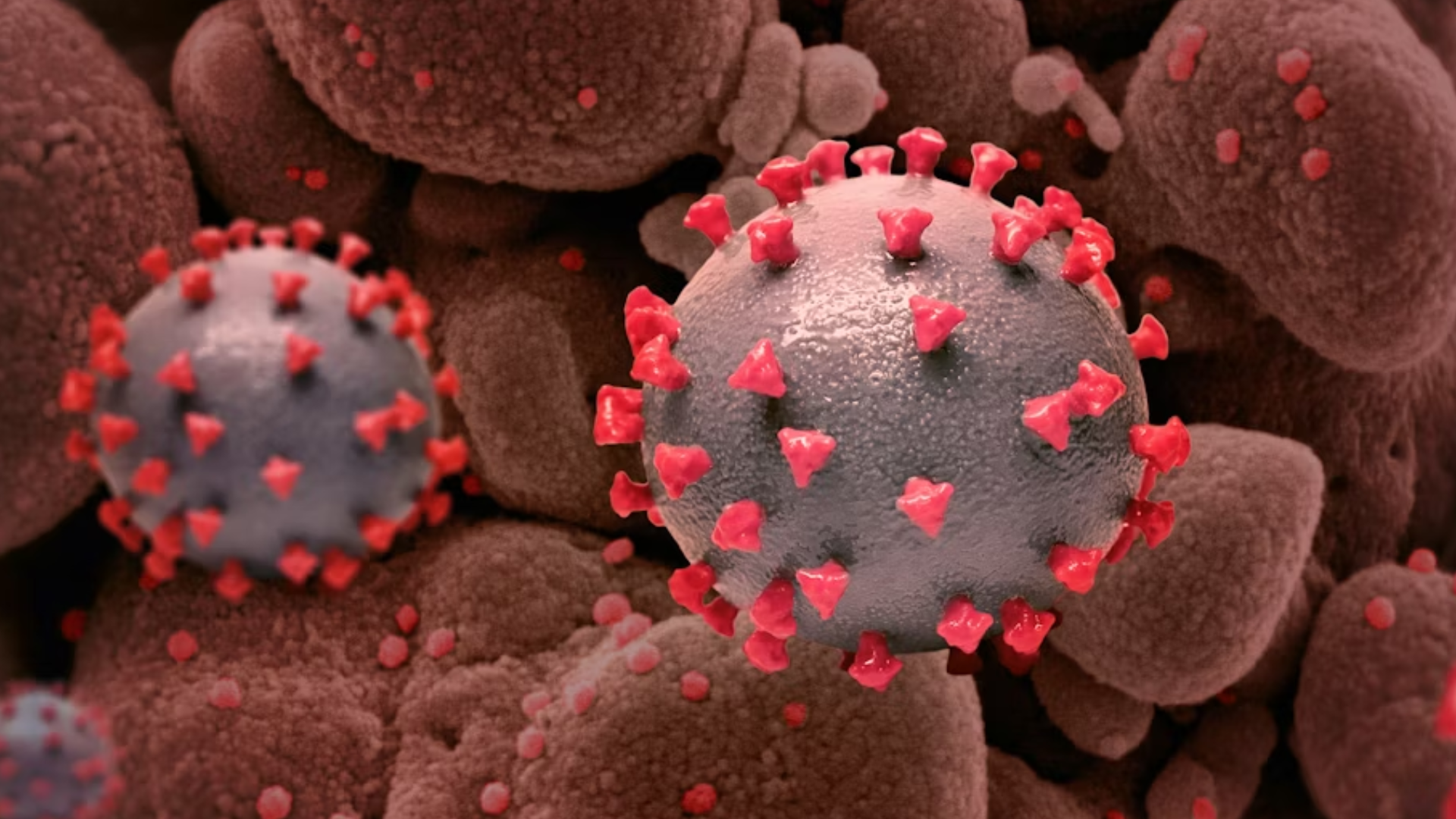

A luxury expedition cruise turned into a global health concern after the MV Hondius was denied permission to dock near Cape Verde following a suspected outbreak of hantavirus onboard. The ship, carrying nearly 150 passengers and crew from dozens of countries, was forced to remain offshore as authorities assessed the risk of allowing potentially infected individuals onto land.
The situation quickly escalated after multiple passengers fell ill with severe respiratory symptoms, prompting international health agencies to step in and coordinate a response. The World Health Organization confirmed at least one case of hantavirus and identified several additional suspected infections, raising alarms due to the virus’s severity and high mortality rate in some cases.
As the ship remained stranded offshore, passengers were confined onboard while medical teams worked to evaluate the outbreak, highlighting how quickly a contained environment like a cruise ship can become a focal point for global health concerns.
What Happened Onboard The MV Hondius
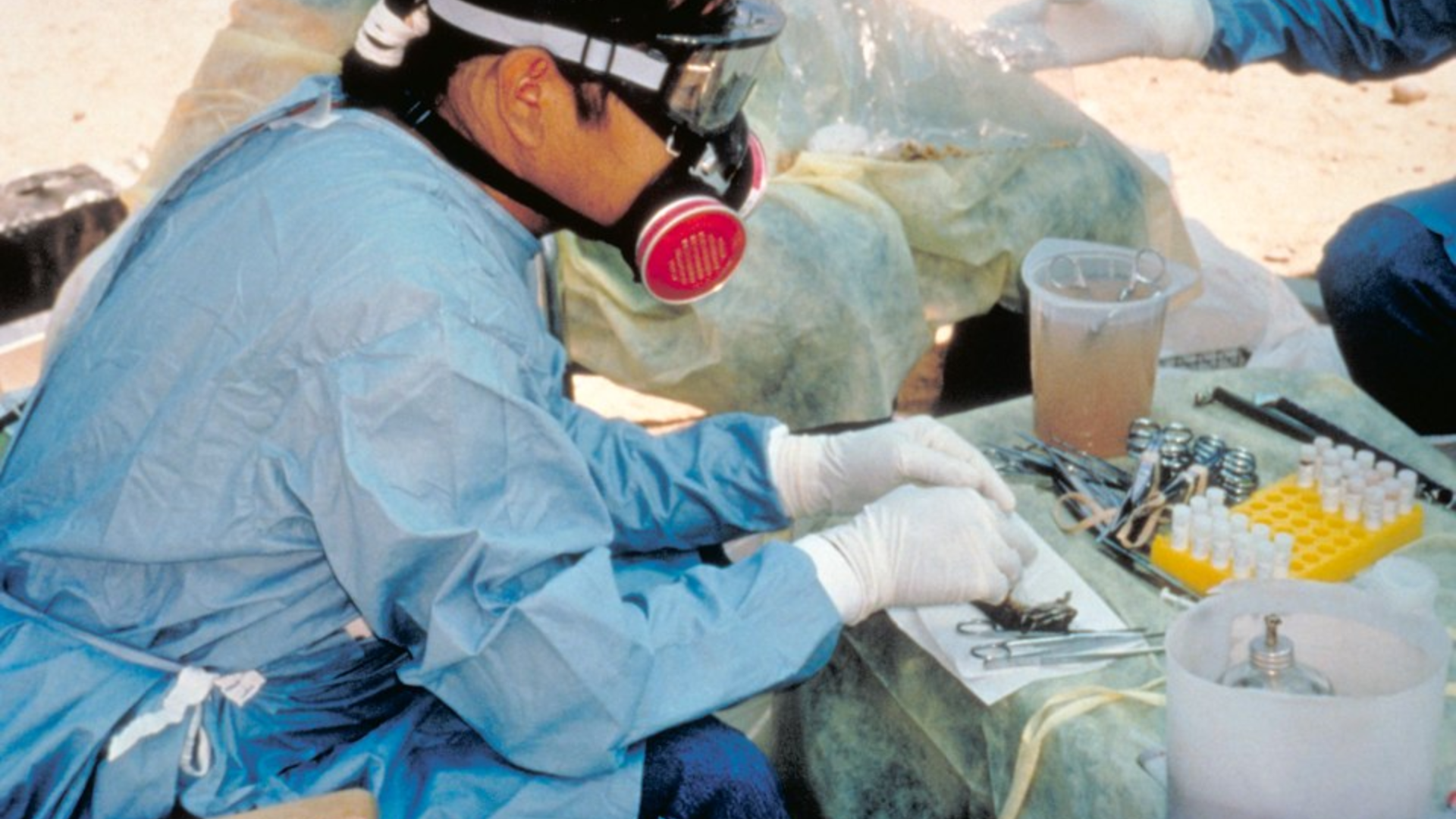
The outbreak began during a long expedition voyage that had traveled from Argentina through remote regions of the South Atlantic, with the first known case involving a passenger who developed symptoms and later died onboard. Over the following weeks, additional cases emerged, eventually resulting in at least three deaths and several serious illnesses among passengers.
Among the victims were individuals from multiple countries, including a Dutch couple and a German passenger, while others required urgent medical evacuation to facilities in South Africa. Several crew members also began showing symptoms, adding to the urgency of the situation and complicating containment efforts.
With Cape Verde authorities refusing to allow the ship to dock due to fears of spreading the illness, passengers were effectively quarantined at sea, and discussions began about diverting the vessel to other locations such as Spain’s Canary Islands for further treatment and disembarkation.
Why Hantavirus Is Causing Concern
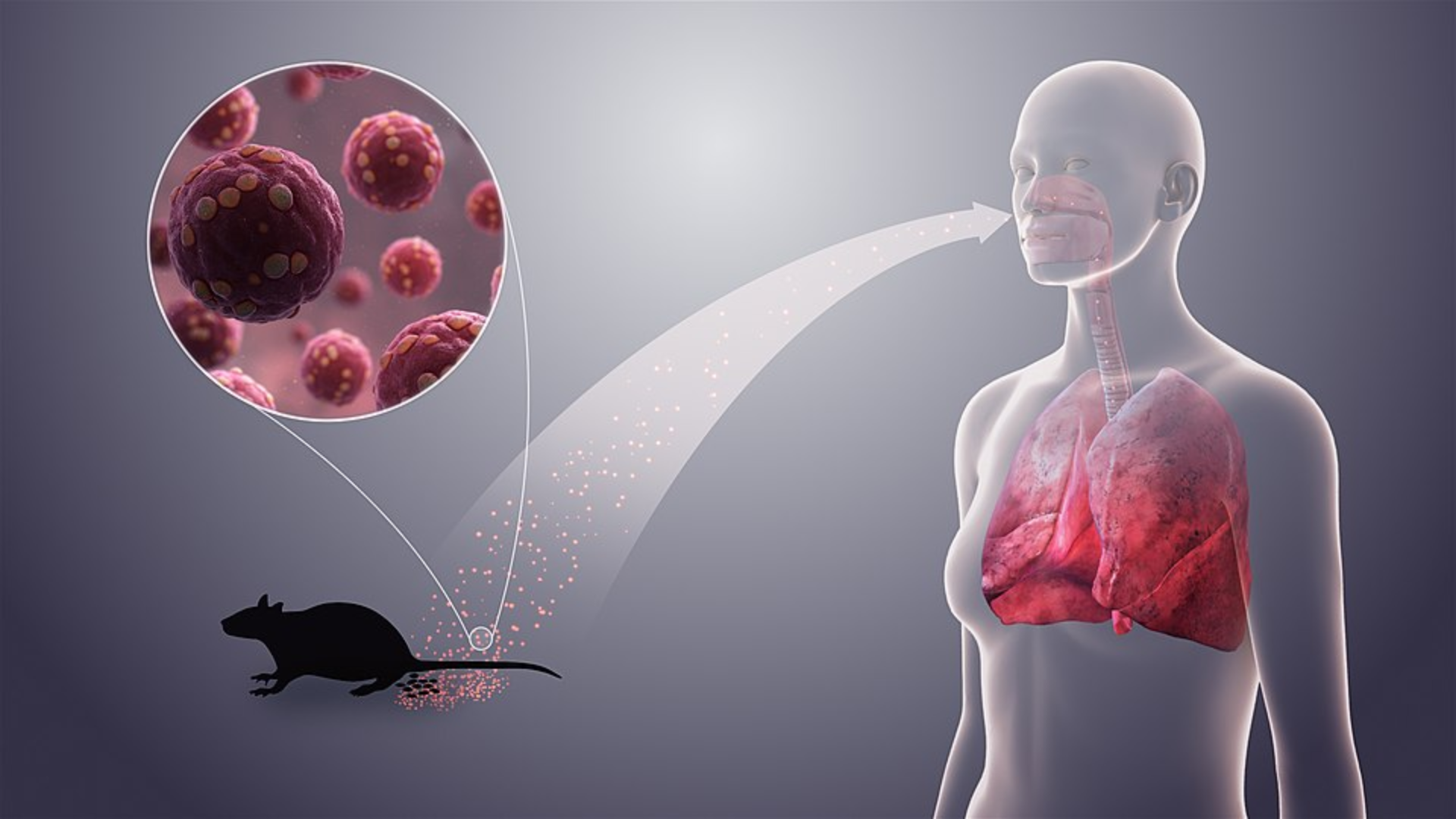
Hantavirus is a rare but potentially deadly disease that is typically transmitted through contact with infected rodents or their droppings, rather than through casual human interaction, although certain strains can spread between people in rare cases. The virus can lead to severe respiratory illness or hemorrhagic fever, making it especially dangerous if not identified and treated quickly.
Symptoms often begin with flu-like signs such as fever, fatigue, and muscle aches, but can rapidly progress into serious breathing difficulties or organ complications, which is why outbreaks in confined environments like cruise ships are treated with extreme caution.
Health experts believe the outbreak may have been linked to environmental exposure during the voyage, possibly involving contaminated areas or materials onboard, though investigations are still ongoing to determine the exact source and whether any person-to-person transmission occurred.
A Contained Crisis With Global Attention

While the outbreak has drawn significant international attention due to its severity and unusual setting, health authorities have emphasized that the risk to the general public remains low, as hantavirus is not easily transmitted in typical everyday interactions.
Efforts are ongoing to isolate affected individuals, provide medical care, and determine when and where passengers can safely disembark, with multiple countries and health agencies coordinating to manage the situation effectively.
Ultimately, the incident serves as a reminder of how quickly health emergencies can arise in shared travel environments, and how critical rapid response, containment measures, and international cooperation are in preventing localized outbreaks from becoming larger global threats.