Louisiana Bill Could Jail People for Sleeping Outside or Require Unpaid Labor to Cover Program Costs
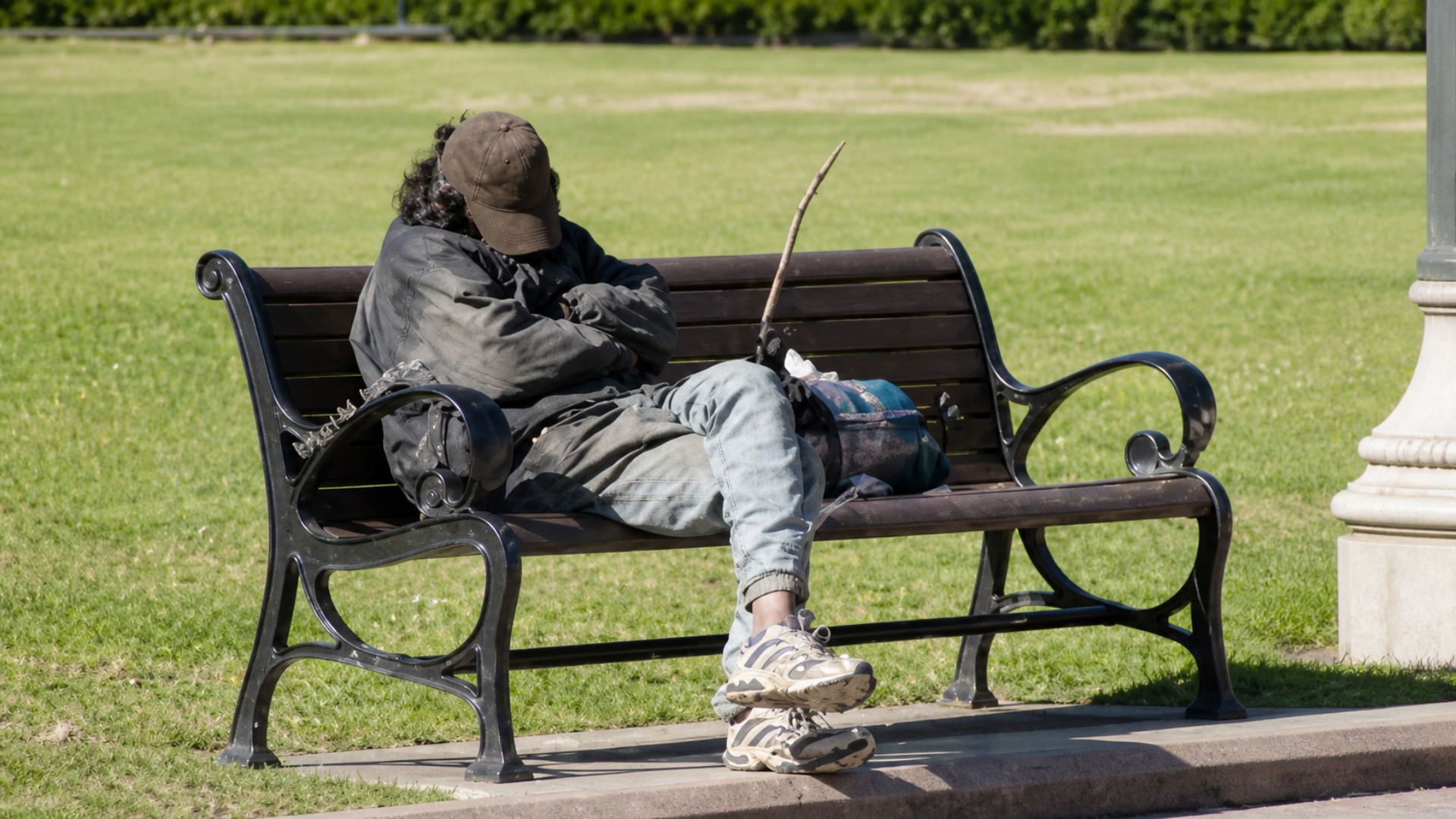

A Louisiana bill could soon make closing your eyes on a park bench a criminal offense. House Bill 211, nicknamed the “Streets to Success Act” by its sponsor, passed the Louisiana House by a vote of 70 to 28, making unauthorized sleeping in public spaces a crime punishable by a fine of up to $500, imprisonment for up to six months, or both. For thousands of unhoused residents across the state, that is not a policy shift. It is a threat to their survival.
The bill was authored by Representative Debbie Villio, a Republican from Kenner, and bans what it calls “unauthorized camping” on public property. That definition is broad enough to cover a tent, a makeshift shelter, or even a blanket arranged for overnight sleep outside a designated campground. Law enforcement would be empowered to issue citations or make arrests on the spot. Villio has framed the legislation as a compassionate intervention designed to connect vulnerable people with services, not to punish them for being poor.
The bill’s treatment alternative, however, is where critics say the real danger lies. Those convicted of sleeping outdoors could be given the option to avoid jail time by entering a mandatory treatment program lasting at least 12 months. But that program comes with its own financial requirements, and for people who have nothing, those requirements could lead somewhere far darker than a courthouse. What happens when someone cannot pay is where this bill takes its most disturbing turn.
When “Treatment” Becomes a Trap
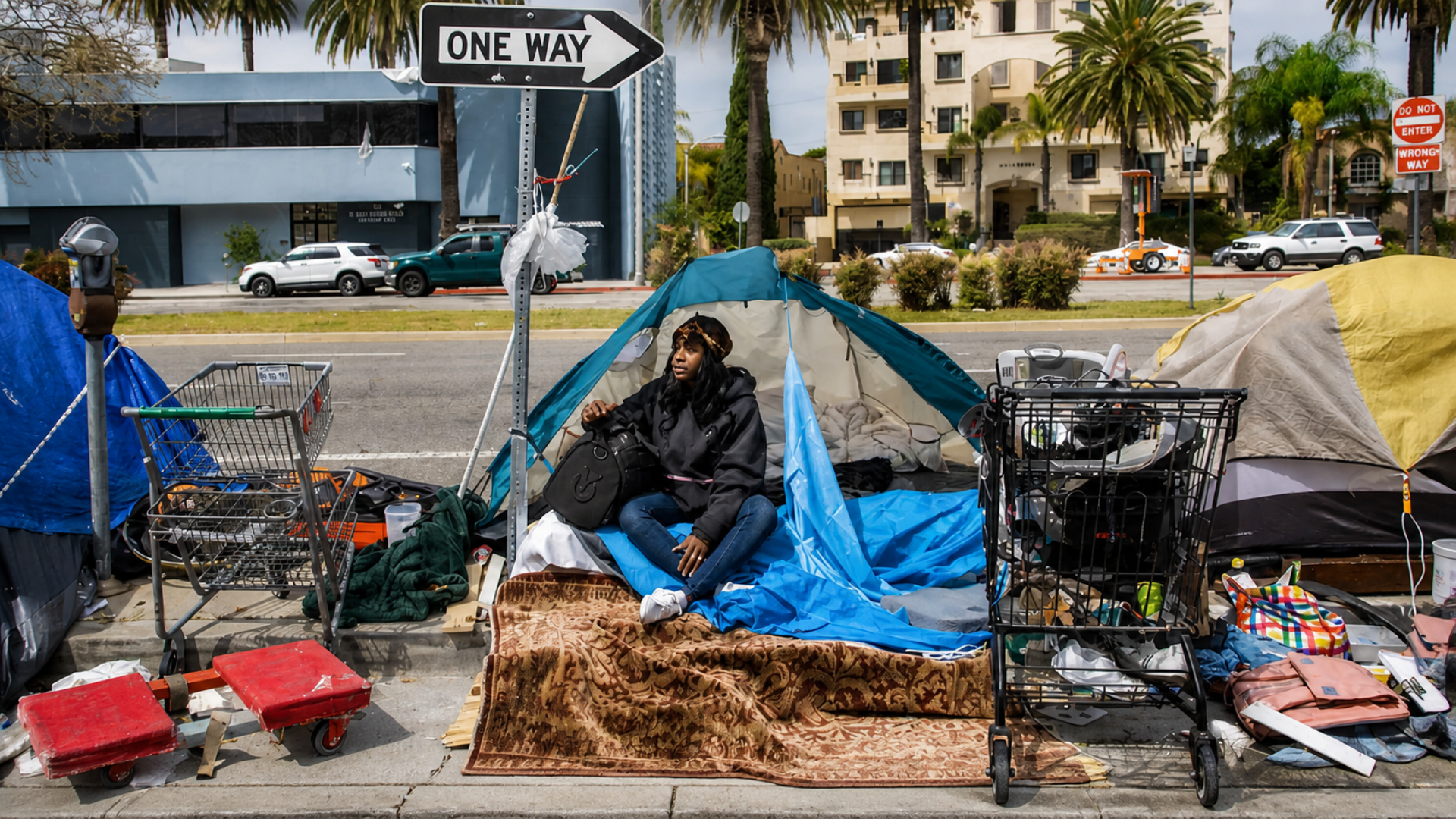
People enrolled in the treatment program could be required to pay for all or part of its costs. If they are unable to pay, the bill authorizes courts to mandate unpaid labor to offset those costs. Advocacy groups argue this structure amounts to coerced labor for people whose only offense is lacking a roof over their heads. The National Homelessness Law Center called it one of the cruelest anti-homeless bills in the country, saying it forces people to choose between jail and involuntary treatment, then makes them pay for it.
Finance expert Michael Ryan, founder of MichaelRyanMoney.com, told Newsweek that the bill functions as a debt trap by design. According to Ryan, the bill “creates a population of people who are, by definition, unable to pay,” then converts that inability into a labor obligation. He added that no legitimate treatment program requires patients to work off their bills under threat of incarceration. Once someone cannot pay, he argued, they stop being a person in treatment and become, in his words, “a labor asset.”
Bill Quigley, director of the Gillis Long Poverty Law Center at Loyola University New Orleans, described HB 211 as a “cruel theatre of the absurd.” He said the bill advances the false premise that people choose to be homeless, while also assuming that communities already have all the resources needed to end homelessness. If people had the money for housing and health services, he pointed out, they would not be living on the street. The bill, critics say, punishes people for a problem it does nothing to solve.
An Arrest Record That Follows You Forever
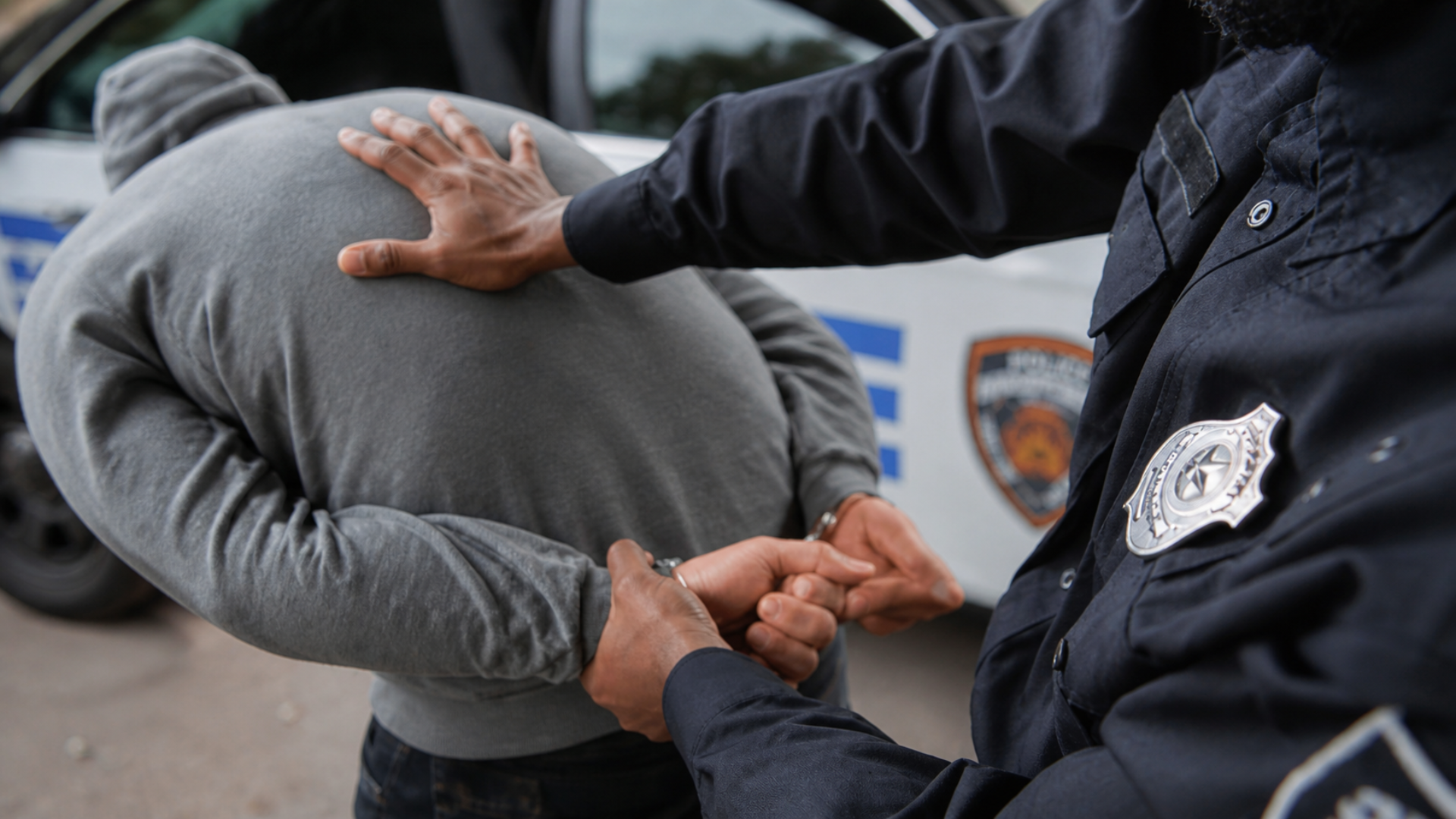
For individuals already experiencing housing instability, criminal penalties can make it harder to secure employment, pass background checks, and access housing, further limiting their ability to achieve long-term stability. Housing advocates testified during legislative hearings that an arrest under this bill would follow a person long after the tent was taken down. Rather than a path out of homelessness, a criminal record could become the very wall that keeps people trapped inside it.
Alex Beene, a financial literacy instructor at the University of Tennessee at Martin, echoed those concerns in comments to Newsweek. According to Beene, this law could make the path to economic stability more difficult for affected individuals, not less. An arrest record has historically made it harder for Americans to find work and build financial security. For someone already experiencing homelessness, he said, that barrier could be nearly impossible to overcome.
The bill’s reach extends beyond individual consequences. William Hall, a political science and business professor at Webster University, warned that if passed into state law, the bill could effectively authorize Louisiana to sanction a form of involuntary servitude not seen since it was legally permitted in the United States. Critics note that the 13th Amendment abolished slavery except as punishment for a crime, and that this exception has historically created economic incentives to increase incarceration and exploit imprisoned people as cheap labor, predominantly affecting Black people and people of color. Hall urged far deeper legal scrutiny before the bill advances any further.
A National Precedent in the Making
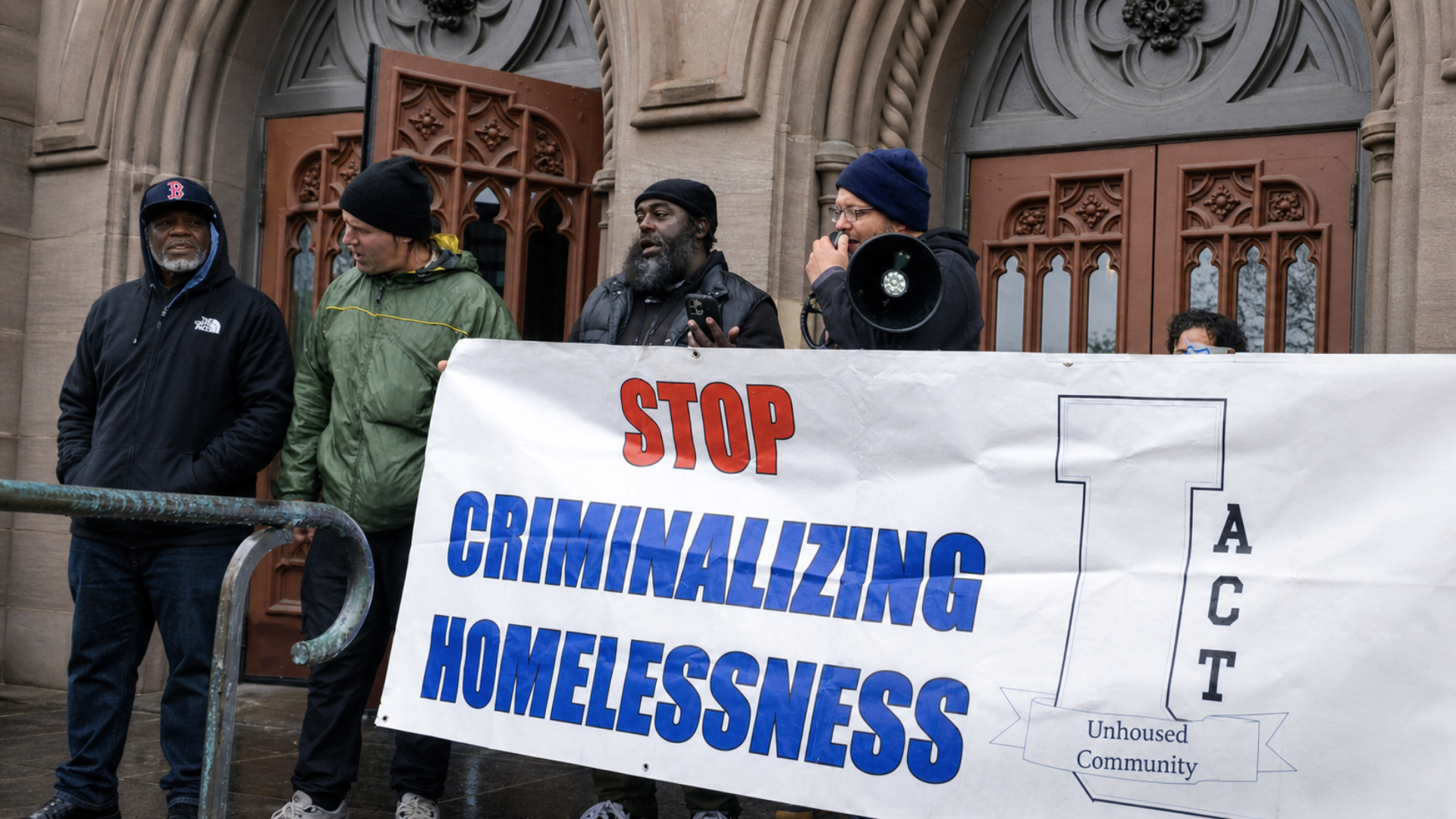
House Bill 211 has passed the Louisiana House and advanced out of committee, clearing a major legislative hurdle. It now heads to the Senate Judiciary Committee for further consideration. While Republican lawmakers hold enough seats to pass the measure, public opposition from housing advocates, local officials, and civil rights groups is intensifying. The bill could still be amended, stalled in committee, or challenged in court if it becomes law, but its momentum is real.
New Orleans City Council member Lesli Harris argued that jailing one person costs an average of $51,000, compared to roughly $21,844 to house that same person through the city’s existing Home for Good program. She said HB 211 would steer Louisiana toward the most expensive option while producing no lasting housing, no services, and no real path forward for people affected by it. The numbers, she argued, expose the bill’s “Streets to Success” framing as something that delivers neither streets nor success.
Other states and cities are considering enacting outdoor camping bans or stricter penalties following recent court rulings that expanded local authority to regulate public sleeping. Louisiana has one of the most aggressive proposals currently under consideration. If it passes, legal experts, advocates, and civil rights organizations warn it could inspire similar measures in other states, quietly normalizing a system where poverty is not a condition to be addressed but an offense to be punished.