A Texas City Edges Toward Becoming the First in the US to Run Out of Water
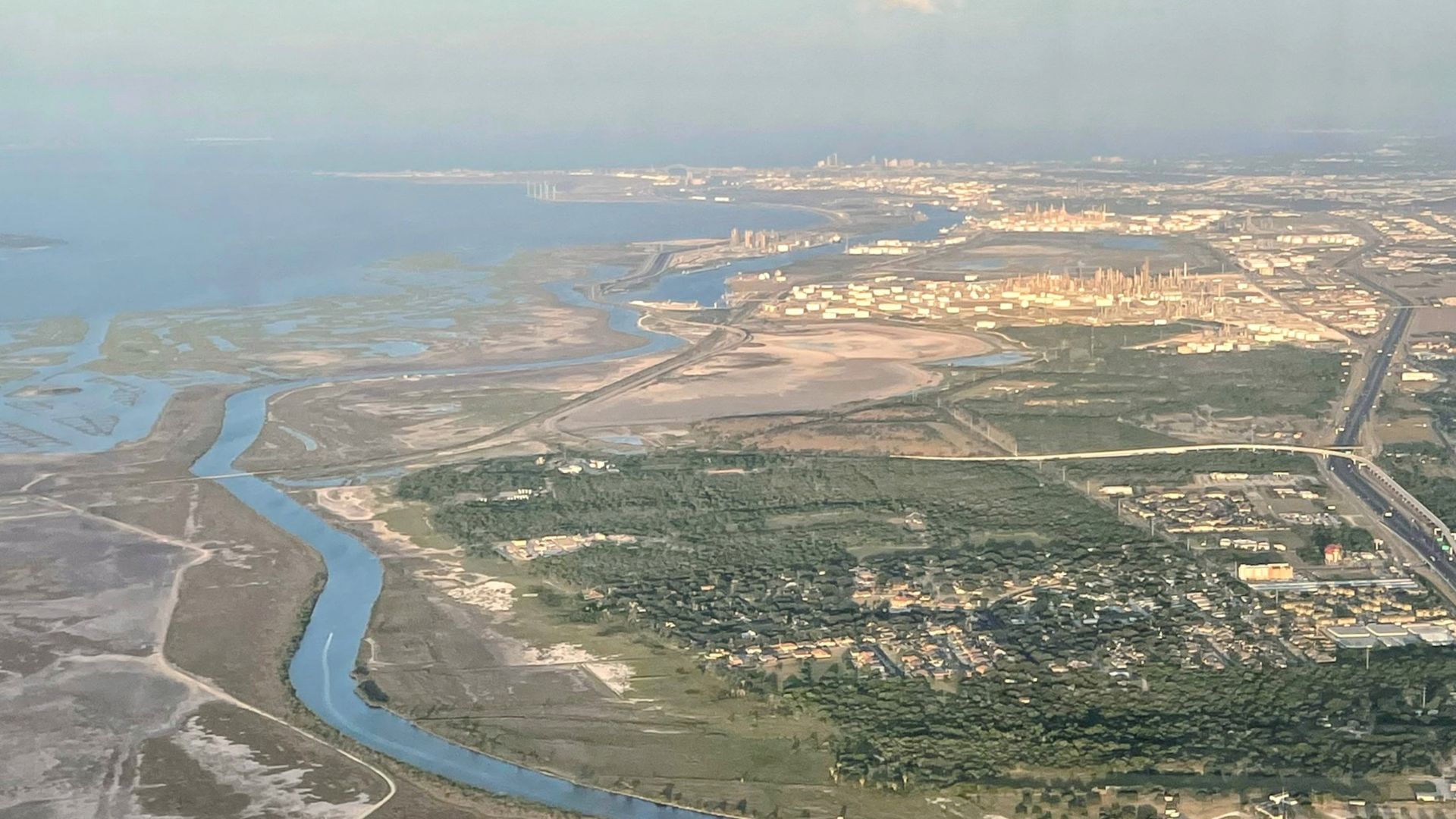

No American city has ever run completely dry. Corpus Christi, Texas, may be headed there. The city’s reservoirs are on pace to empty out by next year if significant rainfall doesn’t arrive, putting 500,000 residents and a sprawling Gulf Coast industrial corridor at risk. City officials have begun preparing for a water emergency unlike anything the country has faced before.
The City Has No Playbook for What’s Coming

When Corpus Christi city officials began openly acknowledging the scale of the crisis in March, City Manager Peter Zanoni told the city council there was simply nothing to reference. “We have no precedent to follow. There’s no manual, there’s no video,” he said. The city is now attempting to design emergency rules on the fly, with a formal water emergency declaration expected later this year.
Corpus Christi Plans a 25 Percent Cut for All Water Users

City Manager Zanoni announced that Corpus Christi plans to require all water users, residents, businesses, and industry alike to reduce consumption by 25 percent beginning in September. The city has set a target of reducing demand by 15.7 million gallons per day. Officials have said nearly all of those cuts will need to come from the city’s large industrial users, not from households, which have already been under lawn-watering restrictions since 2023.
Households Are Already at Their Limit

City data shows that about 70 percent of Corpus Christi homes already use less water than the proposed restrictions would require. Around 27,000 households would still need to reduce usage further, with current proposals calling for a $500 fine and a misdemeanor charge for a first violation, and water service suspension for repeat offenders. Mayor Paulette Guajardo pushed back on that approach, saying she could not support cutting off anyone’s water supply and suggested making household cuts voluntary.
Schools Are Preparing for a Worst-Case Scenario
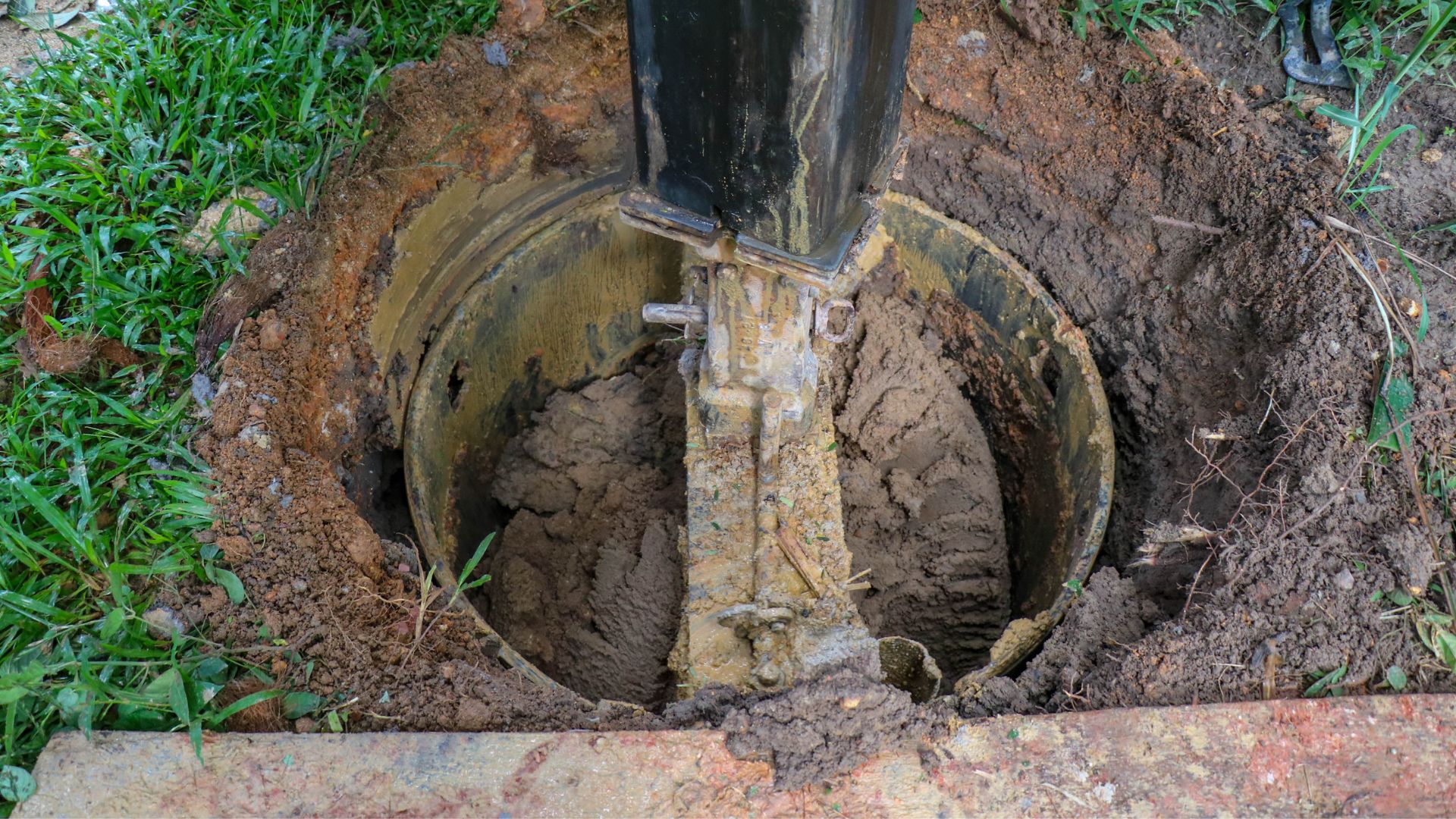
Corpus Christi Independent School District, which serves 33,000 students, has said it does not plan to cancel classes in a water emergency, noting that working families depend on schools for meals and a safe learning environment. Still, the district is seeking permits to drill three water wells at middle schools and a sports complex. Officials have acknowledged that tighter water restrictions would add financial pressure, though the exact costs remain unclear.
Hospitals Are Seeking Their Own Water Sources

City leaders have indicated hospitals will likely receive exemptions from the harshest cuts, though which procedures qualify and which don’t have yet to be determined. Nick Winklemann, the city’s water utility chief operating officer, said the city needs hospitals to lay out the specifics themselves, noting that city officials are not experts in hospital operations. Both of Corpus Christi’s hospital districts are also exploring plans to drill their own wells, though timelines for doing so remain uncertain.
Industry Faces the Steepest Cuts, and the Most Scrutiny

Among all the city’s water users, its industrial sector faces the greatest pressure. A single ExxonMobil plastics plant alone consumes 13 million gallons of water per day, a figure that dwarfs what all city pools and splash pads use over an entire summer. Companies including Valero, Flint Hills Resources, and Occidental Chemical have not publicly detailed how they would manage cuts of that scale. Their contingency plans, developed over months, remain proprietary.
Shutdowns Could Unravel the Local Economy

Flint Hills Resources, which supplies jet fuel to Texas airports from its Corpus Christi refinery, has warned that severe water cuts could force parts of its operations to halt. Drew Molly, former chief operating officer of Corpus Christi Water, noted that companies have spent months developing contingency plans, but those details are not public. Don Roach, a former assistant general manager of the San Patricio Municipal Water District, described the potential fallout as an “unprecedented disaster,” adding that without industry, little else in the local economy could survive.
The Emergency Has No Set End Date

City officials have not set an expiration date on the emergency. It would most likely ease if heavy rain refilled the region’s reservoirs. If conditions continue to deteriorate, the city could begin rotating water access by neighborhood zones, bring in bottled water, or fill cisterns by tanker truck. In an extreme scenario, officials have acknowledged that managed evacuations could become necessary, though they consider that outcome highly unlikely.
Officials Say the Situation Is Manageable, for Now
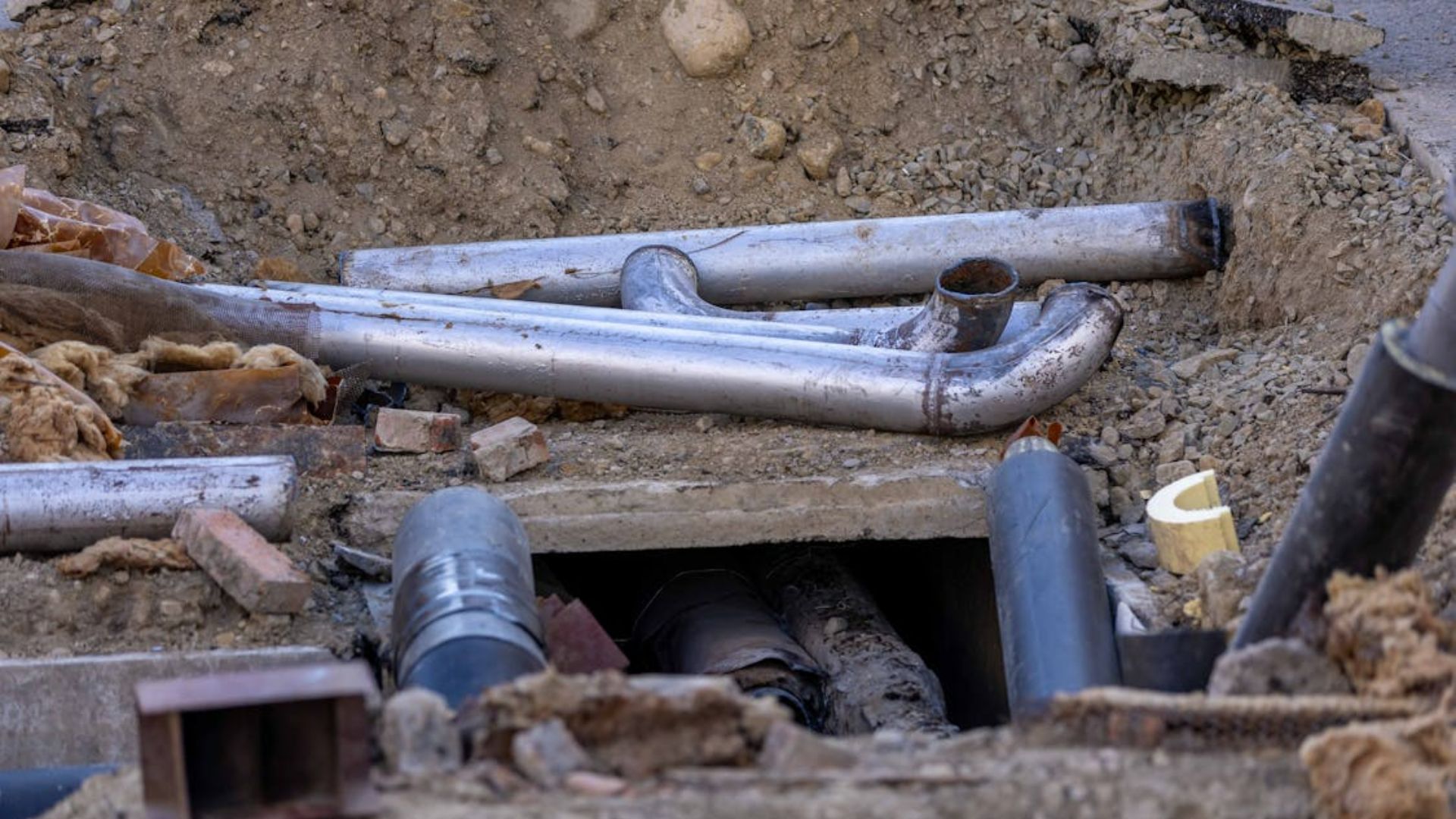
Corpus Christi’s director of communications, Elisa Olsen, said in a late April statement that the city is not currently at risk of running out of water, pointing to a $1 billion investment in water supply projects designed to buy time. Even so, Shannon Marquez, a professor at the Columbia Water Center, told the climate publication Grist, as reported by Futurism, that what’s unfolding in Corpus Christi may not stay unique for long. “It’s very consistent with how things are going to unfold if we don’t start to plan,” Marquez said.