Kevin O’Leary Says Let Spirit Airlines Fail While Trump Pushes a $500 Million Bailout to Save It
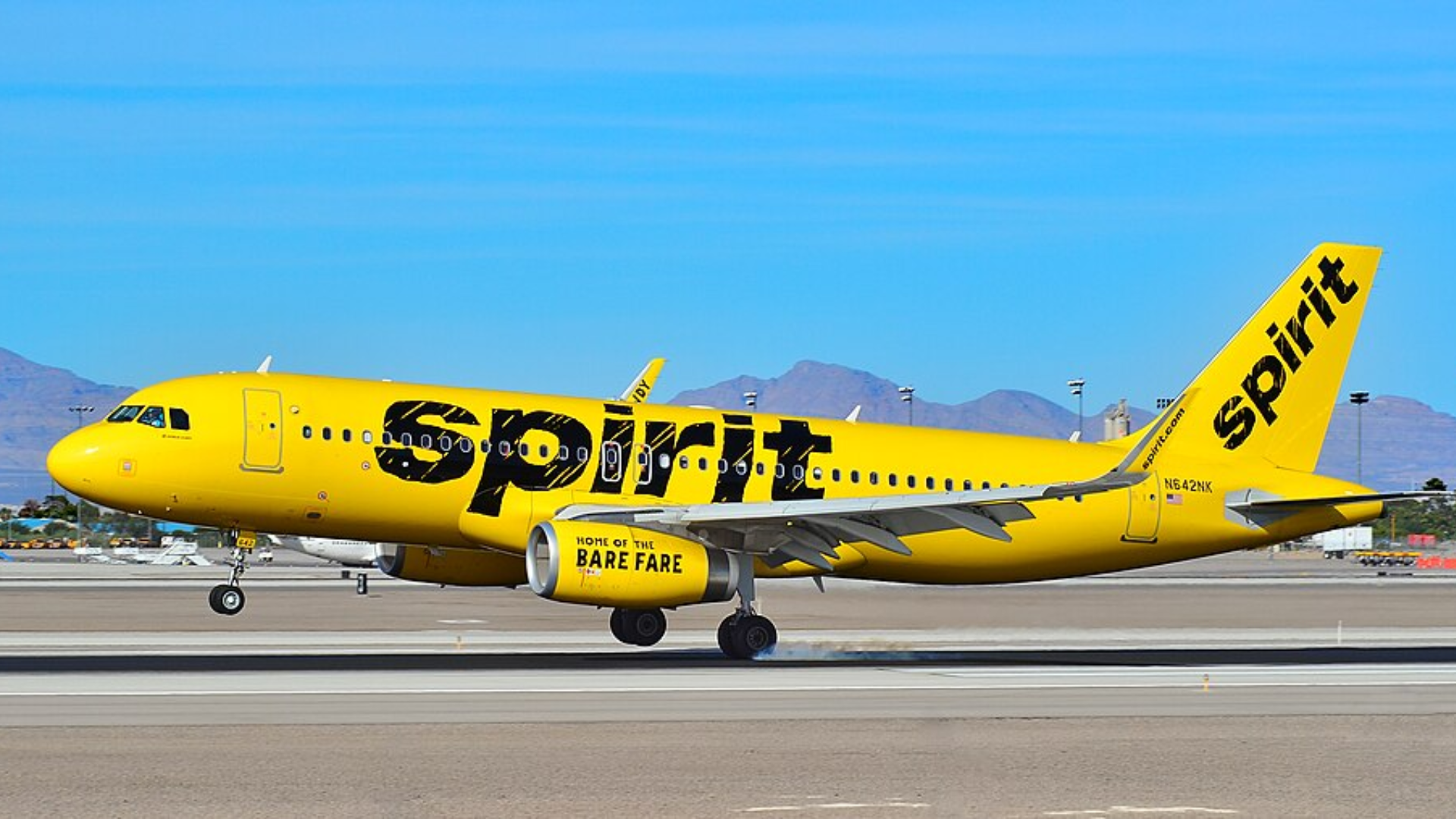

A heated debate is unfolding over the future of Spirit Airlines as the Trump administration considers a $500 million bailout package while investor Kevin O’Leary argues the airline should be allowed to fail. The proposal reportedly involves federal financial support that could give the government a significant stake in the struggling carrier. Spirit has been facing severe financial distress, including bankruptcy filings and rising operational costs. The clash highlights a broader ideological divide over government intervention in failing private companies.
O’Leary Calls Bailout a “Really Bad Idea”
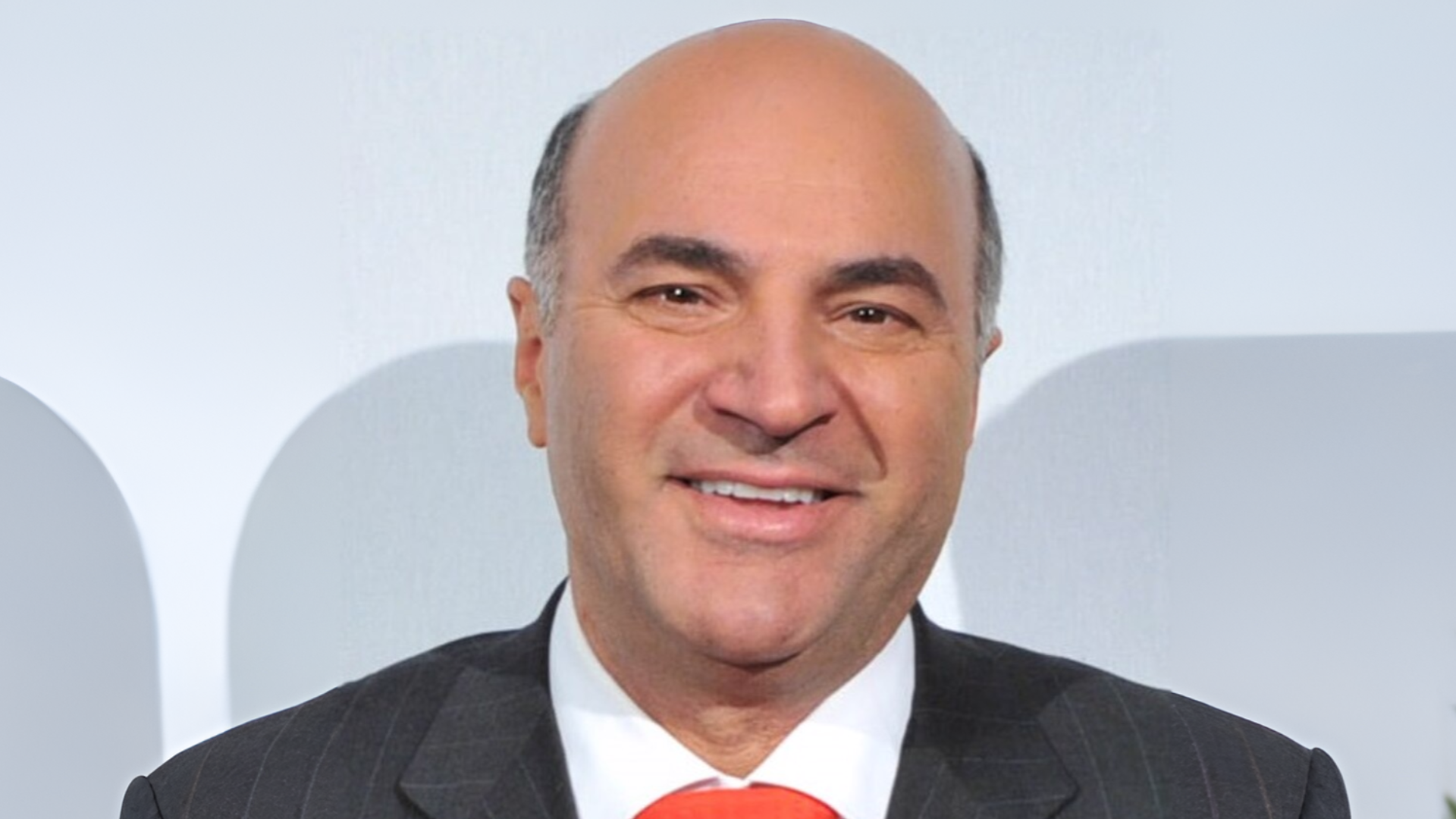
Kevin O’Leary has strongly criticized the proposed bailout, calling it a “really bad idea” and arguing that failing companies should not be rescued by taxpayers. He says capitalism only works when unsuccessful businesses are allowed to collapse, making way for more efficient competitors. His stance reflects a long-standing belief that government intervention distorts free markets. O’Leary has repeatedly voiced opposition to airline bailouts in particular.
Trump Administration Explores $500 Million Rescue Plan
The Trump administration is reportedly evaluating a rescue plan for Spirit Airlines that could include up to $500 million in federal support. One version of the proposal would give the government a potential ownership stake in the airline after restructuring. Supporters of the plan argue it could protect thousands of jobs and stabilize a key low-cost carrier. However, details remain under negotiation amid political and financial uncertainty.
Spirit Airlines Faces Deep Financial Trouble

Spirit Airlines has been struggling with significant financial instability, including multiple bankruptcy filings over the past year. The airline has been hit by rising fuel costs, post-pandemic demand shifts, and operational losses. These pressures have left it close to liquidation without external support or restructuring. The company’s future now depends heavily on whether a bailout or private solution is reached.
Jobs at Stake in Potential Collapse
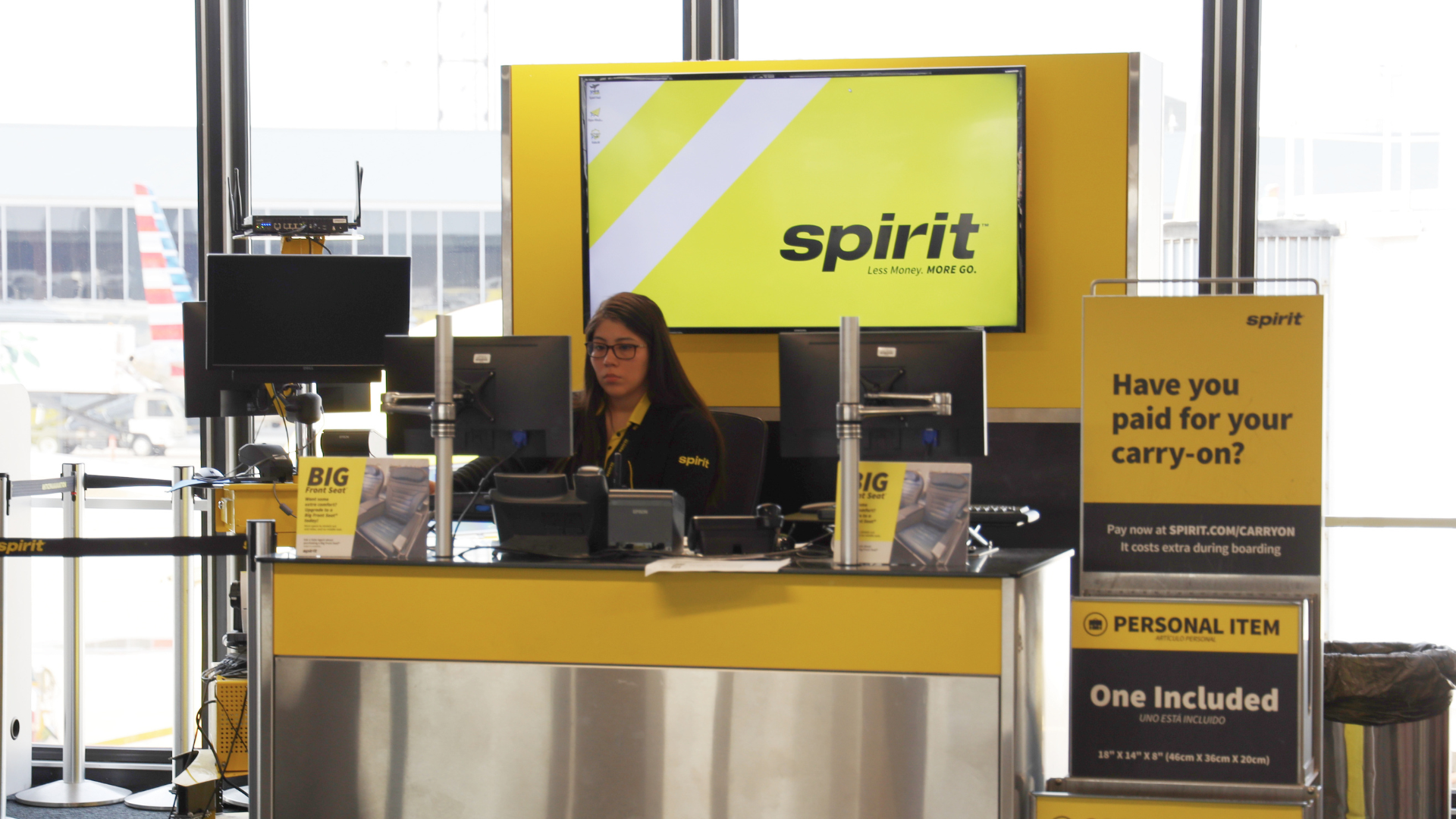
One of the central arguments for the bailout is the potential loss of thousands of jobs if Spirit ceases operations. Estimates suggest the airline employs more than 10,000 workers across pilots, crew, and ground staff. A collapse could trigger widespread layoffs and disrupt low-cost travel routes across the United States. Supporters of intervention say preventing job losses is a key priority.
Critics Warn Against Government Ownership

Opponents of the bailout argue that government ownership of airlines sets a risky precedent for market intervention. Critics say rescuing failing companies can encourage poor management practices and create “moral hazard,” where businesses take excessive risks expecting bailouts. Some lawmakers and economists warn it could distort competition in the airline industry. The debate has become highly political within Washington circles.
Airlines Industry Faces Broader Pressure
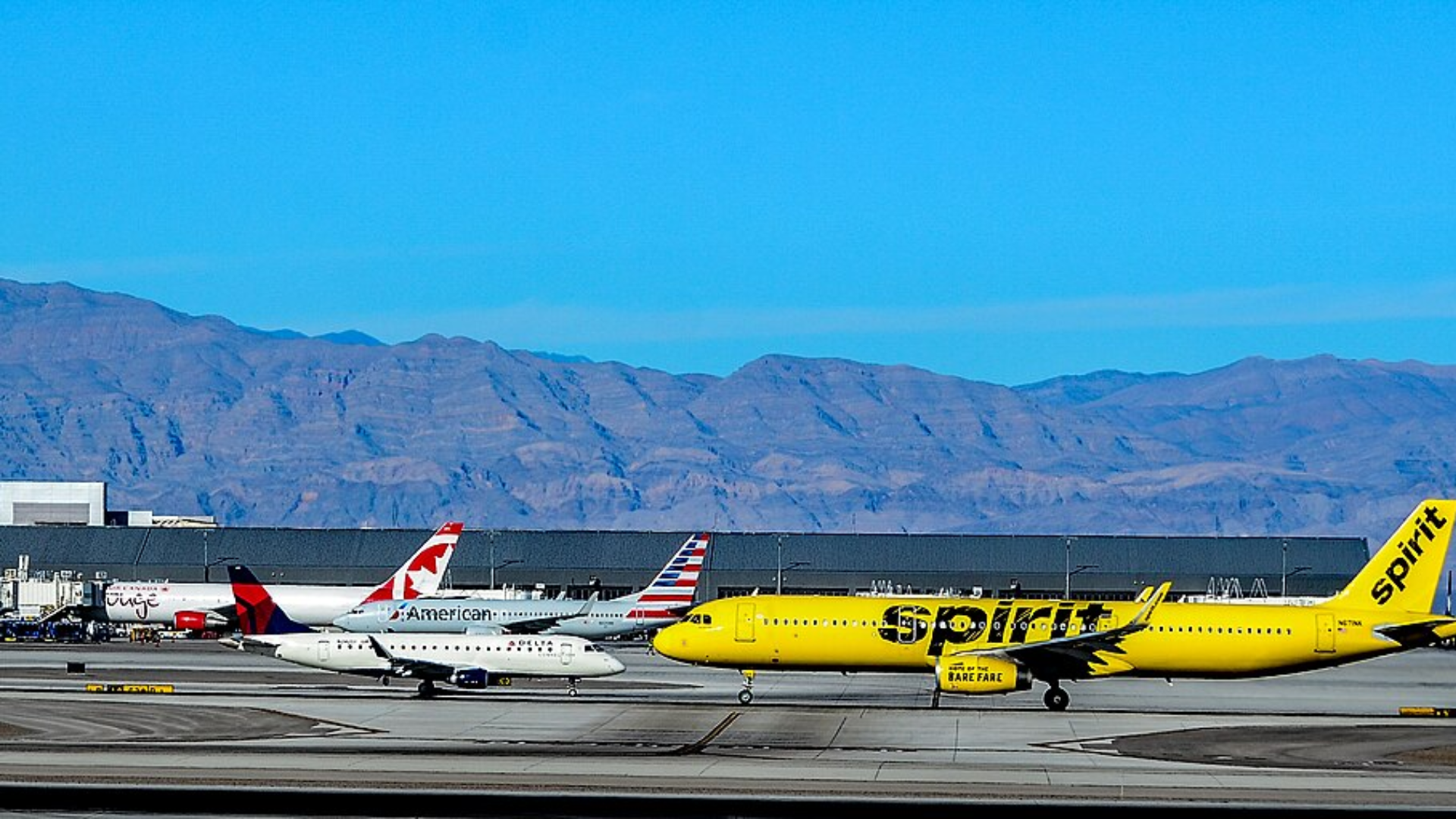
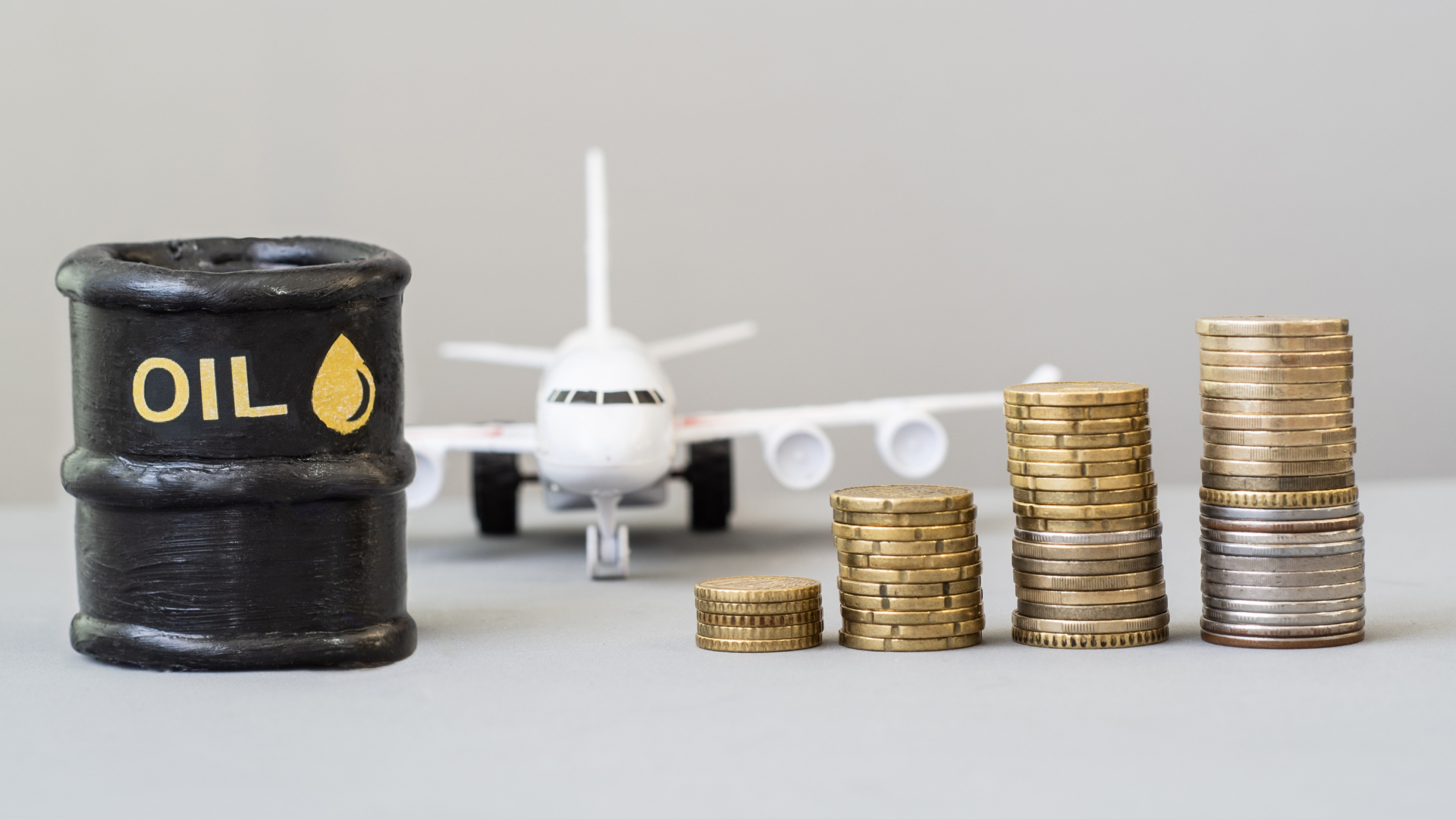
Spirit’s financial struggles are part of a wider strain on the airline industry driven by rising fuel prices and increased operating costs. Budget carriers in particular have faced difficulty maintaining profitability in a competitive market. Some analysts warn that continued pressure could force more consolidation or shutdowns. The sector remains highly sensitive to economic and geopolitical shocks.
Divided Political Response Emerges
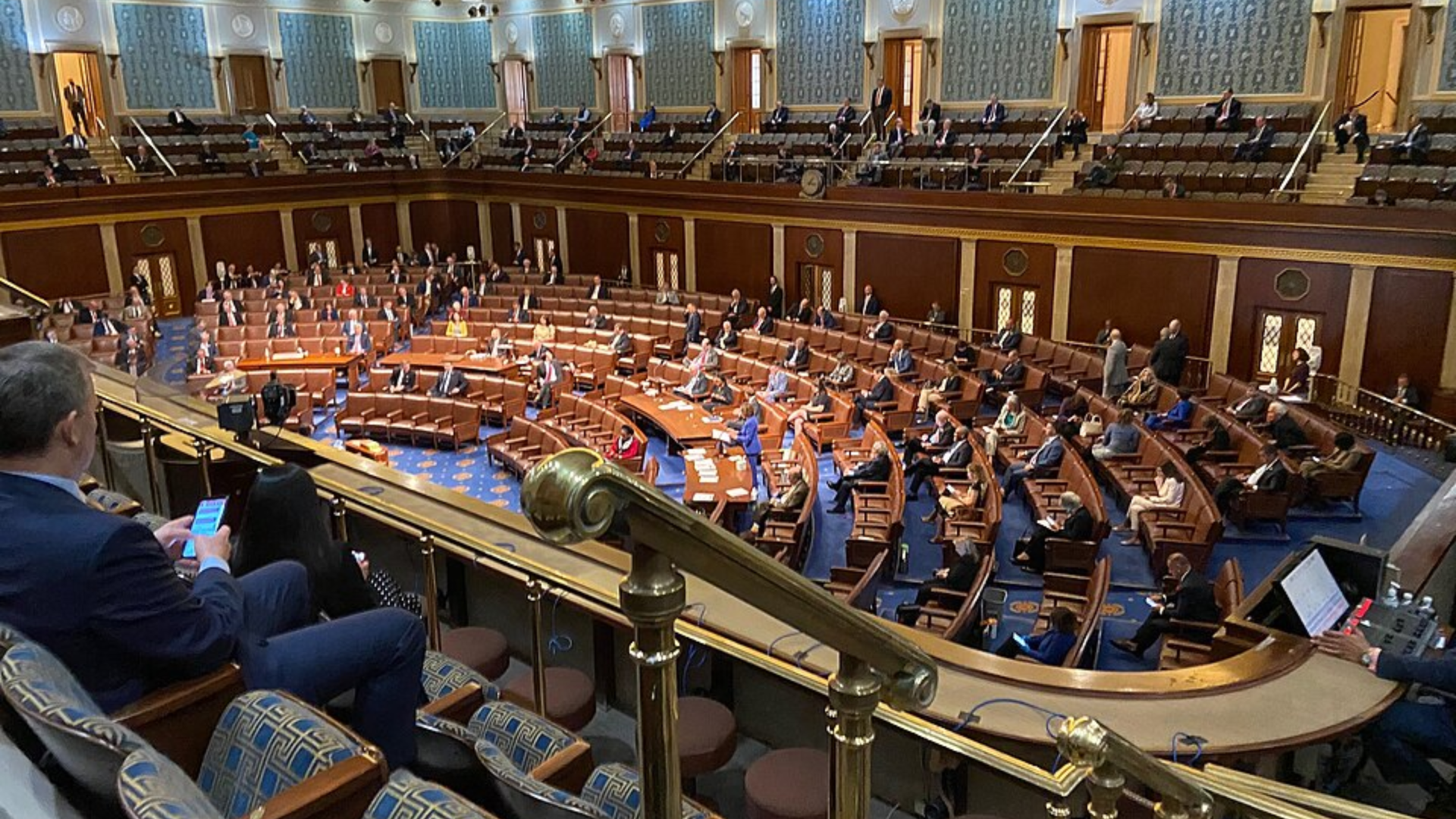
The bailout proposal has triggered disagreement among policymakers, with some supporting intervention to preserve jobs and others opposing it on free-market principles. Even within conservative circles, opinions are split over whether the government should step in. The debate reflects broader tensions over how far federal support should go in rescuing private companies. No final decision has yet been made.
Economic Philosophy at the Center of Debate
At the heart of the dispute is a fundamental disagreement about capitalism and government intervention. O’Leary’s view emphasizes market discipline, where failing firms exit the system. The administration’s approach focuses more on preserving jobs and stabilizing critical industries. This clash of philosophies continues to shape the future of the bailout discussion.
A High-Stakes Decision for Airlines and Policy
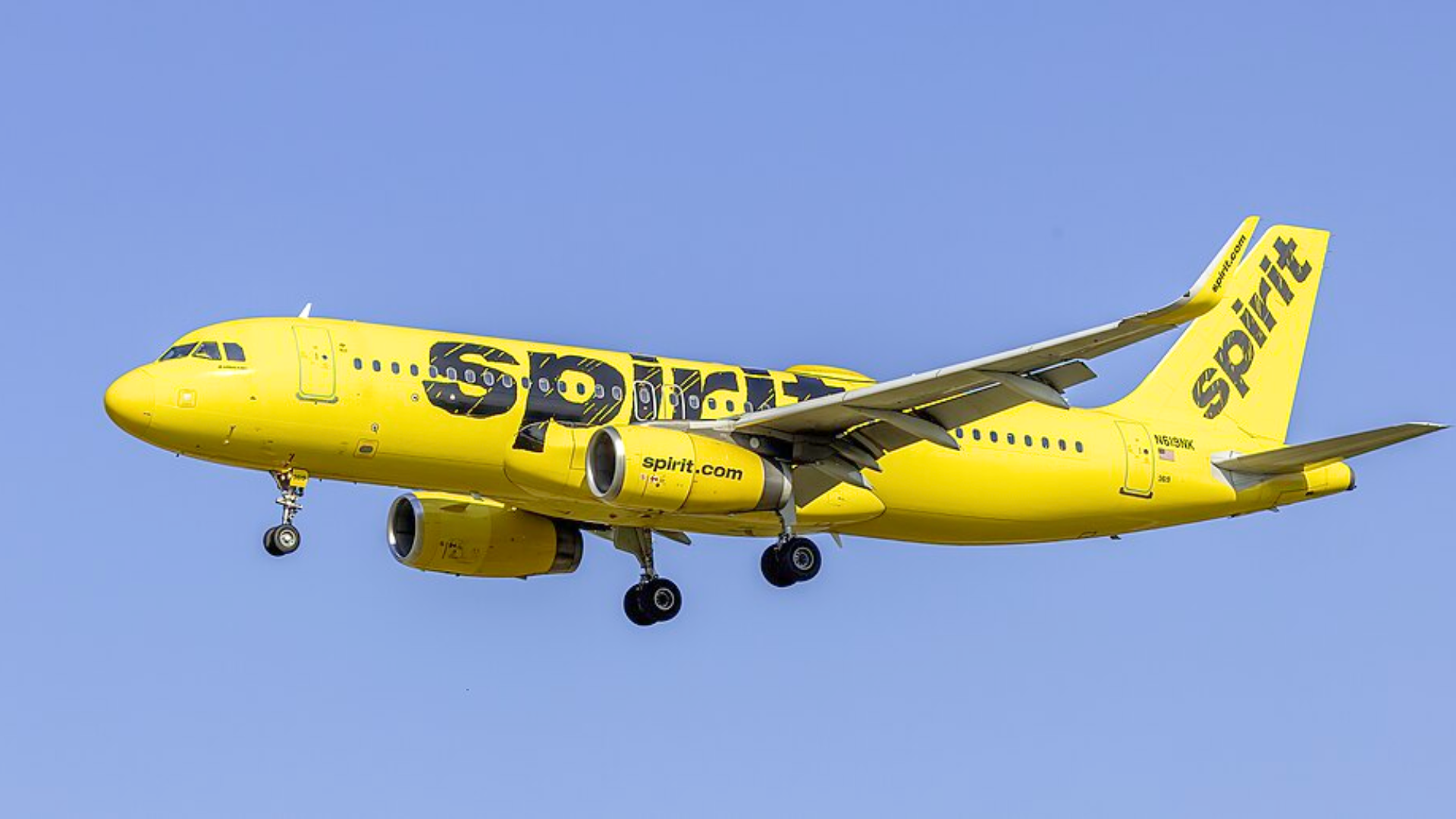
The debate over Spirit Airlines represents more than just one company’s survival, it highlights a broader question about government involvement in private markets. With billions of dollars and thousands of jobs at stake, both sides are pushing competing visions of economic policy. Whether the airline is allowed to fail or receives federal support will set an important precedent. The outcome could shape future bailout decisions in the U.S. airline industry.