Scientists Warn Collapse of Key Atlantic Current Could Trigger Severe Freezing Conditions in Europe


A vast ocean current system that quietly regulates weather across continents is now under renewed scrutiny, as scientists warn it may be far closer to collapse than previously believed. The Atlantic Meridional Overturning Circulation, or AMOC, plays a central role in stabilizing climate, and new research suggests its weakening could accelerate toward a dangerous tipping point.
What the AMOC Actually Does
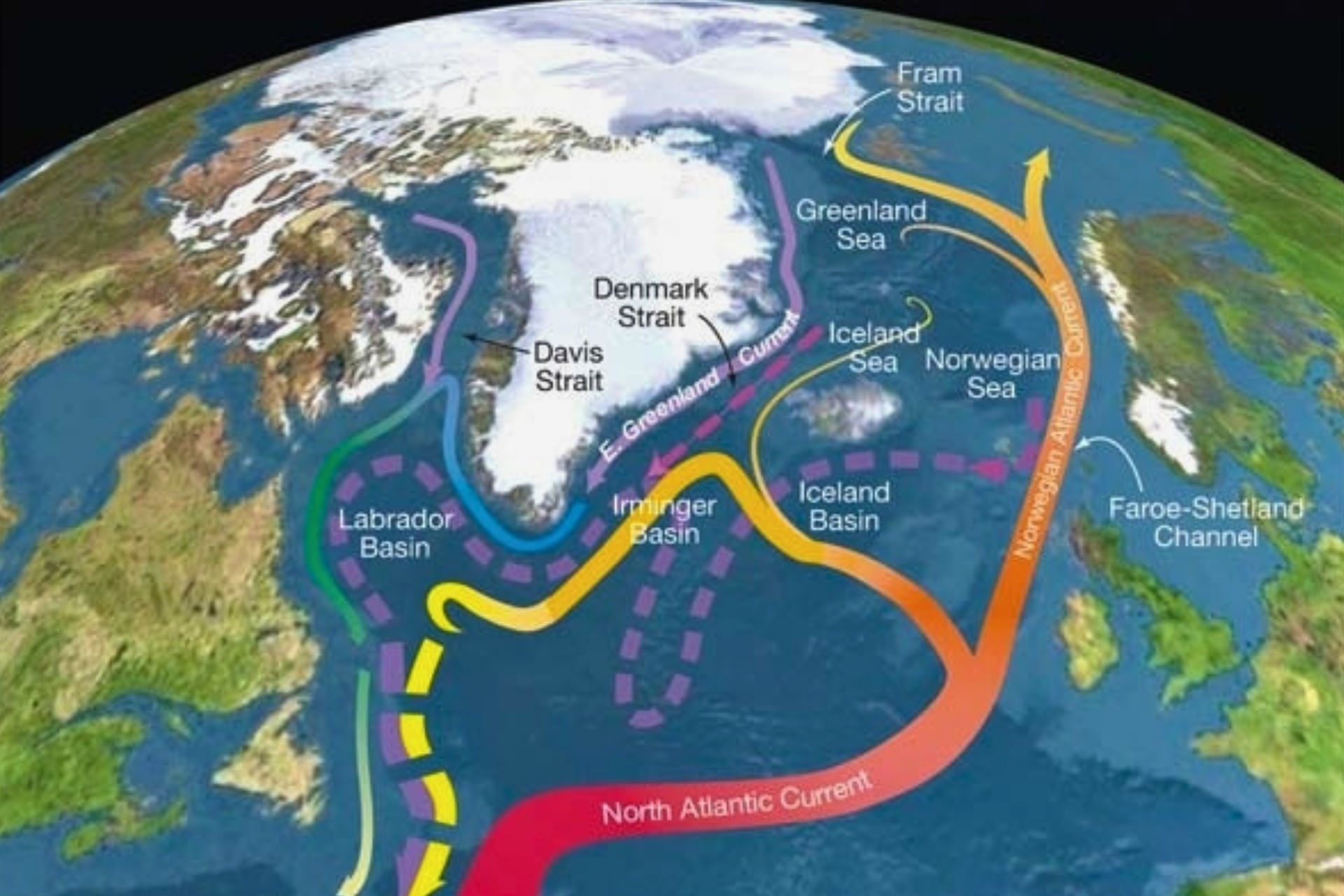
Often described as a global conveyor belt, the AMOC moves warm water from the tropics northward and returns cold water south at depth. This circulation helps keep Europe relatively mild, supports rainfall patterns across Africa and South America, and sustains marine ecosystems. Without it, the balance of heat and weather across the Atlantic region would shift dramatically.
New Research Raises Alarm
Recent findings published in Science Advances combine real-world ocean observations with climate models to refine projections of the AMOC’s future. The study estimates the current could slow by roughly 42% to 59% by 2100, far more than earlier forecasts. Scientists say the models predicting the strongest slowdown align best with observed data, making the results “very concerning.”
Closer to a Tipping Point
That sharper projected decline places the system much nearer to a tipping point, a threshold beyond which collapse becomes difficult or impossible to stop. Prof Stefan Rahmstorf, a leading ocean physicist, warned the risk is now so high that a shutdown “must be avoided at all costs,” adding that the world may cross this threshold as early as mid-century. Other research has also identified signs the system may be approaching a critical transition, though the exact timing remains uncertain.
Why the Current Is Weakening
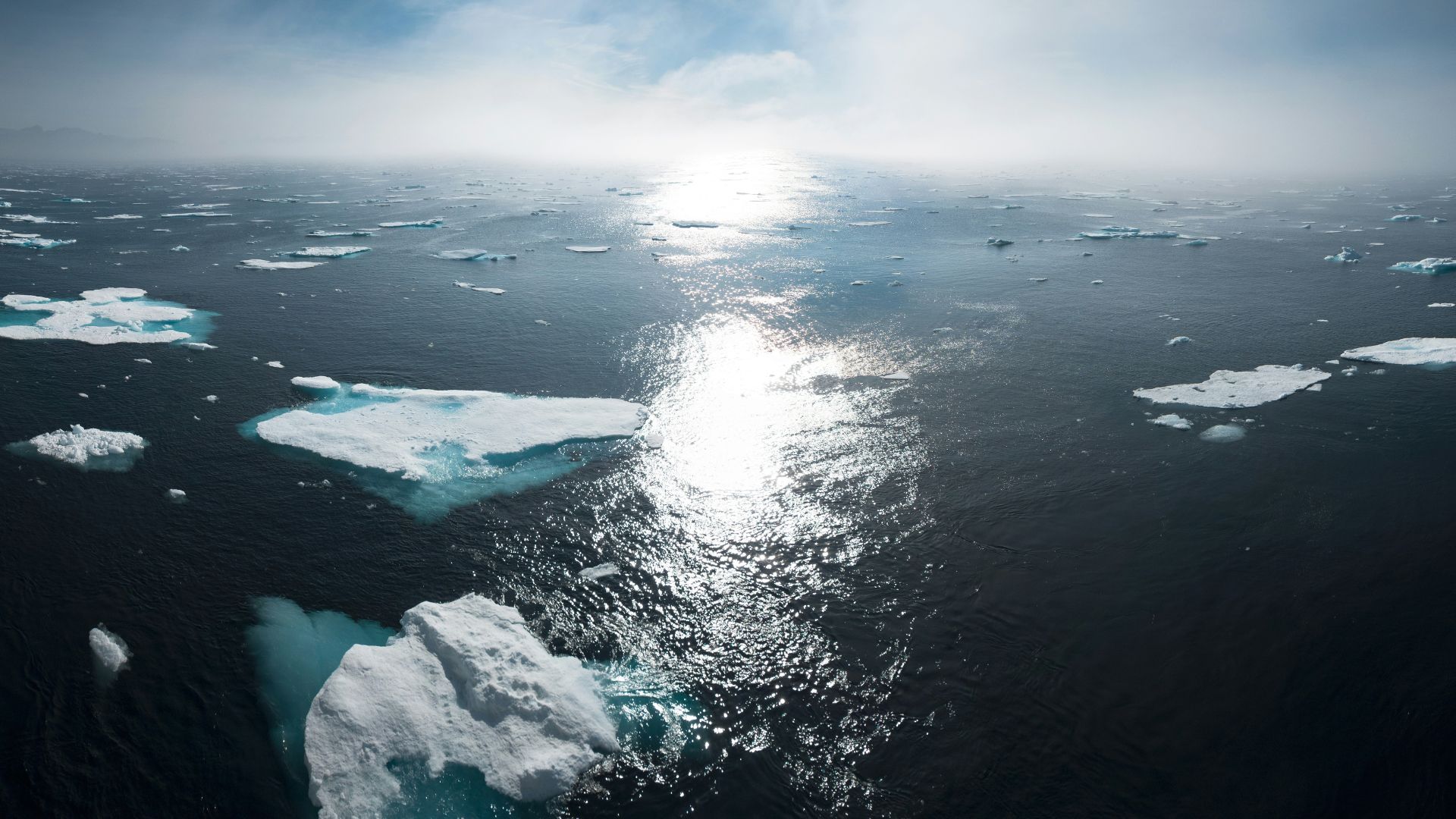
The weakening is driven largely by climate change. As Arctic regions warm, the surface ocean becomes warmer and less salty, making it too light to sink as it normally would — a key step that keeps the current moving. At the same time, melting ice from Greenland and increased rainfall are pouring freshwater into the North Atlantic, further diluting the ocean. This buildup of lighter water slows the sinking process, weakening the entire circulation and setting off a feedback loop that makes it harder for the system to recover.
Why Predictions Are So Difficult
Scientists have long struggled to model the AMOC accurately. The system depends on subtle shifts in temperature and salinity across the entire Atlantic, leading to wide variation in projections. New methods, including statistical approaches like ridge regression, have helped narrow uncertainties by aligning models more closely with real-world data. Still, experts caution that differences between models remain significant, and interpreting any single study requires placing it in a broader scientific context, as ocean circulation specialist María Paz Chidichimo told Live Science.
What a Collapse Could Look Like
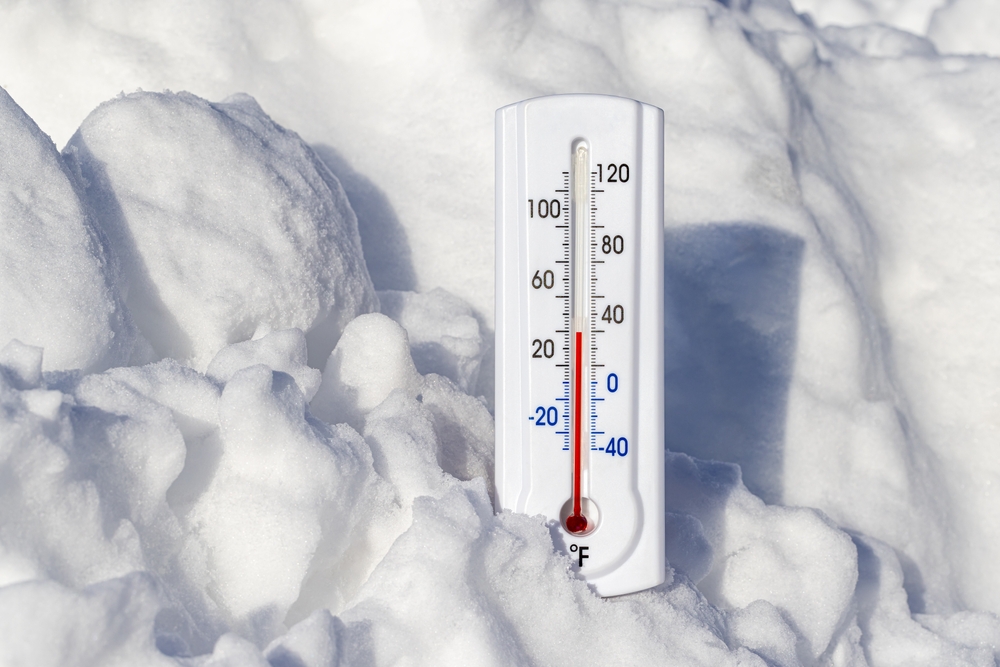
If the AMOC were to collapse, the consequences would be severe and long-lasting. Northern Europe could see temperatures plunge sharply, with some projections suggesting winter extremes dropping as low as -20°C in London and far colder further north, effectively creating regional “deep freeze” conditions despite global warming. Southern Europe could face intense drought, while shifting rainfall patterns would disrupt agriculture for millions and sea levels along the Atlantic coastlines could rise significantly.
The U.S. East Coast Faces Rising Seas
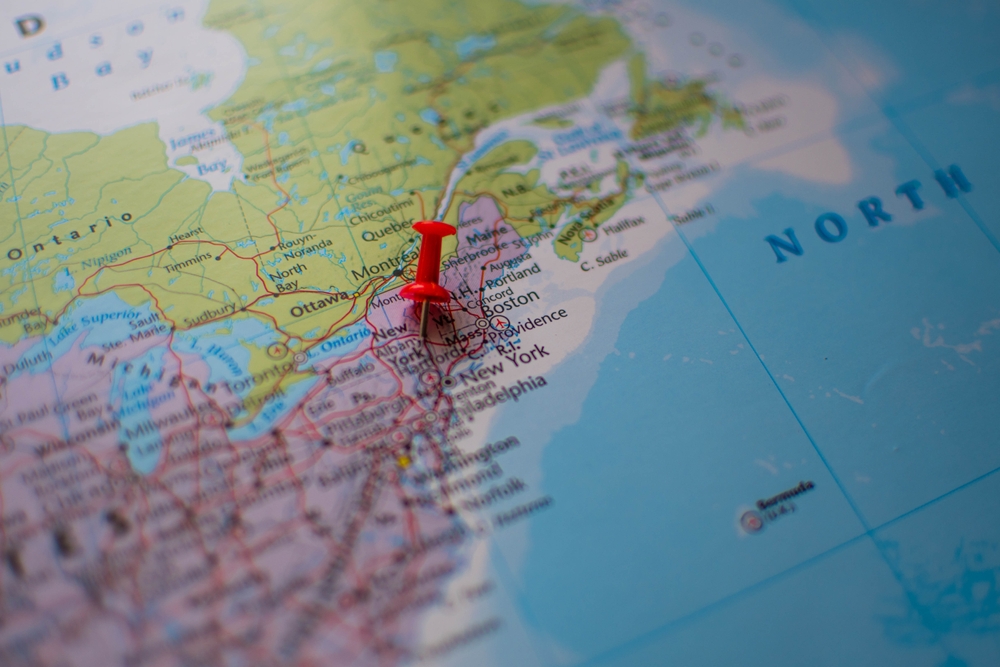
One of the clearest risks is along the northeastern United States, where weakening currents are already contributing to faster sea-level rise. A full collapse could accelerate that trend, leading to more frequent coastal flooding, higher storm surges, and regular inundation of low-lying neighborhoods in cities like New York and Boston, putting homes, infrastructure, and transit systems at greater risk.
Global Ripple Effects
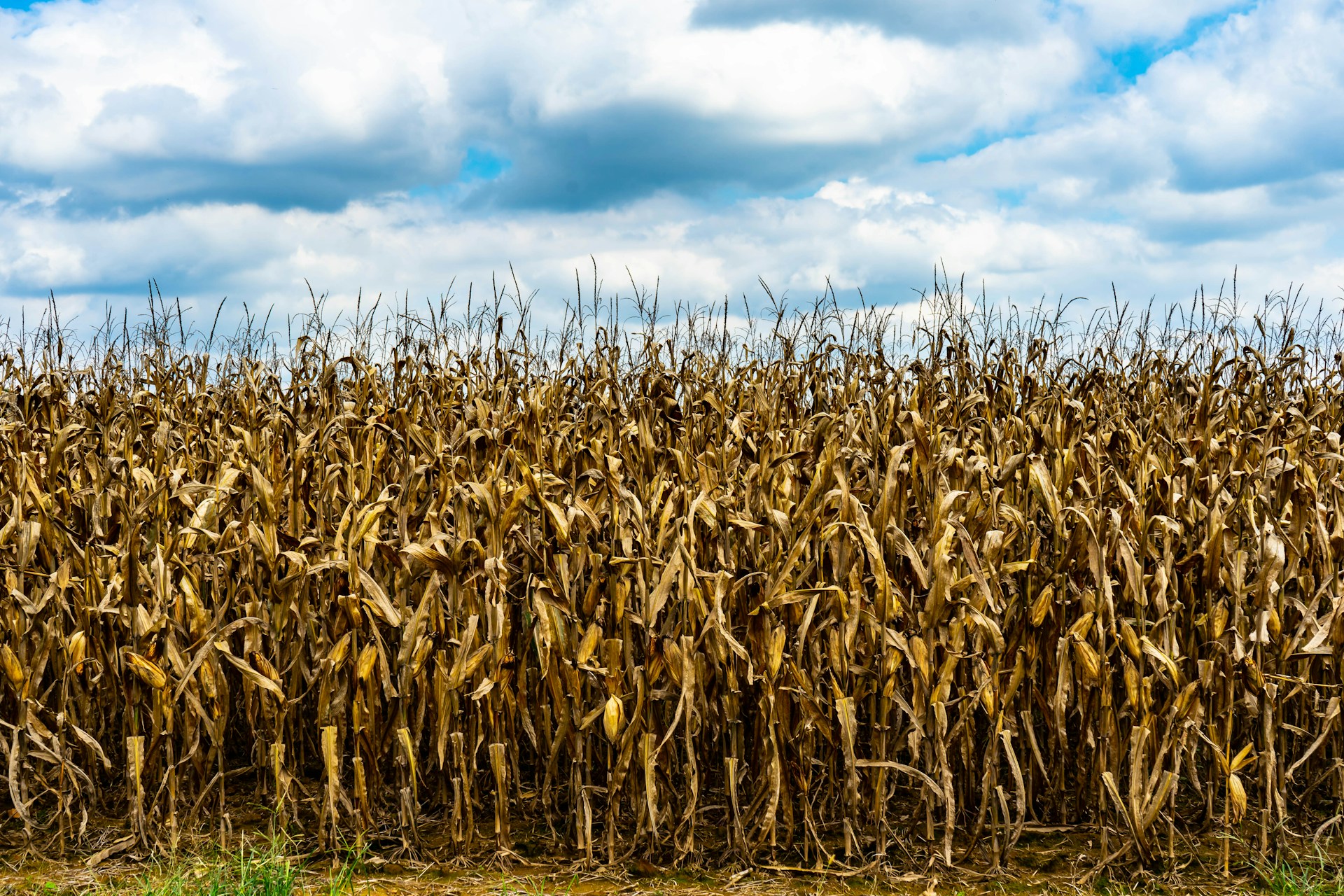
The impacts would extend far beyond weather. Shifts in rainfall could shrink major crop-growing regions, with some projections suggesting the land suitable for staples like wheat and maize could be cut by more than half, putting pressure on global food supplies and driving up prices. At the same time, disrupted ocean circulation could push fish stocks into new regions, reduce catches for major fisheries, and destabilize the marine food chains that millions depend on for food and income, showing how closely global food security is tied to the stability of this single ocean system.
Why Scientists Say Action Can’t Wait
Despite remaining uncertainty about timing, researchers stress that the risks are too large to ignore. The AMOC has collapsed before in Earth’s history, and its current weakening is already measurable. Scientists say preventing further decline will require rapidly cutting greenhouse gas emissions to slow ocean warming, while governments prepare for impacts by strengthening coastal defenses, updating flood planning, and protecting food systems from disruption. Without those steps, the chances of crossing a tipping point and facing irreversible changes for centuries will continue to rise.