RFK Jr. Calls Study ‘Garbage’ After Findings Reveal No Link Between Tylenol and Autism


A single word—“garbage”—ignited one of the most contentious moments in a high-profile congressional hearing. Health and Human Services Secretary Robert F. Kennedy Jr. forcefully rejected a major scientific study, drawing swift reactions from lawmakers and medical experts.
The exchange took place during a House Education and the Workforce Committee hearing as they were examining federal health policies and their impact on children. While the session covered a range of issues, the discussion intensified when lawmakers raised a recent large-scale study on Tylenol use during pregnancy.
Kennedy’s response quickly became a defining moment of the hearing. His dismissal of the research highlighted a growing divide between some political figures and the scientific community, particularly on questions surrounding autism and its potential causes.
What the Research Actually Found
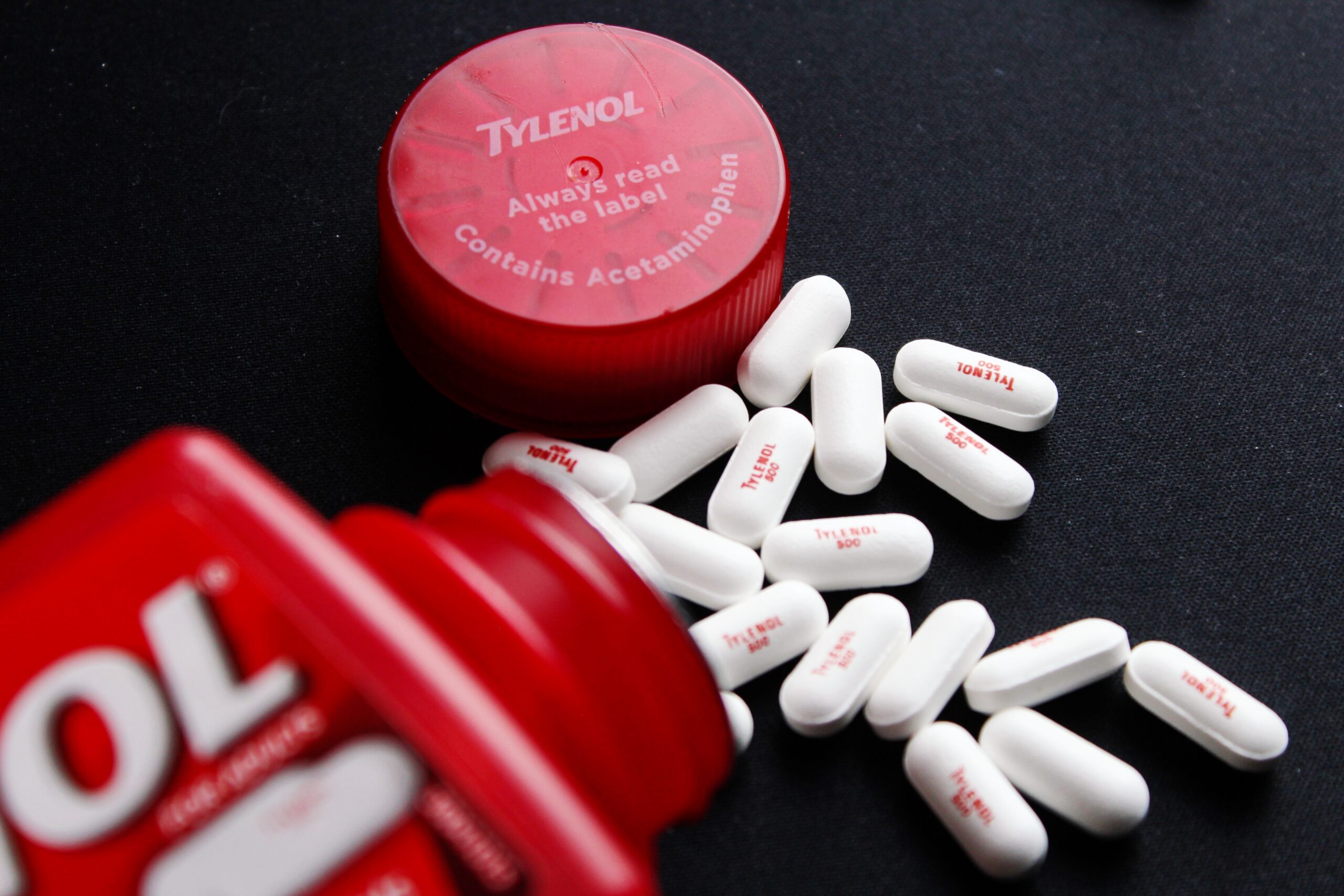
The study at the center of the controversy analyzed health data from more than 1.5 million children in Denmark, making it one of the most extensive investigations into the issue. Researchers found no association between prenatal exposure to acetaminophen—commonly sold as Tylenol—and autism diagnoses later in life.
The findings are consistent with a broader body of research. A comprehensive review of multiple studies, including large-scale meta-analyses, concluded that there is no clinically meaningful increase in the likelihood of autism, ADHD, or intellectual disabilities linked to paracetamol use during pregnancy.
Health authorities and medical professionals have echoed those conclusions. Experts continue to recommend paracetamol as a safe and effective option for treating pain and fever during pregnancy when used at recommended doses, reinforcing long-standing clinical guidance.
Kennedy’s Criticism and the Scientific Response

Kennedy challenged the study’s methodology, arguing that it relied heavily on prescription data and failed to capture the over-the-counter use of the drug fully. He told lawmakers the research should be retracted, describing it as fundamentally flawed.
Scientists and public health experts have pushed back on that characterization. Researchers involved in similar studies have noted that such limitations are common in large datasets and are typically accounted for in the analysis. They argue that the overall conclusions remain robust despite these challenges.
Additional research has reinforced those findings. Studies using sibling comparisons and other methods designed to control for family-related factors have also found no causal link between Tylenol use in pregnancy and autism. Critics of Kennedy’s remarks say dismissing multiple lines of evidence risks undermining confidence in scientific research and public health guidance.
A Broader Debate Over Autism and Public Messaging

The dispute over the Tylenol study reflects a wider and more complex conversation about autism, its causes, and how leaders communicate about it. During the hearing, Kennedy reiterated his belief that environmental factors may contribute to rising autism diagnoses, a view that remains under active scientific investigation.