Study Detects Mixed Plant DNA on ‘Jesus Burial Cloth’, Raising Questions About Its History

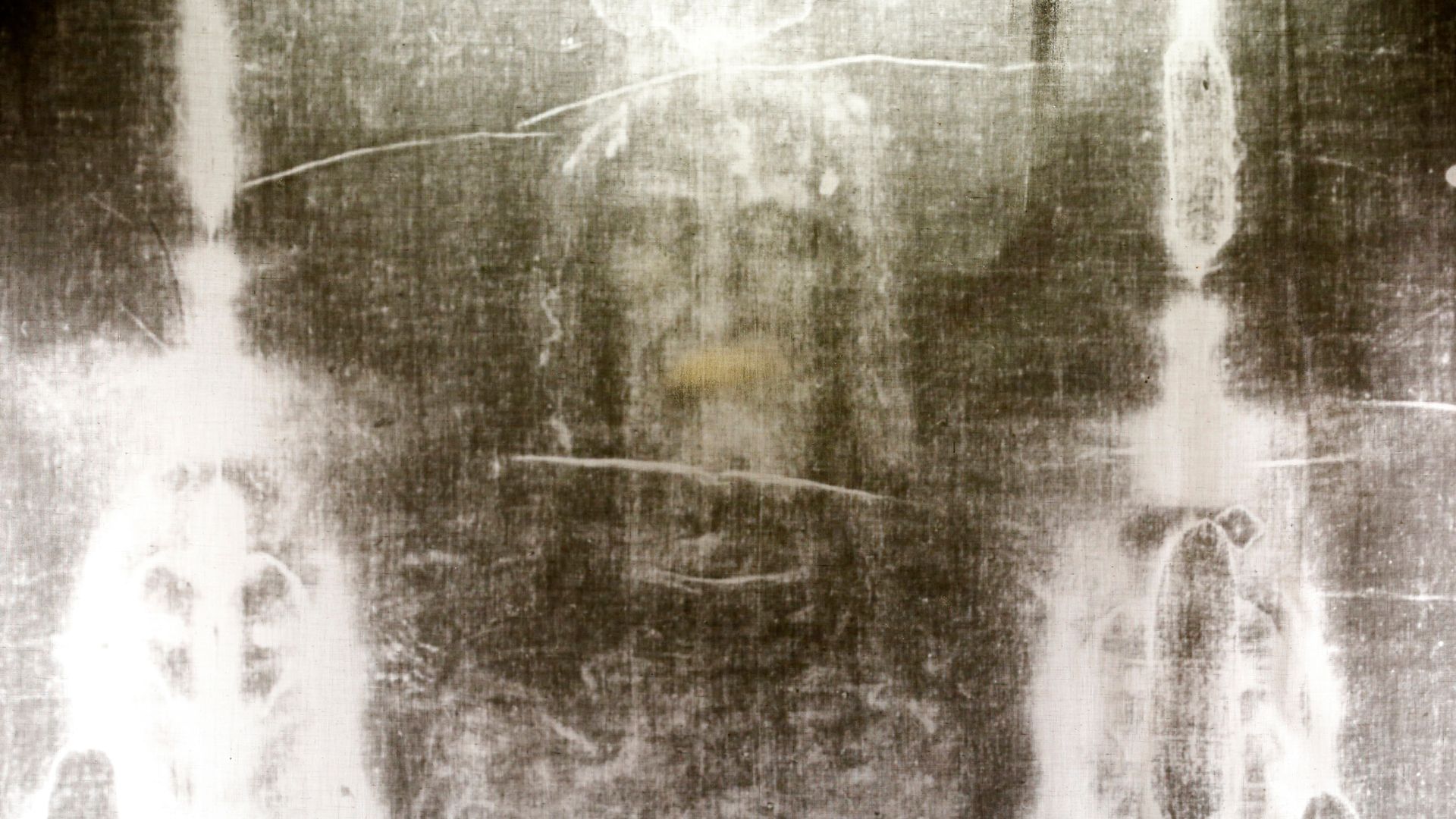
A recent scientific investigation has brought new attention to the Shroud of Turin, a cloth long associated with the burial of Jesus Christ. Researchers identified traces of plant DNA embedded in the fabric, suggesting that the artifact may have been exposed to various environmental and human influences over time.
The study, shared as a preprint on bioRxiv, examined microscopic genetic material collected from samples originally obtained in 1978. Instead of visible remnants, scientists focused on minute DNA fragments preserved in dust and fibers, offering a more subtle yet revealing perspective on the cloth’s history.
These findings open a new line of inquiry into how the relic has been handled, stored, and transported across centuries. The presence of diverse biological traces indicates that its journey may be far more complex than previously assumed.
Plant DNA Points To Agricultural And Dietary Links
Through advanced sequencing techniques, the research team identified a wide range of plant species. Among the most prominent were carrot and bread wheat, both commonly associated with cultivated crops. The genetic signal linked to Daucus carota stood out as the most abundant, suggesting contact with domesticated varieties rather than wild plants.
Additional findings included traces of cereals such as durum and einkorn wheat, along with maize and rye. The presence of crops like tomatoes, peppers, and potatoes further expanded the list, reflecting agricultural diversity tied to different regions and historical periods.
Notably, some of these plants, including maize and tomatoes, originated in the Americas. Their detection implies that certain contaminants may have been introduced after transatlantic exchanges began, pointing to later interactions with the cloth rather than its earliest origins.
Fruit And Environmental Signals Add Layers Of Complexity
Beyond staple crops, the analysis revealed DNA from fruit-bearing trees such as banana, almond, walnut, and sweet orange. Additional traces, though less prominent, included fig, apple, pear, and grapevine, indicating exposure to a wide range of environments and handling conditions.
Researchers also detected faint signals from grasses and legumes, including clover and oats. These elements suggest that the cloth may have encountered varied ecological settings, from cultivated lands to more natural landscapes.
Despite the depth of biological data, the study emphasized a key limitation. Genetic profiling methods like metagenomics cannot determine the precise age of the artifact. As a result, the findings contribute to understanding its preservation history, rather than confirming its chronological origin.
Ongoing Debate Continues Around The Cloth’s True Age

The Shroud of Turin has been housed in Turin since the late 16th century, with documented records dating back to the 1300s. Over time, it has remained a focal point of both religious devotion and scientific scrutiny.
Radiocarbon testing conducted in 1988 suggested a medieval origin, placing the fabric between the 13th and 14th centuries. However, more recent analysis by the Institute of Crystallography proposed results consistent with a much older timeline, aligning with traditions that date the cloth back two millennia.
While debate continues, the latest DNA-based research adds valuable context to the conversation. Rather than offering definitive answers, it highlights how centuries of interaction, movement, and preservation have left subtle biological imprints that continue to shape the story of this enigmatic artifact.