More Americans Are Questioning Trump’s Religious Beliefs According to a New Survey
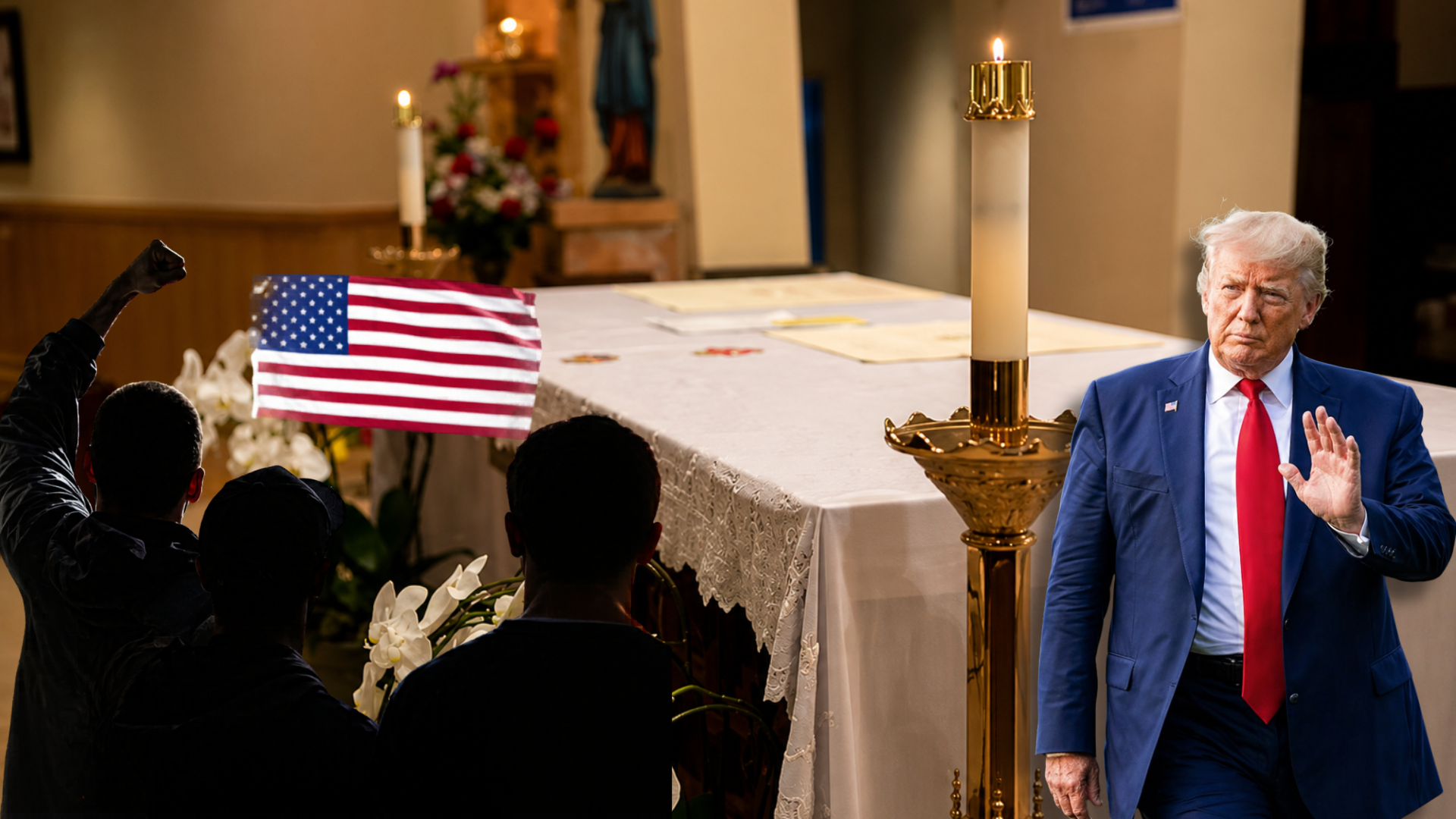

Seven in ten Americans now say President Donald Trump is not religious, or barely so. That is not a fringe opinion buried in a footnote. It is the headline finding of a new Pew Research Center survey, and the number has been climbing. Conducted April 6 through 12, the poll captures a country growing steadily more skeptical of the sincerity of the president’s faith, and the shift cuts across political lines in ways that few anticipated.
That 70% figure marks a notable jump from the 62% who said the same in October 2024, just months before Trump won a second term. The share of people who called him “somewhat religious” dropped from 31% to 24%, while those who described him as “very religious” fell to just 5%. The survey drew responses from 3,592 American adults. The trend is consistent and clear: fewer people, across nearly every demographic measured, are willing to say Trump practices genuine faith.
The timing of the survey adds a layer of context that is hard to ignore. It was conducted before Trump publicly criticized Pope Leo XIV, the first American-born Catholic pontiff, calling him “weak on crime, and terrible for foreign policy,” and before Trump shared an AI-generated image of himself styled as a Christ figure. Those moments came after the poll closed, which means the numbers may already be understating how far public opinion has moved since then.
The Partisan Divide Is Wide, but It Is Not Absolute
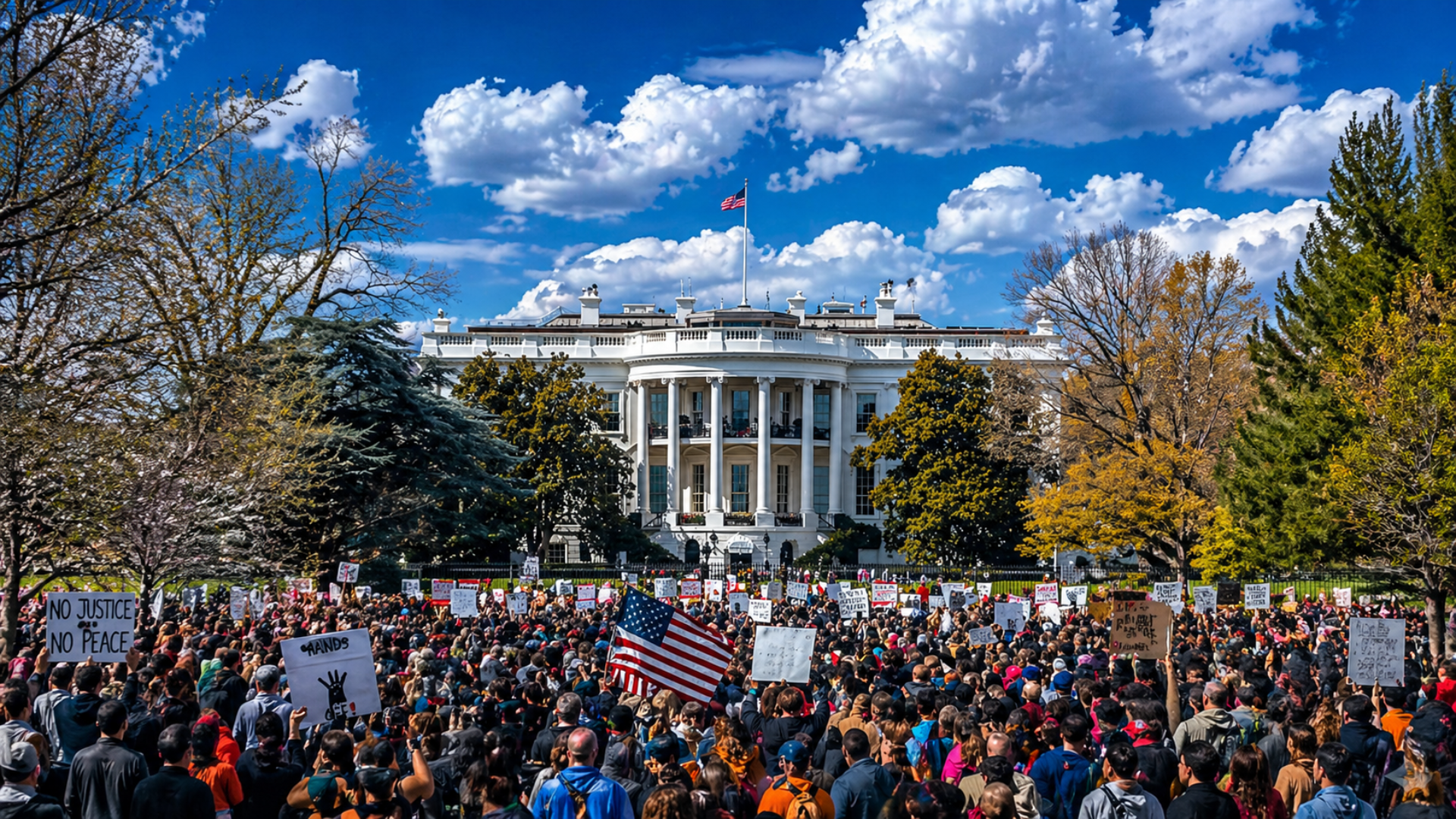
The survey makes clear that how Americans view Trump’s faith depends heavily on their politics, but even within his own party, the portrait is complicated. Among Democrats and independents who lean Democratic, 89% said Trump is not too or not at all religious. Among Republicans and Republican-leaning independents, that number was 49%, meaning nearly half of his own base holds reservations. That is a significant finding for a president who has long presented himself as a champion of religious conservatives.
Republicans were more likely to describe Trump as “somewhat religious,” with 42% choosing that label compared to just 8% of Democrats. White evangelical Protestants, a group that has been among Trump’s most loyal supporters, leaned similarly: 44% said “somewhat religious,” while only 5% said “very religious.” According to Pew Research, even among the faithful who back him most, conviction about his piety is measured, not certain.
Among all adults surveyed, 47% said Trump stands up a little or not at all for people with religious beliefs like their own. Only 22% said he stands up a great deal or quite a bit. Most Republicans (65%) said he stands up for their beliefs, while most Democrats (73%) said he does not. These are not just opinions about a public figure’s personal habits. They reflect how millions of Americans assess whether their president shares their deepest convictions, and those assessments are shifting in a clear direction.
Hispanic Catholics Signal the Sharpest Shift of Any Group
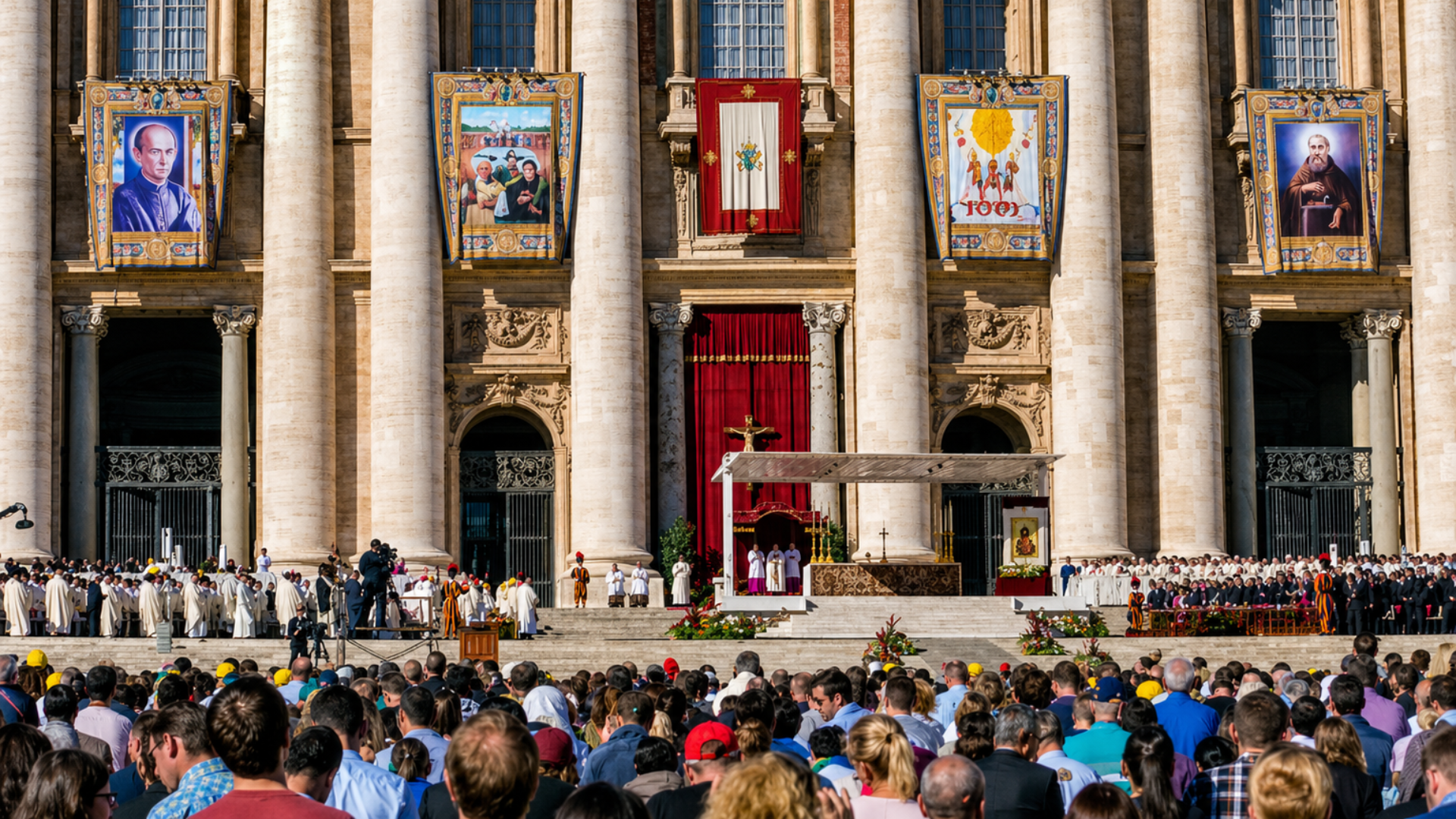
Among all the religious groups tracked in the survey, Hispanic Catholics recorded the most dramatic change in opinion. In the latest poll, 80% of Hispanic Catholics said Trump is not too or not at all religious, up from 60% in the previous survey. That 20-point swing within a single religious community is the largest movement recorded across any group in the data, and it does not stand alone. The same community also reported growing doubt about whether Trump represents their values at all.
More than half of Hispanic Catholics (55%) now say Trump stands up a little or not at all for their religious beliefs, up from 40% in early 2024. The data tracks with broader erosion in Trump’s standing among this group. OSV News reported that Trump’s overall approval among Hispanic Catholics dropped from 31% in February 2025 to 23% in January 2026, while support for his policies fell to just 18%. These are some of the lowest approval figures of any religious subgroup in the country.
The contrast with white Catholics reveals how much community and culture shape religious perception of the president. White Catholics were twice as likely as Hispanic Catholics to describe Trump as “somewhat religious.” White Catholic approval of Trump’s job performance, while also declining, remains well above the Hispanic Catholic figure. The divergence shows that political and ethnic identity continue to filter how people interpret the same president through the lens of shared faith, with very different conclusions being drawn depending on where one sits in the pew.
What It Means to Be Religious, and Who Gets to Decide

After Pew Research associate Chip Rotolo posted a video about the survey findings on Instagram, the comments section became a small but revealing window into how contested this question really is. One person flatly said Trump is not religious at all. Another argued he might be more religious than anyone, suggesting that his supporters view him in almost messianic terms. The range of responses prompted Rotolo to note that people carry “many different ideas about what it means to be religious,” and that the survey intentionally left that definition open.
That openness is both the strength and the limitation of the data. The poll does not tell us whether Trump prays, reads scripture, or holds private faith. It tells us how Americans perceive those things in him, which is its own kind of truth. Perception shapes politics. A president seen as irreligious by 70% of the country, including nearly half of his own party, faces a particular credibility challenge when invoking faith to justify policy, whether on immigration, foreign aid, or the treatment of the vulnerable.
The survey was conducted before the clash with Pope Leo XIV and before the Christ-like image began circulating. If those events register in future polling, the numbers seen now may come to look like a plateau rather than a peak. The real question is not whether Americans think Trump is religious. It is what happens to a coalition built significantly on religious identity when that identity becomes increasingly difficult for even its own members to affirm with confidence.