A Unanimous Supreme Court Decision Just Sent Michigan’s Oil Pipeline Battle Back to State Court
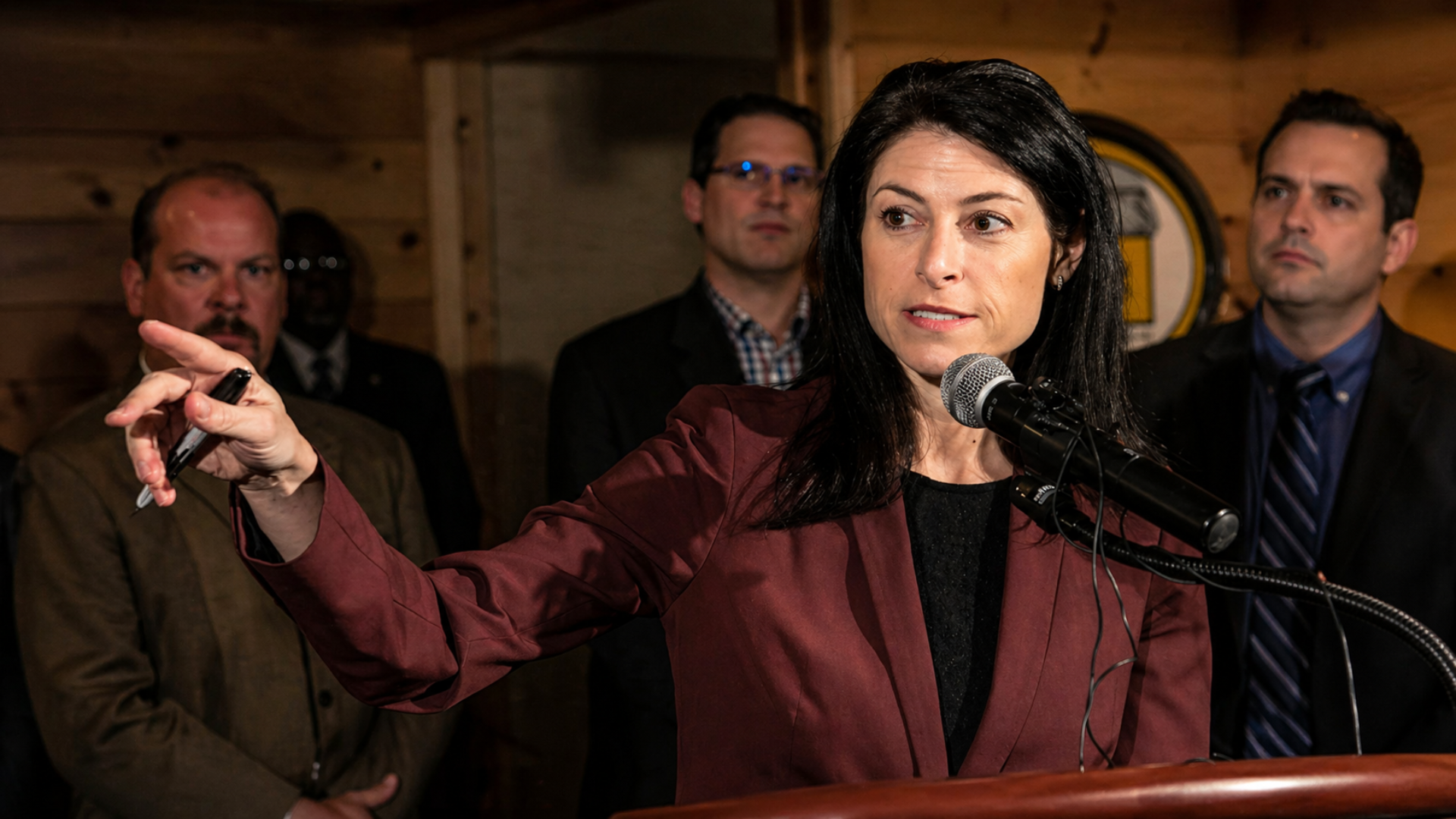

Nine justices. Zero dissents. The Supreme Court ruled unanimously that a years-long fight over an oil pipeline running beneath the Great Lakes must go back to Michigan state court. Justice Sonia Sotomayor wrote that the pipeline’s operator simply waited too long to move the case to federal court. The decision clears the way for a Michigan judge to decide whether Line 5 gets shut down, and the stakes stretch far beyond one state’s borders.
What Line 5 Is and Why It Became a Flashpoint

Line 5 is a petroleum pipeline that has transported crude oil and natural gas liquids between Superior, Wisconsin, and Sarnia, Ontario, since 1953. A roughly 4.5-mile section runs beneath the Straits of Mackinac, the waterway connecting Lake Michigan and Lake Huron. Michigan Attorney General Dana Nessel filed a lawsuit in June 2019 seeking to void the easement that allows Enbridge to operate that underwater segment, arguing the pipeline poses an unacceptable risk to the Great Lakes.
The Safety Concerns That Fueled the Legal Fight
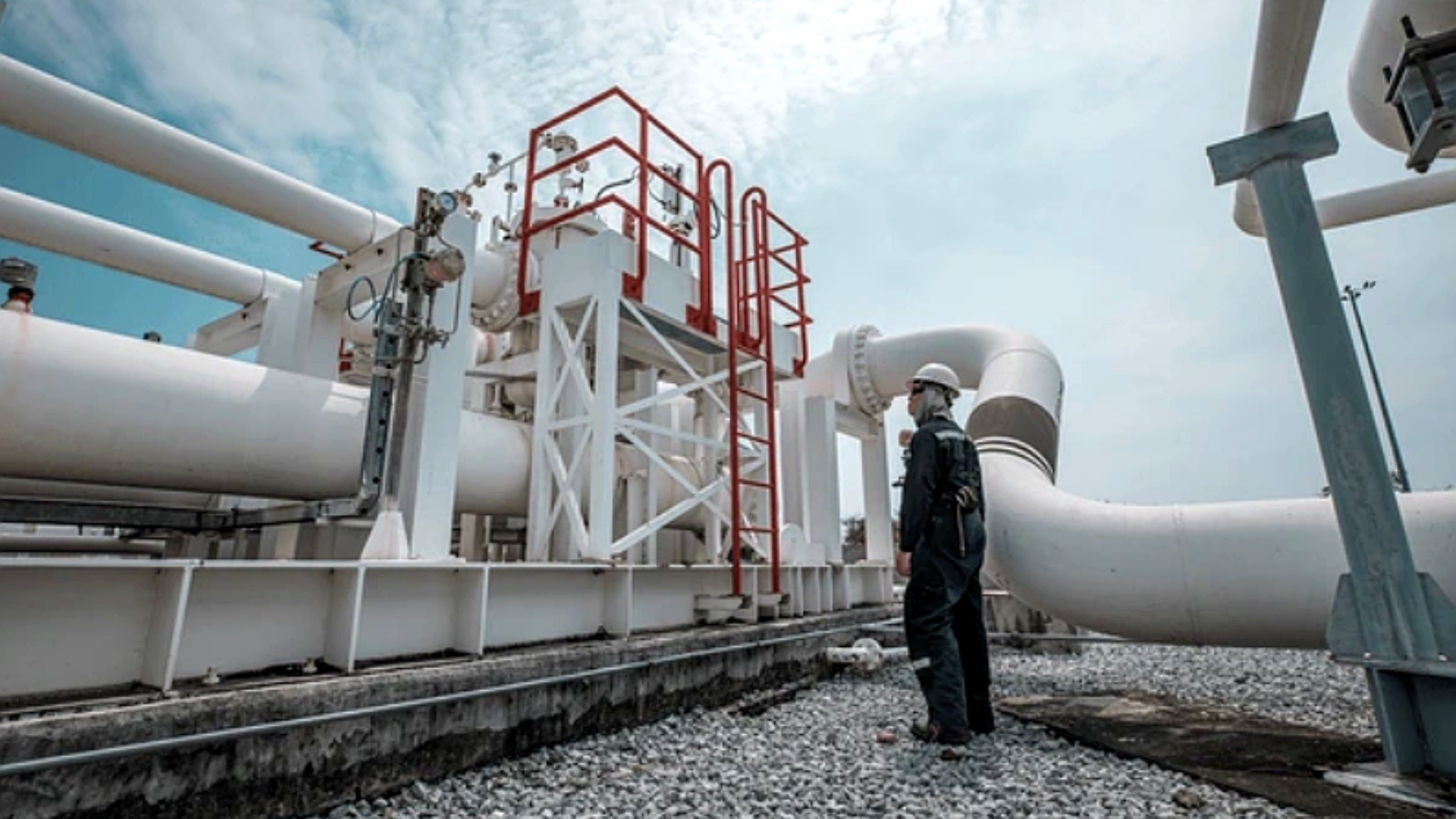
Concerns about Line 5 intensified after Enbridge disclosed it had been aware of gaps in the pipeline’s protective coating beneath the straits since at least 2014. In 2018, a ship’s anchor struck the underwater section, heightening fears of a potential spill in one of the world’s largest freshwater systems. An Ingham County judge issued a restraining order in June 2020 ordering the pipeline shut down, though Enbridge was permitted to keep operating after meeting certain safety requirements set by the court.
Enbridge Tried to Move the Case to Federal Court. It Waited Too Long.

Enbridge sought to transfer the case to federal court in 2021, arguing the dispute raised federal issues involving cross-border energy transportation. But in June 2024, a three-judge panel of the 6th U.S. Circuit Court of Appeals ruled that Enbridge had missed a 30-day deadline to change jurisdictions and sent the case back to state court. The Supreme Court agreed with that ruling. Justice Sotomayor’s opinion stated plainly that Enbridge waited too long, and all nine justices signed on.
What the Supreme Court’s Ruling Actually Does
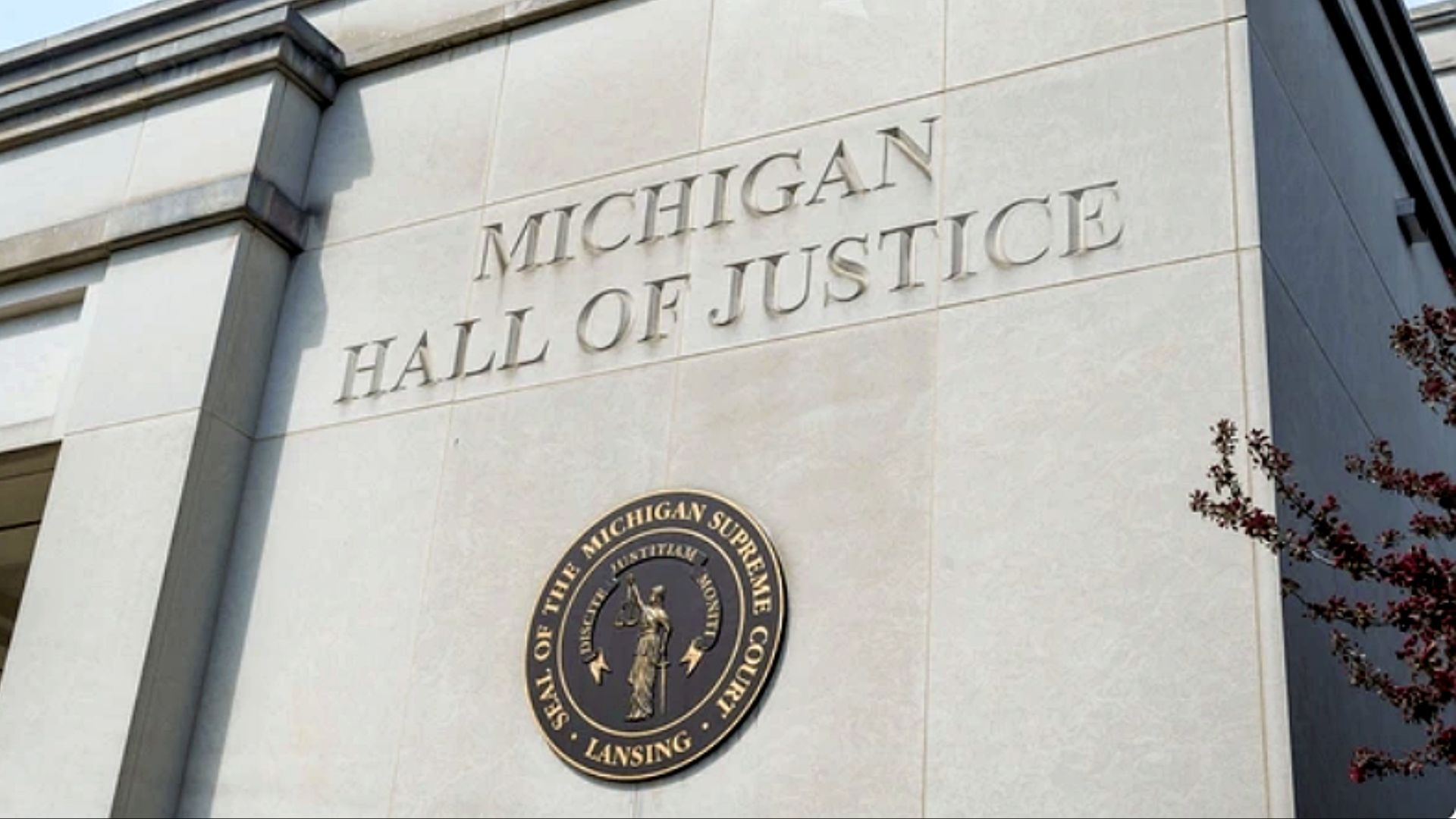
The Supreme Court’s decision leaves intact the lower-court ruling that returned the case to a Michigan state judge. It allows Michigan’s lawsuit to continue in state court as the state seeks to block the operation of the Line 5 segment beneath the Straits of Mackinac. The ruling does not itself shut down the pipeline. It clears the procedural path for a state court to make that determination, putting the pipeline’s immediate future in the hands of Michigan’s judiciary rather than a federal bench.
Enbridge Says Federal Regulators Have Always Found the Pipeline Safe
Enbridge pushed back firmly on the framing surrounding the ruling. In a statement, the company said pipeline safety is and always has been the responsibility of the federal government under a comprehensive regulatory framework administered by the Pipeline and Hazardous Materials Safety Administration, an agency within the U.S. Department of Transportation. Enbridge said PHMSA inspects Line 5 annually, has consistently confirmed it operates safely, and has never found any condition that would warrant its shutdown. The company said it remains committed to safe operation.
A Separate Federal Battle Is Still Running Alongside This One
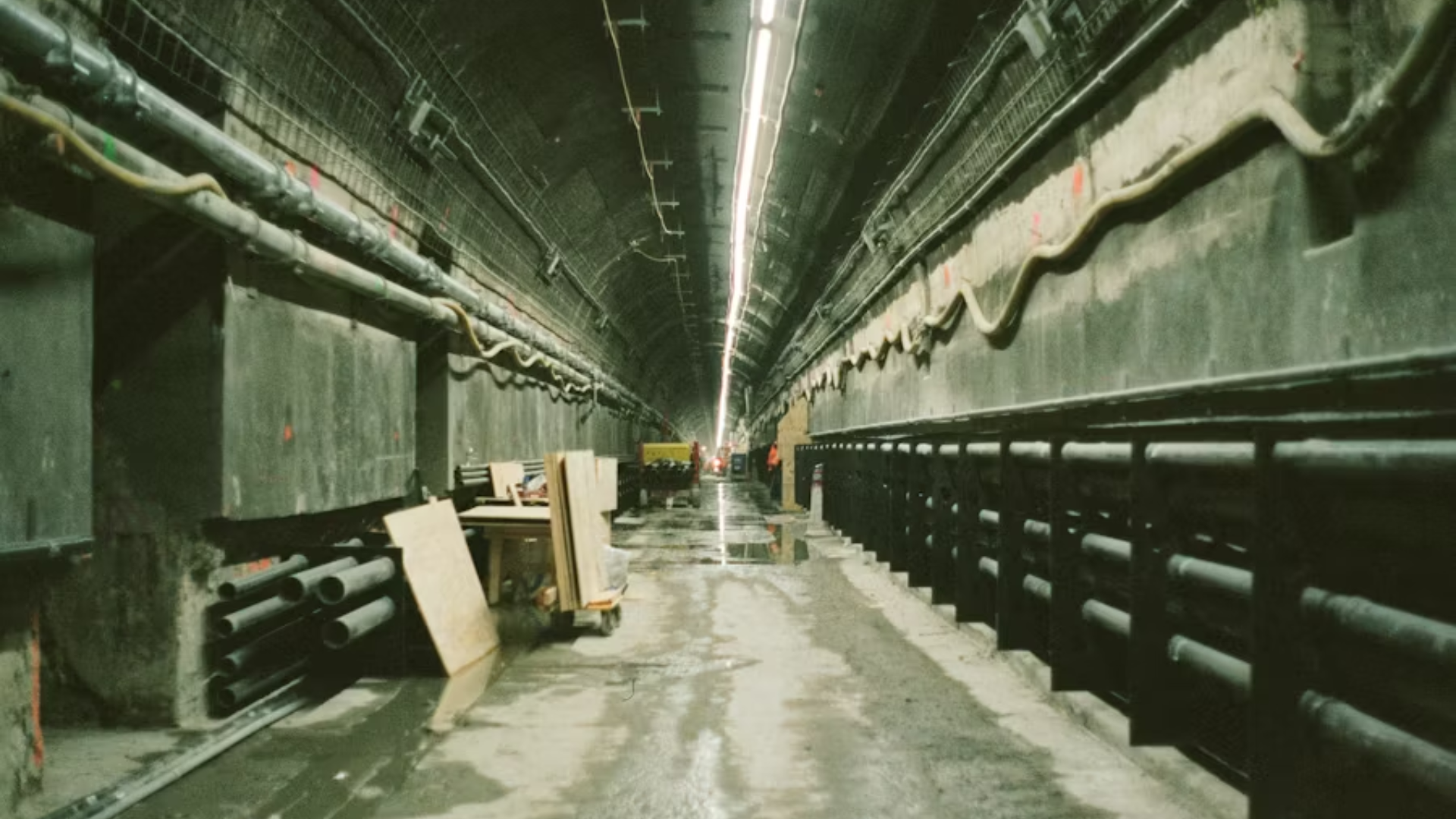
The Supreme Court ruling is not the only legal front Enbridge is managing. Separately, the company is fighting Michigan Governor Gretchen Whitmer’s 2020 decision to revoke the pipeline’s easement in a federal case. In that proceeding, Enbridge has proposed enclosing the underwater section in a protective tunnel. State regulators approved permits for that tunnel project in 2023, but key federal approvals remain unresolved. The two legal tracks are running simultaneously, each with the potential to shape the pipeline’s future independently.
Wisconsin Is Also Taking Enbridge to Court Over a Different Segment

Line 5 faces a separate legal challenge in Wisconsin entirely. A federal judge has ordered Enbridge to shut down a segment of the pipeline crossing tribal land unless the route is changed. Enbridge is appealing that ruling. The Wisconsin case, the Michigan state lawsuit, and the ongoing federal fight over Whitmer’s easement revocation mean Enbridge is simultaneously contesting the pipeline’s operation on multiple legal fronts in multiple states, each moving on its own timeline and through its own court system.
Why a Unanimous Decision Does Not Mean an Easy One

The Supreme Court’s sharp ideological divisions dominate headlines, but unanimous rulings are more common than many Americans realize. According to SCOTUSblog’s end-of-term data from June 2025, covering the October 2024 term, approximately 42% of the court’s opinions were decided unanimously. Court watchers note that unanimous outcomes are especially frequent in cases involving procedural deadlines, jurisdictional rules, and technical questions of statutory interpretation, areas where justices tend to agree even when divided on broader constitutional questions.
The Great Lakes Are at the Center of What Comes Next
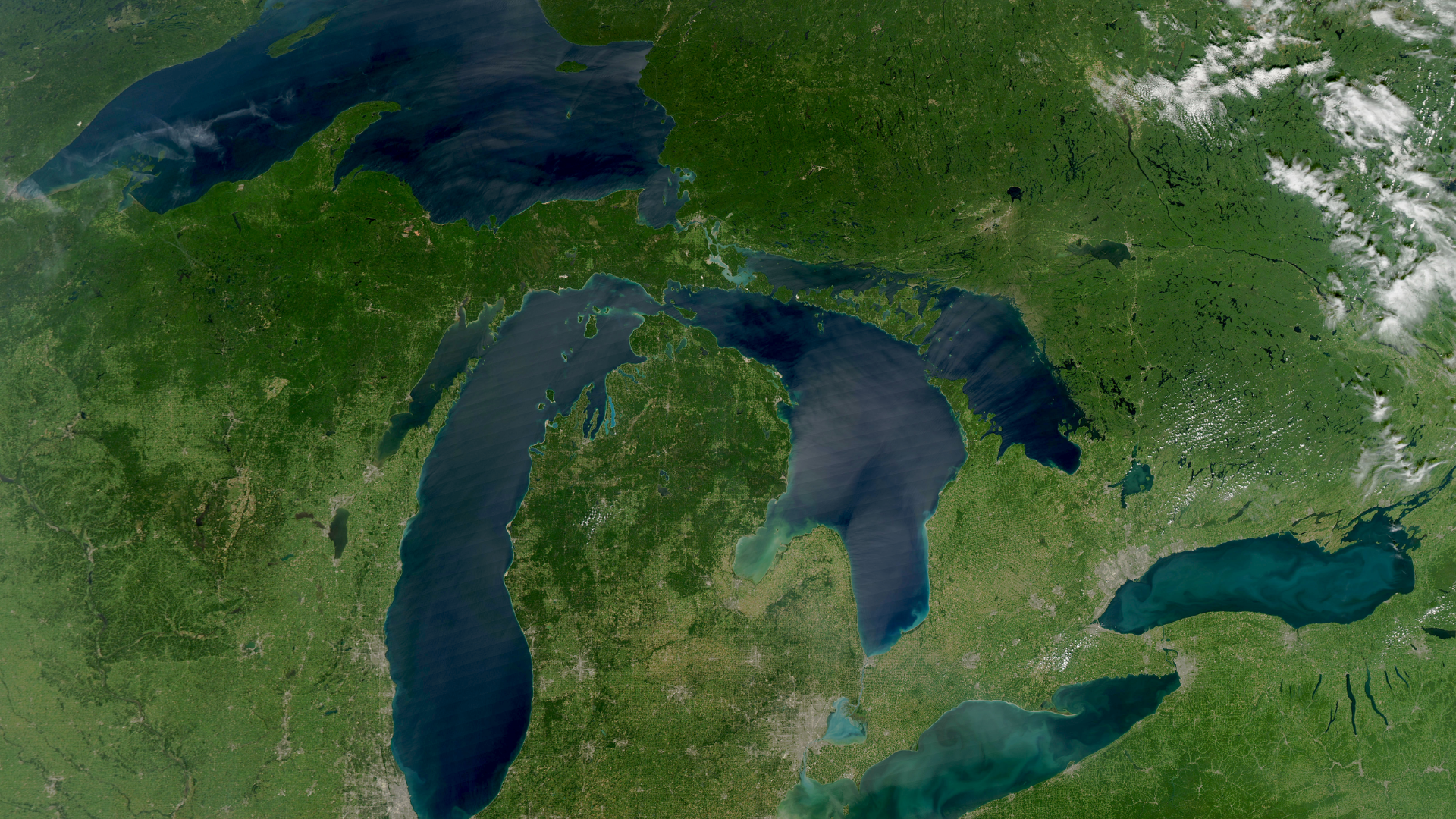
The case now returns to Michigan state court, where a judge will decide whether the state can force a shutdown of the Line 5 segment beneath the Straits of Mackinac. Michigan officials argue the aging pipeline is a threat to the largest freshwater system in the world. Enbridge argues it is safe, federally regulated, and critical to regional energy supply. The Supreme Court resolved one procedural question. The harder question, whether that pipeline stays in the water, is still ahead.