Ford CEO Reveals He’s Been Driving a Chinese EV for Months. Calls BYD ‘The Best’ Instead of His Own Brand
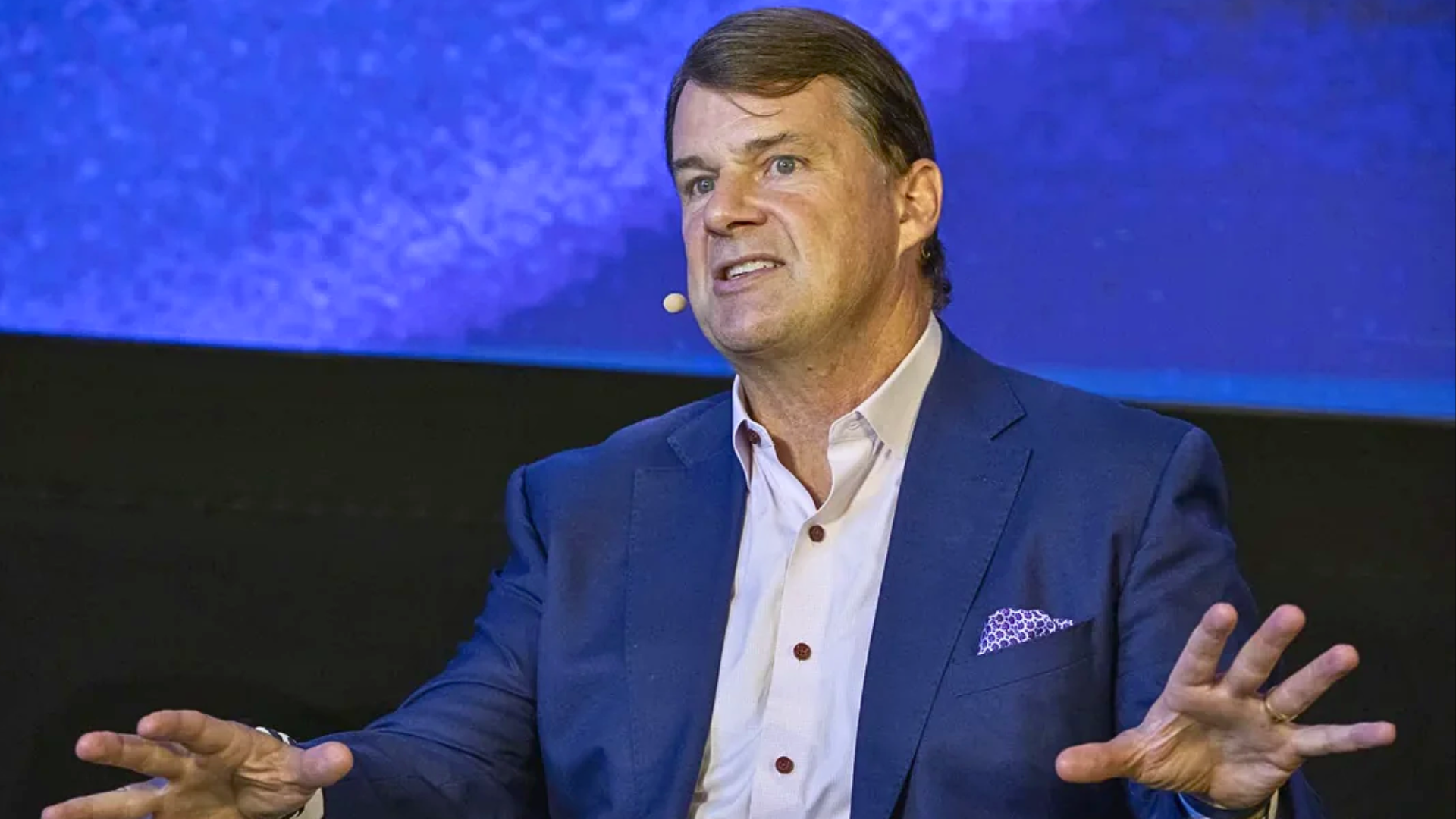

Jim Farley runs one of America’s most iconic car companies. He has also spent months driving a Chinese electric vehicle and did not want to give it back. That admission, combined with his description of Chinese automaker BYD as “the best in the business,” signals something the American auto industry can no longer ignore. The man responsible for Ford’s future is telling anyone willing to listen that the most serious competition is no longer coming from Silicon Valley. It is coming from China.
Farley Called BYD the Best in the Business
In an interview on the Rapid Response podcast, as reported by Fortune magazine, Farley pointed directly to Chinese automakers BYD and Xiaomi as the companies redefining competition in the global auto industry. His assessment of BYD was direct: he called them “the best in the business.” He highlighted the company’s dominance in manufacturing efficiency, supply chain control, and technical integration. For the CEO of Ford to use that language about a foreign competitor is not a routine comment. It reflects a significant shift in how American auto leaders are reading the market.
He Drove Xiaomi’s Electric Car for Months and Didn’t Want to Return It
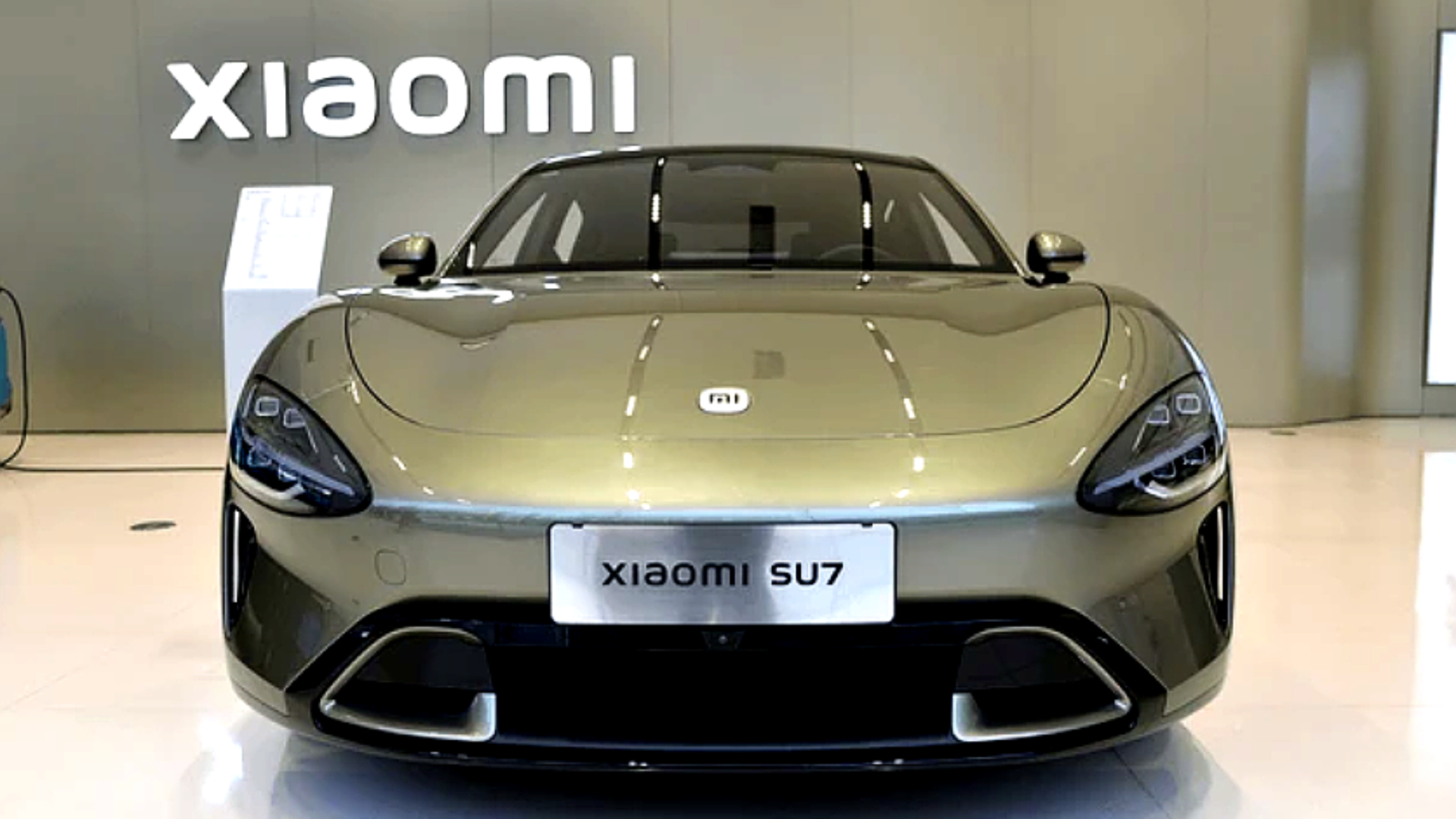
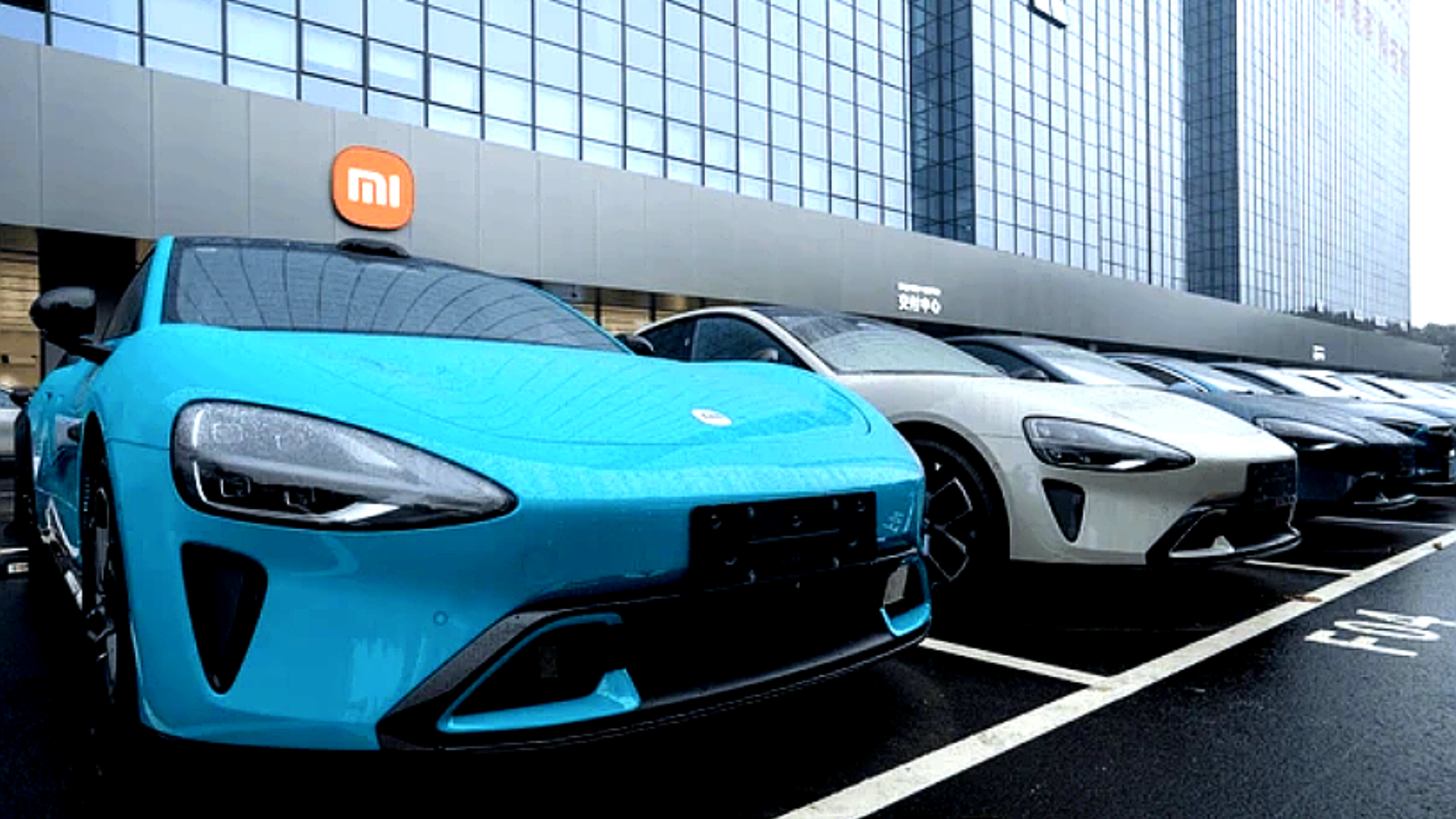
Farley disclosed that he had been driving the Xiaomi SU7, a Chinese performance-oriented electric sedan, for months. He said he did not want to give it back. Xiaomi is a tech company that has moved into electric vehicles, and the SU7 is its first car. For the head of a major American automaker to voluntarily drive a rival’s product for an extended period, and then publicly praise it, reflects a level of product competitiveness that is drawing serious attention from within the industry.
Farley’s Measured Criticism of Tesla
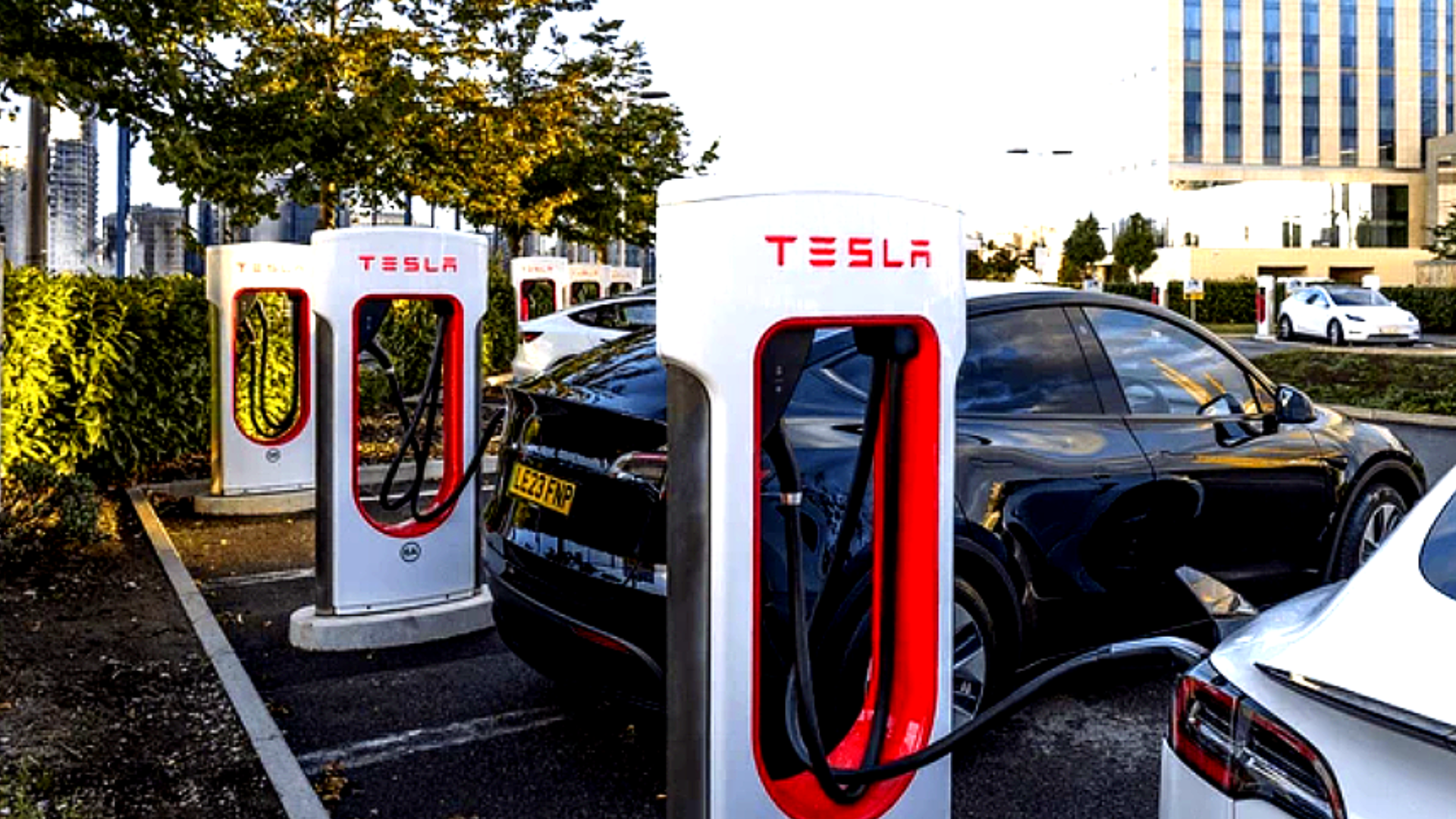
Farley also addressed Tesla during the interview. While acknowledging the company’s strengths, he noted that Tesla does not really have an updated vehicle. The comment points to a market where incremental updates are increasingly difficult to sustain against competitors introducing new features, designs, and pricing at a faster pace. Farley has a history of openly assessing rivals without defensiveness, and his Tesla remarks fit that pattern. The observation was measured rather than dismissive, but the implication was clear.
Why Chinese Automakers Are Competing on a Different Level
The competitive advantage Chinese automakers hold goes beyond individual products. According to the Fortune report, companies like BYD have built an ecosystem that controls battery production, software development, and manufacturing simultaneously. That level of vertical integration compresses costs in ways that legacy automakers find difficult to match. The result is vehicles with advanced features sold at prices that put pressure on established brands in nearly every market segment where Chinese manufacturers are actively competing.
Ford Already Has 83% of Its U.S. Sales Assembled Domestically

While Farley has been candid about Chinese competition, Ford has also emphasized its domestic manufacturing footprint. As reported by TheStreet, Farley appeared on Fox and Friends and noted that 83% of the vehicles Ford sells in America are assembled domestically. That figure positions Ford differently from automakers more exposed to tariff costs. The company has pointed to its domestic assembly base as a buffer against the trade policy pressures currently shaping the broader industry, even as it watches Chinese competitors closely.
Tariffs as a Buffer Against Low-Cost Chinese Vehicles
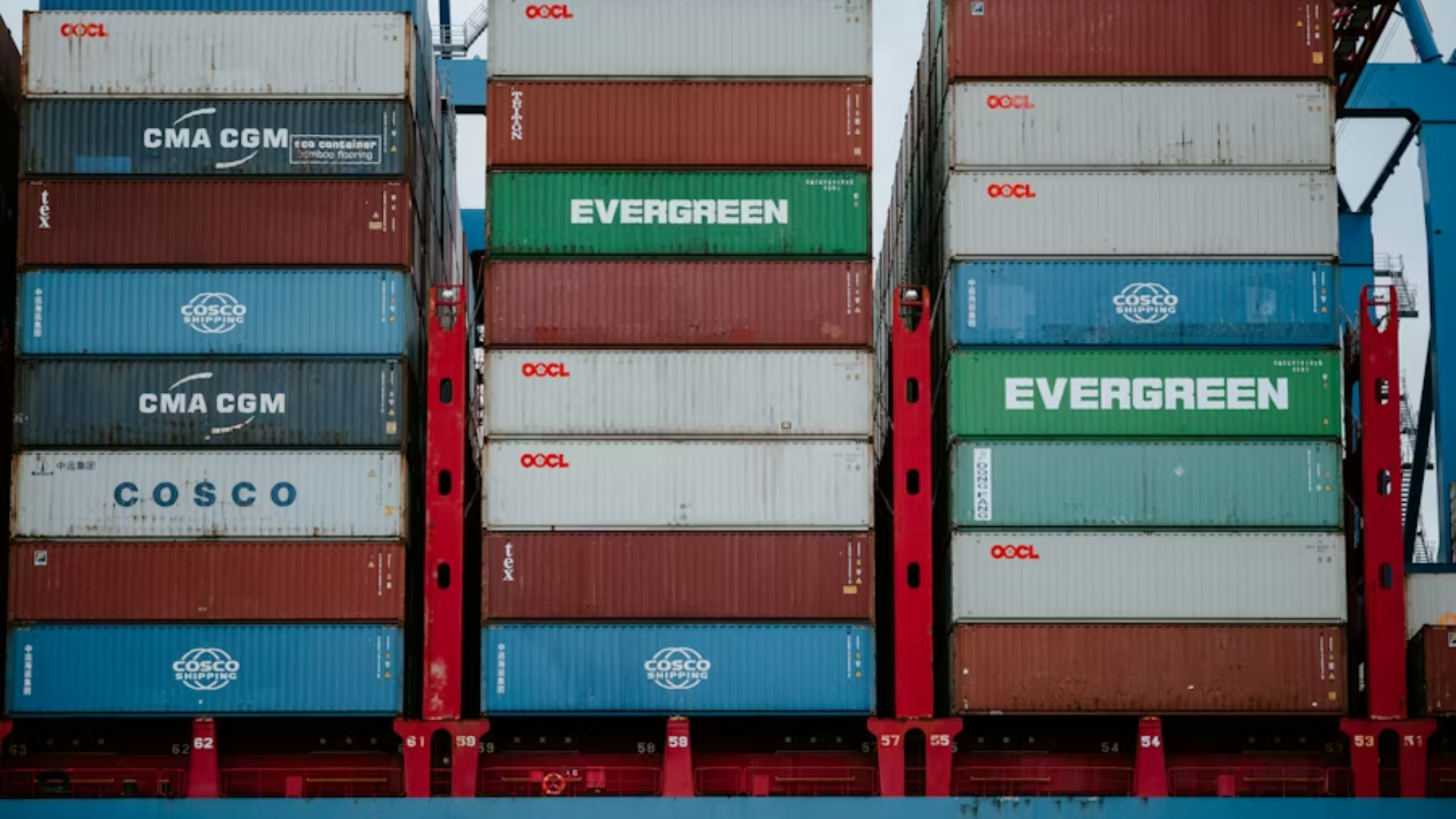
Farley connected his assessment of Chinese automakers directly to ongoing trade policy debates in the United States. As reported by Fortune, he made clear during the interview that unrestricted access for Chinese vehicles into Western markets could have severe consequences for domestic manufacturers. The Trump administration’s tariffs are widely seen as a barrier against a wave of lower-cost Chinese vehicles entering the American market. Farley’s comments suggest he views those trade policies as relevant to Ford’s ability to compete at scale in the current environment.
Ford Is Rethinking Its Electric Vehicle Strategy

Inside Ford, Farley’s public assessment of Chinese competition is already influencing the company’s direction. According to Fortune, Ford is rethinking its electric vehicle roadmap, with greater emphasis on affordability and scale rather than premium positioning alone. The goal is to compete in segments where Chinese automakers are gaining ground fastest. That strategic shift reflects a broader recognition that the EV market is moving toward price-conscious buyers in ways that require a different approach than the one Ford had been pursuing.
The Race Is No Longer About Who Got There First
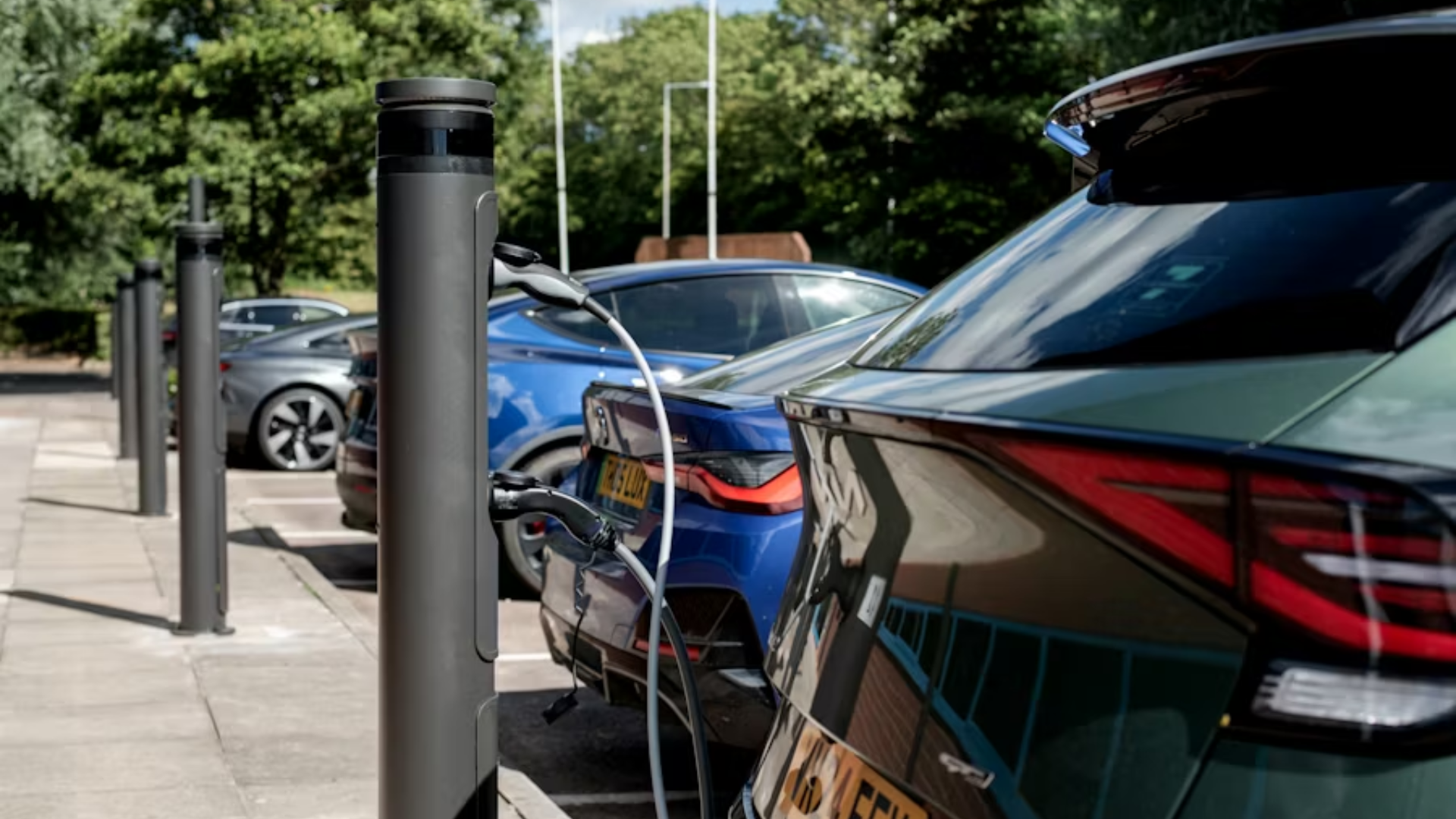
For years, the dominant narrative in the auto industry centered on legacy manufacturers catching up to Tesla. Farley’s remarks point to a market that has moved beyond that framing. Chinese automakers now combine the speed of technology companies with the manufacturing scale of large industrial producers. According to Fortune, Farley stated that the next phase of the automotive race will not be defined by who pioneered electric vehicles, but by who can build them better, faster, and at a price the mass market can afford.
What a Ford CEO’s Honesty Tells the American Auto Industry

Farley’s remarks are notable not just for their content but for how directly they were delivered. He praised a Chinese car he personally drove. He called a Chinese automaker the best in the business. He said Tesla lacks updated vehicles. And he connected all of it to a competitive reality that Ford is actively working to respond to. Whether American automakers can close the gap on cost, speed, and scale is a question the entire industry is now being asked to answer, whether they want to or not.