US Missile Stockpiles Are Running Low and Restocking Could Take Years
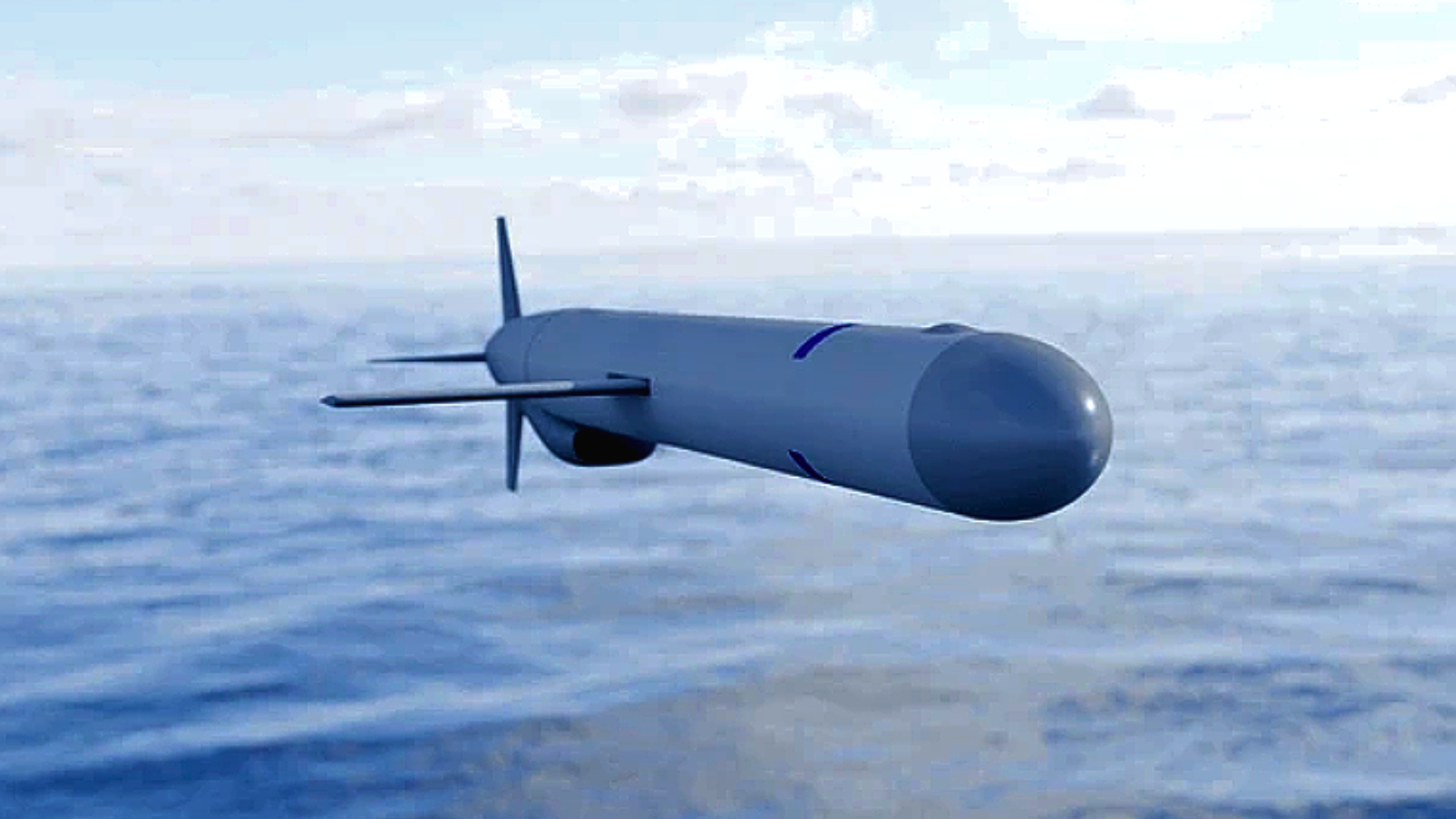

Seven weeks of combat operations against Iran have consumed a significant portion of America’s most critical missile stockpiles, and experts warn the depletion has created a meaningful window of military vulnerability that will take years to close. According to a new analysis by the Center for Strategic and International Studies, the US military has expended at least 45% of its Precision Strike Missiles, at least half of its THAAD missile inventory, and nearly 50% of its Patriot air defense interceptor missiles. Three people familiar with recent internal Defense Department stockpile assessments told CNN those figures closely align with classified Pentagon data.
The Pentagon has signed contracts to expand missile production, but the delivery timeline for replacing these systems is three to five years even with increased manufacturing capacity, according to both the CSIS experts and the sources familiar with the internal assessments. In the short term, the US likely retains enough munitions to continue combat operations against Iran if the current ceasefire fails. The more serious concern identified in the CSIS analysis is what the depletion means beyond Iran: the remaining stockpiles are no longer sufficient to confront a near-peer adversary such as China, and restoring pre-war inventory levels will take years under the most optimistic production projections.
Mark Cancian, a retired US Marine Corps Colonel and one of the authors of the CSIS report, put the strategic implication directly. “The high munitions expenditures have created a window of increased vulnerability in the western Pacific,” he told CNN. “It will take one to four years to replenish these inventories and several years after that to expand them to where they need to be.” That timeline, measured against the pace at which geopolitical situations can change, is the core of what defense analysts are flagging as a near-term risk.
The Full Scope of What Has Been Used and How Long Replacement Takes
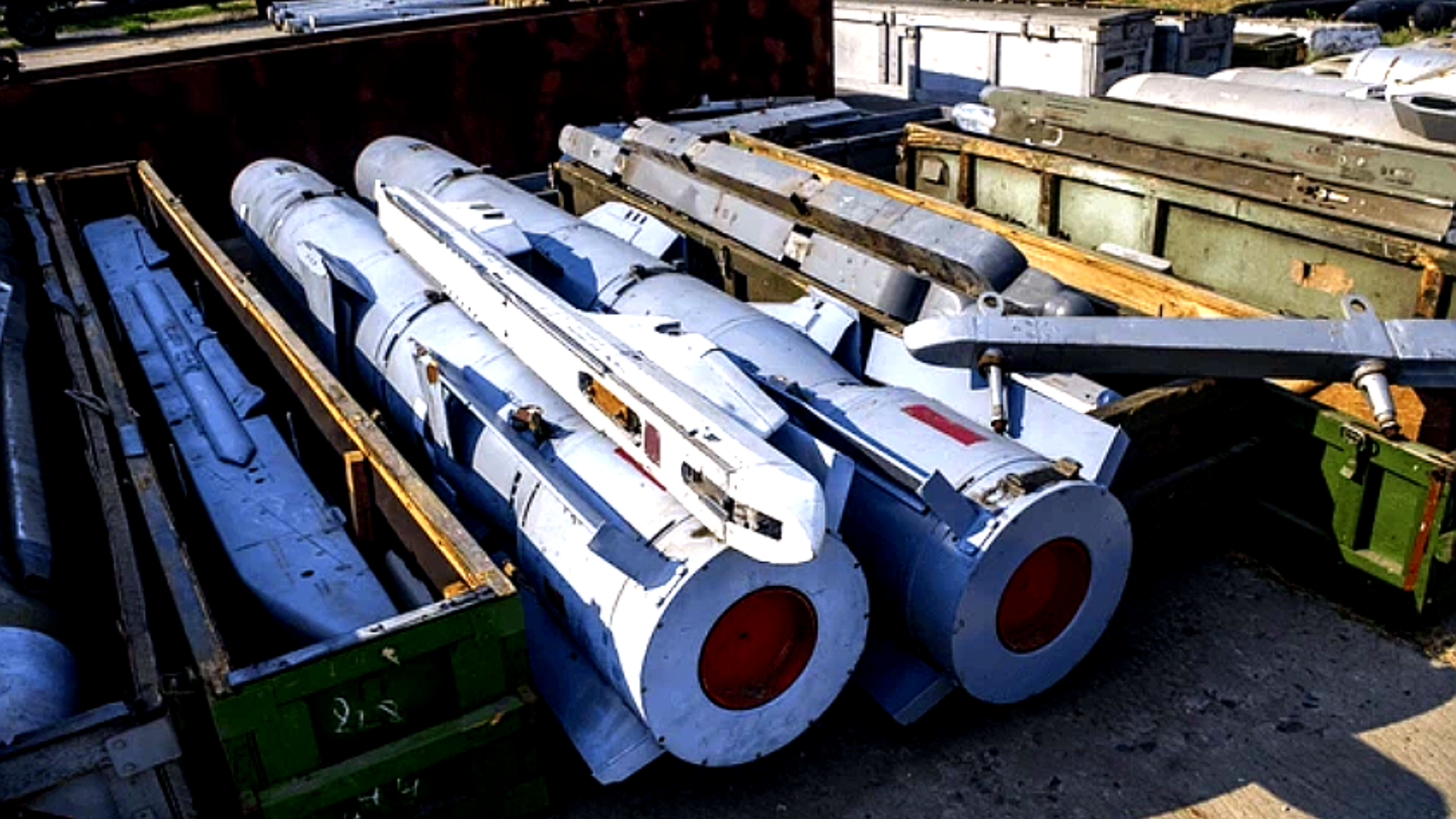
The Precision Strike Missiles, THAAD interceptors, and Patriot missiles represent only part of the depletion picture. The CSIS analysis also found that the US military has expended approximately 30% of its Tomahawk missile stockpile, more than 20% of its long-range Joint Air-to-Surface Standoff Missiles, and approximately 20% of its SM-3 and SM-6 missiles. Replacing those systems would take around four to five years, according to the analysis and the sources cited by CNN. Each of those weapons serves a specific and non-interchangeable function in US military operations, and their depletion across multiple categories simultaneously compounds the overall risk.
The production challenge is not simply a matter of political will or budget allocation. Precision munitions require specialized components, skilled manufacturing workers, and supply chains that cannot be scaled overnight. The Pentagon’s new contracts with private companies are expected to boost output, but the CSIS report notes that near-term deliveries remain relatively low because of small orders placed in prior years, before the Iran conflict created the current demand. The industrial base for advanced missile production was not sized for a sustained high-intensity conflict, and closing that gap is a multi-year project regardless of how much funding is committed today.
Before the war began, Joint Chiefs of Staff Chairman General Dan Caine and other military leaders warned President Trump that a protracted military campaign could impact US weapons stockpiles, particularly those supporting Israel and Ukraine, CNN previously reported. That warning was on the table before the first strike was launched. The depletion figures now documented in the CSIS analysis and confirmed by internal Pentagon sources represent the materialization of exactly the risk that military leadership identified in advance. The question of what comes next for US defense posture in multiple theaters is now an active and urgent policy discussion in Washington.
What the Pentagon Says and Where the Political Debate Stands
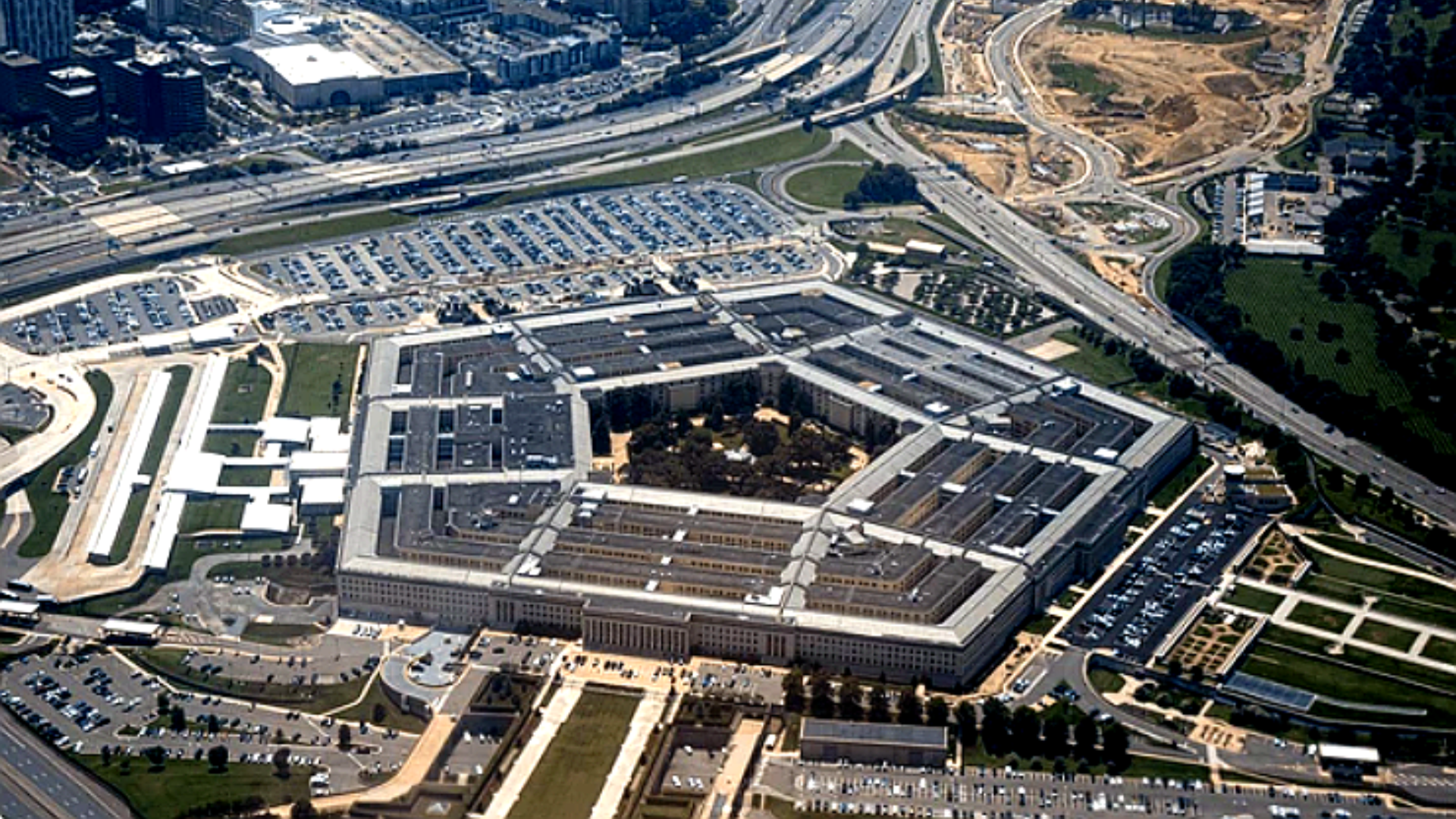
The Pentagon’s public response to the stockpile concerns has emphasized continued operational capability. Chief Pentagon spokesman Sean Parnell said in a statement to CNN that the military “has everything it needs to execute at the time and place of the President’s choosing.” He added that since President Trump took office, the military has “executed multiple successful operations across combatant commands while ensuring the U.S. military possesses a deep arsenal of capabilities to protect our people and our interests.” That framing focuses on current operational sufficiency rather than the medium-term replenishment gap identified by CSIS and the internal sources.
President Trump has also pushed back on characterizations of a shortage. “At the high end we have a lot, but we’re preserving it,” he said last month. He made those remarks while simultaneously requesting additional Pentagon funding for munitions, citing the Iran war’s impact on existing stockpiles. “We’re asking for a lot of reasons, beyond even what we’re talking about in Iran,” Trump said. “It’s a small price to pay to make sure that we stay tippy top.” The request for additional funding, made alongside an assertion that stockpiles remain strong, has created a tension in the administration’s public messaging that congressional Democrats have been quick to highlight.
Democratic lawmakers have voiced explicit concern about the depletion and its implications. Arizona Democratic Senator Mark Kelly, a former combat pilot and astronaut, framed the issue in operational terms during remarks last month. “The Iranians do have the ability to make a lot of Shahed drones, ballistic missiles, medium range, short range and they’ve got a huge stockpile,” Kelly said. “So at some point this becomes a math problem and how can we resupply air defense munitions. Where are they going to come from?” His framing of it as a math problem rather than a political one reflects the core of what defense analysts have been saying privately and the CSIS report has now put on the public record.
The China Question and What This Means for US Defense Beyond the Middle East

The strategic concern that runs through every expert assessment of the current stockpile situation is not Iran. It is China. US military planning for a potential conflict in the western Pacific, particularly any scenario involving Taiwan, depends heavily on the same categories of precision missiles that have been significantly depleted over the past seven weeks. THAAD, Patriot, Tomahawk, and SM-3 missiles are not niche weapons. They are foundational components of the US military’s ability to operate against a technologically advanced adversary at range. Consuming large portions of those stockpiles in one theater while another potential flashpoint exists in a different one is the scenario that defense planners spend years trying to avoid.
The three-to-five-year replacement timeline cited by CSIS sits uncomfortably against the pace at which US-China tensions over Taiwan have been developing. A window of increased vulnerability in the western Pacific, as Cancian described it, is not an abstraction. It is a specific period during which adversaries who are aware of US stockpile levels could assess their own opportunities differently than they would if those stockpiles were full. Whether that assessment changes any actor’s calculus is impossible to predict, but the existence of the window is itself a strategic variable that did not exist before the Iran campaign began.
The CSIS analysis and the internal Pentagon sources who confirmed its figures have put factual numbers on a debate that was previously conducted in general terms. The US military consumed, in seven weeks, stockpile percentages that will take years to rebuild. The Pentagon says it has what it needs for current operations. Independent analysts and the military’s own pre-war warnings say the medium-term picture is more complicated. Both things can be simultaneously true, and the tension between them is what Congress, the defense industry, and allied governments are now working through. The missiles used in Iran cannot be replaced quickly. The world will not pause while America restocks.