Homeowners Hit With Higher Trash Bills as Rates Rise by $275 to Cover Sanitation and Infrastructure Costs

Homeowners are about to see their trash bills climb, with annual sanitation fees rising to $275 starting this summer, a change local leaders say reflects a broader reality facing communities across the country. The increase pushes the fee up from $233.16, marking the first adjustment in three years and arriving at a time when utility and waste costs are rising faster than many households expect.
What the Increase Looks Like for Residents
For the average household, the jump translates to an additional $41.84 per year, or roughly $3.49 more each month, a figure officials describe as modest but necessary to sustain operations. Bills will begin going out in June 2026 and must be paid by August 1, with homeowners responsible for ensuring payments are made, including those with escrow accounts through mortgage providers.
Where This Is Happening and Why It Matters
The increase is taking place in South Fulton, Georgia, where city leaders unanimously approved the new solid waste fee after months of reviewing rising costs. Officials there say the decision reflects not just local budget pressures but a growing strain on municipal systems that are becoming more expensive to maintain nationwide.
Why the City Says It Had to Act
City officials frame the increase as a “measured” response to mounting operational pressures, citing rising costs tied to fuel, labor, equipment, waste disposal, and regulatory compliance. Maintaining sanitation services, they argue, is essential not just for convenience but for public health, environmental protection, and the overall functioning of the city’s infrastructure.
What Those Fees Actually Pay For
The sanitation fee covers a wide range of services that often go unnoticed until they are disrupted, including weekly trash pickup, environmental programs, and upkeep of facilities like the Merk Miles Citizens Convenience Center. Officials emphasize that the increase is designed to preserve existing service levels rather than expand them, aiming to avoid larger, more disruptive hikes later.
A Local Decision Reflecting National Trends

South Fulton’s rate hike is not happening in isolation but mirrors a national trend of rising utility and waste costs driven by structural pressures. Across the U.S., even basic water and sewer bills rose 5.1% in 2025 alone and have climbed more than 24% since 2020, with increases outpacing inflation due to higher energy, labor, and construction expenses.
The Hidden Driver: Landfill Costs
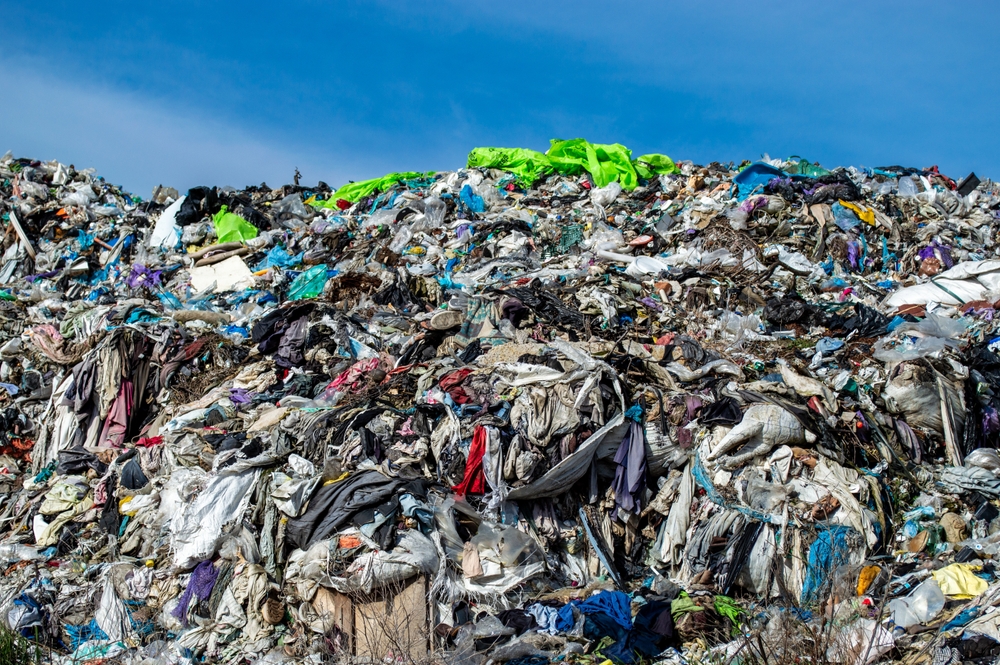
One of the biggest forces behind rising trash bills is the growing cost of landfill disposal, where tipping fees have surged by nearly 133% over the past 35 years. Limited landfill space, stricter environmental regulations, and the shift toward larger, more complex facilities have made waste disposal significantly more expensive, with those costs ultimately passed on to residents.
More Waste, More Pressure on the System
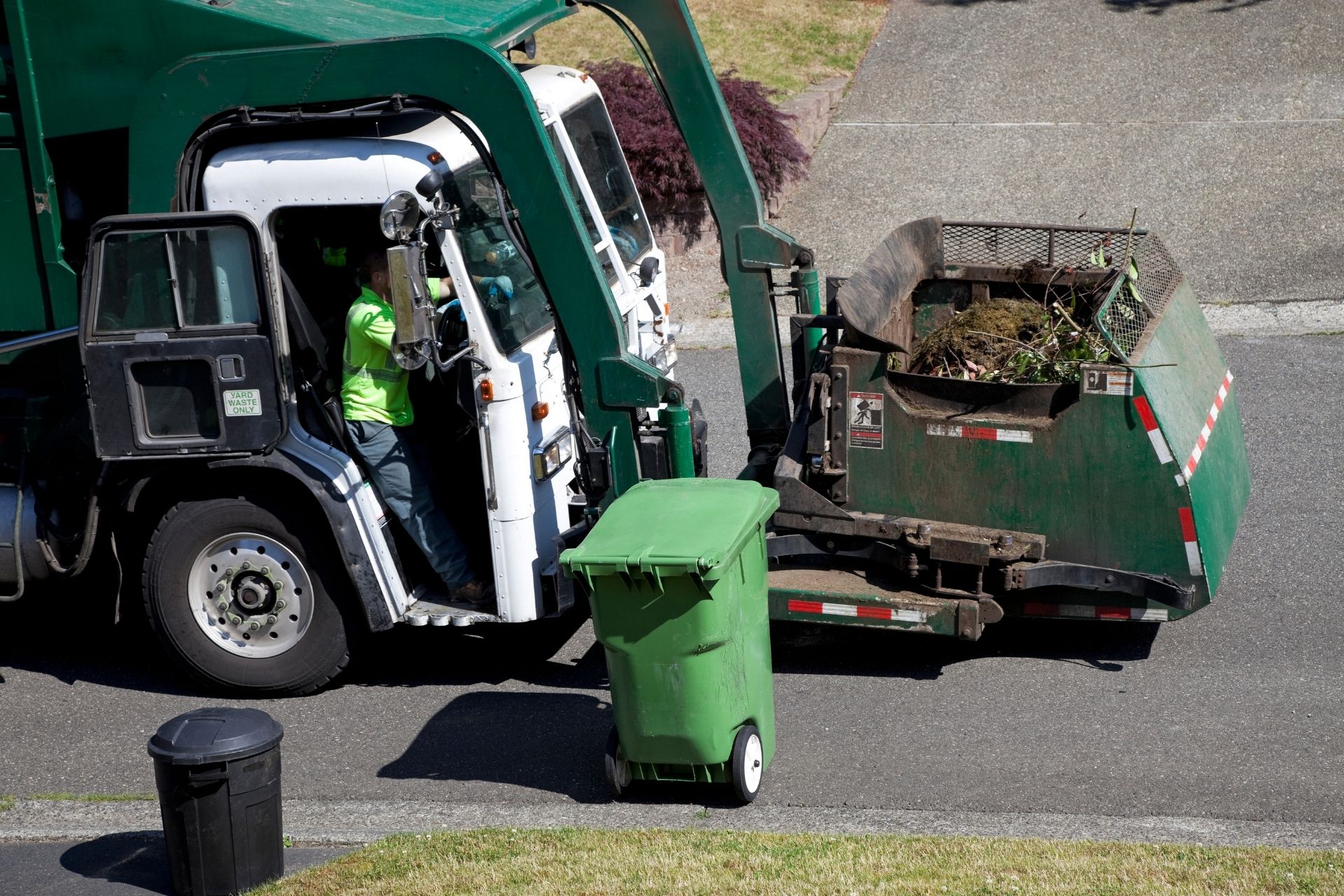
At the same time, Americans continue to generate massive amounts of waste, with the country producing 292.4 million tons of municipal solid waste annually, or about 4.9 pounds per person per day, according to federal data. Roughly half of that waste still ends up in landfills, underscoring the ongoing demand for disposal capacity and the strain it places on local systems.
Rising Costs Behind the Scenes
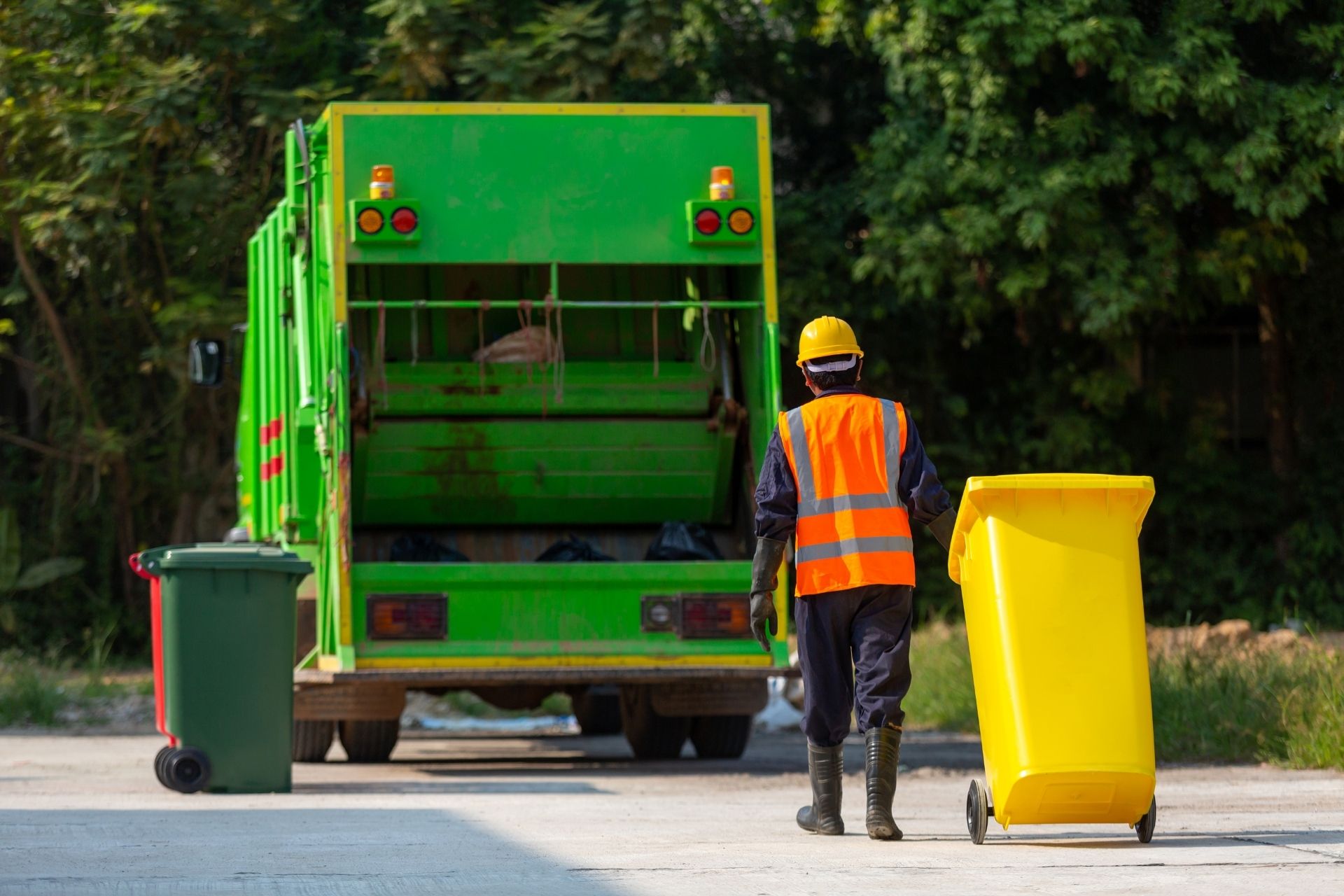
Beyond landfill fees, the cost of managing waste is rising at nearly every stage, from transporting garbage to processing it. Fuel price increases, labor shortages in trucking and sanitation work, and the need to haul waste longer distances due to limited local landfill capacity are all adding to the financial burden cities must cover.
What Comes Next for Waste and Costs
As cities across the country grapple with aging infrastructure, rising environmental standards, and increasing waste volumes, sanitation costs are unlikely to stabilize anytime soon. The challenge now is not just managing higher bills but rethinking how waste is handled altogether, with growing pressure to invest in recycling, waste reduction, and more sustainable systems that could ease the financial burden over time.