‘We Don’t Have the Money’: NYC Business Owners React to $30 Wage Proposal
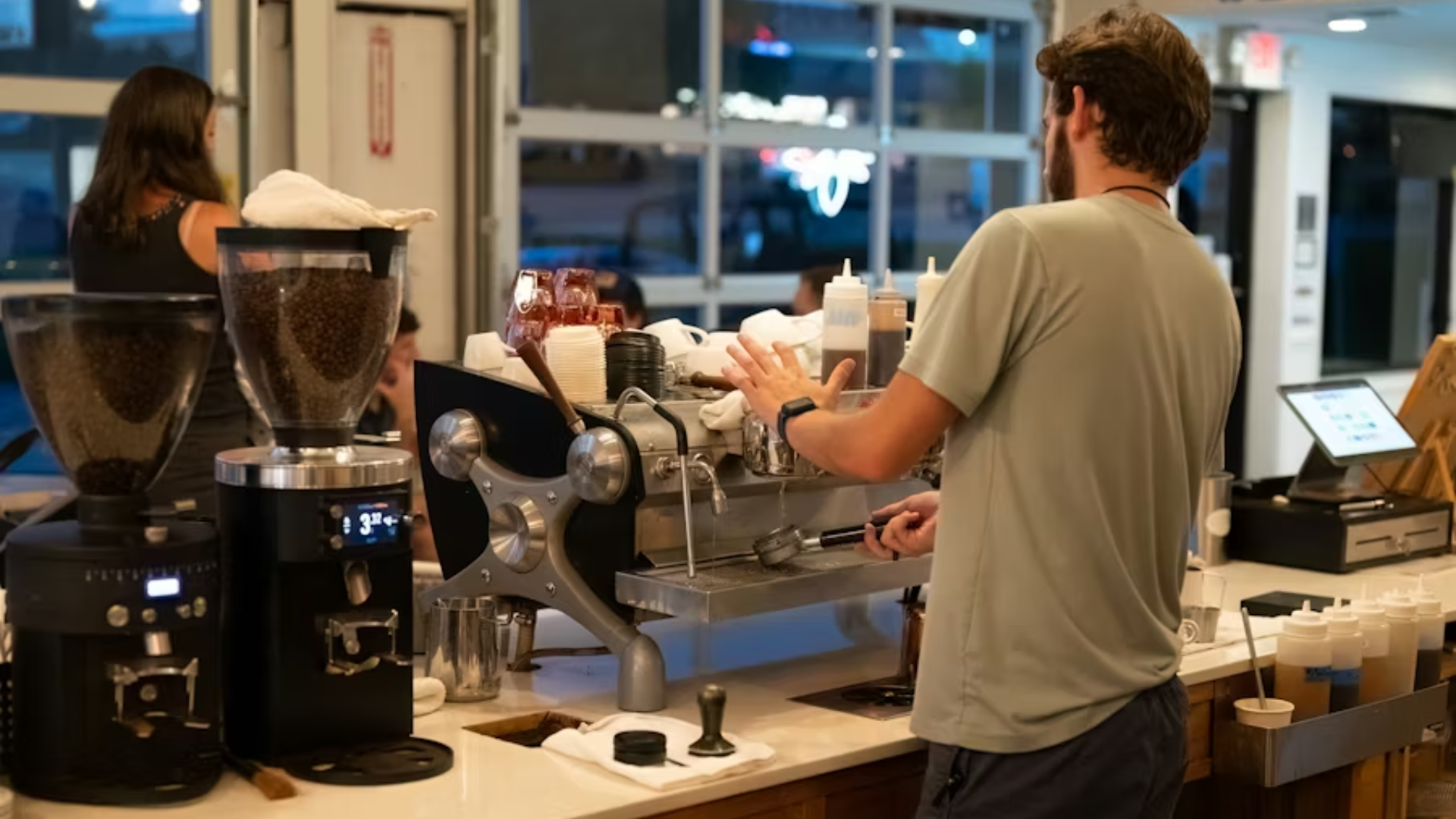

A coffee shop owner in Queens put it plainly when asked about New York City’s proposed $30 minimum wage: “As much as I would like to pay $30, we don’t have money.” Moe Chan’s response to the Wall Street Journal captures the position of thousands of small business owners across the five boroughs who are watching a proposal move through local politics that could fundamentally change how they operate, who they can afford to hire, and whether some of them survive at all. The debate is just beginning, and Los Angeles is already showing what comes next.
The proposal stems from a campaign pledge by New York City Mayor Zohran Mamdani, whose “$30 by ’30” message made a $30 hourly minimum wage a centerpiece of his run. Mamdani’s argument is direct: “When working people have more money in their pocket, the overall economy thrives. Right now, if you are earning a minimum wage in the city, you simply cannot afford to continue calling it your home. We have to change that.” The city council is now considering a mandate that would follow Los Angeles’s model, incremental increases reaching $30 per hour by 2030. The question is what that path looks like on the ground.
New York City is not operating in a vacuum. Los Angeles passed a phased minimum wage increase to $30 for airport and hotel workers last year, signed into law by Mayor Karen Bass, with hourly wages rising $2.50 annually until the target is reached in 2028. The Hotel Association of Los Angeles commissioned a study that found hotels have already eliminated or expect to eliminate roughly 6% of positions, approximately 650 jobs since the ordinance took effect in September. New York’s business owners are reading those numbers carefully, and many do not like what they see coming.
Restaurant Owners, a Tipping Point, and the Jobs That May Disappear First

Sean Hayden owns five restaurants in New York City and employs more than 200 people. He told the Wall Street Journal that a $30 minimum wage would make it effectively impossible for the next generation of culinary workers to do what he did — build toward ownership. “It’s just going to get to the stage where a chef or a waitress or a bartender who has a dream of opening a restaurant, it’s just not possible,” Hayden said. His concern is not abstract. He has already identified the specific operational response he would be forced to make.
If the mandate passes at $30 per hour, Hayden said he would lay off a “dozen” servers and replace table ordering with QR codes. The math behind that decision is straightforward: labor is the largest controllable cost in most restaurant operations, and when that cost increases by a mandated percentage, the first adjustment is headcount. QR code ordering systems are not new but deploying them as a direct response to a wage mandate carries a different meaning. “You’re taking the whole dining, hospitality aspect of it out,” Hayden said. The people most affected by that trade-off are the servers being replaced.
Hayden’s preferred range is $20 to $25 per hour, a figure he described as workable within his current business model. That range is not insignificant. New York State’s current minimum wage sits at $16 per hour in New York City, meaning even the business owner’s preferred compromise represents a wage increase of 25% to 56% from where things stand today. The debate is not between $16 and $30. It is between competing visions of what the city’s labor market can absorb, who benefits most from each outcome, and who bears the cost when the number gets set too high or too low.
The Los Angeles Precedent and What the Numbers Already Show
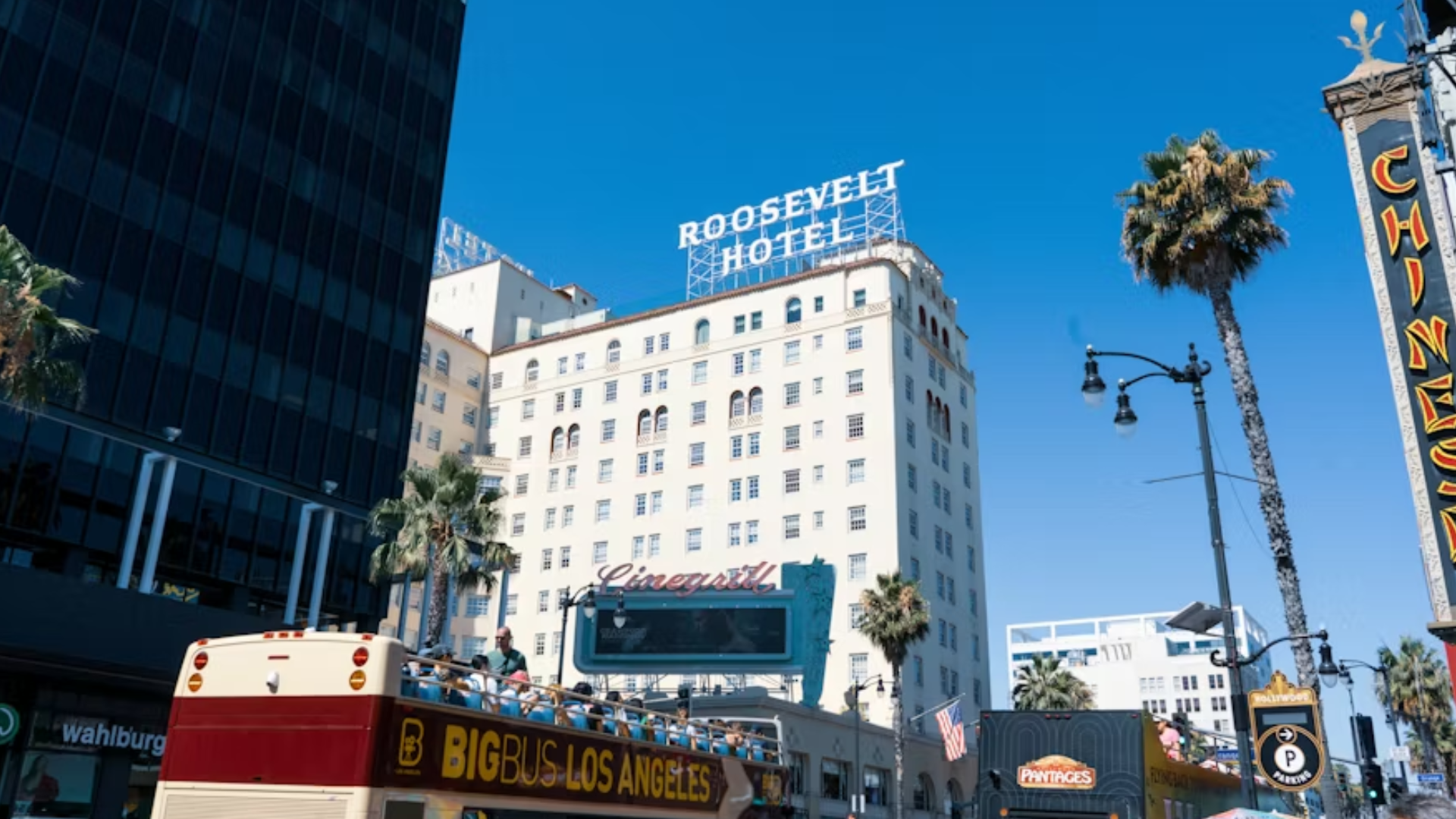
Los Angeles is the closest available comparison for what New York is weighing. The Hotel Worker Minimum Wage Ordinance, which took effect last September and mandates $30 per hour for hotel workers by 2028, was presented as a worker protection measure. The Hotel Association of Los Angeles’s commissioned study tells a more complicated story: 6% of hotel positions eliminated or projected to be eliminated in the months since implementation began, representing roughly 650 jobs across the sector. Supporters of the ordinance dispute the framing. Opponents cite the number as evidence of exactly what they predicted.
The Los Angeles model is incremental, wages rise $2.50 per year rather than jumping to $30 immediately and that structure is likely to be mirrored in any New York City proposal. Incremental increases give businesses time to adjust, which is the political and economic argument for phasing. But they also create multi-year uncertainty for business owners trying to plan hiring, investment, and pricing. A restaurant owner deciding whether to open a second location in 2025 must factor in what labor will cost in 2026, 2027, 2028, and 2030. That planning horizon becomes considerably more difficult when the endpoint is a mandated figure still years away.
Melissa Fleischut, president of the New York State Restaurant Association, told the Wall Street Journal that the industry is already feeling squeezed from multiple directions. “We feel like we’re at a tipping point with consumers,” she said. A reference to what some in the industry describe as “menu price fatigue,” the point at which diners begin pulling back on restaurant visits because prices have risen past what they are willing to absorb. A mandated wage increase that pushes menu prices higher could accelerate that pullback, reducing restaurant revenue at precisely the moment their labor costs are rising. That particular combination is how restaurants close.
Workers Who Can’t Afford the City They Work In and the Argument That Doesn’t Go Away

The business owners’ concerns are real and grounded in arithmetic. So is the argument on the other side. New York City’s cost of living is among the highest in the country. A worker earning $16 per hour in the five boroughs takes home approximately $33,000 per year before taxes on a full-time schedule. The median rent for a one-bedroom apartment in the city runs well above $3,000 per month in many neighborhoods. Those two numbers do not reconcile. Mamdani’s observation that minimum wage workers “simply cannot afford to continue calling it your home” is not a rhetorical flourish. It is a description of a mathematical reality.
The tension at the center of this debate; between the workers who need more money to survive in the city and the business owners who say they do not have the margin to provide it is not unique to New York. It is playing out in Seattle, Chicago, Los Angeles, and every other high-cost American city that has attempted to legislate a living wage into existence. The outcomes have been mixed and genuinely contested by economists on both sides. Some studies show minimal job loss. Others show significant displacement, particularly among low-wage workers in sectors with thin margins. New York is about to run its own version of that experiment, at scale, in the most scrutinized city in the country.
What happens next depends on whether the city council advances the proposal, how Mamdani governs if elected, and whether the phasing structure gives businesses enough runway to adapt without absorbing the full shock at once. The comment sections of every article covering this story are already split between workers who say $30 is overdue and owners who say it will cost them the business they spent years building. Both groups are describing real experiences. The policy has to choose which math it believes and live with what the other side loses.