If You’ve Been Trapped on a Train With Someone Blasting TikToks, You’ve Experienced “Bare Beating”
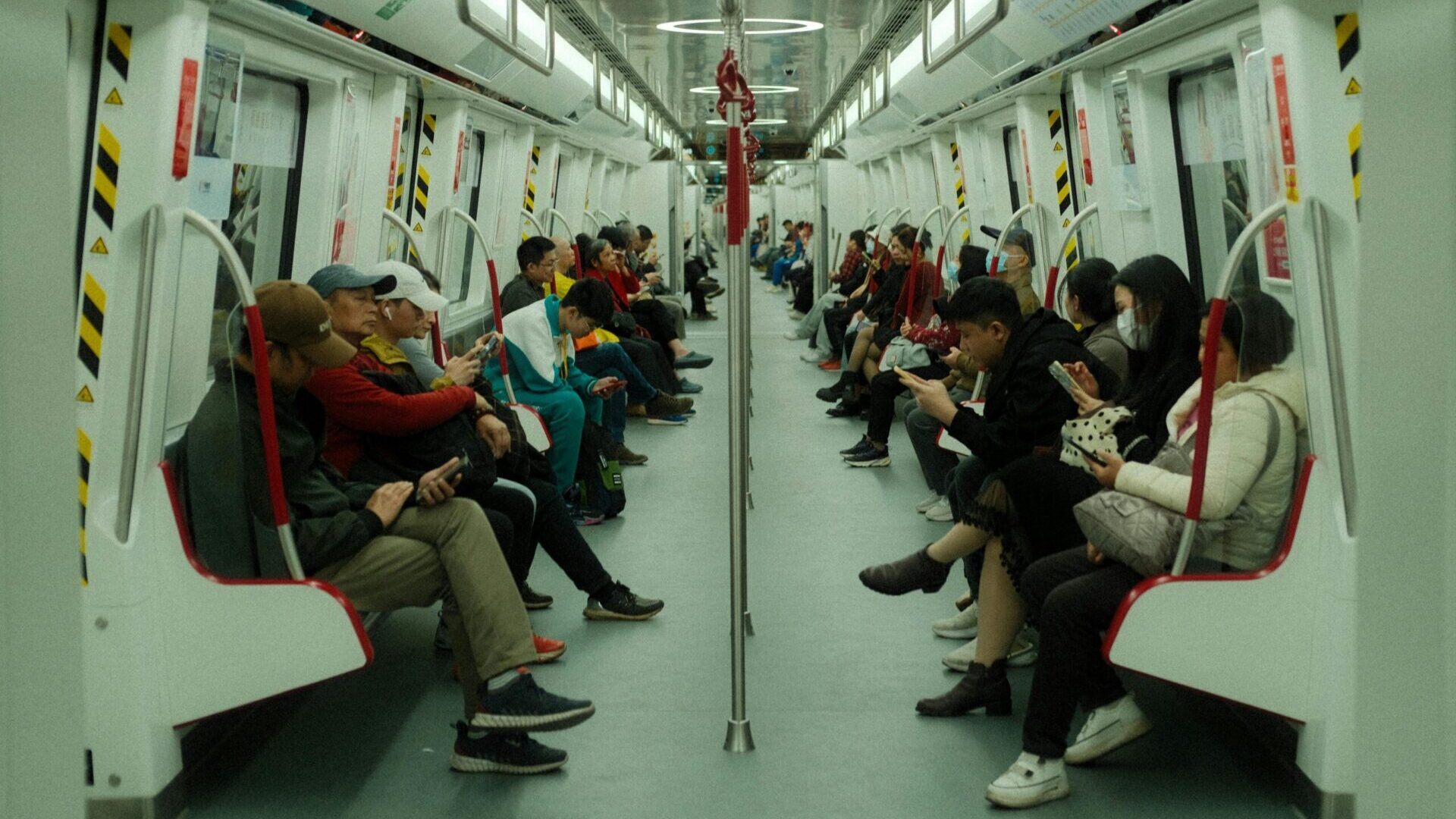

Anyone who has spent time on public transport may recognize the situation instantly. A passenger scrolls through videos at full volume, filling a quiet carriage with sound that no one else chose to hear. This increasingly common behavior now has a name: bare beating.
The term refers to playing music, videos or other audio out loud in public without headphones. While it may seem like a minor annoyance, it has become a widespread source of frustration, particularly in shared environments such as trains, buses and waiting areas.
As smartphones and short-form video platforms become more embedded in daily life, the frequency of these disruptions appears to be rising. What was once occasional has turned into a familiar part of commuting for many people.
Why It Bothers So Many People

Part of what makes bare beating so irritating is the lack of control it imposes on others. Unlike background noise, such as conversation or ambient sound, personal media is often repetitive, loud and difficult to ignore.
Experts in social behavior suggest that the issue is tied to shifting norms around public and private space. As personal devices become more central to everyday routines, the boundaries of what is considered acceptable in shared environments are becoming less clear.
For some, the behavior reflects a broader decline in public etiquette. Others see it as a simple oversight, with users not fully aware of how disruptive their actions are to those around them.
Technology and Changing Social Norms
The rise of platforms like TikTok and Instagram Reels has played a role in shaping this trend. These apps are designed for quick, continuous consumption, often encouraging users to scroll through multiple videos in a short time.
Without headphones, that experience becomes a stream of fragmented audio for everyone nearby. The design of these platforms, combined with the accessibility of smartphones, has made it easier than ever to consume media anywhere, regardless of setting.
At the same time, the expectation that people should always be connected has blurred traditional social boundaries. What might once have been considered inconsiderate is now, for some, seen as normal behavior in a digitally connected world.
A Growing Push for Courtesy in Shared Spaces
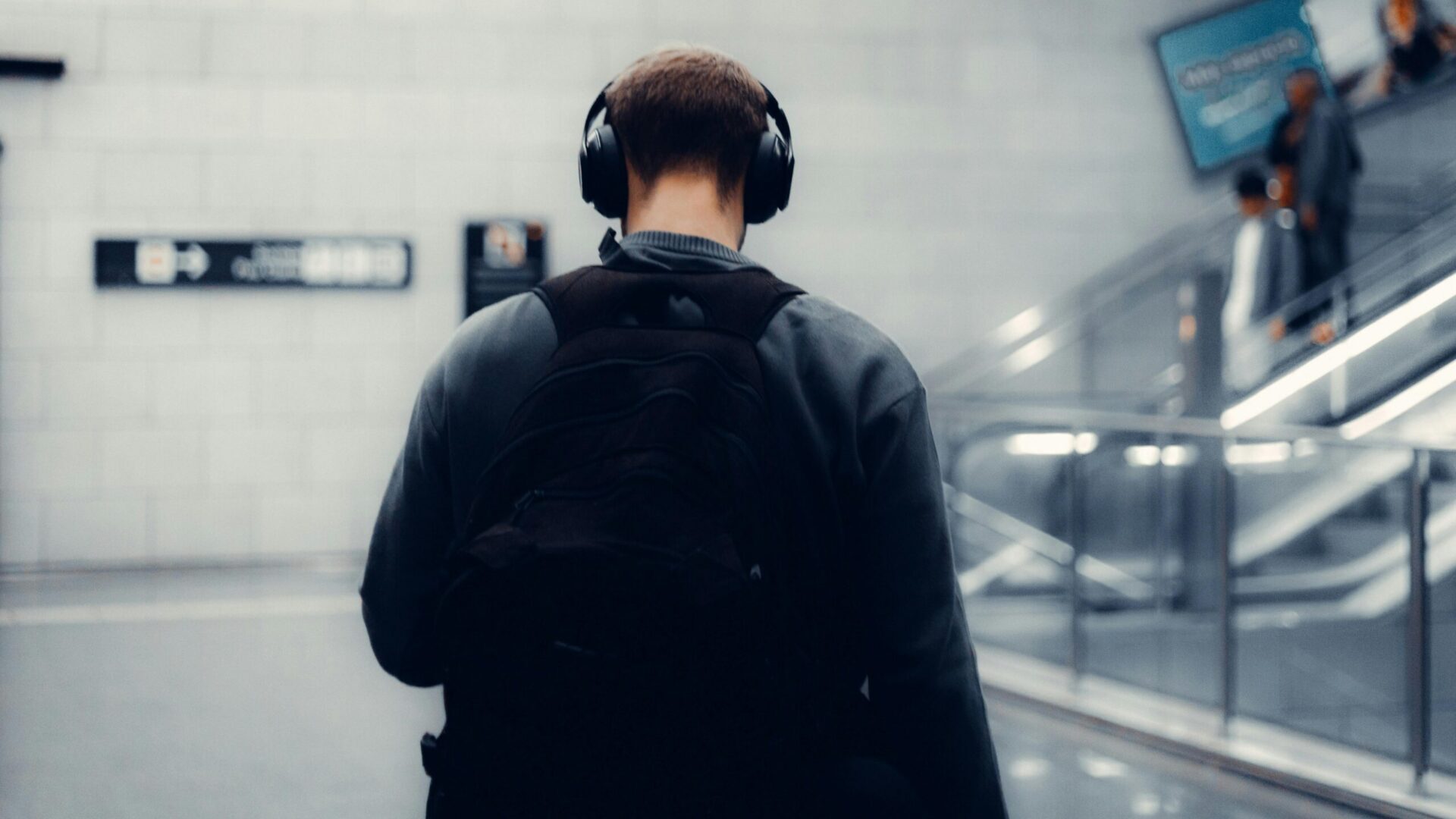
In response to the rise of bare beating, some transit systems and public spaces have begun reminding passengers to use headphones. These efforts aim to reinforce basic courtesy without imposing strict enforcement measures.
Social reactions have also played a role. Many people share their frustrations online, helping to bring attention to the issue and encourage more mindful behavior. The term itself has gained traction as a way to describe and call out the habit.
Looking ahead, the solution may depend less on regulation and more on awareness. As public spaces continue to adapt to changing technology, the balance between personal convenience and shared comfort remains an ongoing conversation.