Elon Musk Promised Memphis His Data Center Wouldn’t Touch the Drinking Water, Then Quietly Scrapped the Plan
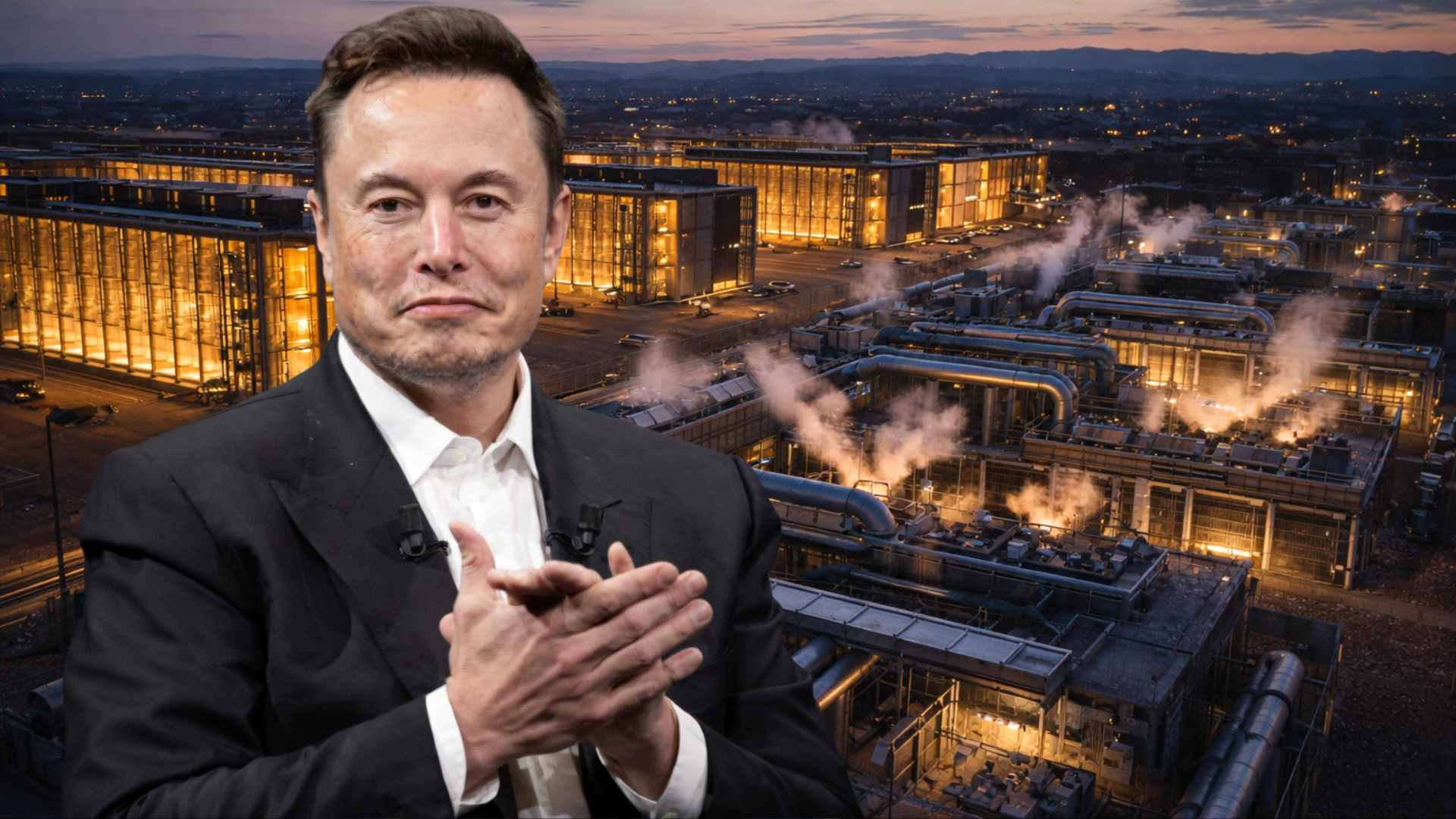

Elon Musk’s xAI told Memphis it had a solution. The Colossus supercomputer facility, one of the most powerful AI data centers ever built, would cool itself using recycled wastewater rather than drawing from the Memphis Sand Aquifer, the underground freshwater source that supplies drinking water to hundreds of thousands of people across the region. Residents were given that assurance. Then, with no public announcement, construction of the promised recycling plant stopped. An engineer for the company told The Daily Memphian the project is now “indefinitely paused.”
The Colossus facility is already operational and generating enormous heat loads that require continuous cooling to keep its servers running. Data centers of this scale typically consume millions, sometimes billions of gallons of water annually. xAI’s original commitment was to build an on-site wastewater recycling plant that would allow the facility to cool itself without tapping the aquifer at all. That commitment is now on hold for reasons the company has not clearly explained, replaced by a statement promising the plan “has not changed” while simultaneously confirming it has been deprioritized for “more immediate projects.”
The gap between that promise and the current reality has sharpened an already tense relationship between xAI and the Memphis community. Residents had been vocal about their concerns before the recycling plant was announced, and the pledge to protect the aquifer was one of the primary reassurances offered to address those concerns. Its suspension has not gone unnoticed. What is happening in Memphis is not an isolated local dispute — it is one of the clearest examples yet of a pattern playing out in communities across the country wherever major data centers have been built or proposed.
What the Memphis Aquifer Actually Is and Why Losing It Would Be Irreversible
The Memphis Sand Aquifer is not just a water source. It is one of the purest and most naturally protected freshwater aquifers in the United States, filtered through layers of clay and sand over thousands of years. It supplies drinking water to Memphis and the surrounding region, serving hundreds of thousands of residents who depend on it daily. Unlike surface water systems that can be replenished relatively quickly through rainfall and runoff management, a depleted or contaminated aquifer recovers on a geological timescale measured in decades or centuries, not budget cycles.
The Daily Memphian reported that without the completed recycling plant, xAI and the local power provider could draw billions of gallons of freshwater directly from the aquifer to cool the Colossus facility. The word “billions” in that sentence is not rhetorical. A single large-scale data center can consume anywhere from one to five million gallons of water per day depending on its cooling configuration and local climate. Over the course of a year, a facility operating at Colossus’s scale could rival the water consumption of a small city. That load, applied to a finite underground reserve, produces a math problem with no comfortable answer.
Memphis’s water system officials and environmental advocates have been flagging this risk since before Colossus came online. The aquifer has historically been protected by its geology and by the relative modesty of industrial demand placed on it. The arrival of a facility requiring the kind of continuous, high-volume cooling that AI supercomputers demand changes that equation fundamentally. xAI’s recycling plant was supposed to be the engineering answer to that equation. Its indefinite pause has left the equation unsolved, and the aquifer exposed to a demand it was never designed to absorb.
A Pattern Bigger Than Memphis: Communities Across the Country Are Pushing Back
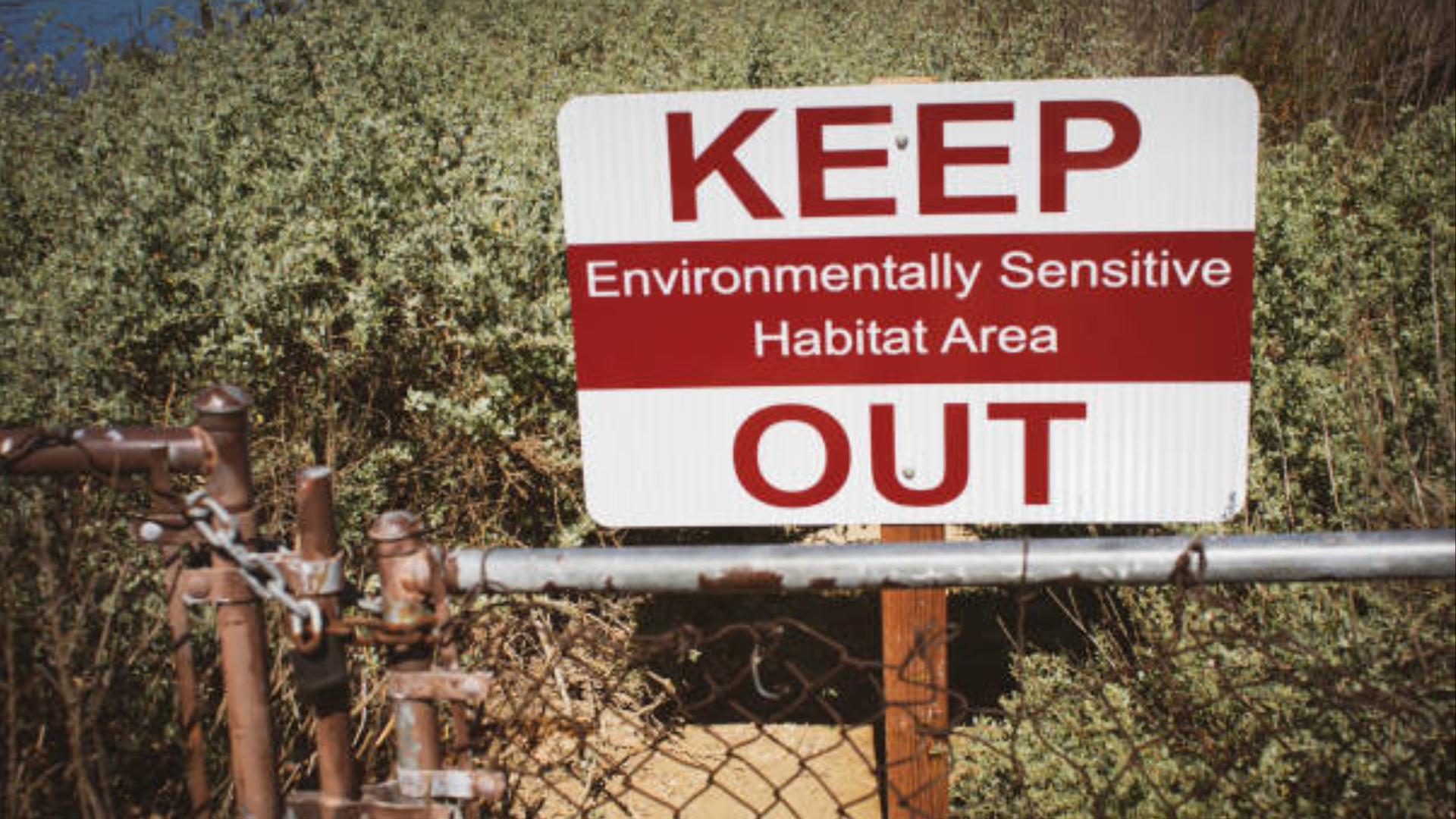
Memphis is not alone. Community opposition to data center construction has been growing steadily across the United States as residents in affected areas have become more informed about what these facilities actually require. The concerns follow a consistent pattern: a technology company announces a major facility bringing jobs and economic activity, local officials offer tax incentives and regulatory support, and residents begin asking questions about water, power, noise, and environmental impact that the initial announcements did not answer. By the time those questions get traction, construction is often already underway.
In Festus, Missouri, residents raised contamination concerns about a data center’s water use that drew local news coverage and forced officials to respond. Similar disputes have emerged in Virginia, Georgia, and the Pacific Northwest, where the concentration of data center infrastructure has outpaced public understanding of its resource demands. Investors in major technology companies including Google, Amazon, and Microsoft have also begun raising water consumption as a formal concern in shareholder discussions, a signal that the issue has moved from community meeting rooms into boardrooms and annual reports.
The Memphis situation carries particular weight because the promise was explicit and public. xAI did not remain vague about its water plans. The company named a specific solution and offered it as the reason residents should not be concerned about the aquifer. That specificity is now the source of the credibility problem. Vague reassurances are easy to walk back. Specific engineering commitments that are then paused indefinitely are harder to explain, and harder for the communities affected to accept as anything other than a broken promise.
“Our Plans Have Not Changed” and Why That Statement Is the Problem

xAI’s response to the pause has been carefully worded. “xAI is committed to building a state-of-the-art water recycling plant in Memphis,” the company said in a statement. “This plant will protect billions of gallons of water each year. The team is currently prioritizing other more immediate projects at the site, but our plans to build the water plant have not changed.” Read charitably, it is a scheduling update. Read by a Memphis resident whose drinking water supply sits beneath a data center drawing from the aquifer without the promised protection in place, it is something considerably less reassuring.
The phrase “indefinitely paused”, the language used by xAI’s own engineer is doing significant work in this story. Indefinite in this context means there is no timeline for resumption, no announced trigger that would restart construction, and no public accountability mechanism to ensure the plant gets built before the aquifer absorbs years of unmitigated demand. Communities have watched similar commitments by large technology companies stretch from months into years without resolution. The gap between corporate communications and lived local experience is where trust erodes, and in Memphis, that gap is currently measured in billions of gallons.
What Memphis is confronting is a question that every community hosting a major data center will eventually have to answer: what happens when the infrastructure that was supposed to protect local resources gets deprioritized in favor of the company’s “more immediate projects”? AI development is accelerating at a pace that is outrunning the environmental commitments being made in its name. The water in the Memphis aquifer does not care about server deployment schedules or quarterly earnings calls. It will either be there when Memphis needs it, or it won’t. Which of those outcomes materializes may depend on whether the company’s promise ever stops being indefinitely paused.