The Hidden Cost of Wildfires Is Showing Up on Californians’ Power Bills Every Month
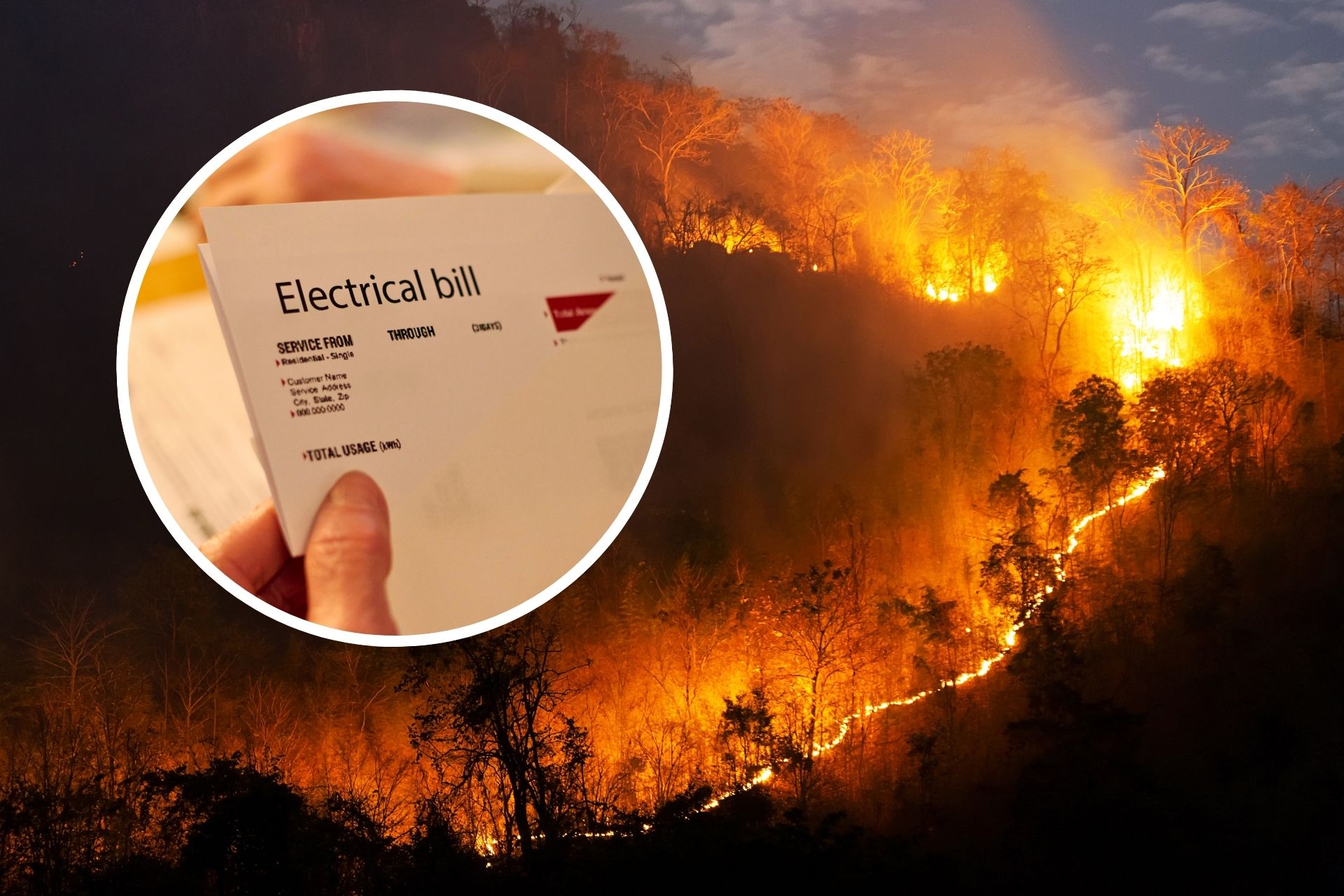

Wildfires in California leave behind burned homes, lost lives, and devastated communities, but their financial impact does not end when the flames are out. Increasingly, the cost of these disasters is appearing in a less visible place: monthly electricity bills.
A $41 Line Item Most People Don’t Notice

For many Californians, the added cost is significant but easy to miss. A recent report from the California Earthquake Authority found that wildfire-related expenses add an average of $41 to monthly bills for customers of the state’s largest utility, accounting for roughly 19% of their total charges. That pattern holds across other major utilities as well, with customers of Southern California Edison and San Diego Gas & Electric paying an additional 17% and 14%, respectively.
How Wildfires Became a Utility Expense
The mechanism behind these rising bills is rooted in California’s regulatory structure. When utilities are found responsible for starting wildfires, they face billions in liability for damages and settlements. But regulators often allow those companies to recover some of those costs by passing them on to customers through rate increases and surcharges. That means the financial burden of disasters caused by utility equipment can ultimately be shared by the same communities affected by the fires.
A Growing Economic Force Called ‘Climateflation’
Economists increasingly describe this phenomenon as part of a broader trend known as “climateflation,” where climate-driven disasters push up everyday costs. In California, wildfire risk is no longer treated as an occasional crisis but as a steady, embedded expense in the economy. Electricity rates alone have risen 37% between 2020 and 2025, driven in part by wildfire-related spending and infrastructure upgrades aimed at preventing future disasters.
Survivors Are Still Paying the Price
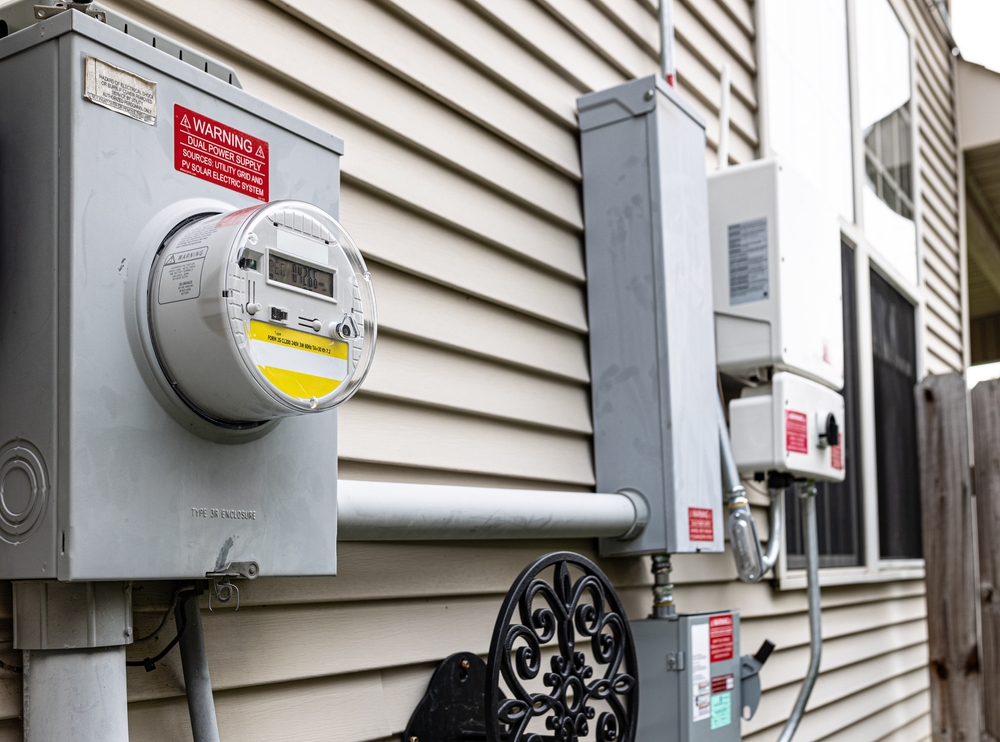
For people who have lived through wildfires, the financial strain is even more direct. Survivors like Will Abrams, who lost his home in the 2017 Tubbs Fire, say the economic toll continues years later. “The suffering hasn’t stopped,” he told FOX40, describing a prolonged fight for fair compensation. Even when settlements are reached, many victims receive only a fraction of their losses, sometimes as little as 40 to 50 cents on the dollar, leaving them struggling to rebuild while costs continue to rise.
Billions Paid, but Not Enough
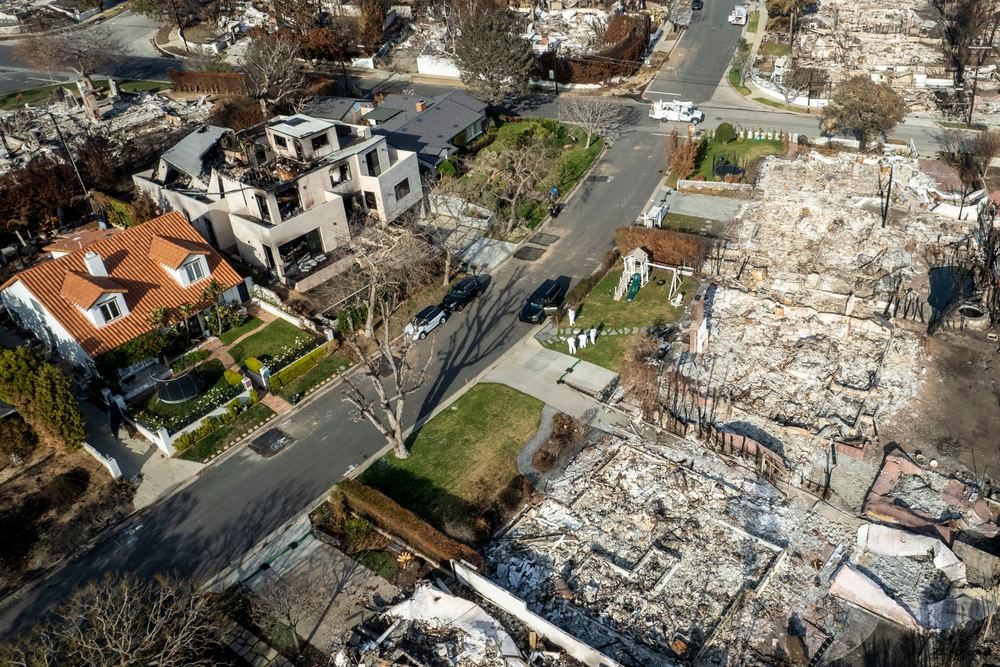
The scale of compensation efforts underscores the gap. After PG&E’s bankruptcy, a $13.5 billion settlement fund was created for wildfire victims, with about 70% of claims paid so far. Yet survivors and advocates argue that the payments fall short of what is needed to fully recover, especially as rebuilding costs soar. The result is a system where victims face long-term financial hardship while ratepayers continue to absorb the broader costs.
Why Bills Keep Climbing Even When Rates Drop
Utilities often point to efforts to reduce electricity rates, but that does not always translate into lower monthly bills. Fixed charges and wildfire-related fees can still push total costs higher, even if per-unit energy prices decline. This disconnect has fueled frustration among customers who see little relief despite public commitments to affordability and cost control.
A New Bill Promises Relief and Accountability

Lawmakers are now trying to address the growing burden. Assembly Bill 2700 proposes cutting electric rates by 30% by 2028 while also examining whether wildfire survivors have been fairly compensated. The bill reflects a broader push to rethink how costs are distributed, balancing the need for a reliable energy system with demands for accountability and affordability. Supporters argue it could bring both financial relief and a measure of justice for those most affected.