These Jobs Cannot Be Replaced by AI, New Study Finds
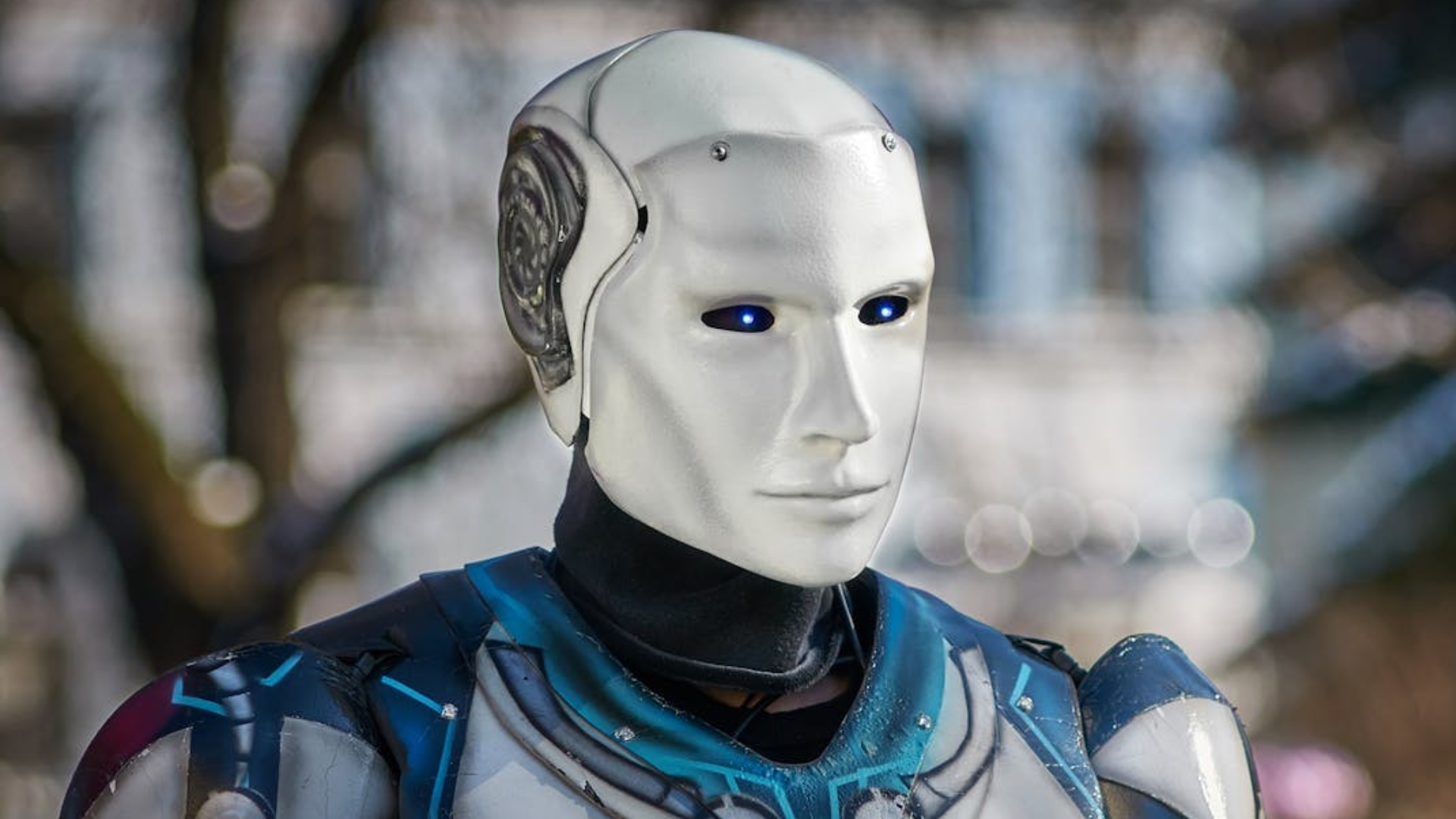

A new study by artificial intelligence research company Anthropic reveals which jobs artificial intelligence is least likely to replace in the coming years, offering reassurance to millions of workers concerned about automation. Contrary to headlines warning of widespread displacement, the research suggests that many occupations remain difficult for AI to fully take over because they require human judgment, physical presence, or complex interpersonal skills. Rather than replacing people outright, AI is more likely to reshape the way many jobs are performed, augmenting human work rather than eliminating it entirely.
Anthropic’s findings are based on a new analytic metric that measures real‑world AI exposure across hundreds of occupations, identifying where current systems can actually substitute human tasks versus where humans have clear advantages. Jobs that involve physical interaction, nuanced decision‑making, or deep social engagement are far less exposed to automation, while roles defined by routine and repetitive work are more vulnerable. This distinction highlights that AI’s impact is not uniform and varies widely by role, industry, and work context.
The study also notes that although AI continues to improve rapidly, its practical use in real workplaces has significant limitations, especially in jobs requiring creativity, empathy, or real‑world problem solving. As companies experiment with AI tools, many roles will evolve rather than disappear, with humans and AI working in tandem to enhance productivity. Workers who focus on uniquely human skills may therefore find themselves better positioned in the evolving job market.
Jobs That Are Safest From AI Replacement

According to the research, jobs that involve substantial physical or interpersonal work are among the least likely to be replaced by AI, such as construction workers, agriculture laborers, and other trades that require manual dexterity and situational awareness. These roles depend on human presence and adaptability in dynamic environments, which current AI and robotic systems struggle to replicate effectively. Such hands‑on professions remain relatively insulated because they involve complex sensorimotor skills and on‑the‑spot judgment that is difficult to automate at scale.
Healthcare occupations like nurses, physical therapists, and emergency responders are also considered safer, as they require deep empathy, rapid decision‑making, and human connection in situations that are highly context‑dependent and dynamic. Similarly, personal care roles including childcare providers, counselors, and social workers rely on emotional intelligence and trust, qualities that AI has not demonstrated convincingly. These fields highlight the continued importance of human empathy and ethical reasoning in work that directly affects people’s wellbeing
Creative occupations such as artists, designers, writers, and performers are seen as less exposed too, as they involve original thought, aesthetic judgment, and personal expression that AI can assist but not fully replicate. Even within white‑collar sectors, high‑level strategy, in‑person leadership, and roles that hinge on persuasion or complex negotiation remain difficult for AI to substitute completely. Taken together, these examples underscore that jobs rooted in human social skills, creativity, and physical adaptability are likely to endure in the age of AI.
Why These Jobs Will Persist

The reason many jobs cannot be fully replaced by AI has less to do with the capabilities of the technology alone and more to do with the inherent complexity of human work. Roles that require empathy, ethical judgement, hands‑on interaction, or culturally sensitive decision‑making are fundamentally rooted in human experience and intuition. AI systems can augment these roles but lack the contextual awareness and personal presence to operate independently in them.
Anthropic’s study also shows that even in jobs where AI could automate a large portion of tasks, the work itself is not necessarily disappearing, instead roles evolve as workers adopt AI tools to perform them more efficiently. This means workers must adapt by developing complementary skills, especially in fields where AI assists but does not supplant human contribution. As a result, continuous learning and adaptability become essential in navigating the future labor market.
It’s also worth noting that many professions classified as low‑risk today such as skilled trades, creative careers, and personal services have historically been resistant to automation because they rely on tacit knowledge and real‑world problem solving. While AI capabilities may expand over time, these core human strengths are likely to remain valuable and difficult to replicate fully. Consequently, workers who emphasize uniquely human skills may have a competitive advantage in the years ahead.
Human Skills in the Age of AI

The new study showing which jobs AI cannot replace highlights that the future of work isn’t simply about automation eliminating roles but about reshaping how human skills are used and valued. Occupations that demand physical presence, emotional intelligence, creativity, and ethical judgement continue to stand apart from those most exposed to automation risks. This suggests that people and AI can coexist in ways that enhance productivity without devaluing the unique contributions humans make in the workplace.
As AI tools evolve, the emphasis will likely shift toward roles that cannot be reduced to repeatable, data‑driven tasks, underscoring the importance of education, adaptability, and lifelong learning. Workers in fields like healthcare, personal care, construction, and the arts may find enduring opportunities even as technological adoption grows. The study ultimately points to a future where human ingenuity, collaboration, and adaptability remain central to meaningful work in an AI‑augmented world.
While there are no guarantees about the long‑term shape of the labor market, the findings encourage workers to focus on skills that emphasize human strengths and capabilities that AI cannot replicate easily. By doing so, employees can position themselves for success and resilience in an evolving economic landscape. Staying informed and proactive about career development will be key to thriving alongside emerging technologies.