Artemis II Broke a 55-Year Space Record While Witnessing Something That Brought the Crew to Tears
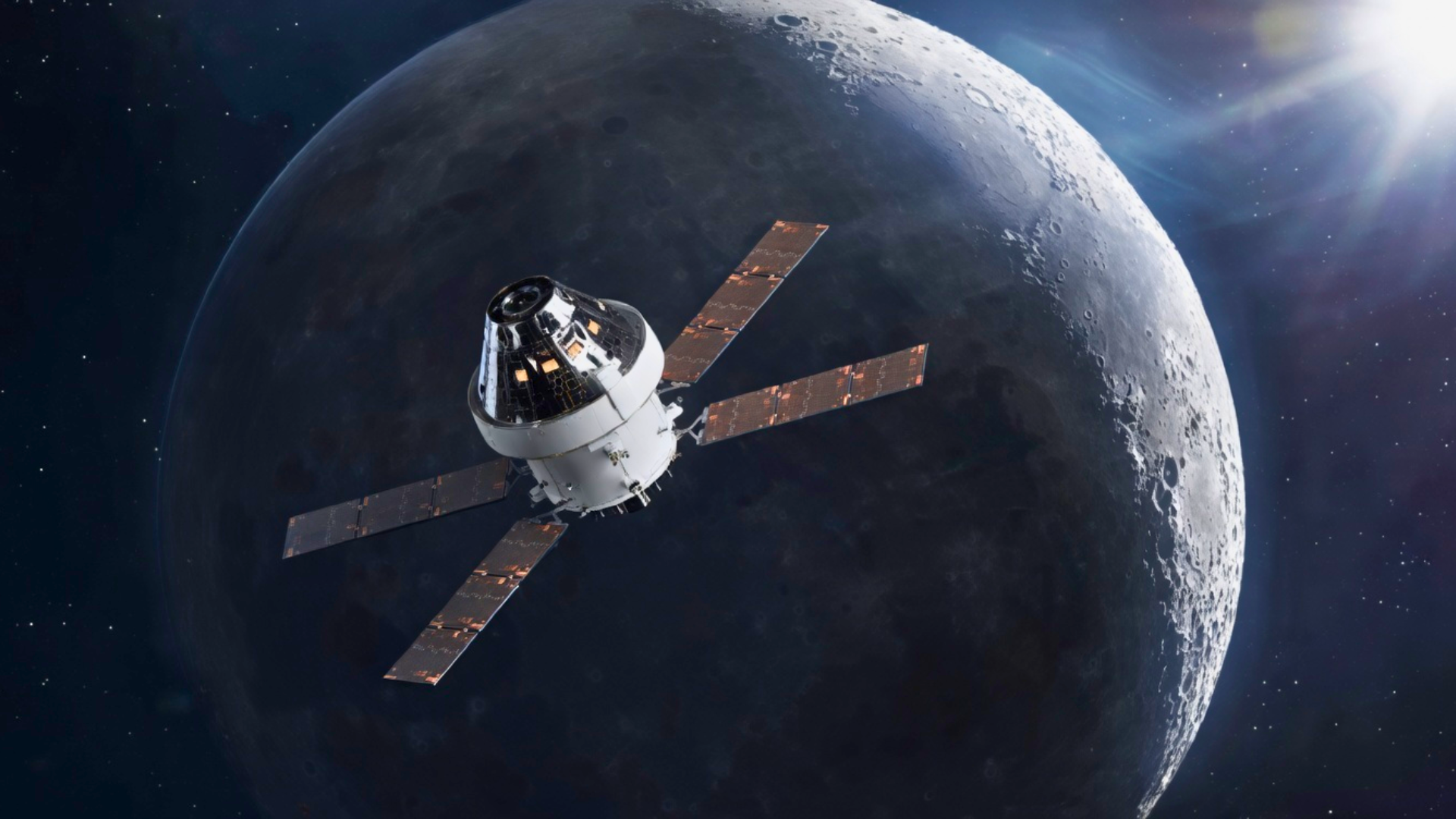

On April 6, 2026, four astronauts aboard NASA’s Orion spacecraft crossed a threshold no human had reached since 1970. At 252,756 miles from Earth, they surpassed the record set by the troubled Apollo 13 mission, a record that had stood for over half a century. They were not there simply to break a number. They were there to fly around the moon, photograph its hidden face, and witness things that no human being had ever seen. What followed was one of the most remarkable days in the history of spaceflight.
The Mission That Brought Humans Back to the Moon’s Doorstep

Artemis II launched on April 1, 2026, carrying NASA astronauts Reid Wiseman, Victor Glover, and Christina Koch, along with Canadian Space Agency astronaut Jeremy Hansen. The crew named their Orion capsule Integrity. Their ten-day journey covered 685,000 miles in a loop around the moon, marking the first time humans had traveled beyond low Earth orbit since Apollo 17 in 1972. This was a test flight, not a landing, but it was designed to lay the groundwork for everything that comes next, including a return to the lunar surface and eventually a permanent Moon Base.
Seven Hours at the Edge of the Known World
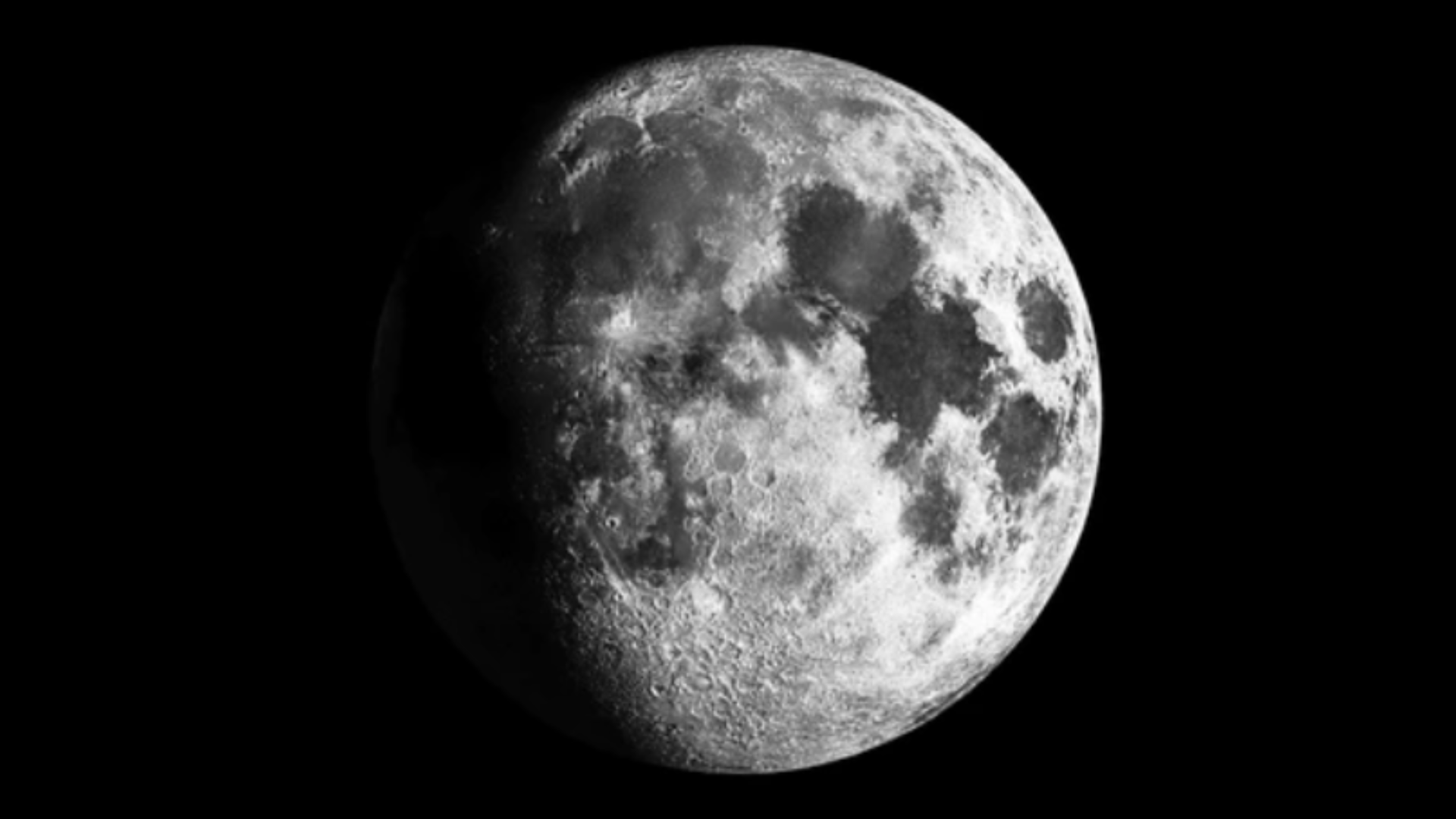
The lunar flyby observation window opened at 2:45 p.m. EDT and lasted seven hours. Working in rotating shifts to keep fresh eyes at the windows at all times, the crew came within 4,067 miles of the lunar surface. NASA scientists had pre-identified roughly 35 geological features for the astronauts to document, including ancient lava flows, surface fractures, and impact craters. The crew photographed, described, and recorded in real time, narrating what they saw directly to the science team at Mission Control in Houston. They took approximately 10,000 photos in total.
A Side of the Moon No Human Had Ever Seen Up Close
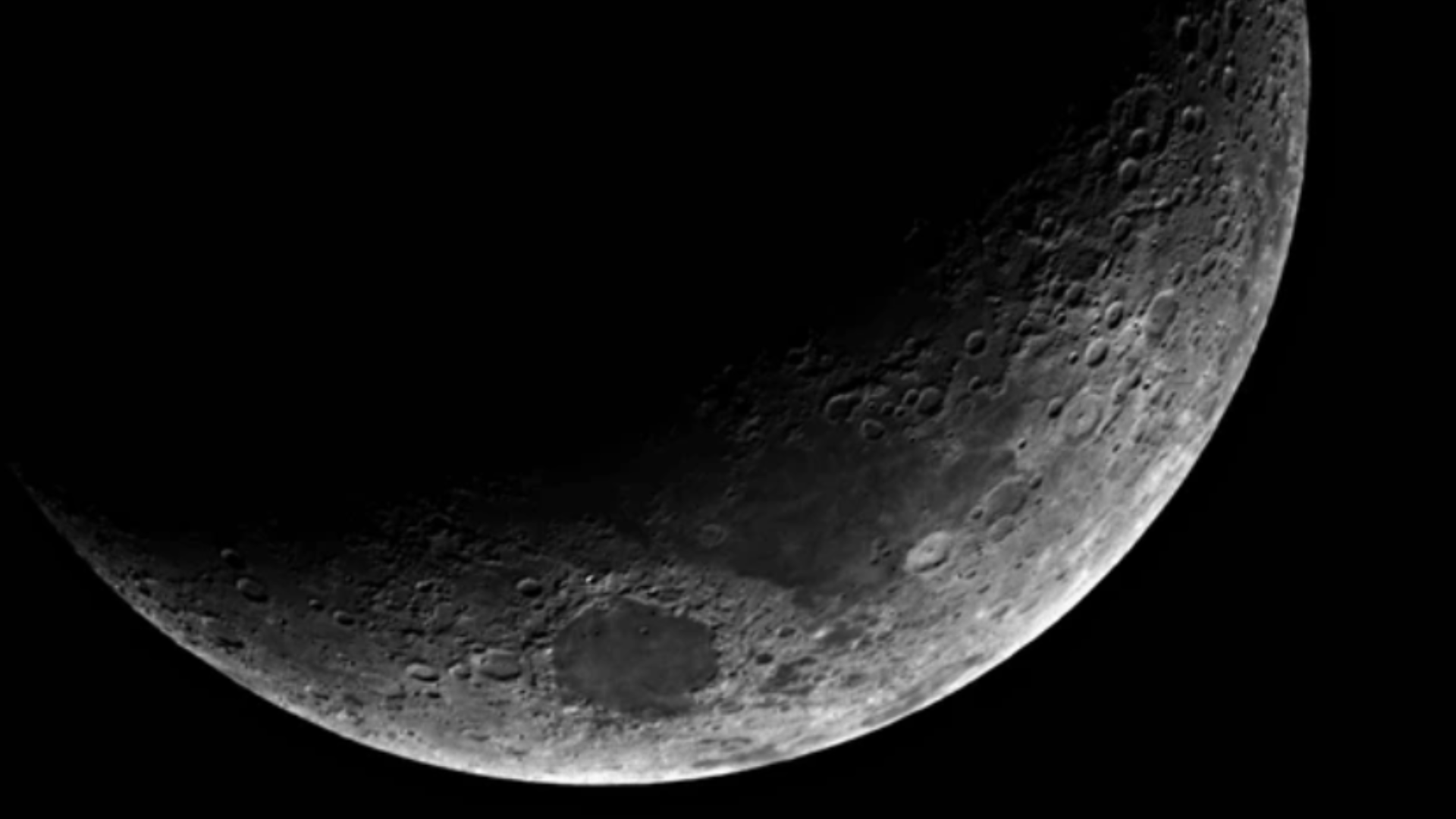
About 21 percent of the moon’s far side was illuminated during the flyby, offering the crew views of terrain no human eyes had ever witnessed from this proximity. Even the Apollo astronauts, during their missions in the late 1960s and early 1970s, did not observe the lunar far side in this way because of the paths and timing of their trajectories. Among the features studied were the ancient Hertzsprung Basin, identifiable by its two concentric rings of mountains, and Vavilov Crater on its rim. These geological records, billions of years old, hold clues to how the moon — and by extension, Earth — was formed.
The Moment That Left an Entire Mission Control in Silence
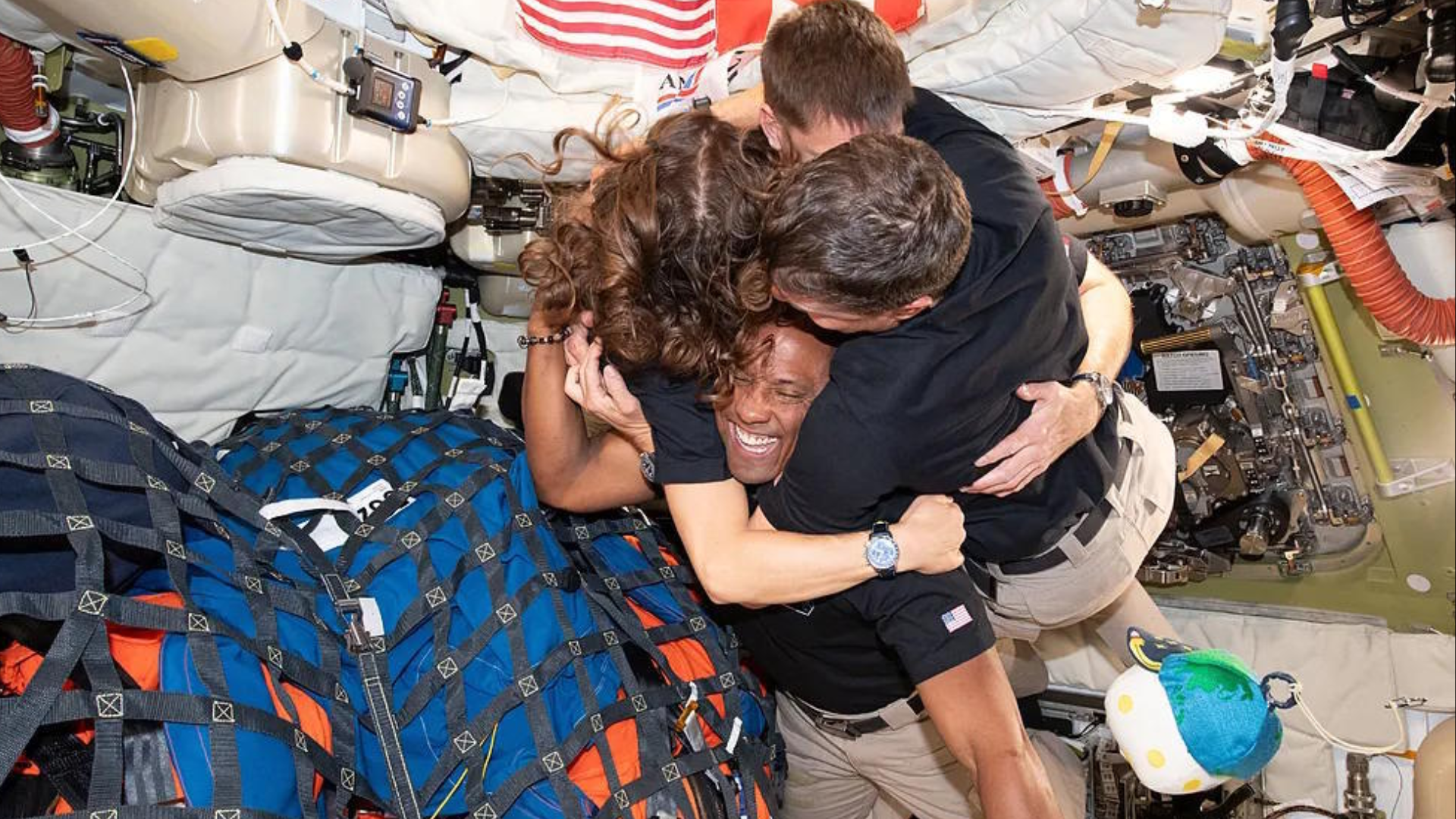
During the flyby, astronaut Jeremy Hansen asked Mission Control for permission to name a small crater near the Orientale Basin in honor of Commander Reid Wiseman’s late wife, Carroll Taylor Wiseman. A nurse in a newborn intensive care unit, Carroll died in 2020 after a battle with cancer. The request was granted. The astronauts named one crater Integrity, for their spacecraft, and the adjacent one Carroll. After the naming, the four crew members embraced and wept. A moment of silence was held at Mission Control in Houston. According to Wiseman, naming the crater Carroll was the pinnacle moment of the mission. The moment that bonded the crew most deeply.
Earthset: Watching Home Disappear Behind the Moon
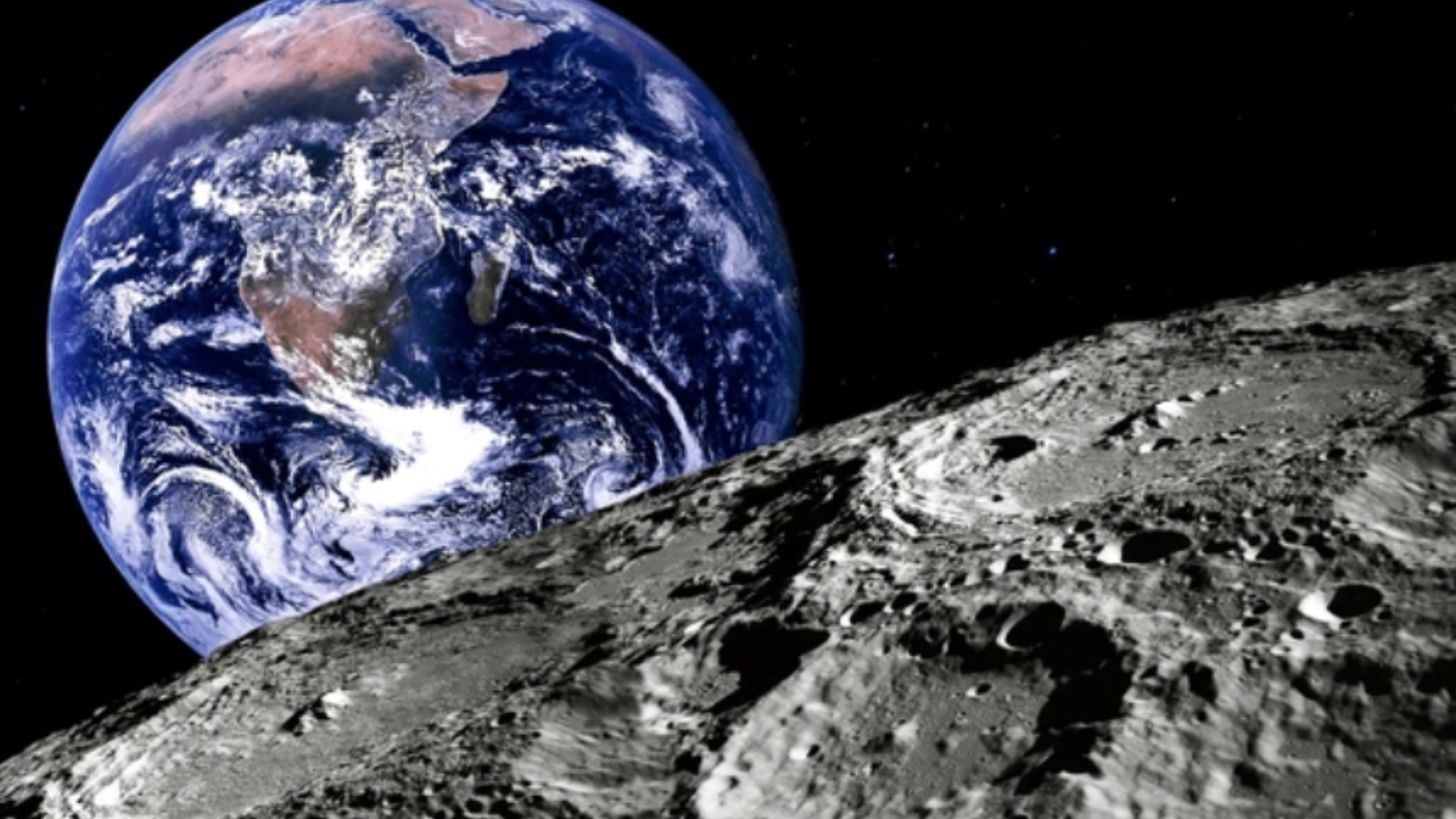
At 6:41 p.m. EDT, just three minutes before Orion slipped behind the moon and lost contact with Earth, the crew captured one of the mission’s defining images: Earthset. From their vantage point, Earth appeared to glide behind the lunar horizon, its day side lit up over Australia and Oceania, the rest of the planet in darkness. Communications cut out for approximately 40 minutes as Orion transited the far side. When Earth crept back into view at 7:22 p.m., the crew photographed Earthrise: a delicate crescent of blue and white emerging from the lunar edge, barely a sliver of light, taken with a 400mm handheld lens.
An Eclipse Unlike Any Seen From Earth
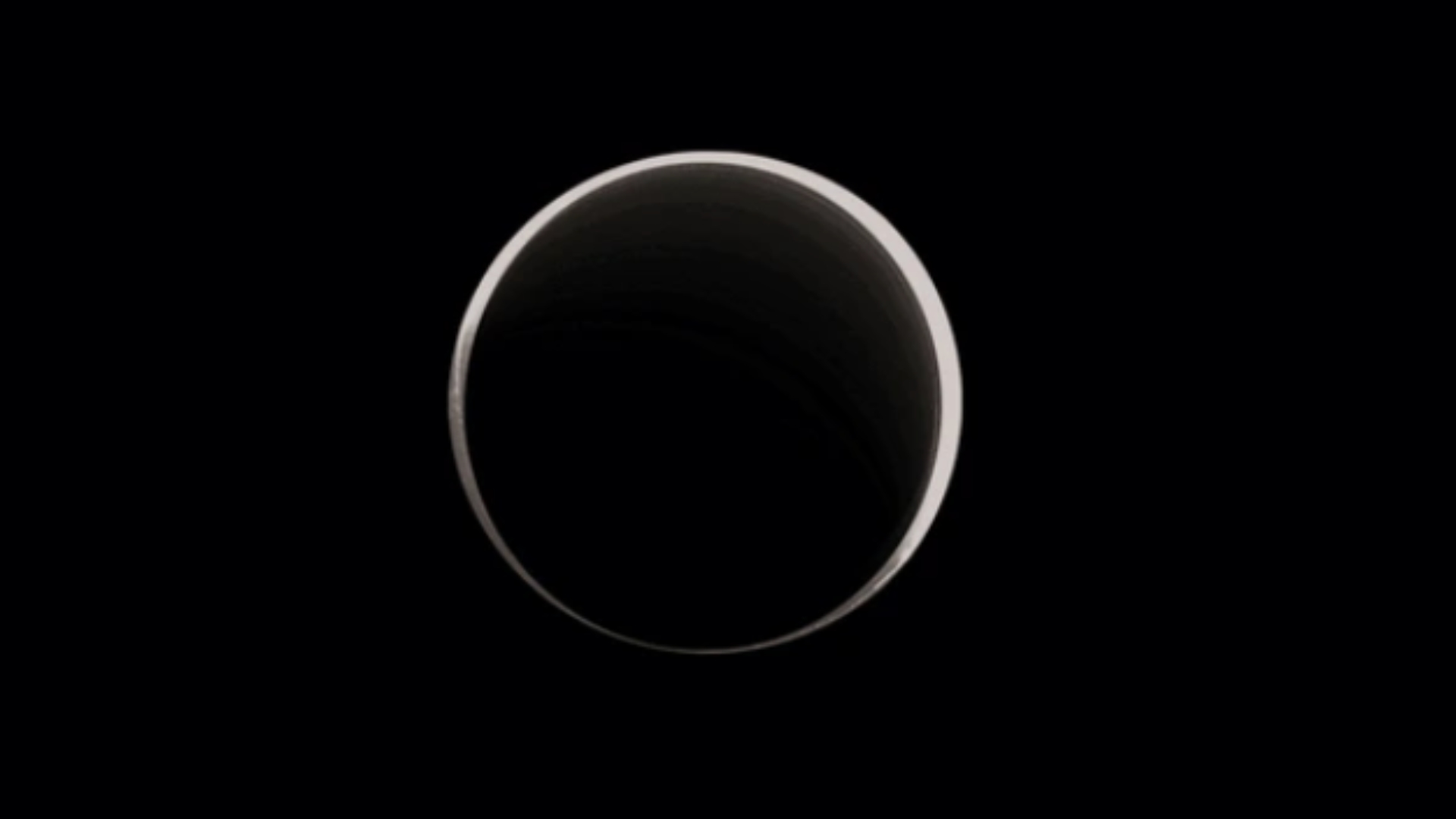
As Orion rounded the moon, the spacecraft, moon, and sun aligned in perfect sequence. The crew became the first humans ever to witness a total solar eclipse from deep space. From their perspective, the moon appeared to hang in front of them as a black orb, its edges ringed by the sun’s outer atmosphere, the corona. Structures within the corona, which the crew described as resembling thin wispy strands, became visible in the dim light. Totality lasted nearly one hour. On Earth, a total solar eclipse typically lasts only a few minutes. During the eclipse, the astronauts could also observe Mars, Venus, Saturn, and stars otherwise invisible against daytime skies.
A View of the Milky Way From the Far Side of the Moon
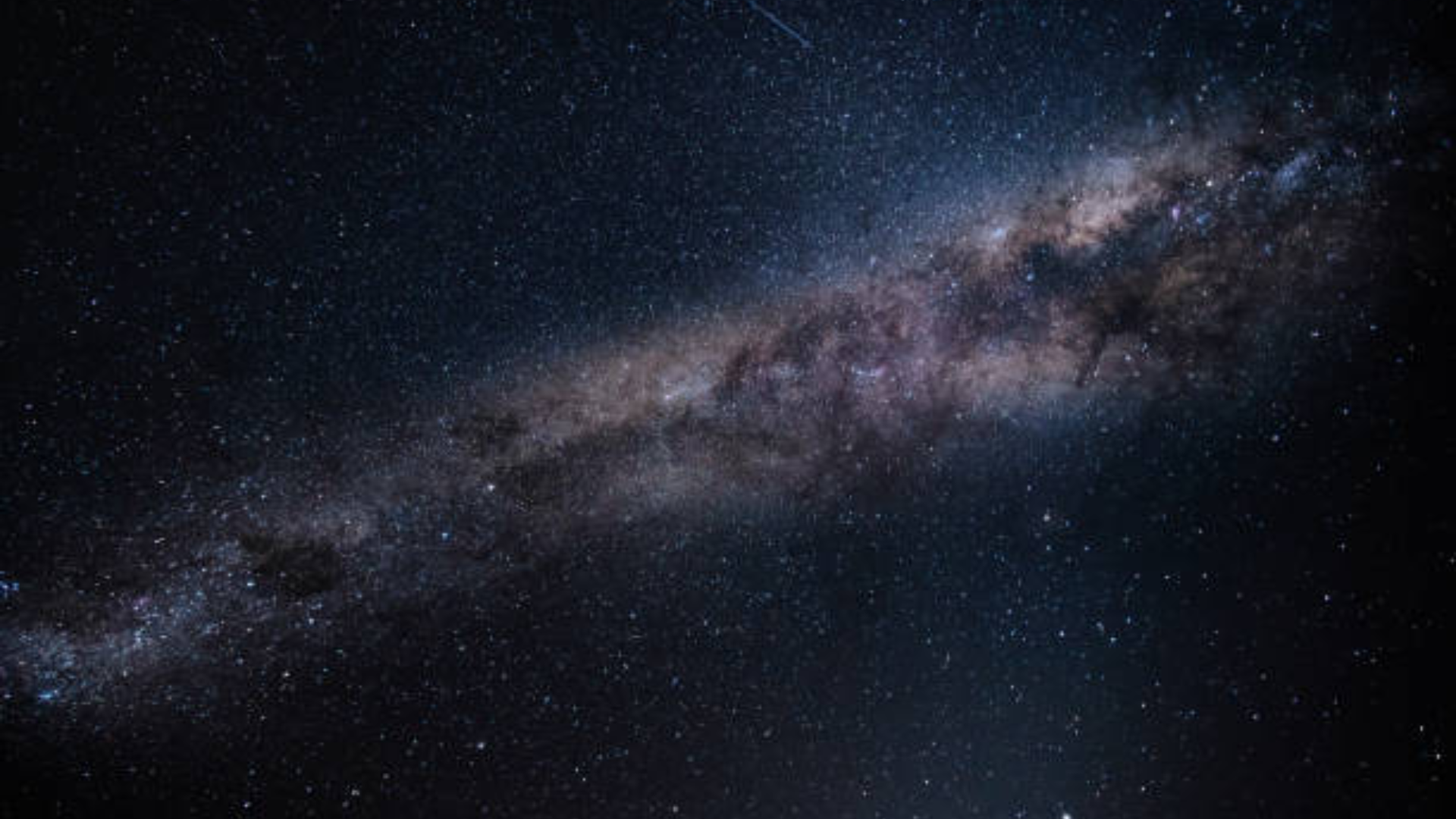
After the flyby concluded, the crew turned their cameras outward and photographed the Milky Way. The image captured the galaxy’s elegant spiral structure, its two prominent arms curling around a dense central bar of stars. Earth sits within one of those arms, roughly halfway from the galactic center, a detail that becomes viscerally real when seen from a spacecraft 252,000 miles away. Pilot Victor Glover reflected that the mission reaffirmed his belief in Earth’s fragility. “It absolutely reaffirms that we live on a fragile planet in the vacuum of space,” he said after the flyby concluded.
What the Science Team Plans to Do With 10,000 Photos
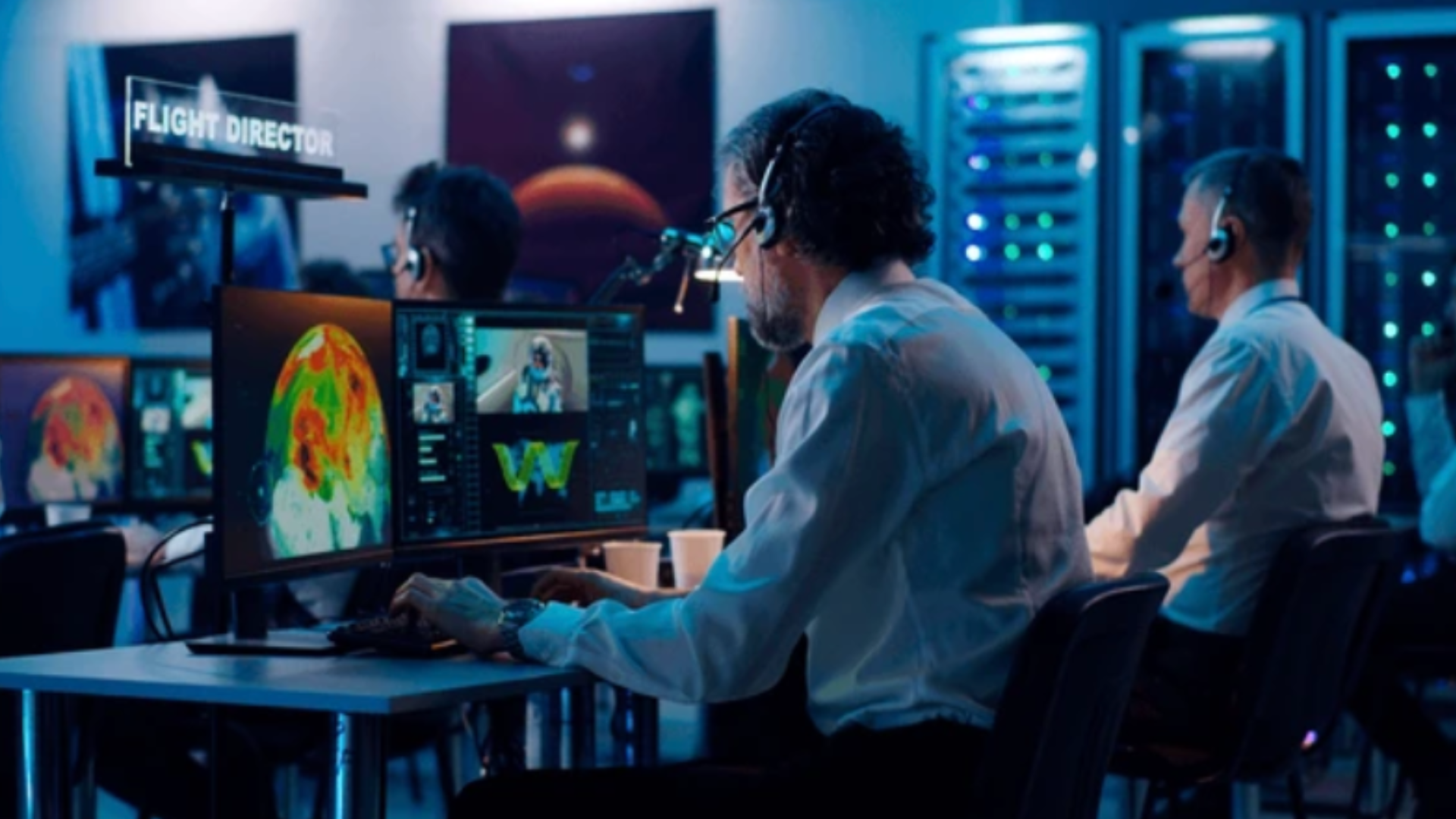
The images, recordings, and real-time descriptions captured during the flyby will take time to fully process, but scientists are already at work. The photos will help researchers study color variations in lunar minerals, refine models of crater formation, and assess potential landing sites for future missions. Among the targets documented was a site being evaluated for an uncrewed payload mission and a glimpse of the lunar south pole, where humans could set foot as early as 2028. Science officer Dr. Kelsey Young told the crew afterward that they had brought the moon closer for scientists in ways satellites alone never could.
A Test Flight That Changed What Comes Next
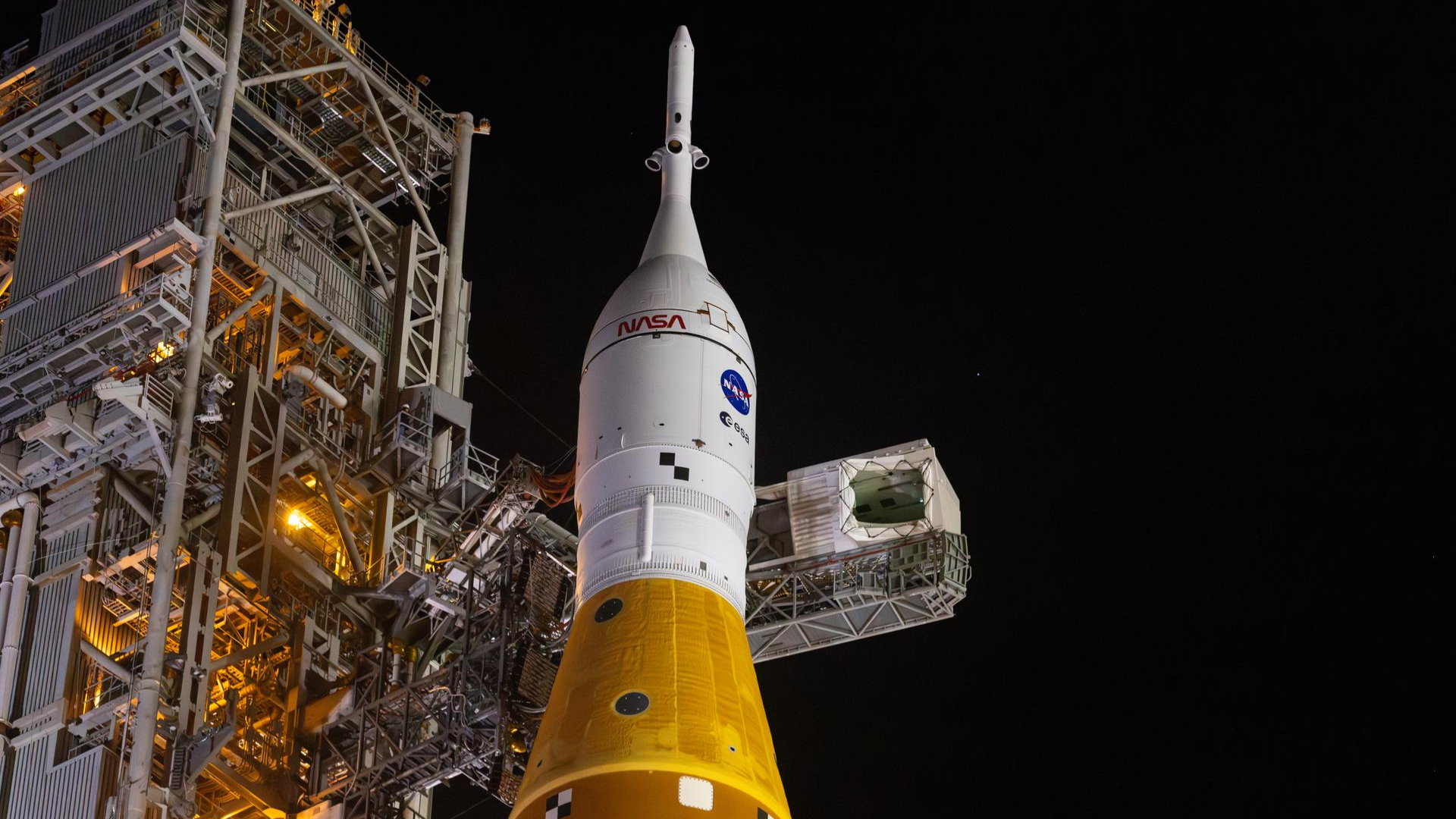
Artemis II was never designed to land. It was designed to prove that humans could survive the journey and that the systems they would need for landing were ready. By every measure, the mission delivered. The Orion capsule performed well. The crew tested life support systems, manual spacecraft controls, and the first deep-space toilet. They are expected to splash down off the coast of San Diego on April 10, 2026. What comes after is the harder, longer work: returning to the lunar surface for the first time since 1972, and eventually building a permanent base. The moon is no longer just a destination. It is becoming a point of departure.