Earth’s Population Has Already Exceeded the Planet’s Capacity, Research Reveals
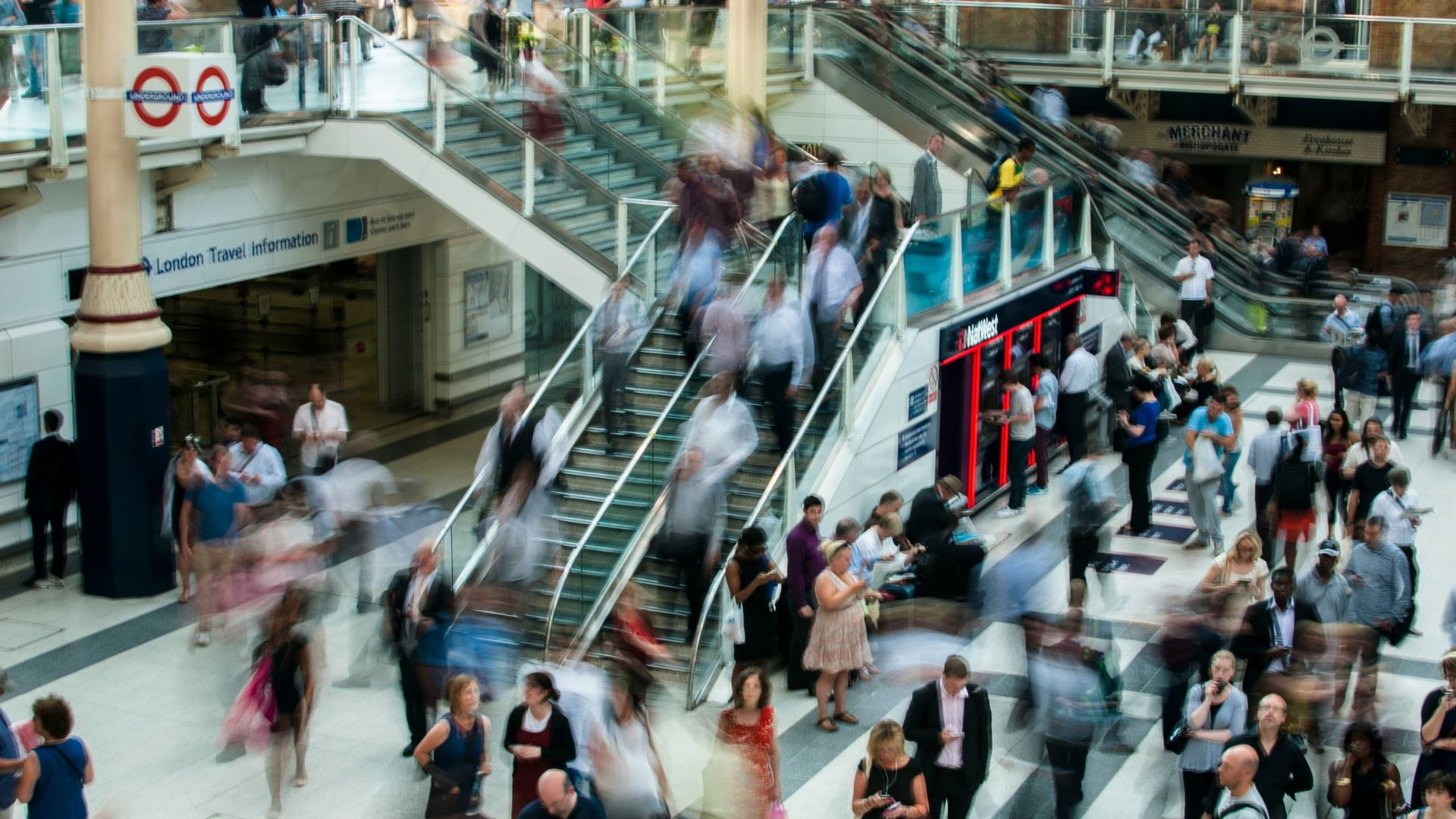

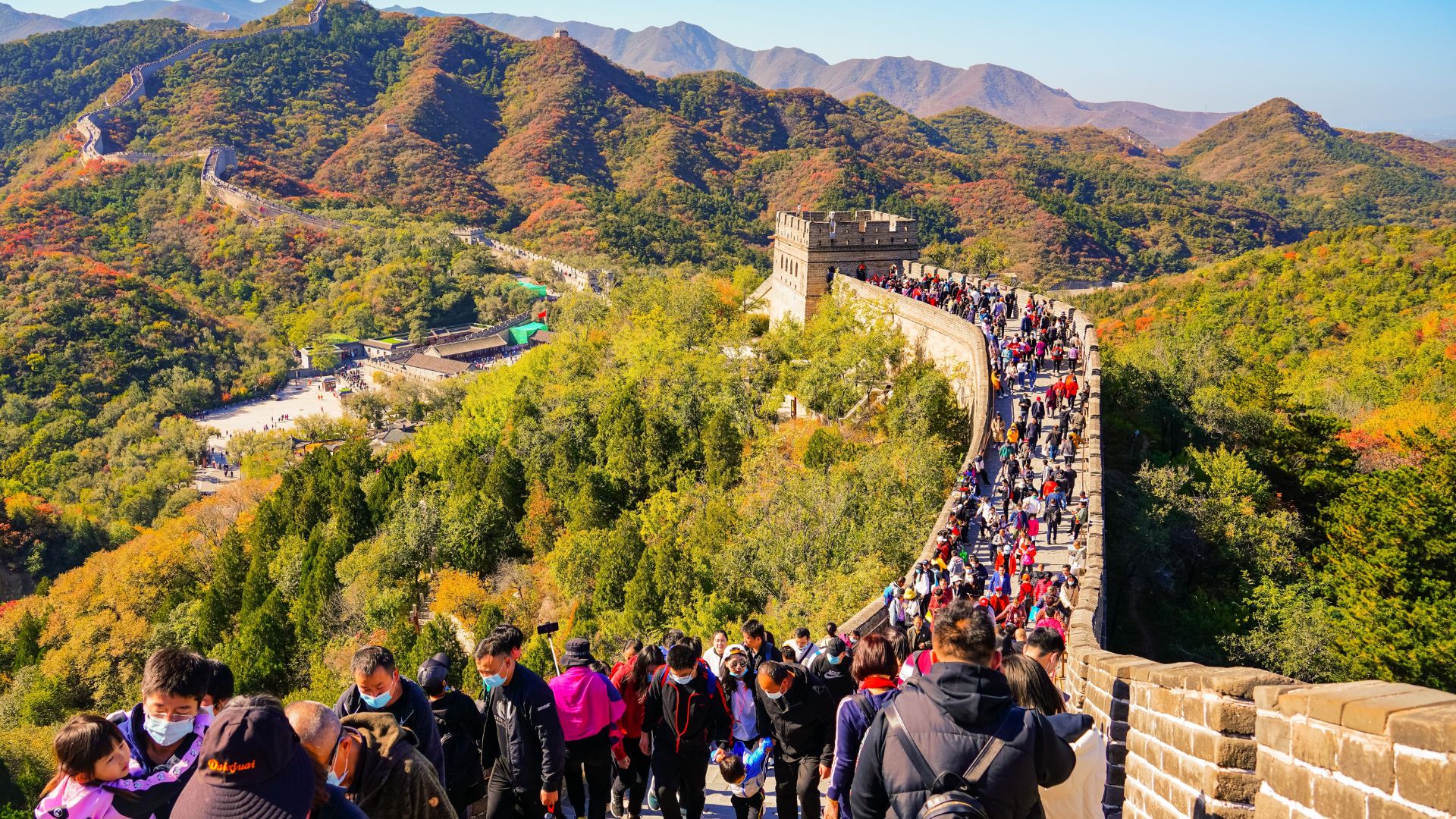
Humanity has reached a turning point. According to recent research, the way we consume resources is no longer aligned with what Earth can sustainably provide. By analyzing long-term population trends and ecological limits, scientists suggest that our current trajectory may be pushing the planet beyond its natural ability to recover.
Understanding The Concept Of Carrying Capacity

Carrying capacity refers to the maximum number of individuals an environment can support over time without degrading its resources. In ecological terms, it depends on how quickly food, water, and other essentials can regenerate. For humans, this concept becomes more complex, as technological advancements have allowed us to stretch these limits far beyond what nature would typically permit.
How Humanity Has Pushed Natural Limits
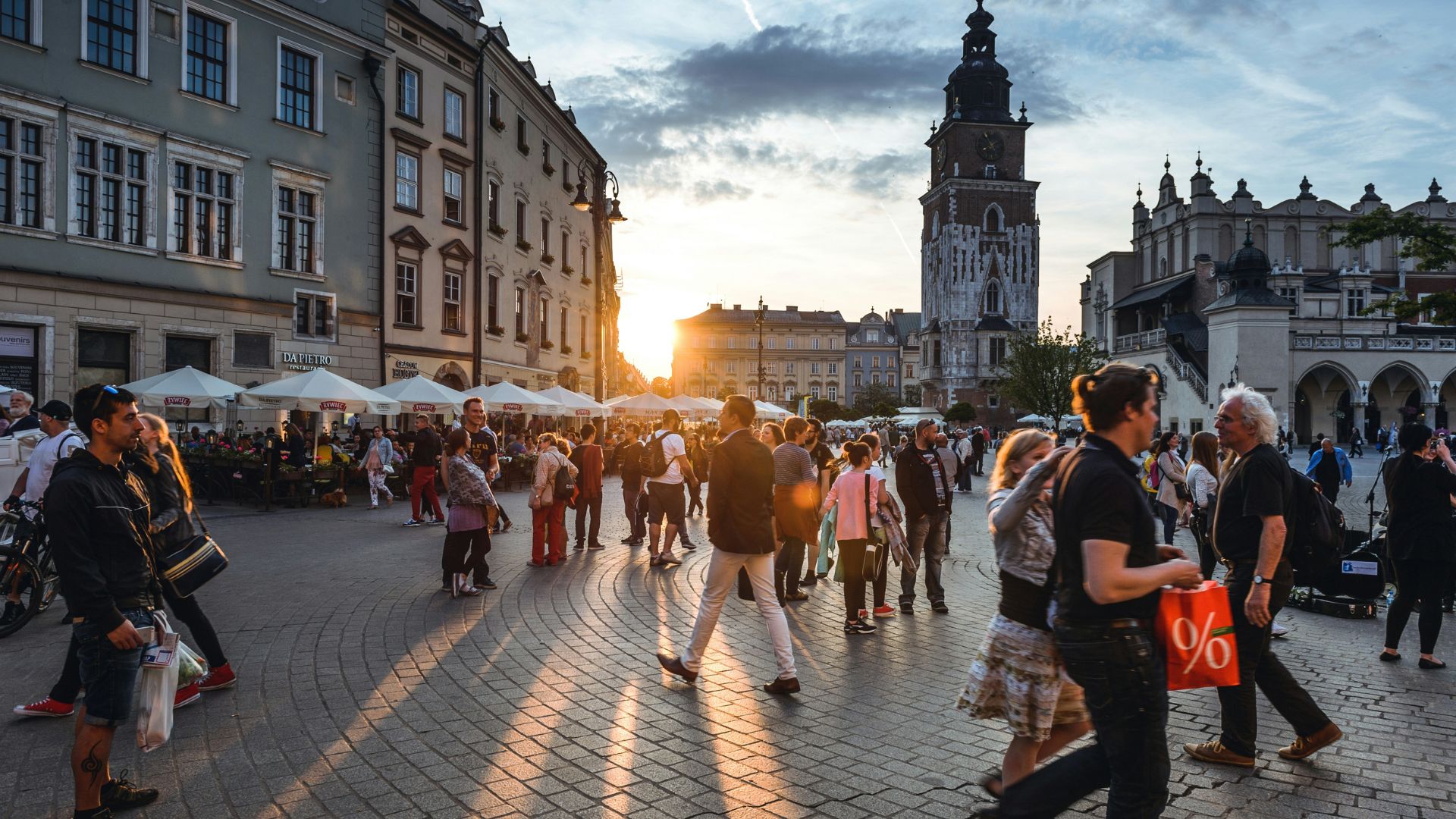
Unlike other species, humans have consistently expanded their survival boundaries through innovation. From agriculture to industrialization, and especially through fossil fuel use, we have managed to bypass natural constraints. However, this ability to extend limits does not eliminate them, it only delays their consequences.
The Industrial Shift That Changed Everything
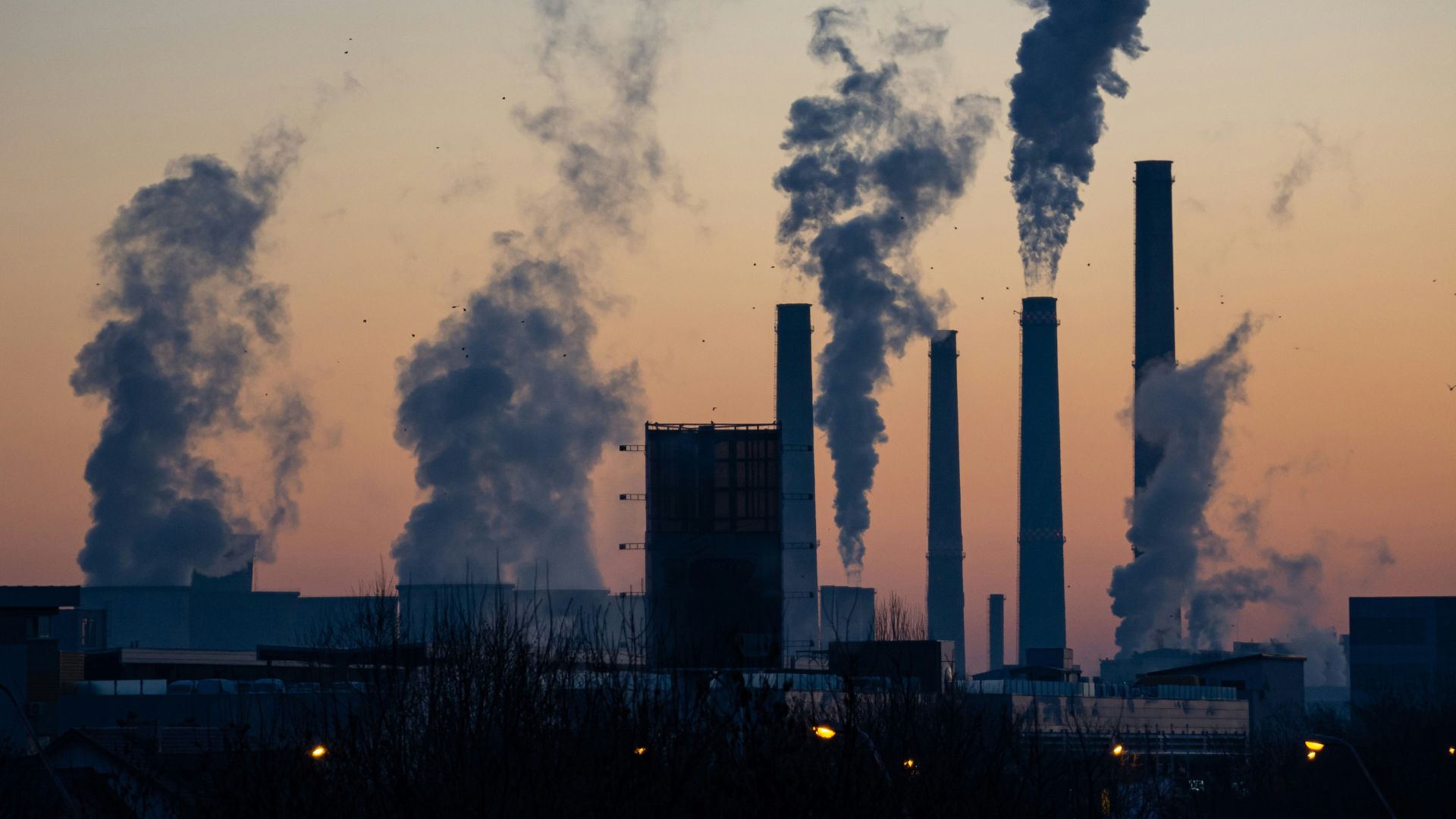
The transition to fossil fuels marked a critical shift in human history. Energy became more accessible, industries scaled rapidly, and global populations surged throughout the 20th century. This expansion created the illusion of abundance, while quietly increasing dependence on finite resources.
A Growing Population In A Finite System

Today, the global population exceeds 8 billion people, a number that continues to rise despite slowing growth rates. Modern economies often rely on continuous expansion, yet they rarely account for the natural limits of regeneration. This imbalance is at the core of current sustainability challenges.
Maximum Capacity Versus Sustainable Living
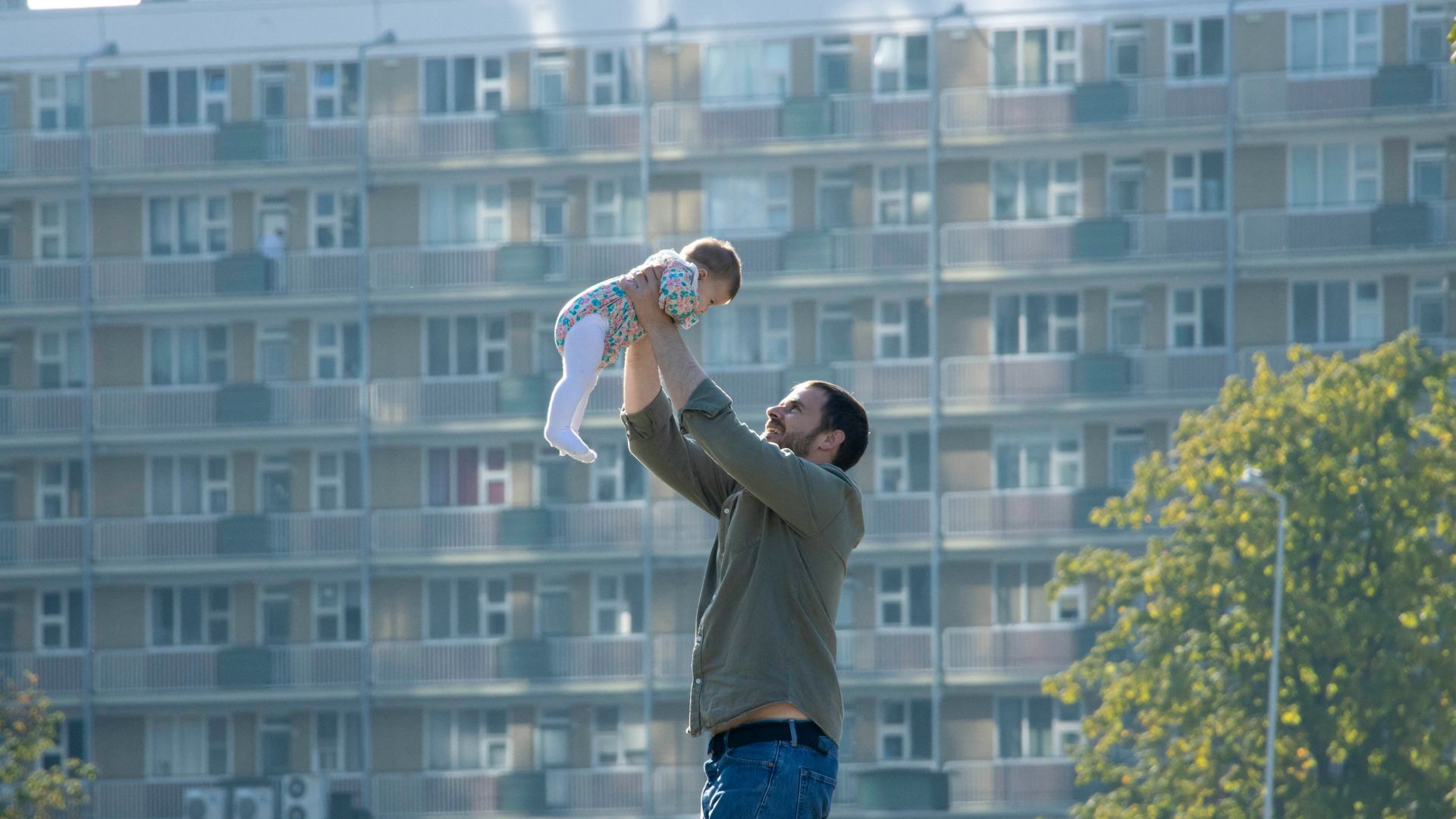
Researchers distinguish between two key thresholds, the maximum carrying capacity and the optimal one. The maximum represents the absolute limit the planet can endure, even under extreme stress. The optimal level, however, reflects a population size that allows both environmental balance and a reasonable quality of life.
Signs Of A Negative Demographic Phase
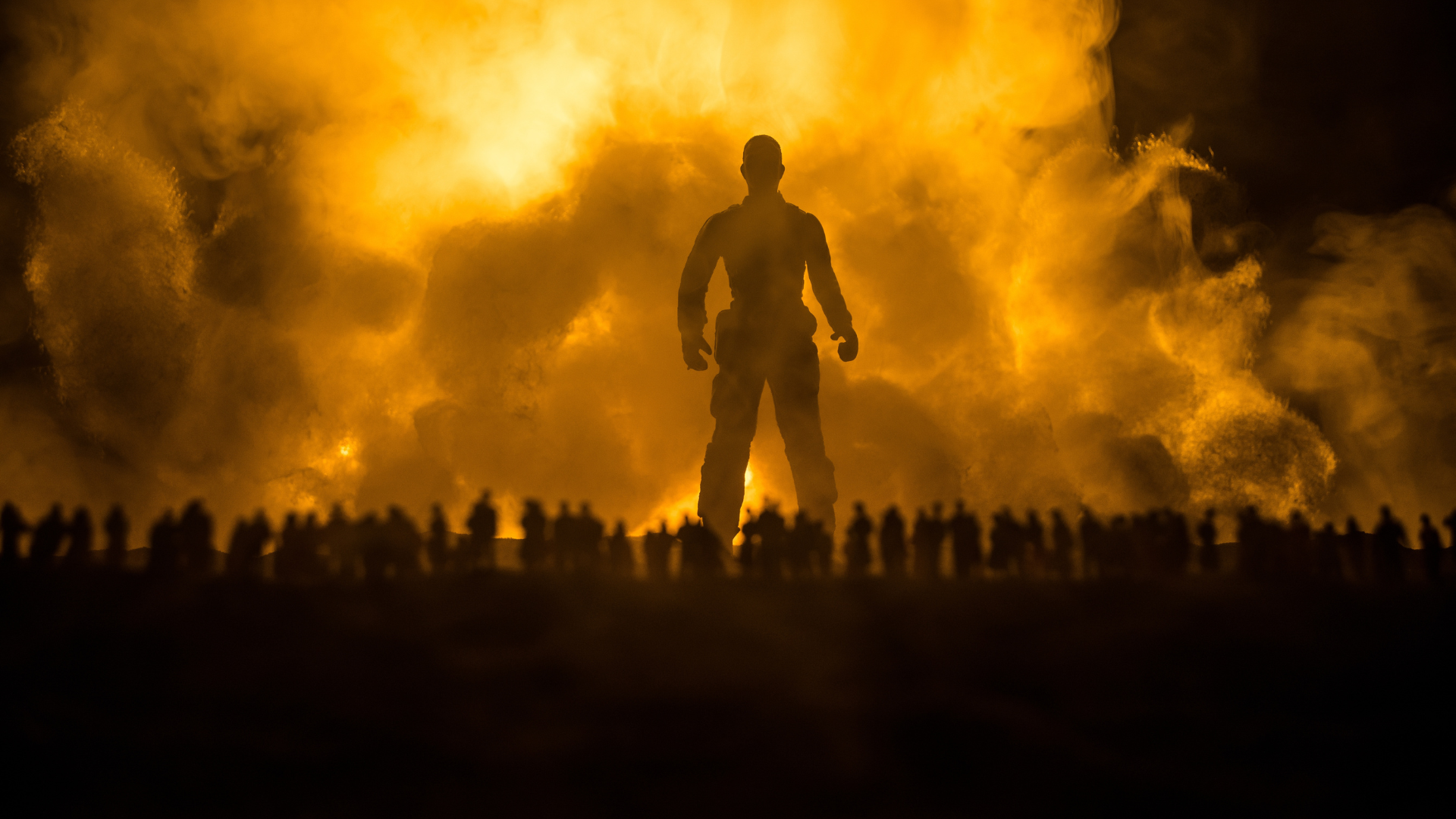
Population growth patterns have changed over time. While earlier decades saw accelerating growth, recent trends indicate a slowdown. This shift suggests that adding more people no longer increases growth at the same rate, signaling a transition into what researchers describe as a negative demographic phase.
Future Population Projections
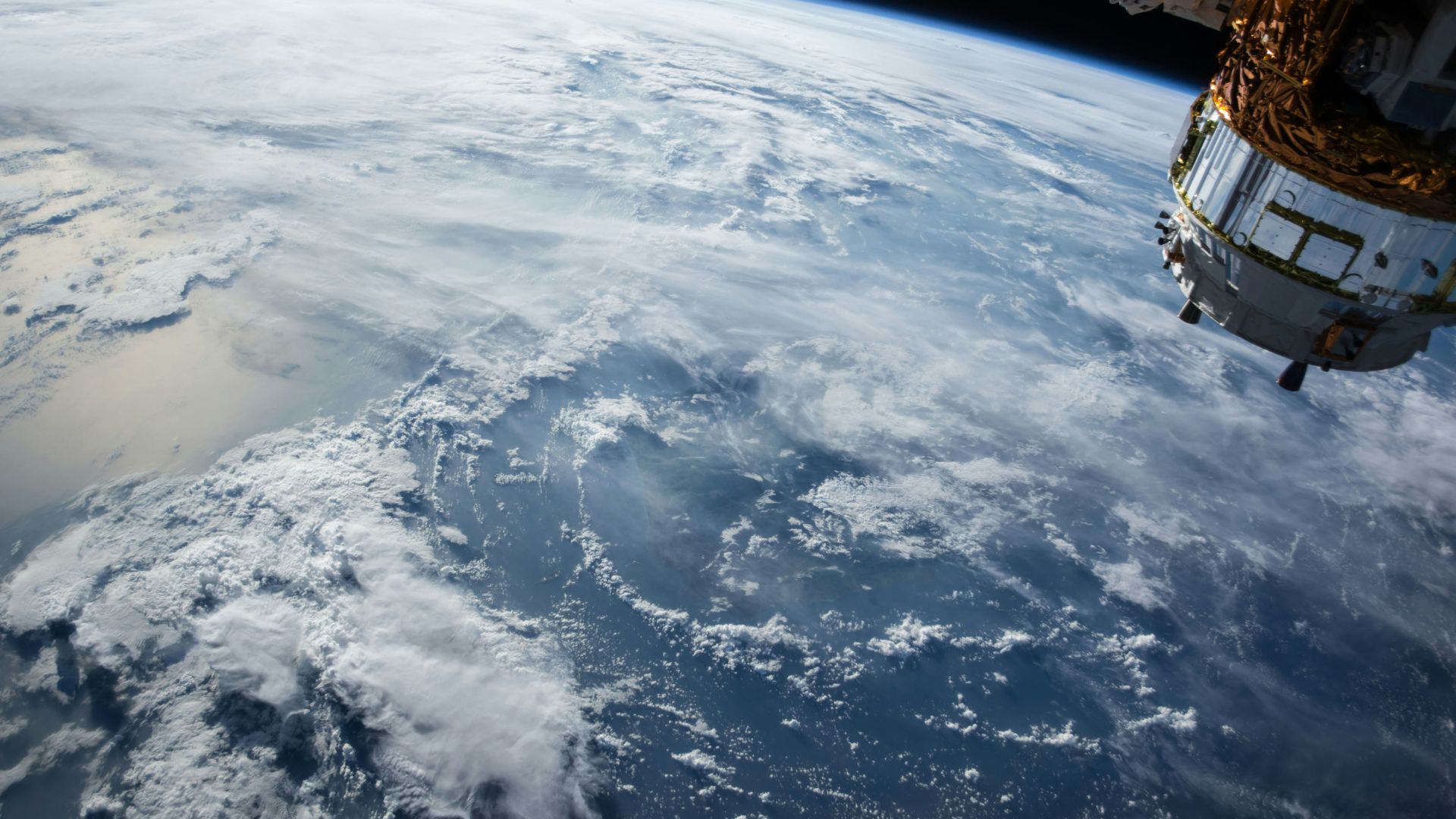
If current trends continue, global population levels could peak between 11 and 12 billion people within the next few decades. While this figure may represent the upper boundary of human survival, it does not guarantee stability or well-being for those living within it.
The Gap Between Reality And Sustainability

Current estimates suggest that a sustainable global population, given today’s consumption habits, would be significantly lower than present levels. This gap helps explain increasing pressures on resources, including water scarcity, ecosystem degradation, and competition for food and energy.
The Environmental Cost Of Overconsumption
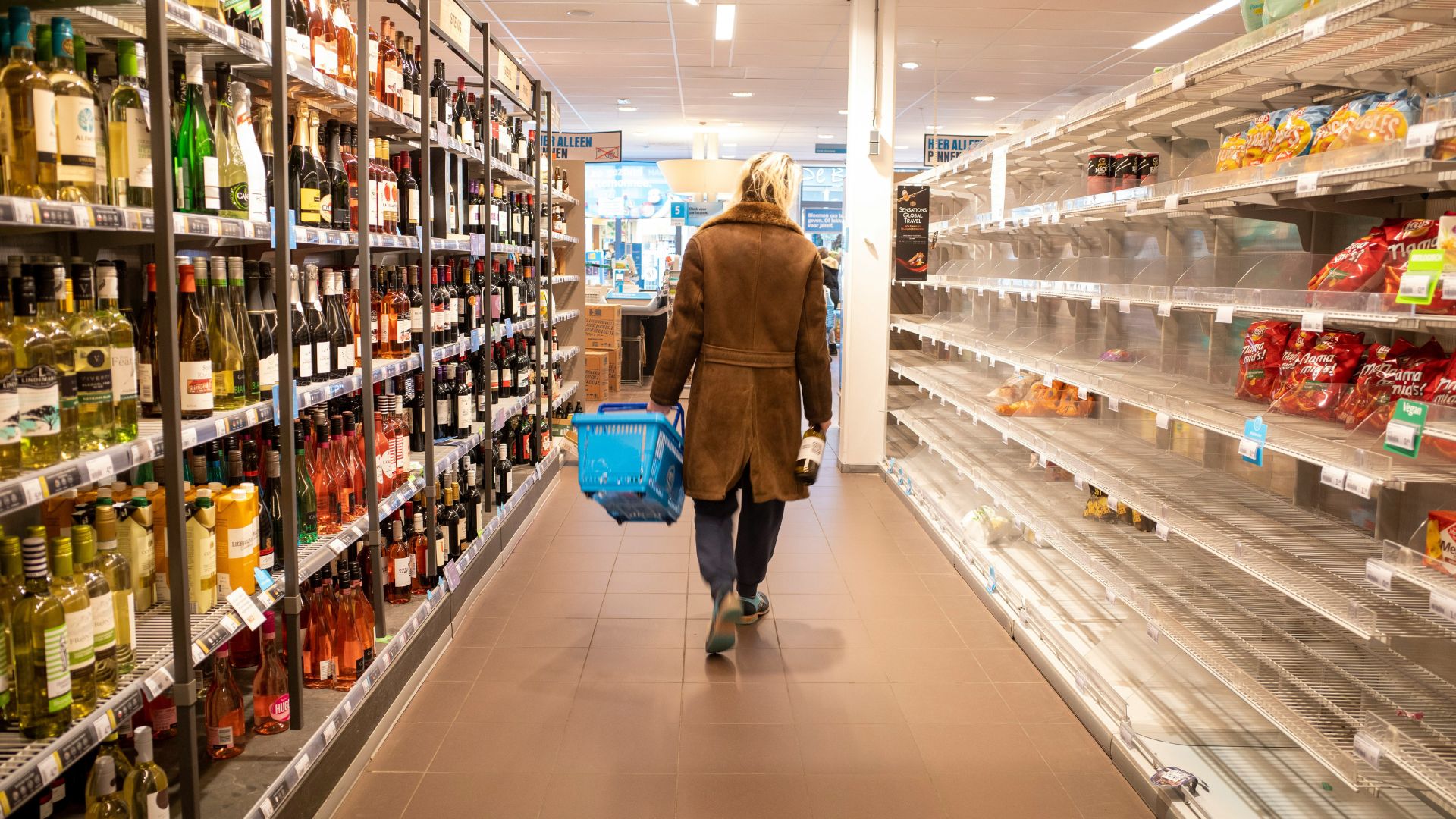
Human activity is placing unprecedented strain on Earth’s systems. Climate change, biodiversity loss, and resource depletion are all linked to rising population demands combined with high consumption patterns. Fossil fuels, while enabling growth, have also intensified environmental disruption.
A Narrow Window For Change
Despite the challenges, researchers emphasize that solutions remain within reach. Shifting how societies use energy, manage land, and consume resources could significantly ease pressure on the planet. Smaller populations and more efficient systems offer a pathway toward long-term balance, but the time to act is becoming increasingly limited.