Earth’s ‘Gateway to Hell’ Is Expanding, Scientists Warn It Could Signal a Larger Threat
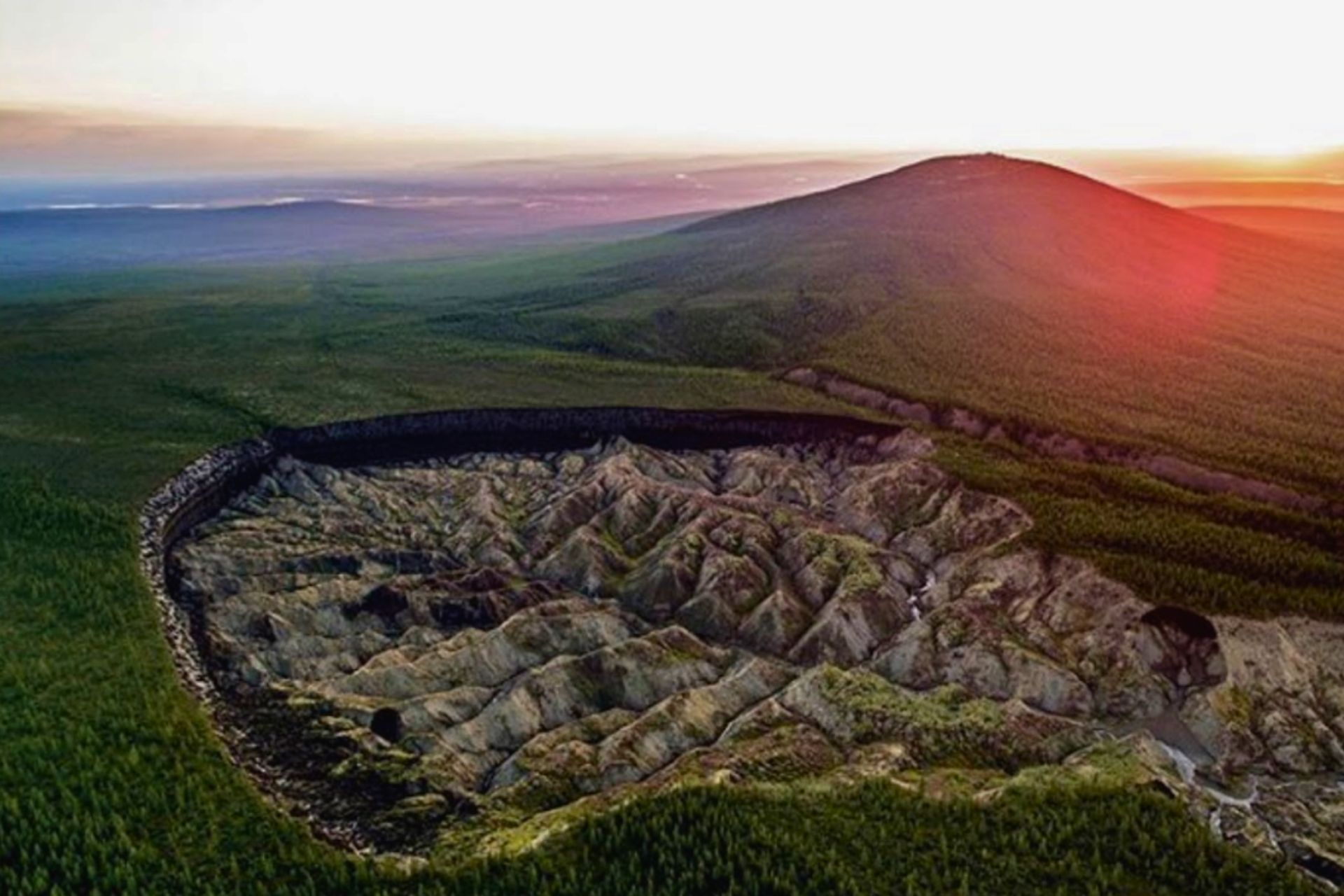

Deep in Siberia, a massive scar in the Earth is growing larger each year, and scientists say it is more than just a striking natural feature. Often called the “Gateway to Hell,” this expanding formation has become one of the clearest visual signs of how climate change is reshaping the planet. While the name may sound dramatic, experts stress that what is happening here reflects a real and growing environmental concern.
What the ‘Gateway to Hell’ Really Is
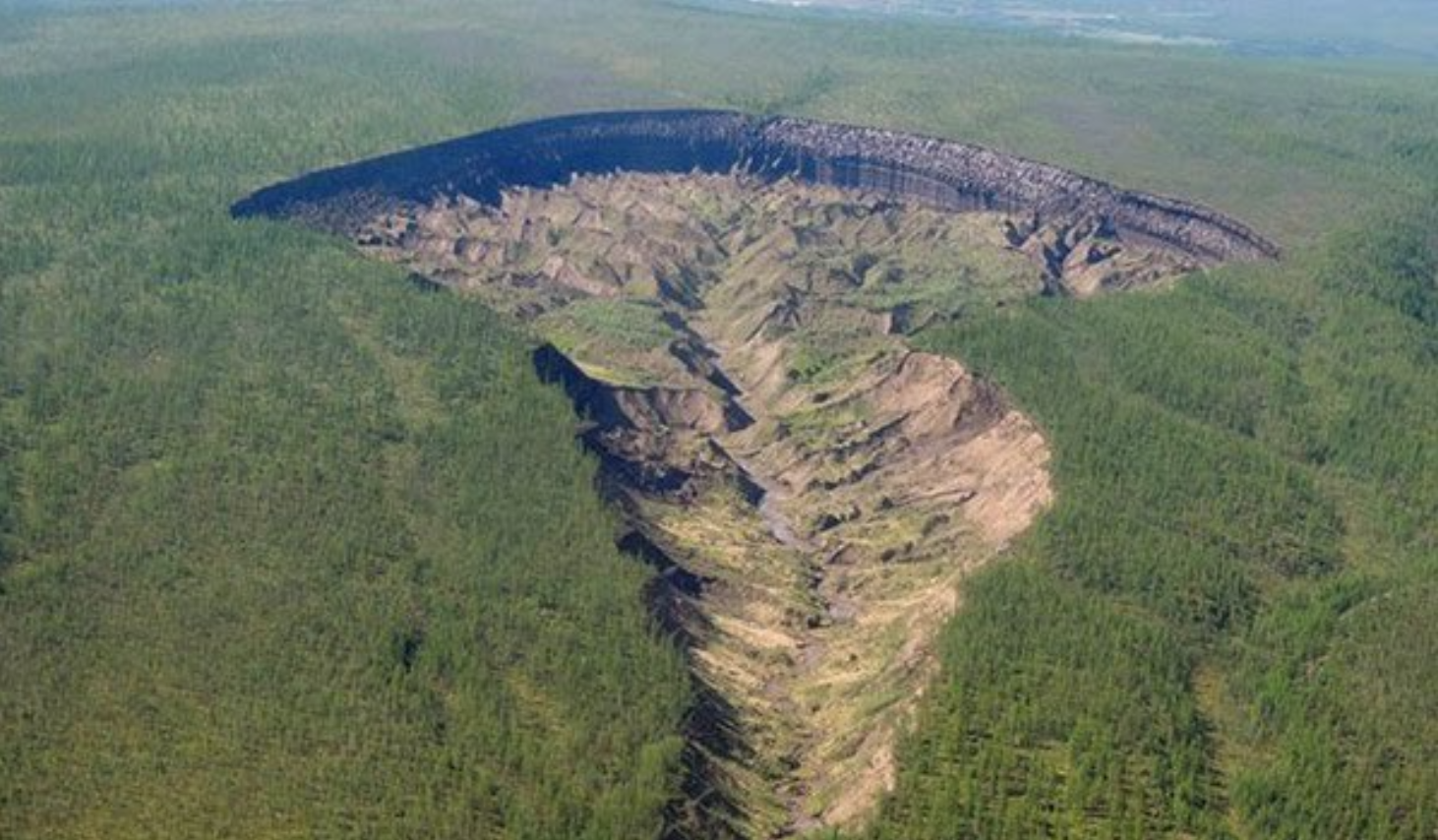
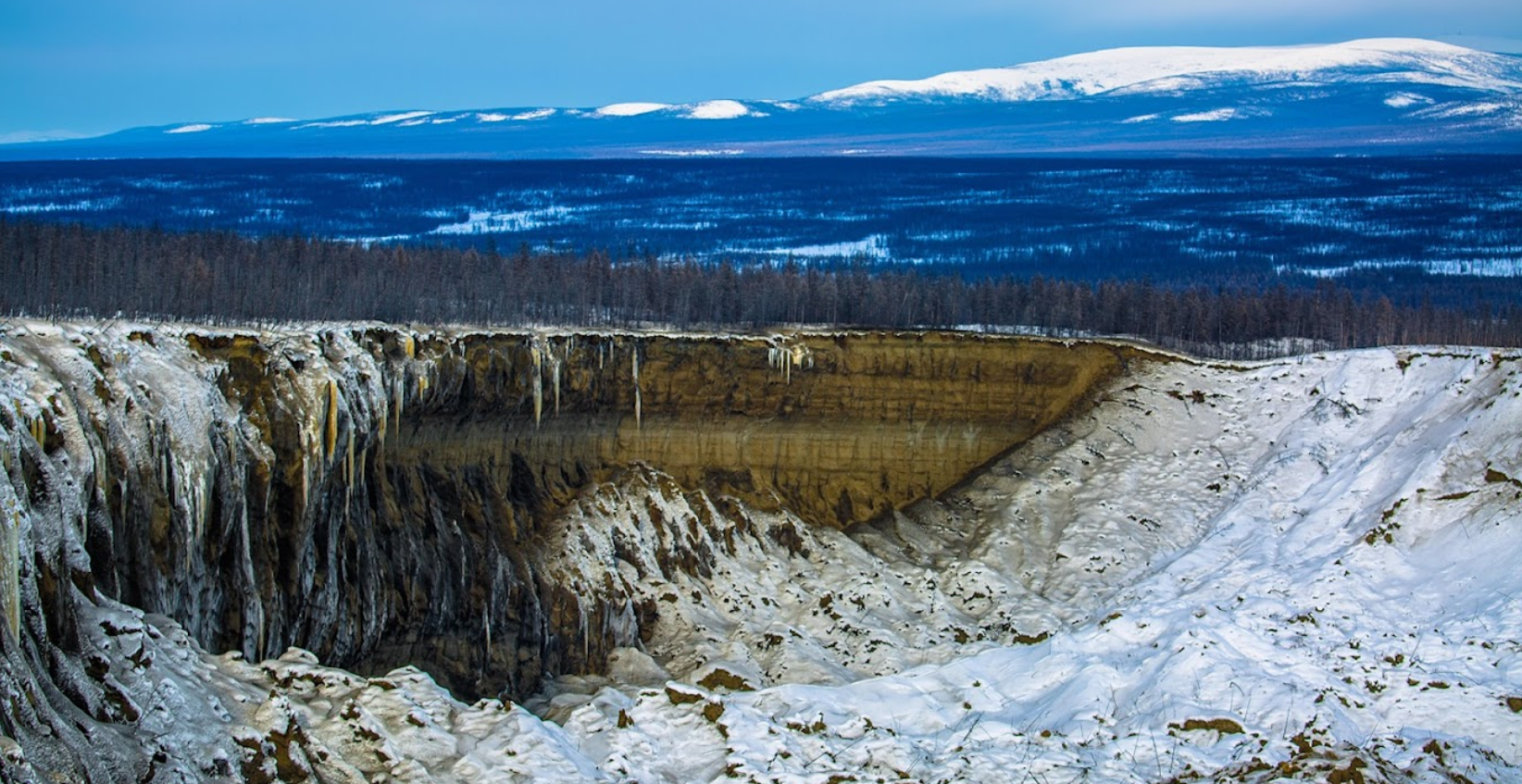
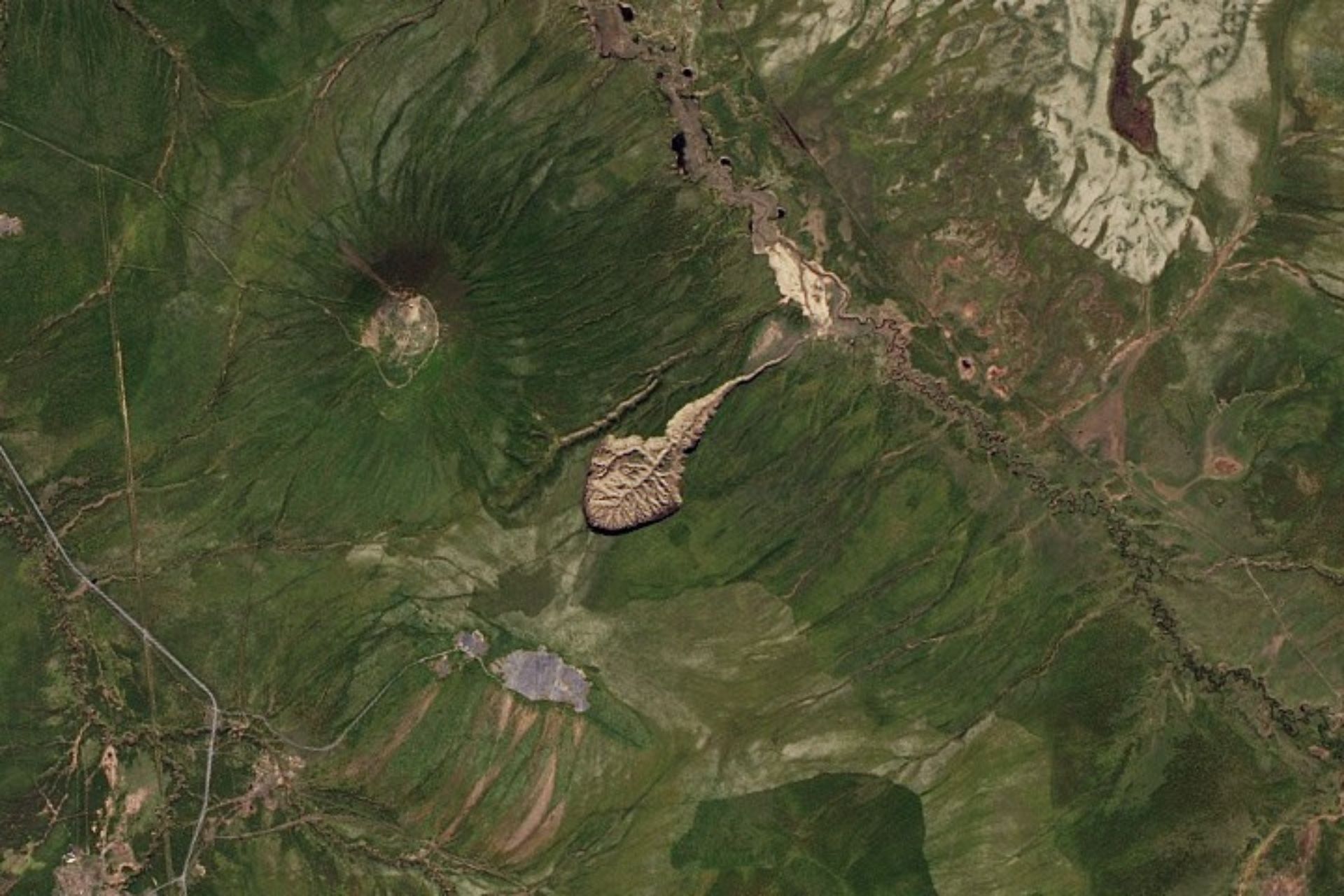
Despite its nickname, the formation is not a volcanic crater or anything supernatural. It is known as the Batagay megaslump, a large collapse in permafrost located in Russia’s Far East. Scientists describe it as a “retrogressive thaw slump,” meaning it forms when ice-rich ground melts and the soil above it begins to sink and slide. As more ice thaws, the collapse continues, causing the opening to grow larger over time.
A Formation That Keeps Growing
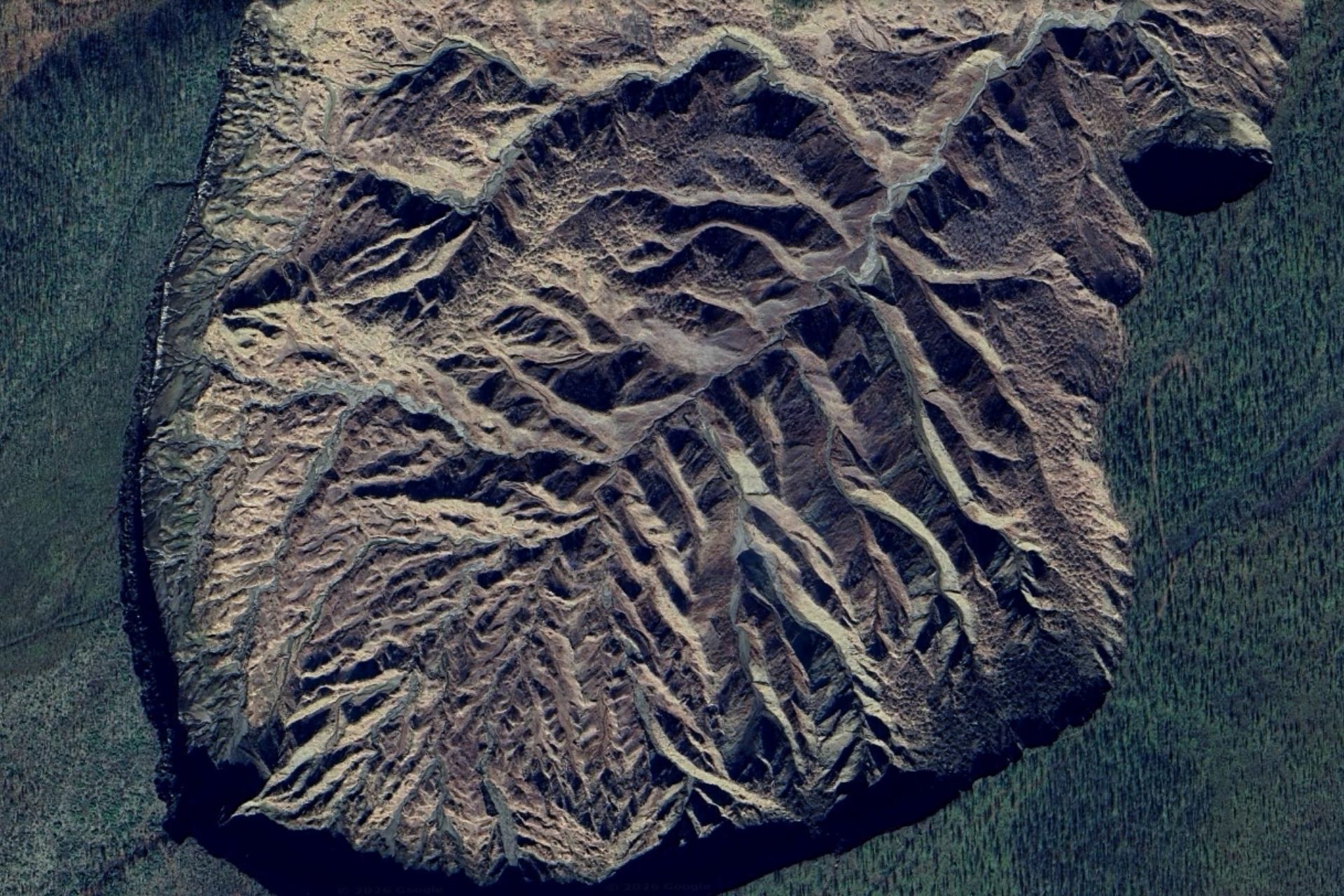
What makes Batagay especially concerning is how quickly it is expanding. Studies show the crater is growing by about 35 million cubic feet each year as frozen ground continues to melt. At the same time, its cliff edges are retreating by dozens of feet annually, steadily widening the formation. Over just a few decades, what began as a small collapse has turned into a massive depression stretching nearly a kilometer wide.
How It Started and Why It Matters
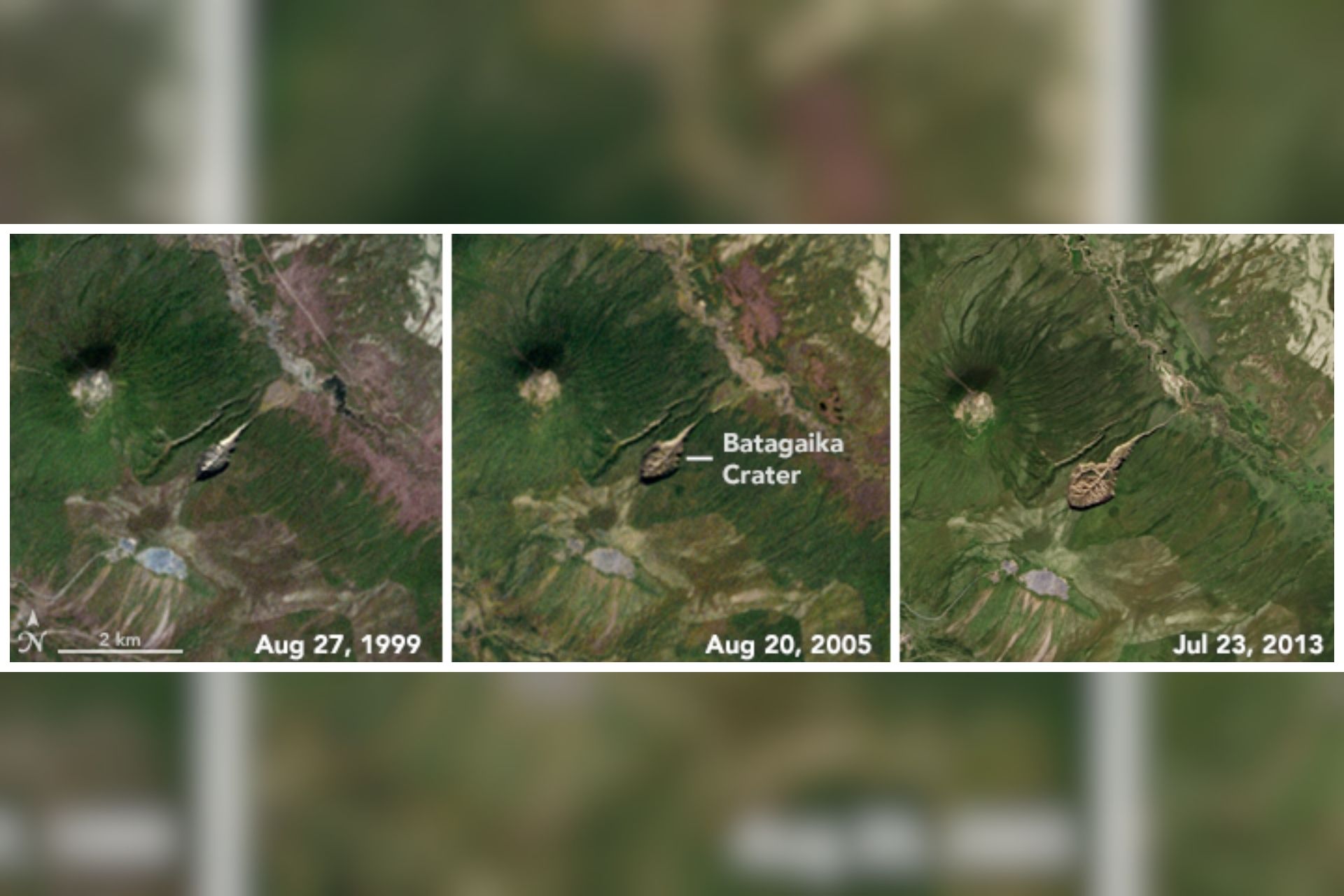
The collapse was first noticed in satellite images in 1991, after part of a hillside gave way. Since then, it has continued to grow as warming temperatures destabilize the permafrost beneath it. The site now exposes layers of frozen soil that have remained intact for up to 650,000 years, making it not only a geological feature but also a record of Earth’s past climate.
Climate Change Is Driving the Expansion
Scientists are clear about what is fueling this growth. Rising temperatures in the Arctic are causing permafrost to thaw at an accelerating rate. In fact, Arctic regions are warming much faster than the global average, intensifying the process. As the ice within the soil melts, the ground becomes unstable, leading to repeated collapses and continued expansion of the megaslump.
A Window Into Earth’s Ancient Past
While the collapse itself is alarming, it also offers a rare scientific opportunity. As the ground opens up, it reveals ancient layers of soil, plant material, and even animal remains preserved for thousands of years. Scientists have used these findings to study past climates and ecosystems, helping them understand how Earth responded to earlier periods of warming. In this way, the site acts as a natural archive of environmental history.
The Hidden Danger Beneath the Surface
However, the real concern lies beneath what can be seen. Permafrost contains vast amounts of organic material that has been frozen for thousands of years. When it thaws, microbes break down that material and release greenhouse gases such as carbon dioxide and methane. These gases trap heat in the atmosphere, contributing to further warming. This creates a cycle where warming leads to thawing, which then leads to even more warming.
A Feedback Loop That Could Accelerate Change

This process is known as a climate feedback loop, and it is one of the biggest concerns among scientists. As sites like Batagay expand, they release more greenhouse gases, which in turn accelerate global warming. Research suggests that permafrost holds more carbon than is currently present in the atmosphere, meaning its release could have major global consequences. Once this cycle intensifies, it becomes much harder to slow down.
Not an Isolated Problem
Importantly, Batagay is not the only place where this is happening. Similar thaw slumps are appearing across the Arctic, from Alaska to Canada. However, the size and speed of Batagay make it one of the most visible and dramatic examples. For scientists, it serves as a warning sign of what could happen in other regions as temperatures continue to rise.
What This Means for the Future
The expansion of the “gateway to hell” is not just about one location in Siberia. It highlights a broader shift in the planet’s climate system. Ground that was once permanently frozen is becoming unstable, and the effects are already spreading. While the process may seem distant, the consequences, from rising temperatures to shifting ecosystems, will be felt globally. Scientists continue to study the site closely, not just to understand what is happening, but to better predict what comes next.