99% Drop in Battery Costs Is Transforming Electric Transport Into a ‘Practical Option’


Over the past three decades, lithium-ion battery prices have fallen dramatically, from $9,200 per kilowatt-hour in 1991 to just $78 today. This unprecedented decline has turned electric cars from a luxury for the few into a practical option for millions of consumers worldwide.
Global Electric Car Sales Surge As Prices Plunge

In 2025, more than 20 million electric cars were sold globally, with prices ranging from $10,000 to $40,000. Just two decades ago, such affordability would have been unimaginable, illustrating how cheaper batteries are driving widespread adoption of electric transport.
Battery Learning Curves Drive Continuous Price Decline

The cost of batteries did not fall due to a single breakthrough, but through thousands of incremental improvements in chemistry, manufacturing, and supply chains. Each increase in global production further reduced costs, reinforcing a cycle of innovation and affordability.
Early Market Barriers Slowed Price Reductions

In the early 1990s, battery prices declined slowly due to immature supply chains and limited competition. Sony’s monopoly over lithium-ion technology prioritized safety and lifespan improvements over cost, keeping early prices prohibitively high for automotive use.
Production Growth Triggers Faster Cost Reductions

From 1998 onwards, every doubling of cumulative global battery production reduced prices by roughly 19 percent. This mirrors the learning curve seen in solar panels and demonstrates how scaling production is critical to making electric vehicles financially viable.
Consumer Electronics Paved The Way For Automotive Batteries

The first major market for lithium-ion batteries was in phones and laptops. Innovations from these smaller applications eventually enabled larger, energy-dense batteries suitable for cars, trucks, and even grid storage, proving that early consumer electronics drove the path to electric transport.
Energy Density Improvements Make Vehicles Practical
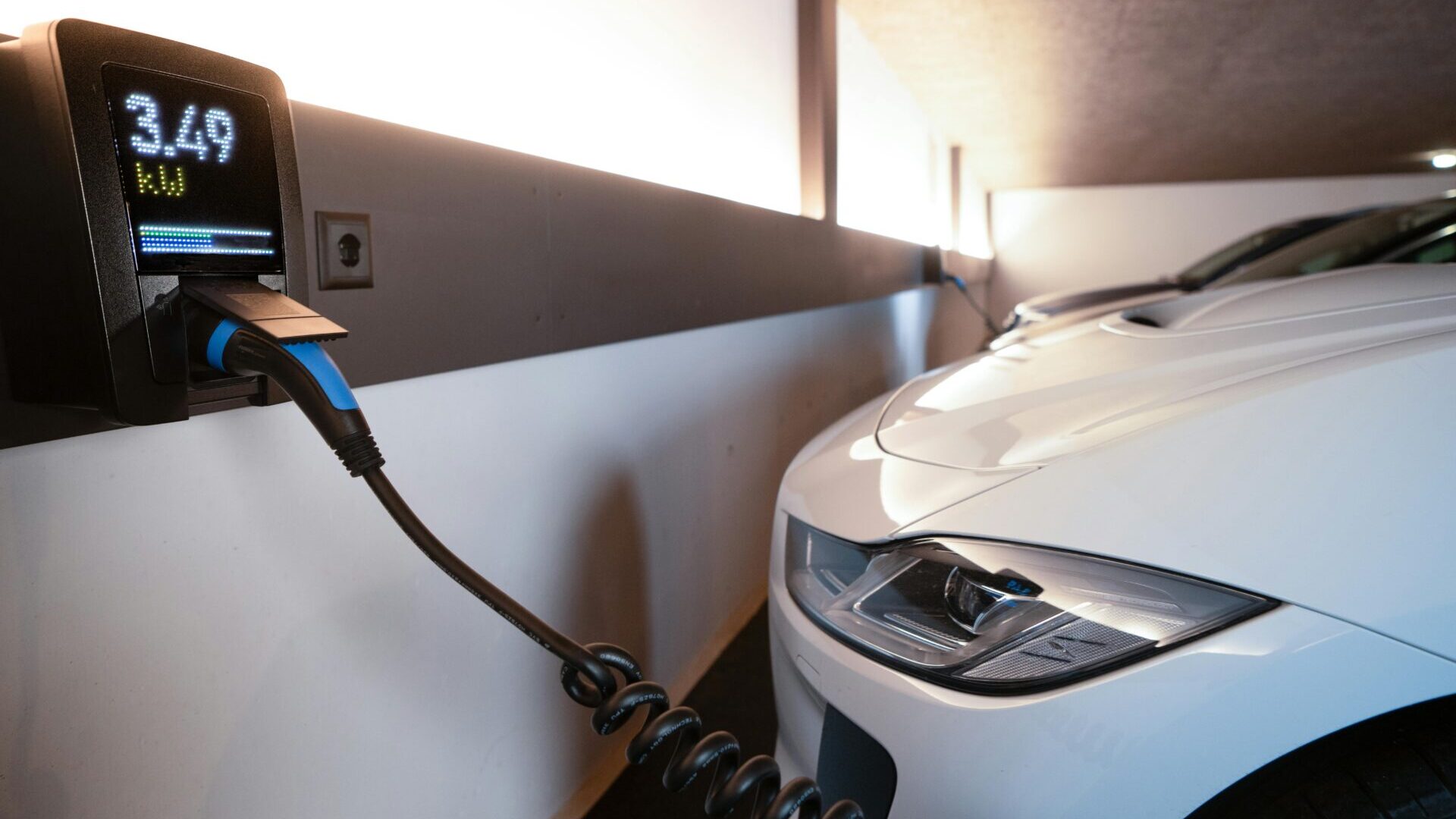
Battery energy density has more than tripled since the 1990s, allowing cars to store more electricity without becoming heavy or inefficient. Lighter, more powerful batteries open possibilities for electrifying trucks, small airplanes, and ships where weight is a major factor.
Cheaper Storage Complements Renewable Energy Growth

The decline in battery costs coincides with the drop in solar power prices over the 2010s. Affordable storage enables homes, grids, and vehicles to harness renewable energy more effectively, making electrified transport a key part of the clean energy transition.
Affordable Batteries Transform Transportation Options
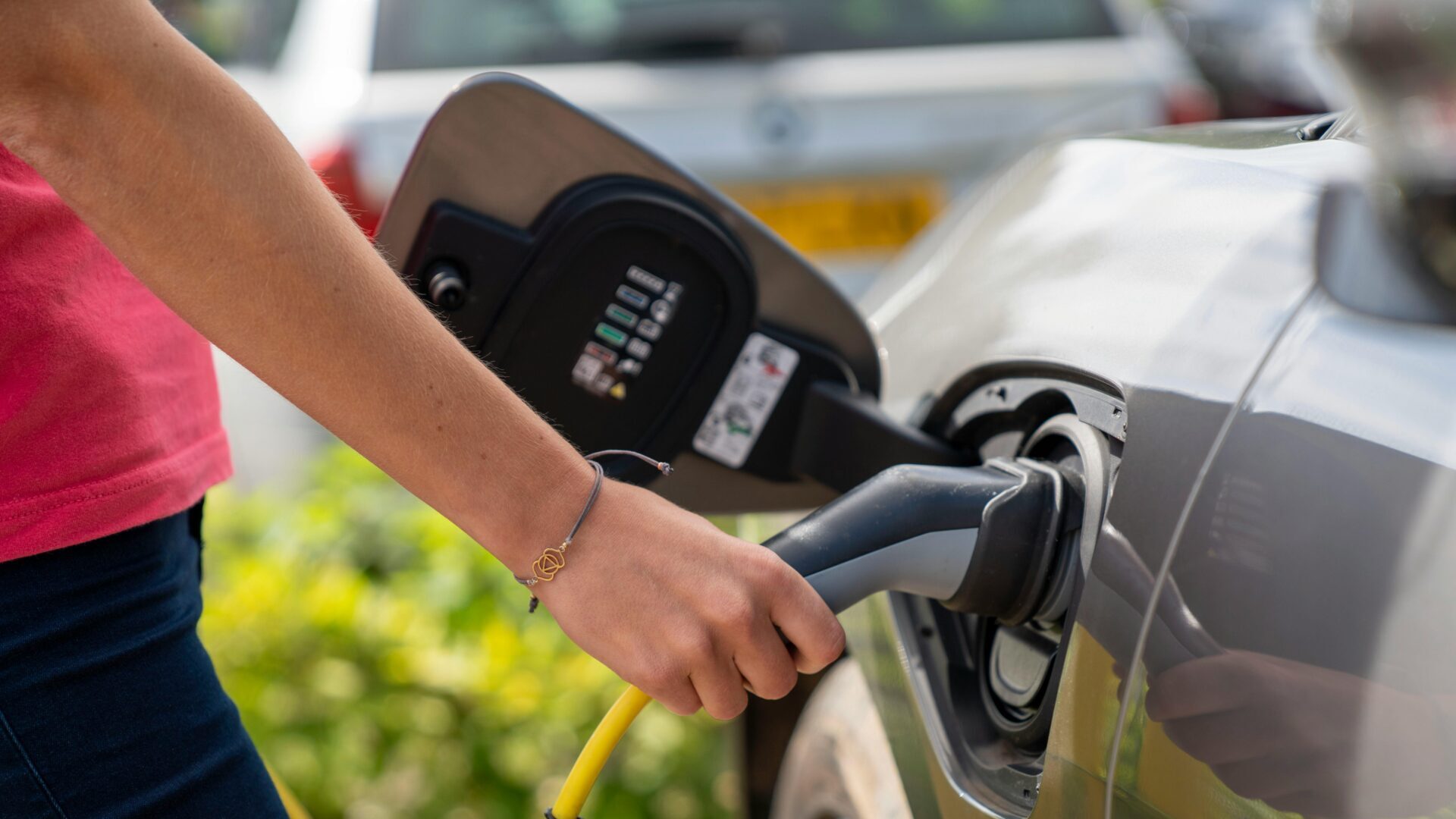
The shift from half-a-million-dollar batteries in the 1990s to $5,000 batteries today has finally made electric vehicles practical for everyday use. Cheaper storage allows longer ranges, more powerful vehicles, and broader adoption across multiple forms of transport.
Future Prospects For Electric Transport Look Promising

With ongoing cost reductions, rising production, and improving energy density, electric vehicles are poised to become mainstream. As prices continue to drop, electric transport is set to rival conventional vehicles not only in sustainability but also in affordability and convenience.