Concerning Changes Emerge at a Store Many Shoppers Depend On
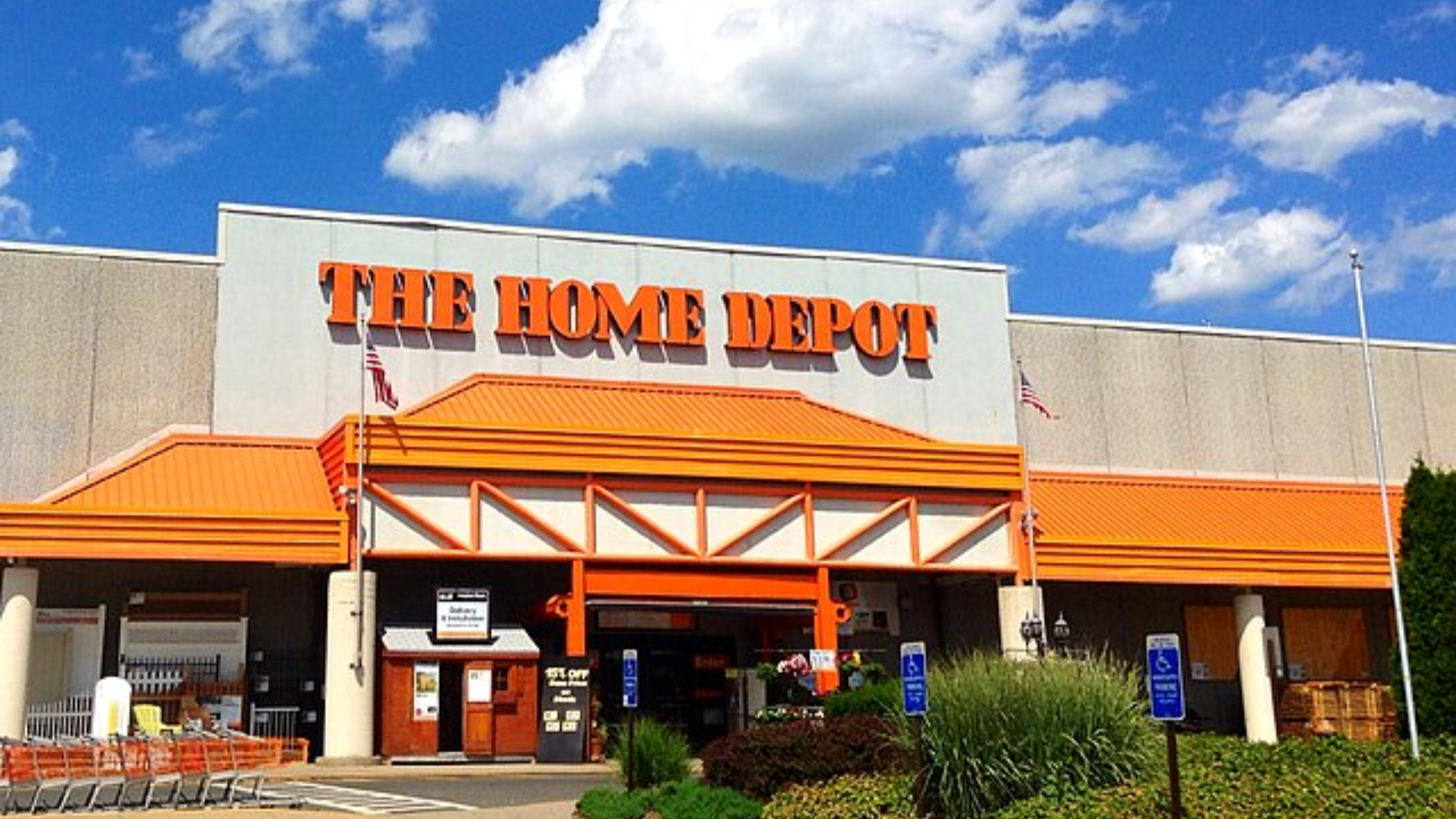

Home Depot has long been a go-to destination for homeowners, contractors, and DIY enthusiasts, but new signs are emerging that suggest something deeper may be shifting beneath the surface. Recent reports indicate a noticeable change in consumer behavior at the retail giant, raising concerns not just for the company but for the broader economy as well. As one of the largest home improvement retailers in the world, Home Depot often serves as a barometer for consumer confidence, so when shoppers begin to pull back, it can signal larger financial pressures ahead. These changes are subtle but significant, and they are starting to reshape how customers shop, spend, and prioritize their home projects.
Shoppers Are Pulling Back on Spending
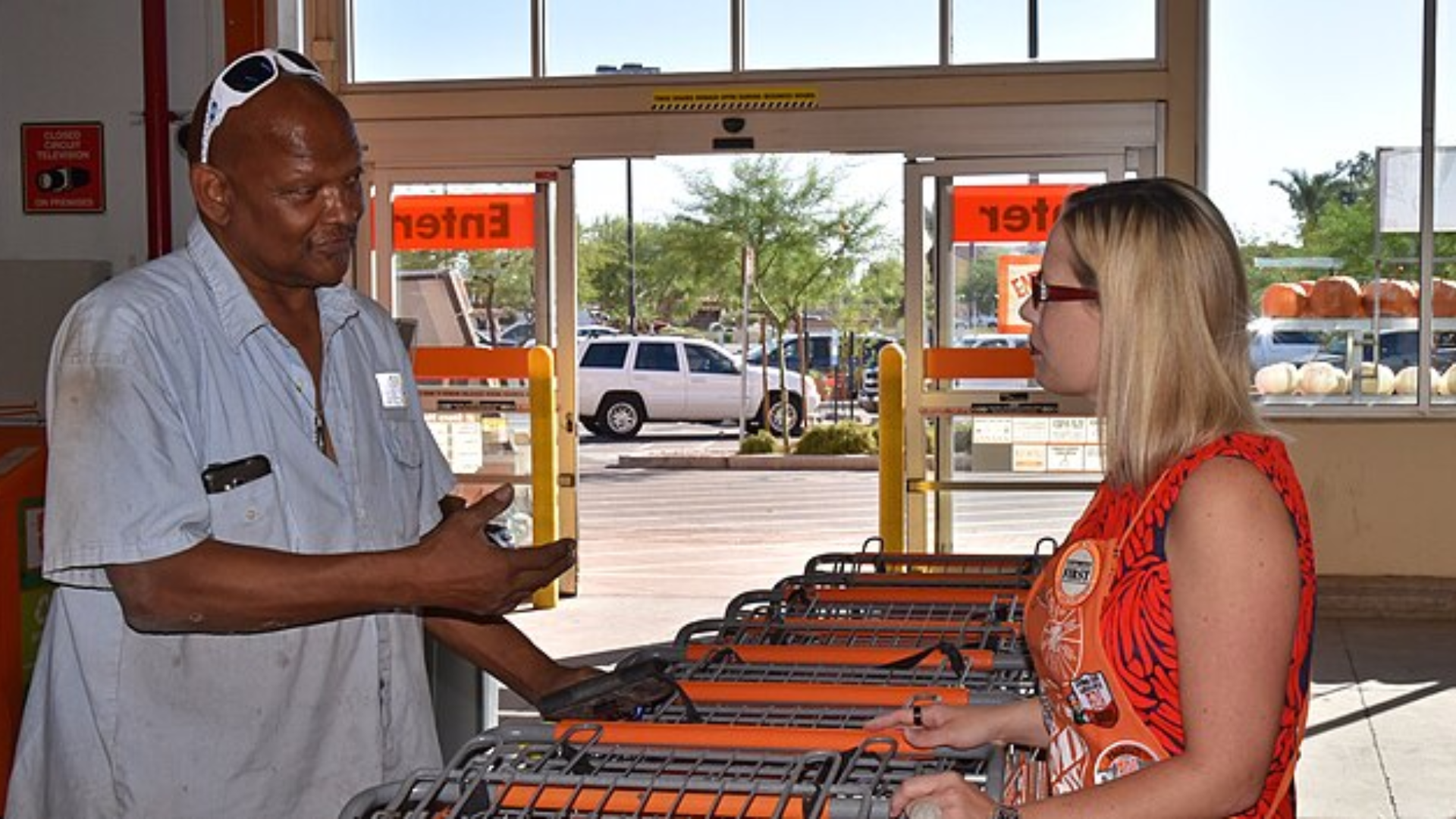
One of the most concerning shifts is that customers are becoming more cautious with their spending, even those in higher-income brackets who traditionally drive Home Depot’s business. Analysts have observed a slowdown in customer activity and a decline in store visits, suggesting that shoppers are thinking twice before making purchases. This pullback reflects broader economic concerns, including inflation, rising costs, and uncertainty about the future, all of which are influencing how people approach spending on home improvement.
Big Projects Are Being Put on Hold
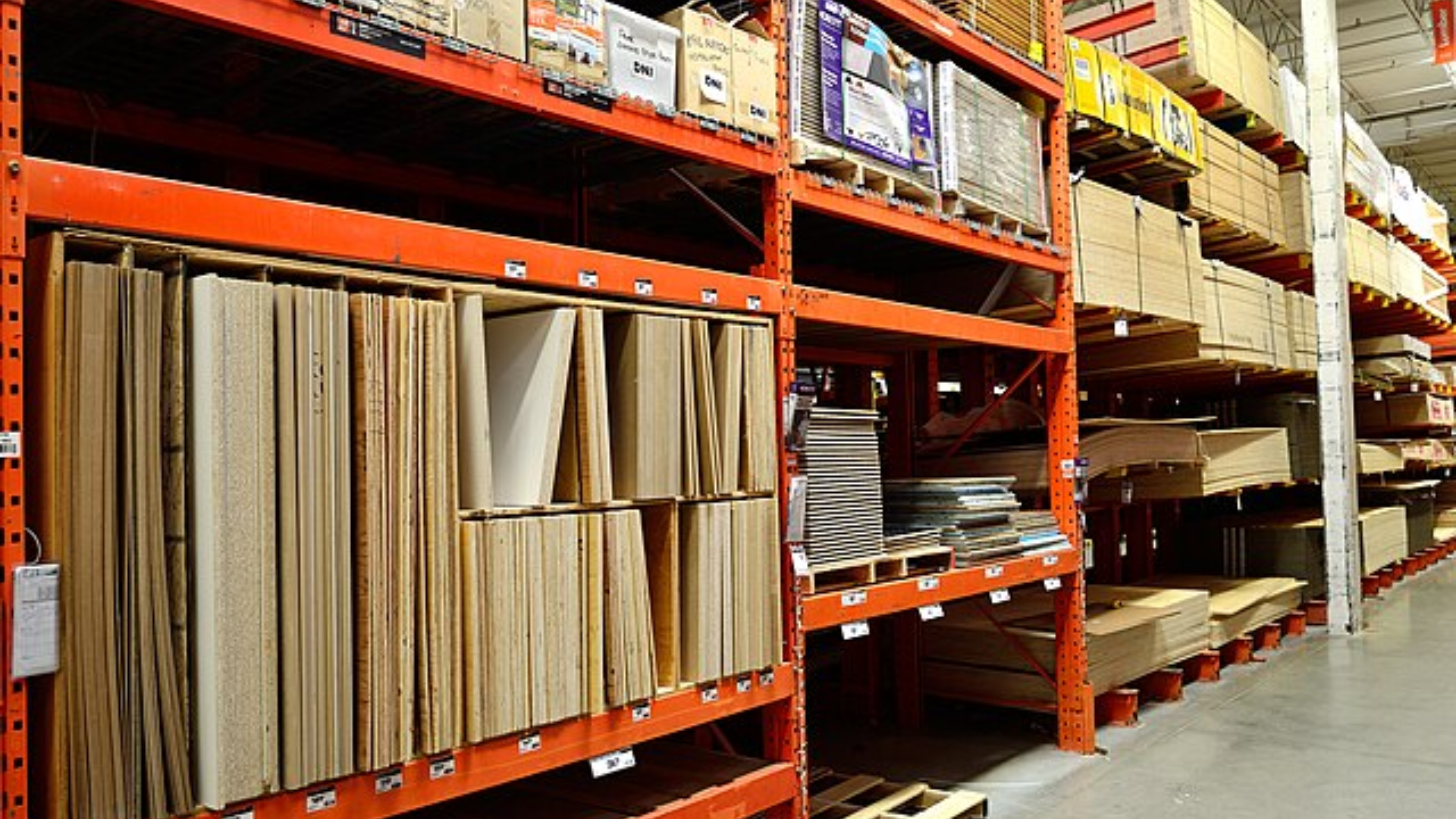
Perhaps the most telling change is the decline in large-scale renovation projects, which have historically been a major source of revenue for Home Depot. Customers are increasingly delaying or canceling expensive upgrades like kitchen remodels or major home additions, largely due to high interest rates and financing costs. Instead of taking on large investments, many homeowners are choosing to wait until economic conditions feel more stable.
Smaller, Cheaper Projects Are Taking Over

Rather than abandoning home improvement altogether, shoppers are shifting toward smaller, more affordable projects that require less financial commitment. This includes tasks like painting, basic repairs, and minor upgrades that can be completed without taking on debt. While this trend keeps some level of demand steady, it also signals a more cautious mindset among consumers who are prioritizing affordability over ambition.
Foot Traffic Is Quietly Declining
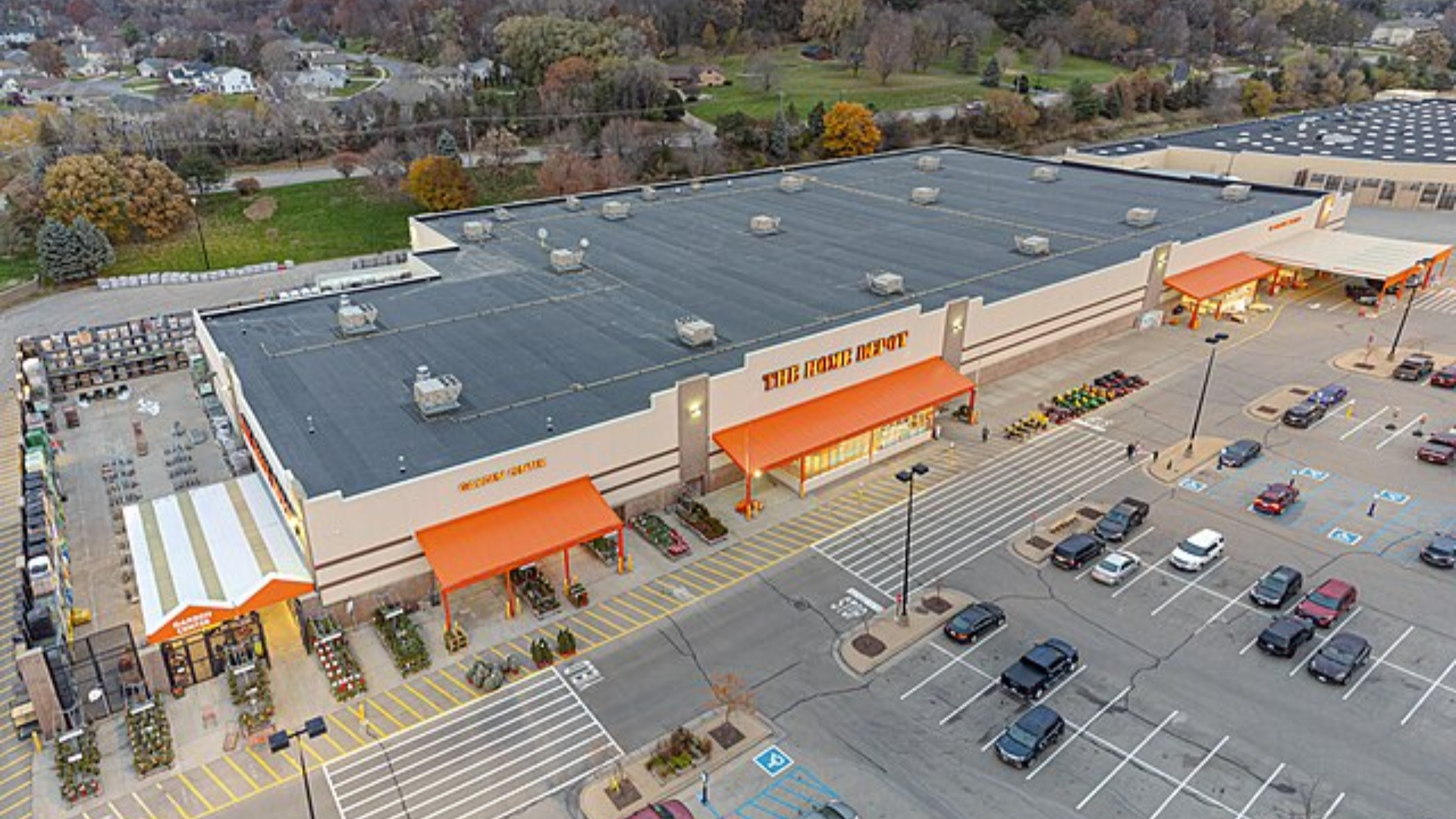
Another troubling indicator is a drop in foot traffic at physical store locations, which suggests fewer customers are visiting in person. Data shows that store visits have declined even as overall spending patterns shift, pointing to changes in how people shop. Some consumers are turning to online ordering or delaying purchases altogether, reducing the steady in-store activity that retailers rely on.
Housing Market Troubles Are a Key Factor

Much of Home Depot’s business is closely tied to the housing market, and current conditions are creating additional pressure. High mortgage rates and limited housing inventory have slowed home sales, which typically drive renovation activity. With fewer people buying or moving into new homes, there is less incentive to invest in large home improvement projects, further contributing to the slowdown.
Economic Uncertainty Is Weighing on Decisions

Underlying all of these changes is a broader sense of economic uncertainty that is influencing consumer behavior. Concerns about job stability, inflation, and overall affordability are making shoppers more cautious, even if they are financially stable. This shift in mindset is significant because it affects not just what people buy, but whether they choose to spend at all.
Sales Growth Is Slowing Despite Strong Brand Power
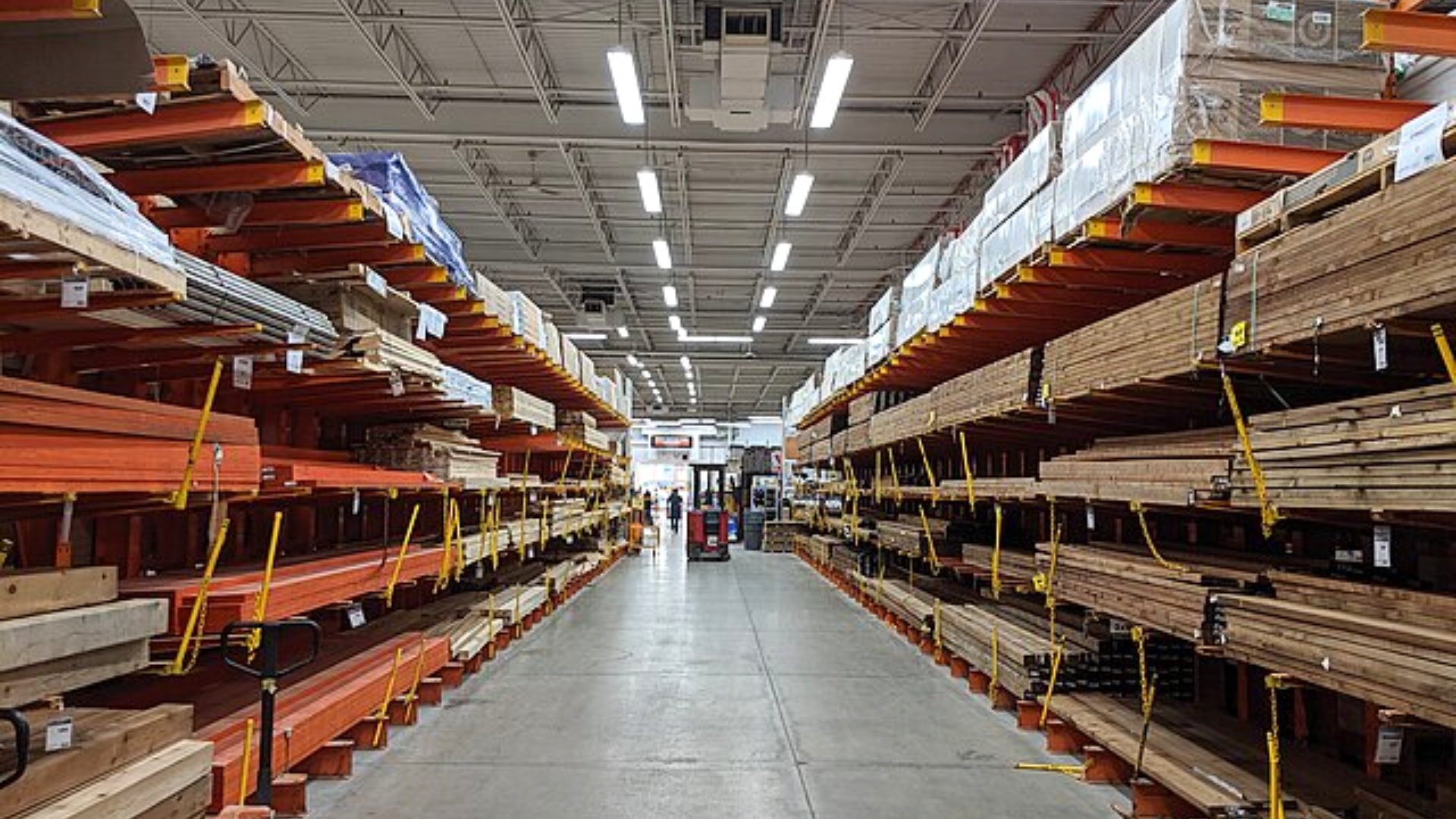
Even though Home Depot remains a dominant force in retail, recent financial results show signs of slowing growth and increased pressure on performance. Sales have dipped in certain periods, and comparable sales growth has remained relatively flat, reflecting the impact of changing consumer habits. While the company continues to generate billions in revenue, these subtle slowdowns are closely watched by analysts as potential warning signs.
Why Experts Are Paying Close Attention
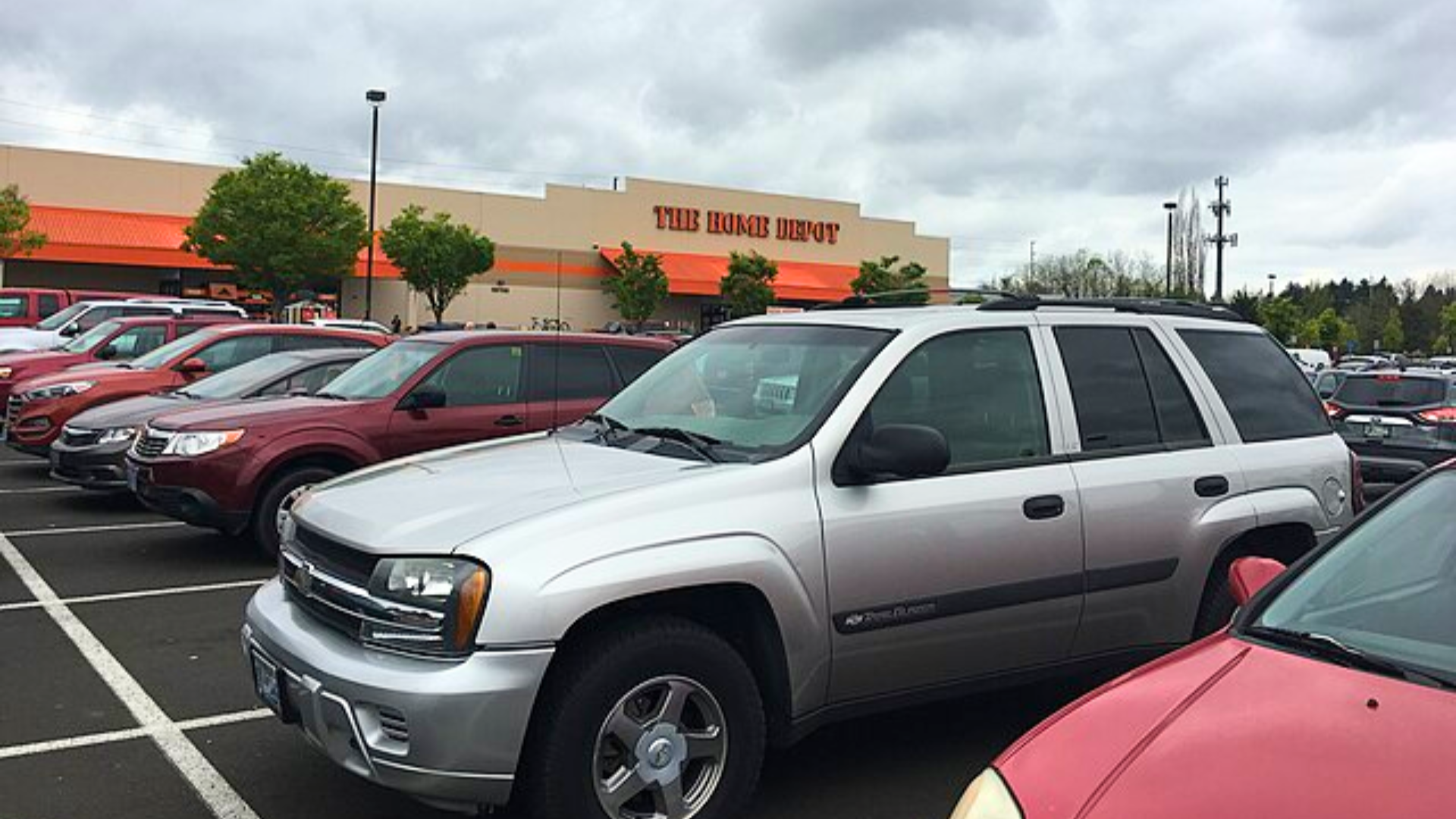
Experts view Home Depot as a key indicator of broader economic health because its customers typically include homeowners with stable incomes and strong spending power. When even this group begins to cut back, it suggests that economic pressure may be spreading more widely. Analysts warn that these trends could point to a larger shift in consumer confidence, with implications that extend far beyond the home improvement sector.
What This Could Mean for the Future of Retail
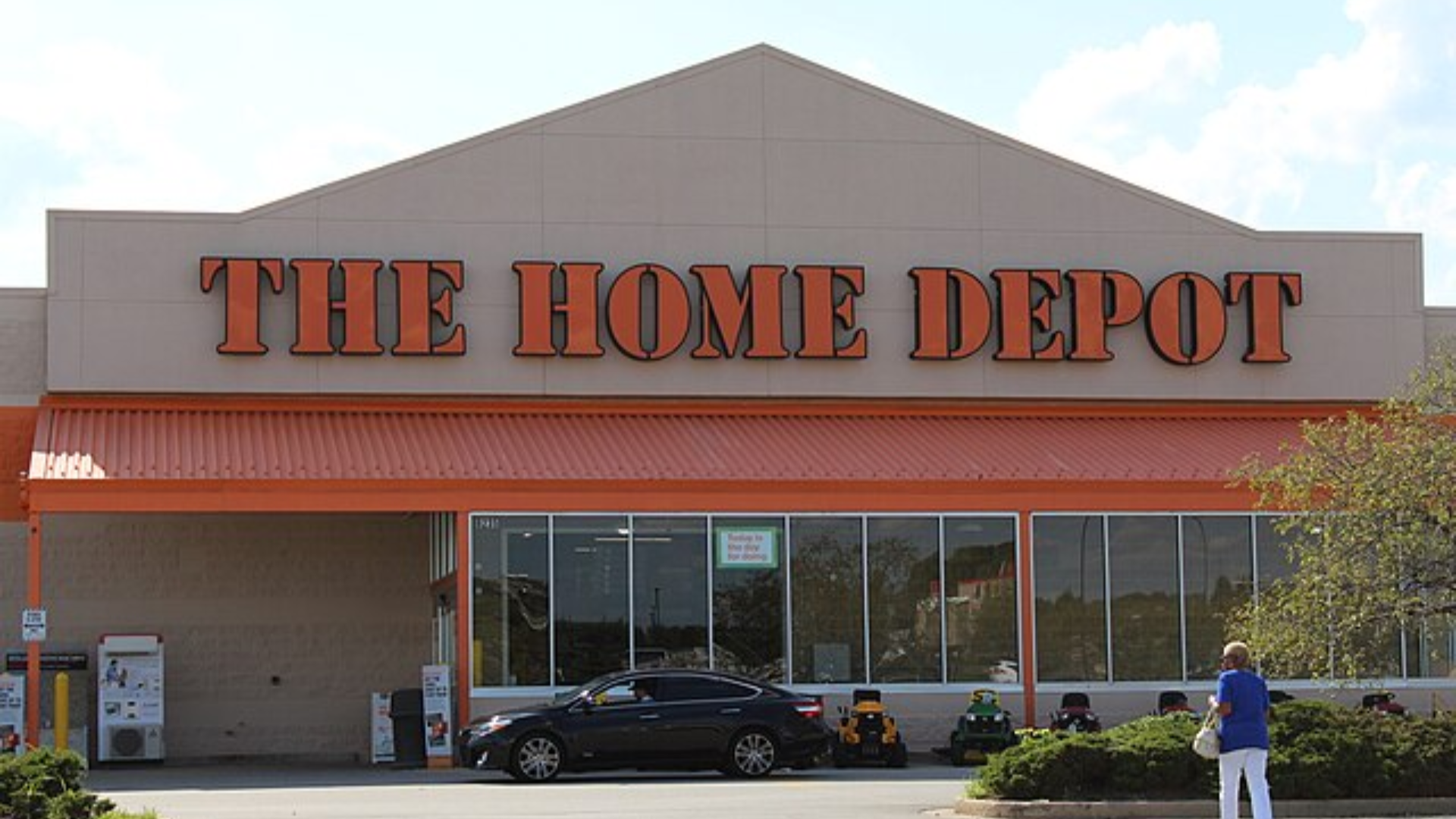
The changes happening at Home Depot highlight a broader transformation in consumer behavior that could reshape the retail landscape in the coming years. As shoppers become more cautious, retailers may need to adapt by focusing on value, flexibility, and smaller-scale purchases rather than big-ticket sales. While it’s too early to say how long this shift will last, one thing is clear: even the most reliable retail giants are not immune to changing economic realities, and the ripple effects could be felt across the entire industry.