‘It’s Really Grim. It’s Horrific,’ Climate Scientist Warns as the West Faces What Could Be Its Worst Drought on Record
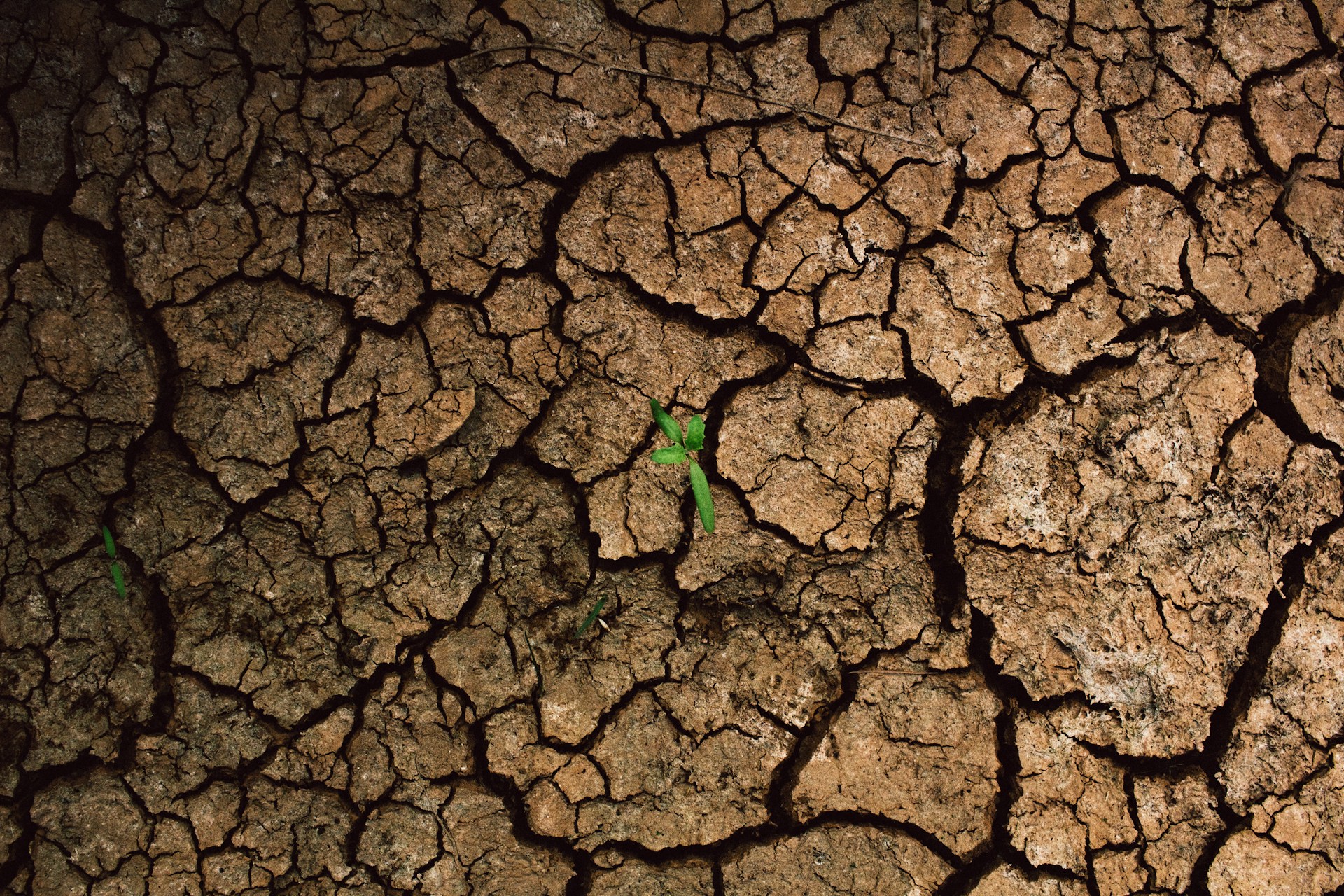

During an interview with USA TODAY, Brad Udall, a senior climate scientist at Colorado State University’s Colorado Water Center, offered a stark assessment of the unfolding crisis in the American West. Reflecting on historically low snowpack and the potential for record-low Colorado River flows, Udall warned, “It’s really grim. It’s horrific.” His stark assessment reflects growing concern that the region may be heading toward one of the worst droughts in recorded history, with impacts expected to ripple across ecosystems, economies, and communities.
Record-Low Snowpack Signals Trouble Ahead
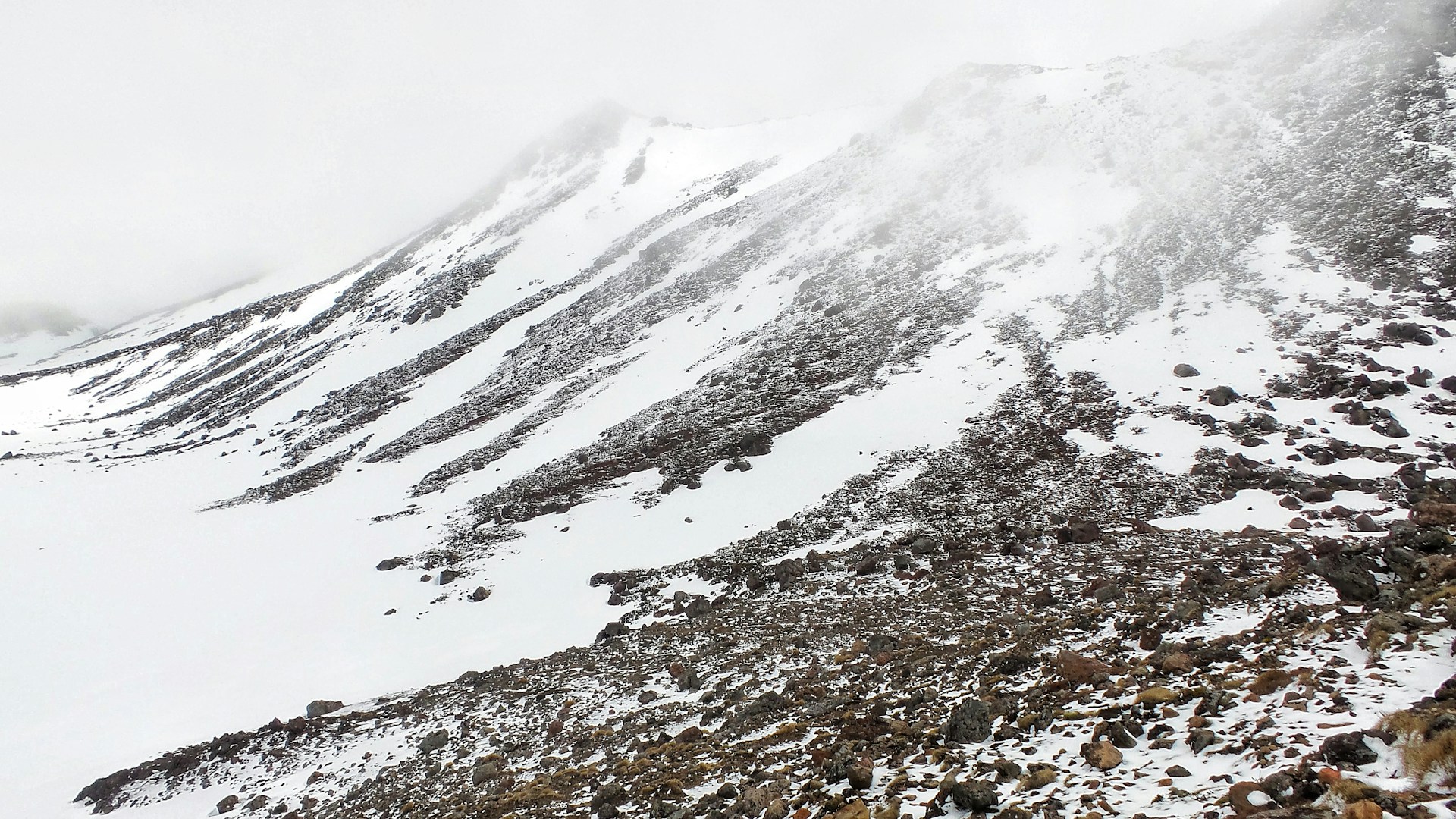
Mountain snowpack acts as the West’s natural reservoir, slowly releasing water into rivers and reservoirs throughout the year. However, recent measurements reveal historically low levels, including Colorado’s worst snowpack since statewide recordkeeping began in 1941. This dramatic deficit means significantly less water will be available during the critical summer months.
Snow Drought Spreads Across the Region
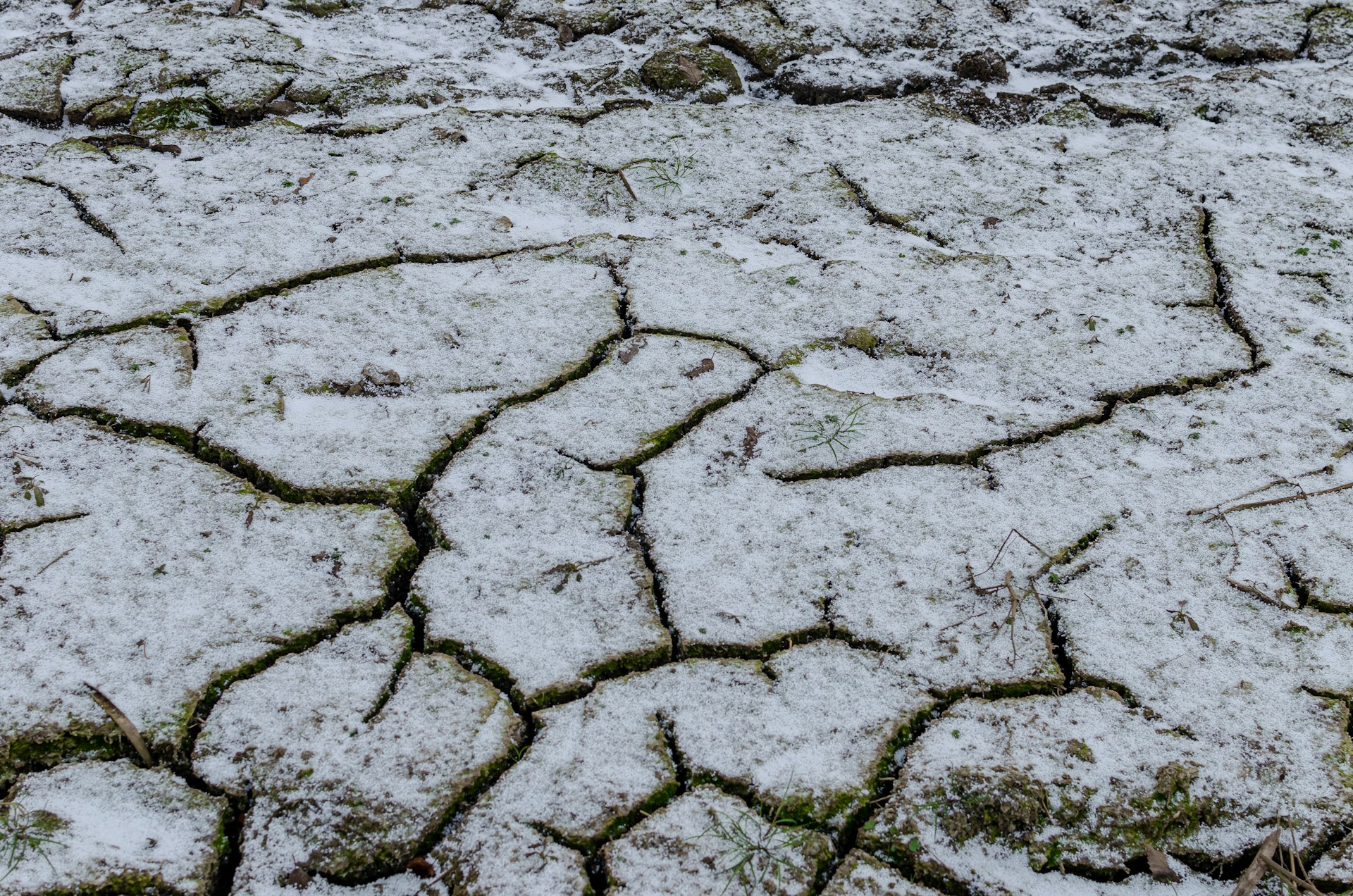
The crisis is not confined to a single state. According to the National Integrated Drought Information System, every major river basin in the Western United States is experiencing snow drought conditions, with many areas reporting snow water equivalent levels well below historical averages. These widespread deficits signal a systemic water shortage across the region.
Record Heat Accelerates Snowmelt
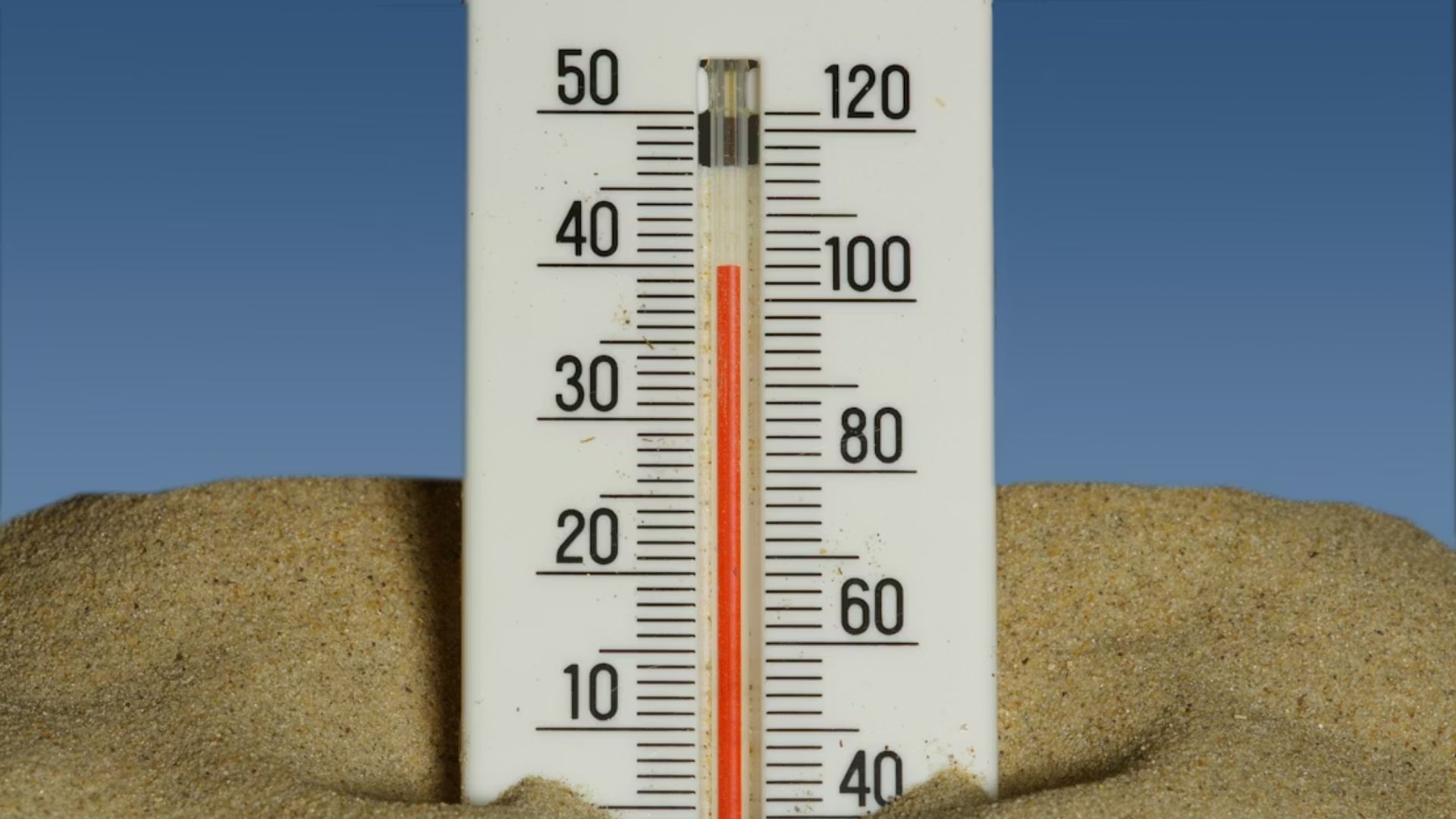
Unusually warm winter and early spring temperatures have compounded the problem. Instead of falling as snow, much of the precipitation arrived as rain, while existing snow melted weeks earlier than normal. Scientists note that these “way-off-the-scale” warm conditions have rapidly depleted the region’s crucial water reserves.
Water Supplies and Reservoirs Under Pressure

As snowpack diminishes, reservoirs that depend on spring runoff are struggling to refill. Key water sources such as Lake Dillon and Lake Powell are already experiencing significantly reduced levels, raising concerns about drinking water availability and hydroelectric power generation for millions of residents across the Southwest.
Communities Face Increasing Water Restrictions

In response to dwindling supplies, cities across the West have begun implementing water conservation measures. Restrictions include limits on lawn watering, reduced water use by businesses, and voluntary conservation efforts by residents. These actions highlight the seriousness of the situation and the need to preserve remaining resources.
Agricultural and Economic Impacts Loom
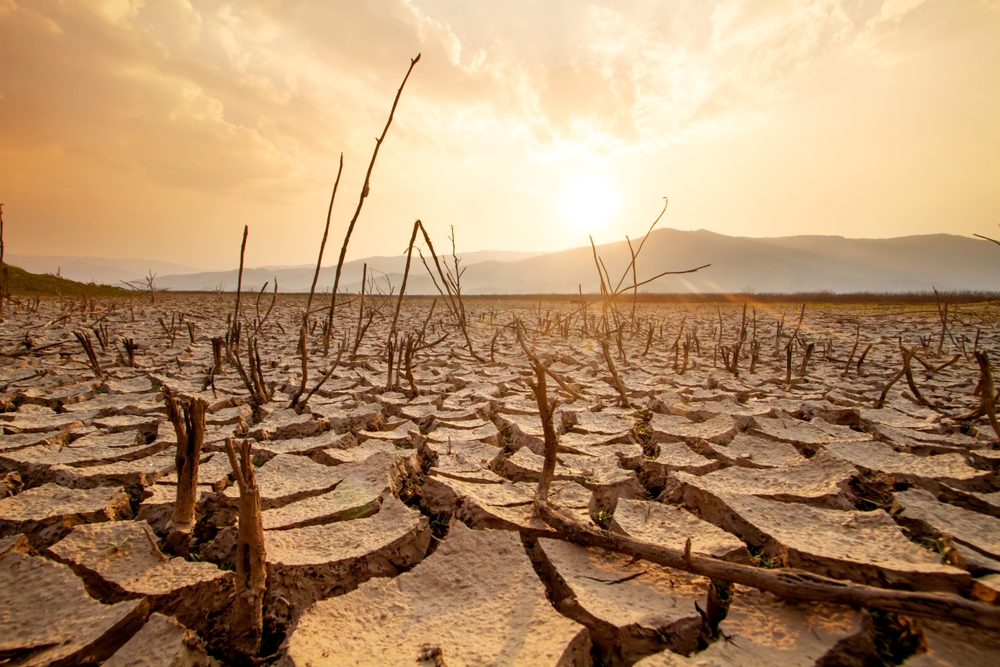
The drought’s consequences extend beyond water availability. Ranchers and farmers are already grappling with dry pastures and dwindling water sources, forcing difficult decisions such as purchasing expensive hay or reducing livestock. These challenges could lead to higher food prices and economic strain across the region.
Heightened Wildfire Risk
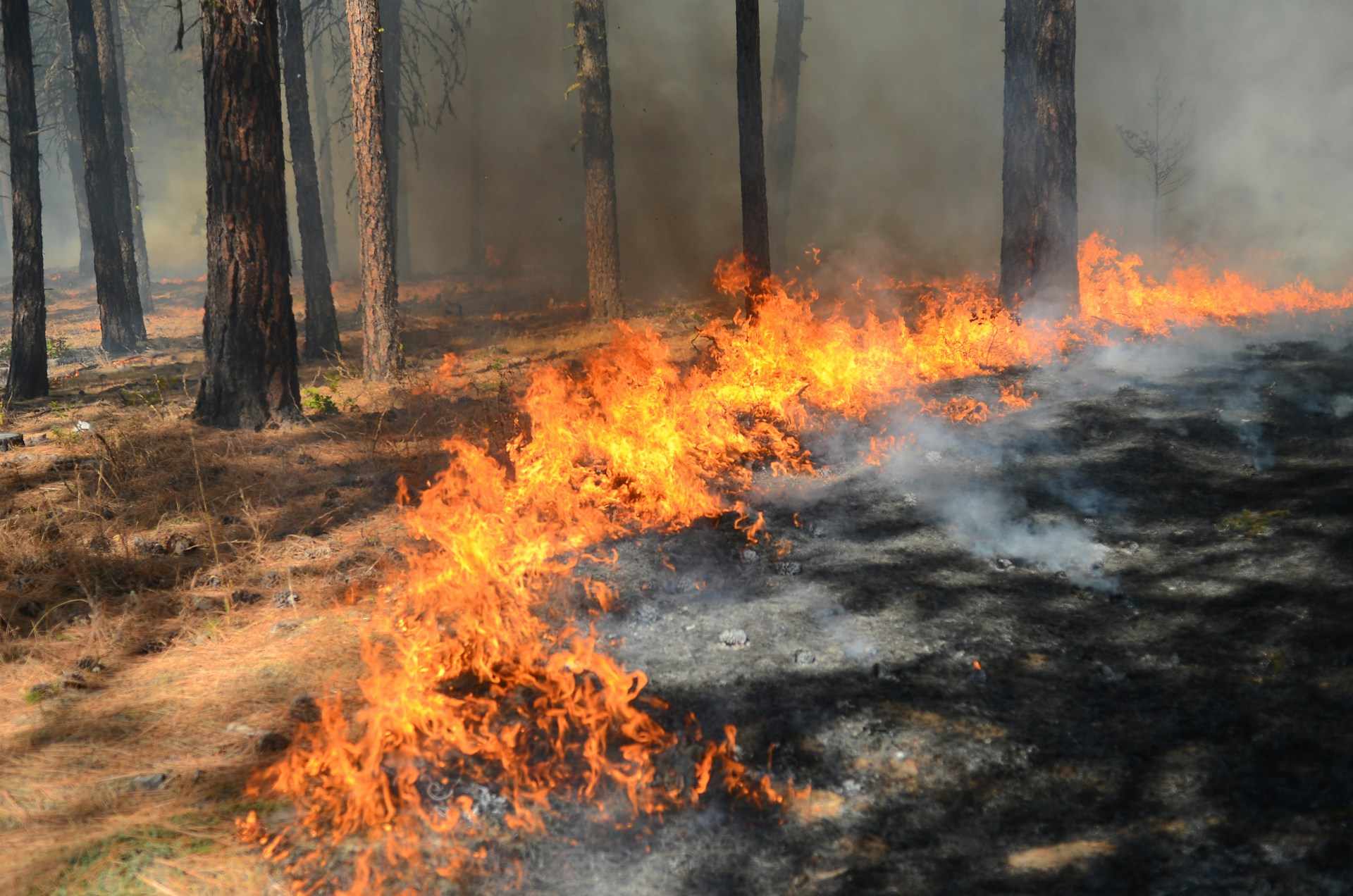
Dry landscapes combined with persistent heat create ideal conditions for wildfires. With limited snow to moisten soils and vegetation, experts warn that the West may face an extended and potentially severe fire season, threatening homes, infrastructure, and natural ecosystems.
Climate Change as a Driving Force
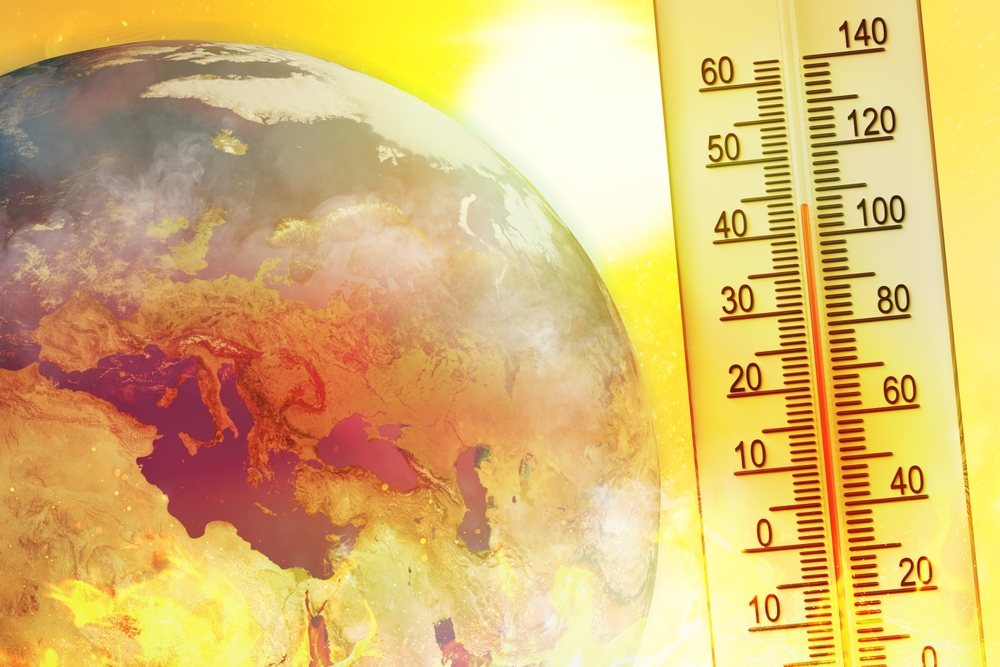
Scientists widely agree that human-driven climate change is intensifying drought conditions in the West. Rising temperatures are shortening wet seasons, reducing snow accumulation, and increasing evaporation rates. Research indicates that the region is becoming a global hotspot for snow droughts, with such events growing more frequent and severe over time.
Preparing for an Uncertain Future
While the outlook is concerning, experts emphasize that proactive water management and conservation strategies can help mitigate the worst impacts. Investments in efficient water use, improved infrastructure, and climate adaptation measures will be essential as communities navigate an increasingly uncertain hydrological future.