A Surprise Could Be Coming to Your 2026 Tax Refund
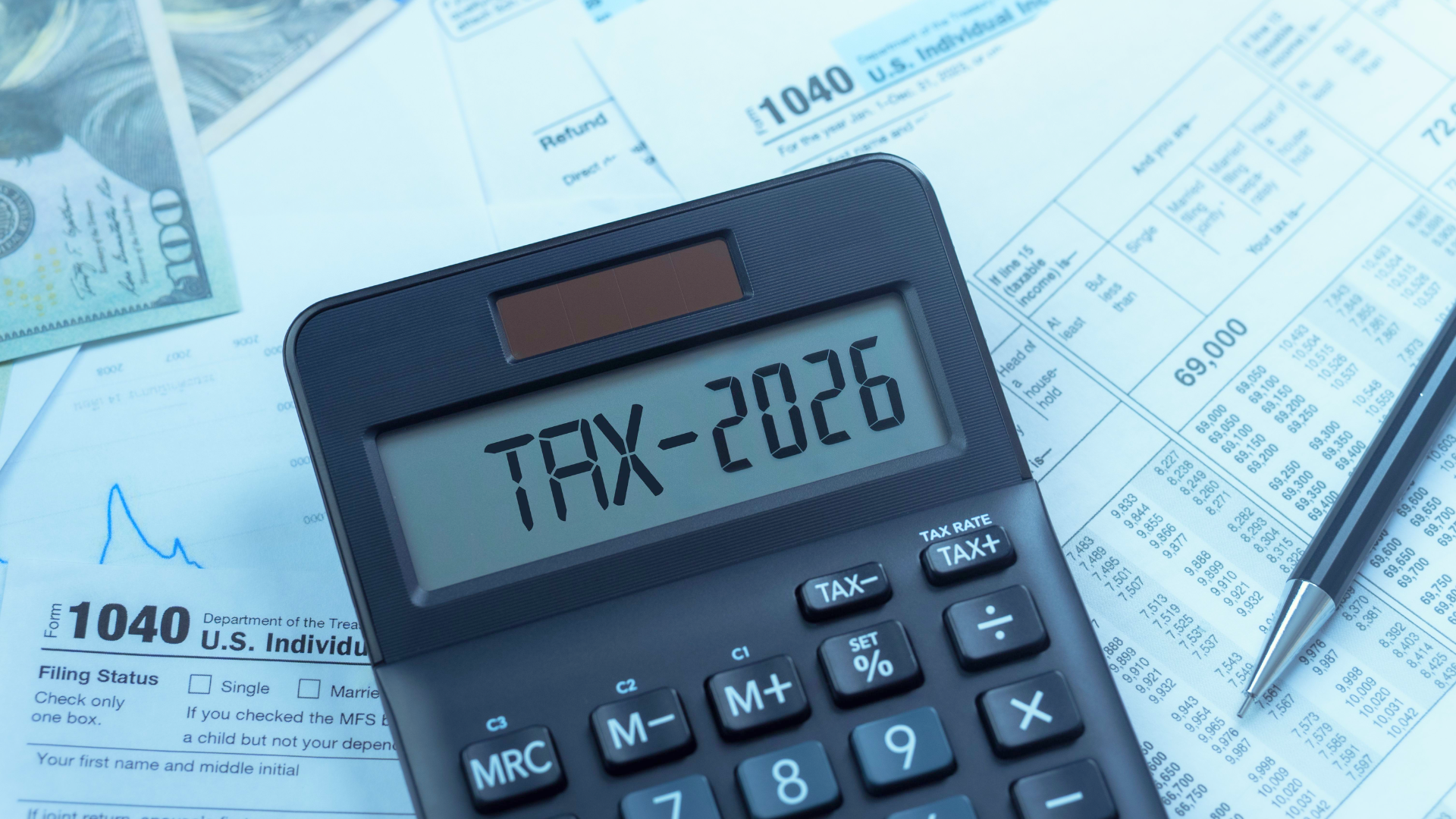

Millions of Americans heading into the 2026 tax season may be expecting larger refunds, but some could be in for an unexpected surprise when they actually file. While recent tax changes created the potential for bigger refunds overall, they have also introduced complexities that don’t affect every taxpayer the same way. As a result, refund amounts could vary widely, leaving some people with less money than they anticipated.
A key factor behind the confusion is how recent tax reforms were implemented, particularly changes that were not immediately reflected in paycheck withholding during 2025. This has led to mixed outcomes, where some taxpayers overpaid and others effectively received their tax benefits earlier in their paychecks instead of as a refund. Because of this uneven impact, expectations set earlier in the year may not match final refund amounts.
Experts describe the 2026 tax season as unusually unpredictable, with outcomes depending heavily on individual circumstances like income level, deductions, and filing status. Even small differences in withholding or eligibility for tax breaks can significantly change the final refund. This makes it especially important for taxpayers to understand how recent changes apply to their specific situation.
Why Some Refunds May Be Smaller Than Expected

One major reason some refunds may be smaller is that updated tax laws allowed many workers to keep more money in their paychecks throughout 2025. Instead of receiving a large lump sum at tax time, part of that benefit was already distributed during the year through reduced withholding. This can make refunds appear smaller even though the overall tax burden may not have increased.
Another factor is the expiration or adjustment of certain tax credits and deductions, which can directly reduce refund totals for some households. If taxpayers were previously relying on credits that are no longer available or have been scaled back, their refunds may shrink as a result. These changes can catch filers off guard, especially if their income or filing status hasn’t changed significantly.
Early projections of larger refunds also contributed to inflated expectations, as many estimates were based on broad averages that do not reflect individual tax situations. In reality, not all taxpayers qualify for the same benefits, and some may see little to no increase at all. This gap between expectation and reality is a major reason why some refunds may feel disappointing this year.
Why Others Could Still See Bigger Refunds
Despite concerns about smaller refunds, many Americans are still receiving larger payouts thanks to new deductions and tax breaks introduced in recent legislation. These include expanded standard deductions and additional benefits tied to income sources like overtime and tips. For those who qualify, these changes can significantly increase refund amounts.
Another reason for larger refunds is that IRS withholding tables were not immediately updated after the tax law changes, causing some taxpayers to overpay during the year. When they file their returns, that overpayment is returned as a larger refund. This timing mismatch is one of the biggest drivers behind higher-than-usual refunds for certain groups.
However, the benefits are not evenly distributed, with higher-income households often seeing the largest increases due to greater access to deductions and tax-saving opportunities. Lower-income taxpayers may see smaller gains or none at all, depending on their eligibility for specific credits. This uneven impact is why the 2026 tax season is being described as a “mixed bag” for many Americans.
Expect the Unexpected This Tax Season

The 2026 tax season highlights how major tax changes can create both opportunities and surprises, depending on how they affect individual taxpayers. While some people will enjoy larger refunds, others may be caught off guard by smaller-than-expected amounts. This variability makes it more important than ever to review your financial situation carefully before filing.
Understanding how withholding, deductions, and recent tax law updates interact can help reduce surprises and improve financial planning for the future. Taking the time to adjust your withholding or consult a tax professional may help you better align your expectations with reality. Small adjustments now can make a noticeable difference in future tax seasons.
As filing deadlines approach, experts recommend staying informed and managing expectations, since this year’s refund may not look the way you initially anticipated. Being proactive can help you avoid frustration and make smarter financial decisions moving forward.