Rising Fuel Costs Force Thousands of Flight Cancellations, Impacting All Flyers
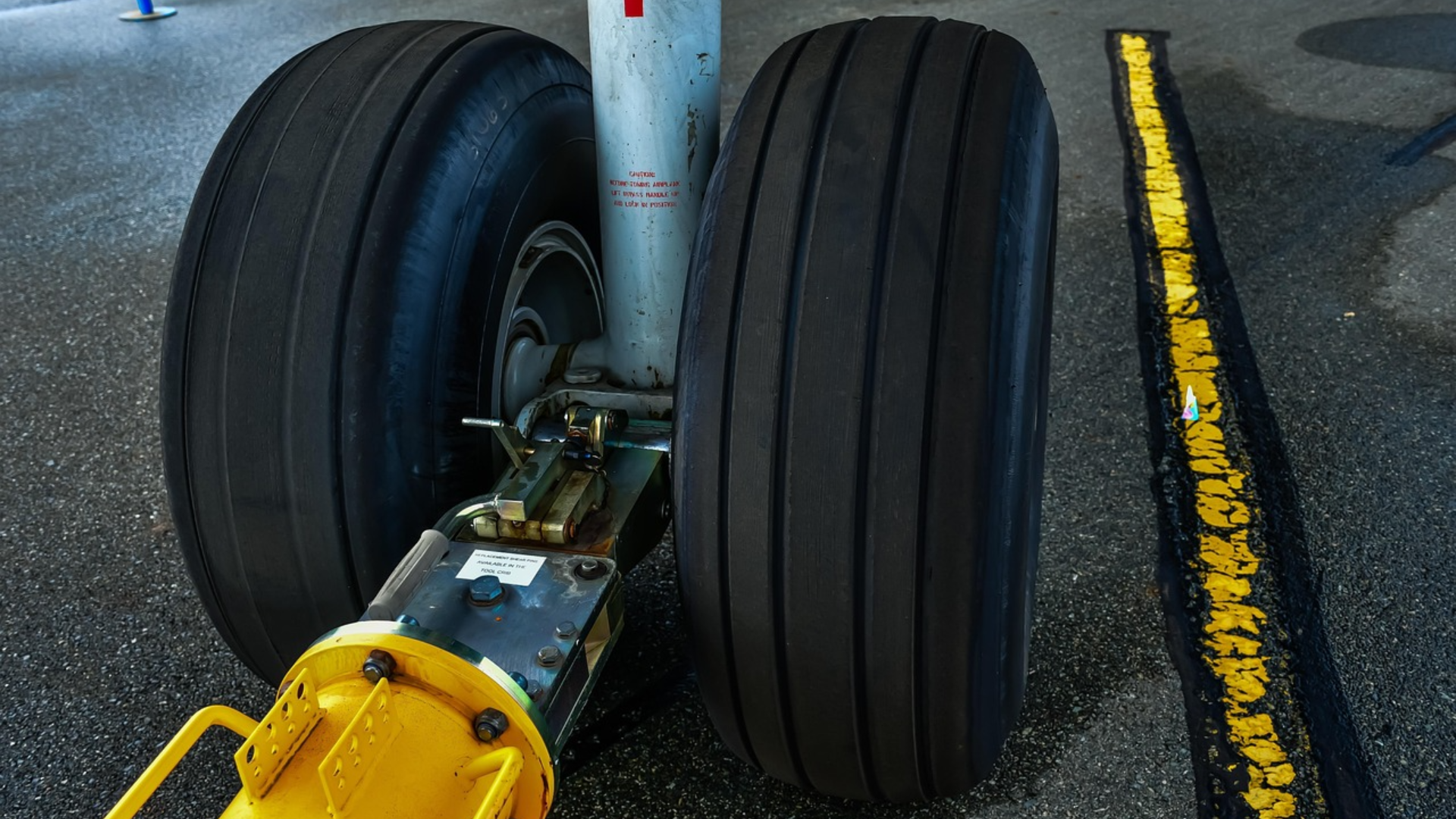

Air travel around the world is facing major disruption as soaring jet fuel prices force airlines to cancel thousands of flights and scale back operations. The surge in fuel costs, driven largely by geopolitical tensions and disruptions to global oil supply, has created one of the most challenging environments for airlines in recent years, putting pressure on both schedules and profitability.
In several regions, airlines have already begun cutting capacity, with some carriers canceling more than a thousand flights over just a few weeks as they struggle to keep operating costs under control. These cancellations are not isolated incidents but part of a broader trend affecting routes across Asia, Europe, and beyond, leaving tens of thousands of passengers scrambling to adjust their travel plans.
Jet fuel is one of the largest expenses for airlines, and when prices spike rapidly, carriers often have little choice but to reduce flights or increase fares to compensate. As costs continue to rise, travelers are beginning to feel the impact through both disruptions and higher ticket prices, signaling a ripple effect across the entire aviation industry.
Why Fuel Prices Are Causing Widespread Disruptions
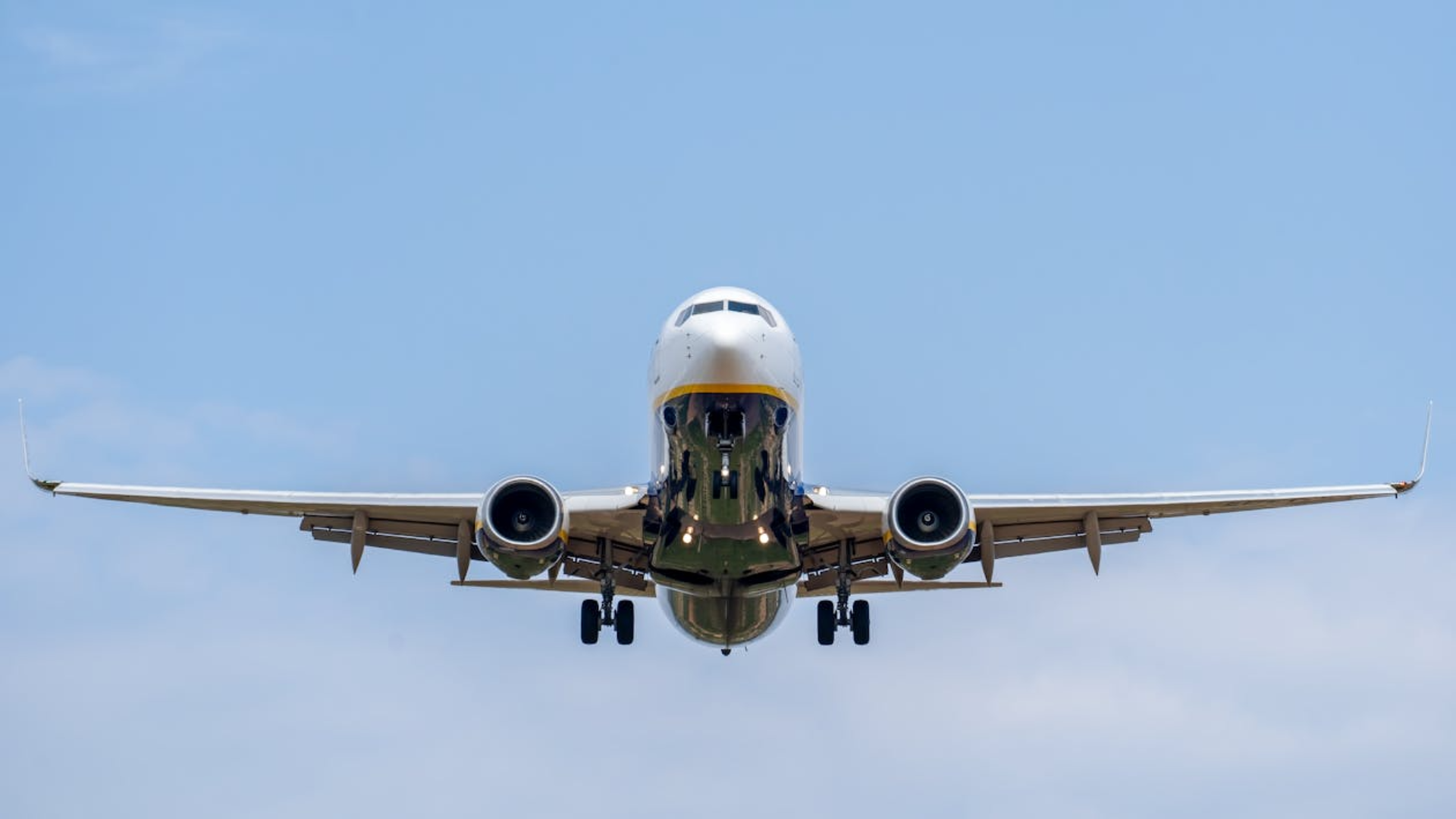
The current crisis is largely tied to global instability affecting oil production and transportation, particularly in key regions responsible for supplying jet fuel. The closure of major shipping routes and disruptions to refinery output have caused fuel prices to spike dramatically, in some cases doubling within weeks and creating immediate strain on airline operations.
As a result, airlines are being forced to make difficult decisions about where and how often they can fly, prioritizing major routes while cutting back on less profitable or secondary services. This strategy helps reduce fuel consumption but also leads to fewer available flights, especially in regional markets where demand may not justify the higher operating costs.
Some carriers are also facing the added challenge of potential fuel shortages, raising concerns that aircraft could become stranded if supplies run too low. This uncertainty has pushed airlines to act quickly, with preemptive cancellations becoming a key strategy to avoid larger disruptions later on.
How Airlines And Travelers Are Feeling The Impact
Airlines are responding to rising costs in multiple ways, including canceling flights, reducing schedules, and increasing fees or fares to offset the financial burden. Some companies have already cut a significant portion of their planned flights, while others are warning that more disruptions could follow if fuel prices remain elevated.
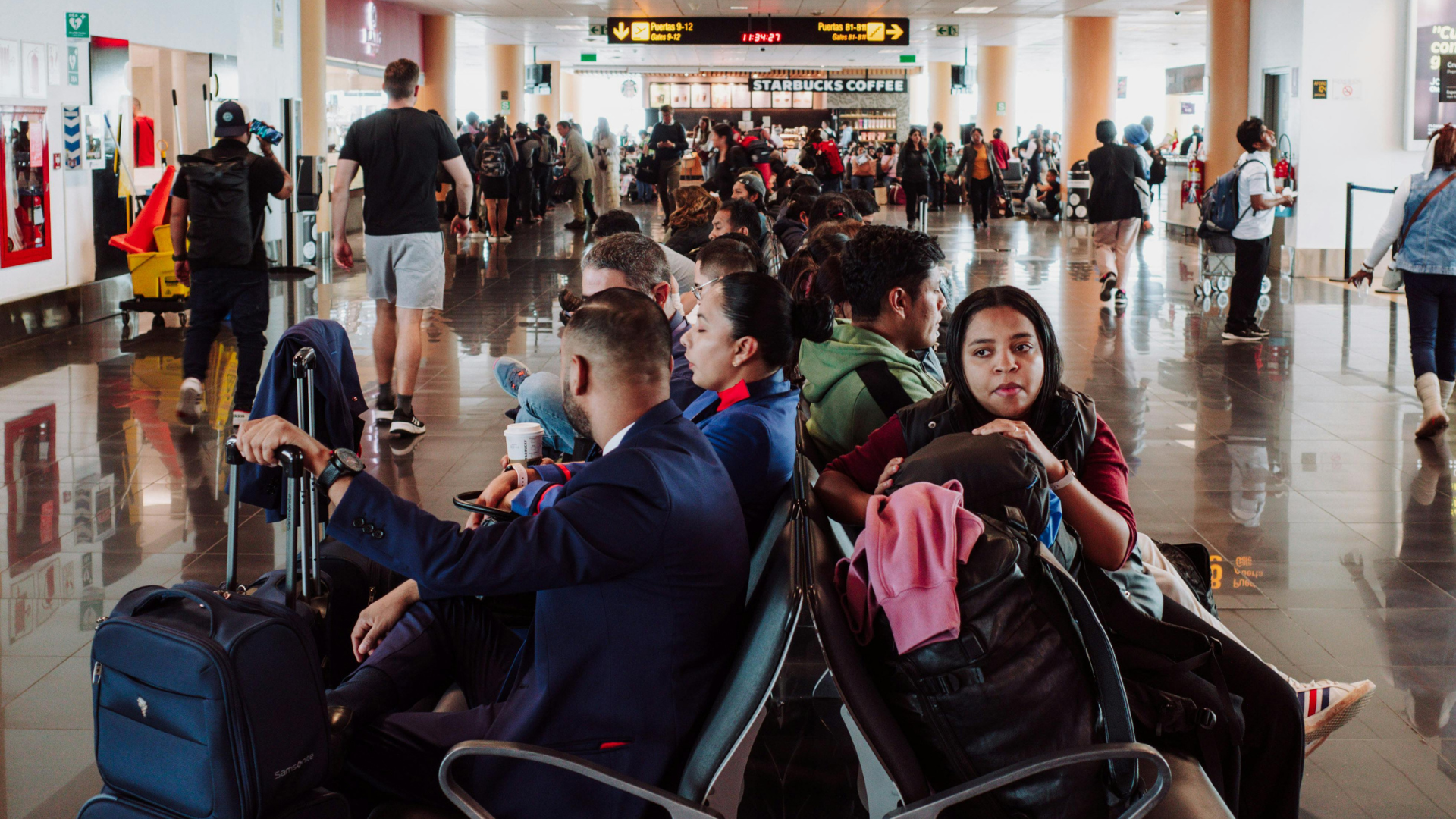
For travelers, the impact is immediate and often frustrating, with canceled flights, last-minute itinerary changes, and rising ticket prices becoming more common. In some cases, airfare has surged by 20 to 50 percent on routes that are still operating, making travel more expensive and less predictable for passengers.
The effects are also being felt beyond airlines, as cruise lines and other travel sectors introduce surcharges to cope with higher fuel costs. This broader impact highlights how deeply fuel prices are tied to global travel, affecting nearly every aspect of the industry from ticket pricing to route availability.
What This Means For The Future Of Air Travel
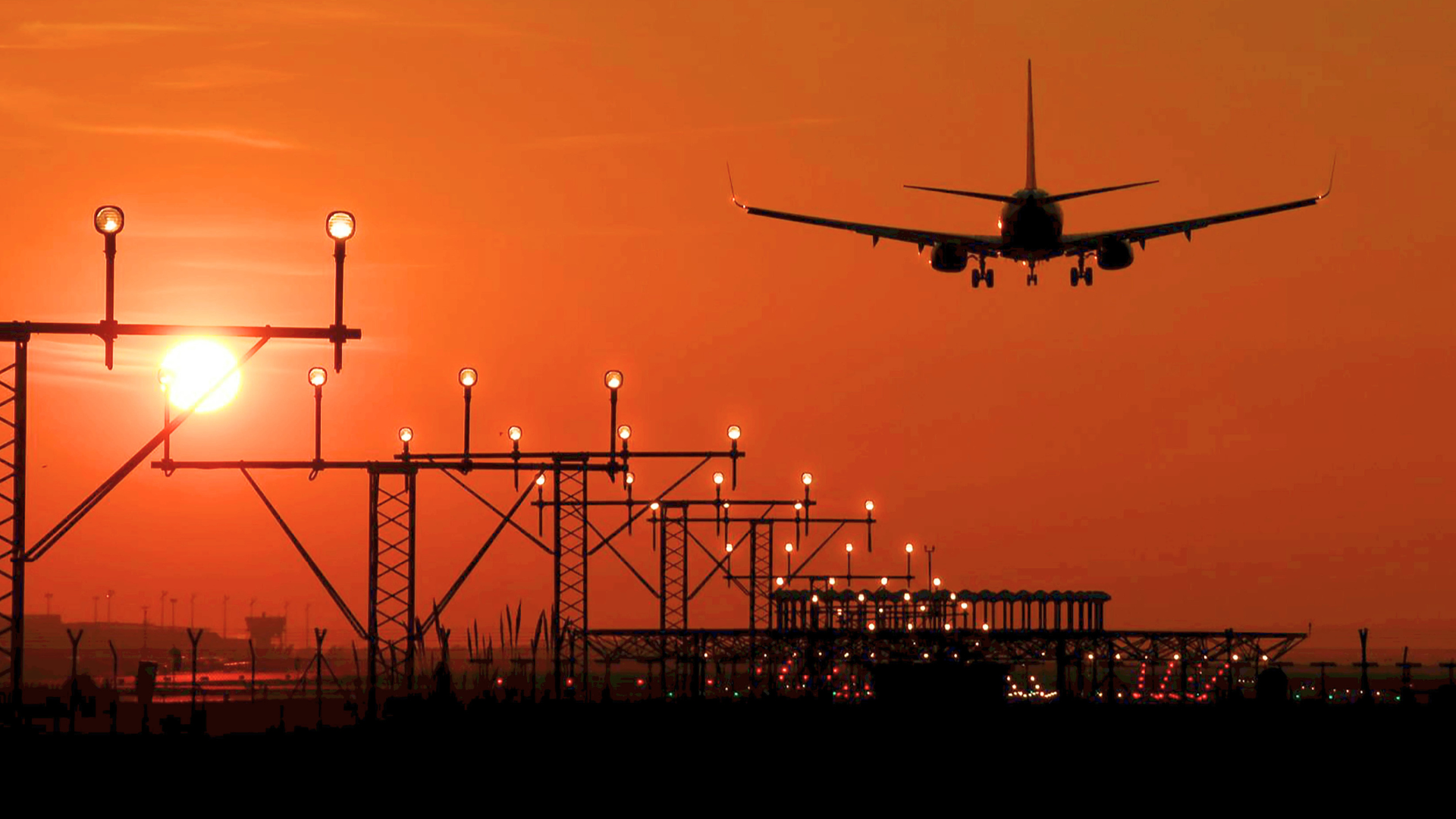
As fuel prices continue to climb, the aviation industry faces an uncertain future where flexibility and cost management will be critical for survival. Airlines may need to permanently adjust their strategies, focusing on efficiency, route optimization, and alternative revenue streams to remain competitive in a volatile market.
For travelers, this could mean higher prices, fewer flight options, and a greater need to plan ahead to avoid disruptions. Booking earlier, choosing flexible tickets, and staying informed about airline changes may become increasingly important as the situation evolves.
Ultimately, the current wave of cancellations serves as a reminder of how interconnected global systems are, with fuel markets, geopolitical events, and transportation networks all influencing the way people move around the world. As the industry adapts, both airlines and passengers will need to navigate a new reality shaped by rising costs and shifting travel conditions.