Elon Musk Announces Terafab Project to Double Entire US Chip Production Capacity
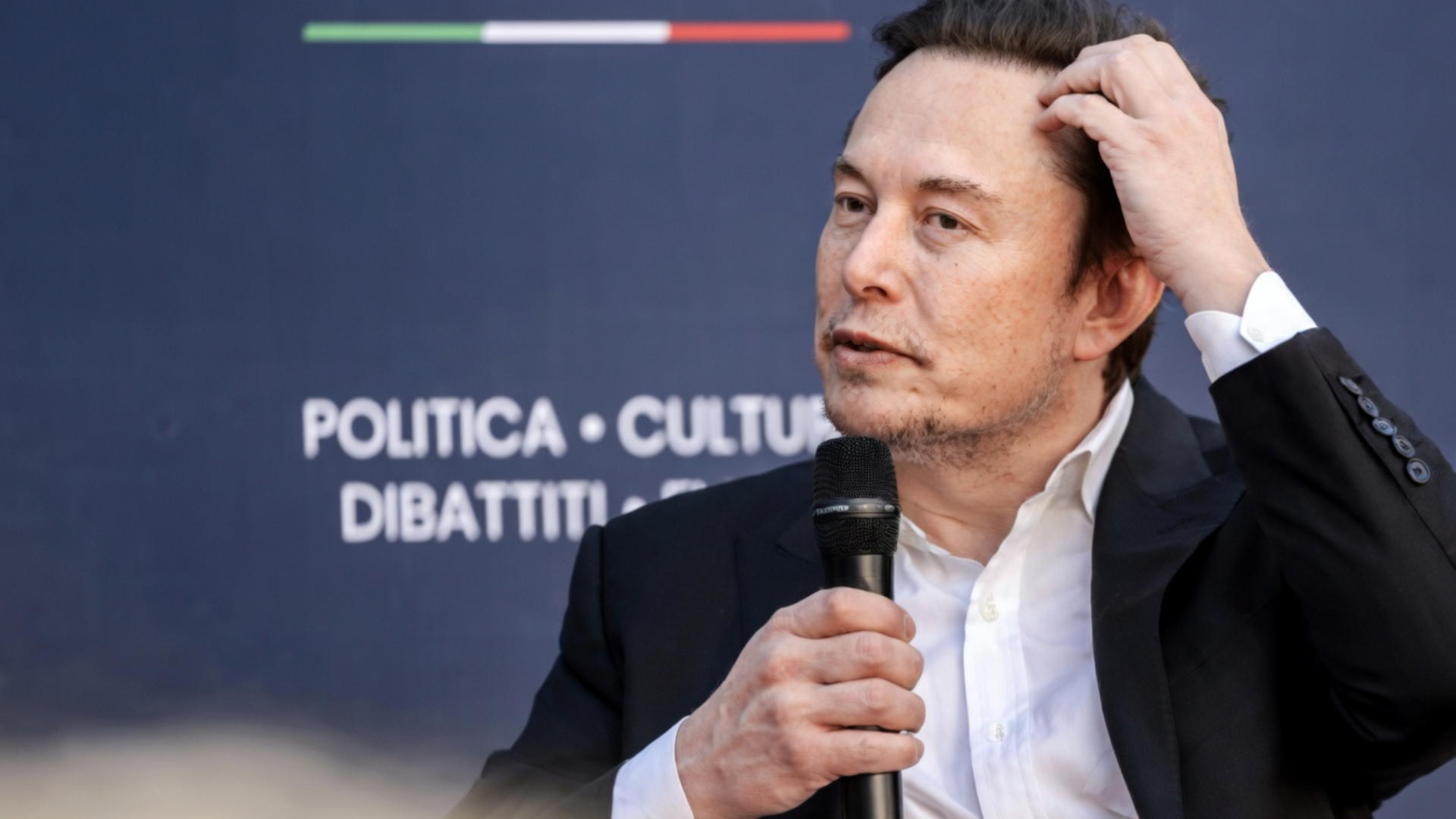

The United States currently produces roughly 3% of what Elon Musk says his companies will eventually need in computer chips. His solution is not to wait for existing suppliers to catch up. On a Saturday in Austin, Texas, Musk announced Terafab; a joint venture between Tesla, SpaceX, and xAI that he claims will become the largest chip manufacturing facility ever built, with an ambition so large it would reshape the global semiconductor industry if it ever gets off the ground.
The project carries a price tag of $20 to $25 billion and would be built across two facilities in Austin. One factory would produce chips for Tesla vehicles and Optimus humanoid robots. The other would manufacture specialized chips designed specifically for AI satellites operating in space. Together, Musk says the two plants would eventually generate one terawatt of computing capacity per year — double the entire current output of the United States, and a figure that made the semiconductor industry stop and pay attention.
To put the physical scale in perspective: Terafab at full buildout would exceed 100 million square feet, making it more than 12 times the size of Samsung’s existing Texas facility. It would require thousands of acres of land and more than 10 gigawatts of power at peak capacity. Musk has offered no formal timeline for completion. What he has offered is a single declarative sentence that frames the entire project: “We either build the Terafab or we don’t have the chips.” The question the industry is now asking is whether he actually can.
Chips for Cars, Robots, and Outer Space: The Logic Behind Vertical Integration
Musk’s pitch for Terafab is rooted in a familiar argument: if the world can’t give you what you need, build it yourself. He has applied this logic before; to rocket engines, battery cells, and AI supercomputers. With semiconductors, he is applying it at a scale no private company has ever attempted. The goal is to consolidate every stage of chip production under one roof, from initial design all the way through final testing, eliminating dependence on a global supply chain he believes cannot scale fast enough.
The two facilities serve distinctly different purposes. The terrestrial factory targets the computing demands of Tesla’s expanding vehicle lineup and its Optimus robot program, both of which require enormous volumes of specialized chips that current suppliers are struggling to provide at the pace Musk needs. The second factory pushes into genuinely uncharted territory: hardened chips built to survive the radiation and temperature extremes of orbital environments, designed to power a network of AI data centers operating from space-based satellites.
At full output, Terafab’s production would rival approximately 70% of TSMC’s current global manufacturing capacity. A figure that places Musk in direct competition with the most dominant chipmaker on the planet. TSMC, Samsung, and Micron have each spent decades and hundreds of billions of dollars building their positions in this industry. Musk is proposing to close much of that gap within a single facility, in Texas, on a timeline he has not yet specified. That gap between ambition and demonstrated capability is where the skeptics live.
The Cheerleaders, the Critics, and the Track Record That Complicates Everything
Texas Governor Greg Abbott was quick to celebrate the announcement, framing Terafab as a landmark economic win for the state. The project, if built as described, would bring thousands of jobs and massive infrastructure investment to the Austin region. On that level, the political enthusiasm is easy to understand. But industry analysts have been considerably more measured, pointing to a set of structural challenges that go well beyond enthusiasm and press releases.
Building an advanced semiconductor fabrication plant is among the most technically demanding construction projects in human industry. Even with unlimited capital, fabs of this complexity take years to design, build, validate, and bring to yield. Critics have also flagged the space-based data center concept as largely unproven at the scale Musk is describing, with Terafab’s plan to dedicate 80% of its output to orbital AI satellites adding a layer of logistical and engineering risk that no one has successfully navigated before. The ambition is real. The roadmap remains thin.
Then there is the timeline problem. Musk’s companies have a well-documented history of announcing bold deadlines and missing them; sometimes by months, sometimes by years. Full self-driving, the Cybertruck launch, Starship’s early test schedule, and the Optimus robot rollout have all arrived later than originally promised. That pattern doesn’t make Terafab impossible. But it does mean that industry observers are discounting the most optimistic projections, and watching Tesla’s financial position closely as the company simultaneously guides for more than $20 billion in capital expenditure for 2026 while managing declining automotive margins.
Reshoring, Risk, and the Bigger Question Terafab Forces Us to Ask
If Terafab succeeds, the implications extend well beyond Elon Musk’s companies. The United States has spent the past several years pouring billions into domestic semiconductor production through legislation like the CHIPS Act, driven by the recognition that dependence on overseas fabs represents a serious national security vulnerability. A facility producing double the country’s current chip output, built and operated by American companies, would represent a dramatic acceleration of that reshoring effort, regardless of who owns it.
The financing picture, however, remains genuinely uncertain. Analysts have noted that Tesla’s declining margins and heavy capital commitments may require the company to pursue equity raises to fund its share of Terafab’s construction, which would dilute existing shareholders. Alternatively, the venture structure across Tesla, SpaceX, and xAI could distribute the financial burden but it also complicates governance, ownership, and the question of who controls output when the three companies’ chip needs inevitably conflict. None of these questions have been answered publicly.
What Musk has done, whatever ultimately gets built in Austin, is force a conversation the semiconductor industry was not quite ready to have. A single private actor announcing the capacity to produce chips at near-TSMC scale redraws the map of what is theoretically possible and raises a question that will take years to answer. The global chip shortage is real, the demand curve is accelerating, and the existing players are moving as fast as entrenched industries move. Whether Terafab is the future of American semiconductor power, or the most expensive announcement that never fully materializes, may depend on decisions that haven’t been made yet.