“I Hope No One Needs an MRI This Year”: Scientists Warns Trump War Sparks Global Helium Shortage and Hospital Shutdowns
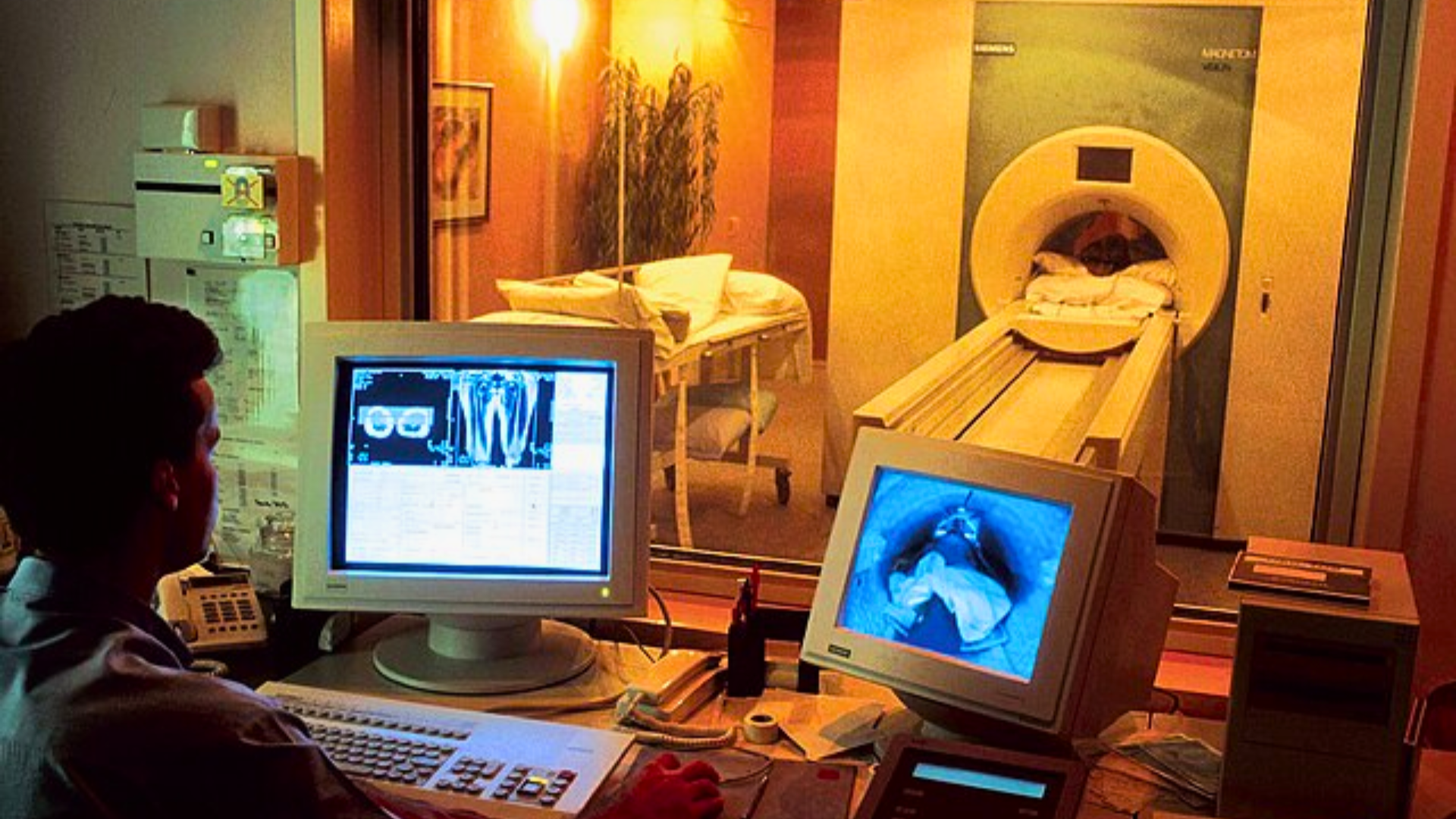

The sudden escalation of military conflict in the Middle East has triggered an unexpected and unreal domestic disaster: a nationwide helium shortage. While most associate the gas with party balloons, it is a critical medical resource with an extremely low boiling point, essential for keeping MRI scanners operational. As supply lines vanish, experts are sounding the alarm that hospital diagnostic tools could face a total shutdown.
The Strategic Shutdown of Qatar
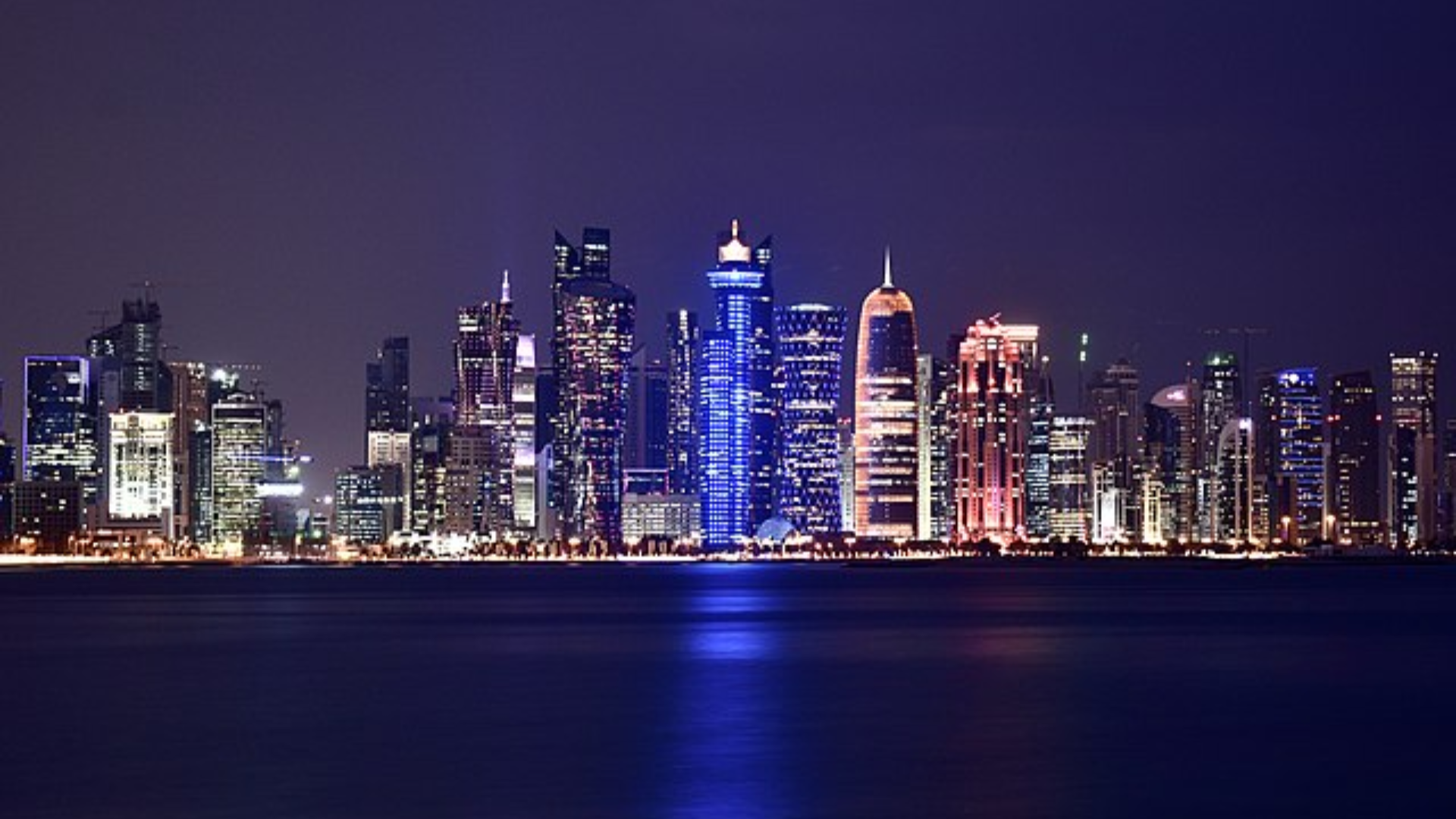
Qatar is the world’s largest producer of liquefied helium, supplying roughly one-third of the global market. However, production has ground to a halt following Iranian strikes on the country. These attacks targeted Qatar because it houses Al Udeid Air Base, the largest U.S. military installation in the Middle East, making the nation a primary target in the ongoing conflict.
Operation Epic Fury’s Medical Fallout
The crisis stems directly from Operation Epic Fury, the U.S.-led campaign against Iran authorized by the Trump administration. While the war immediately sent energy and oil prices skyrocketing, the loss of helium production was an unpredicted side effect for many. Critics, including Senator Chris Murphy, have blasted the administration for a lack of planning regarding the war’s global resource fallout.
University Hospitals Face 50% Cuts

The impact is already hitting major American institutions, including the University of Missouri. Marc Johnson, a virologist and professor at the university, revealed that gas suppliers have notified the institution that they can only fulfill half of their regular consumption. This at least 50% cut poses an immediate threat to the university hospital’s ability to perform routine and emergency medical imaging.
Why MRIs Can’t Run Without It
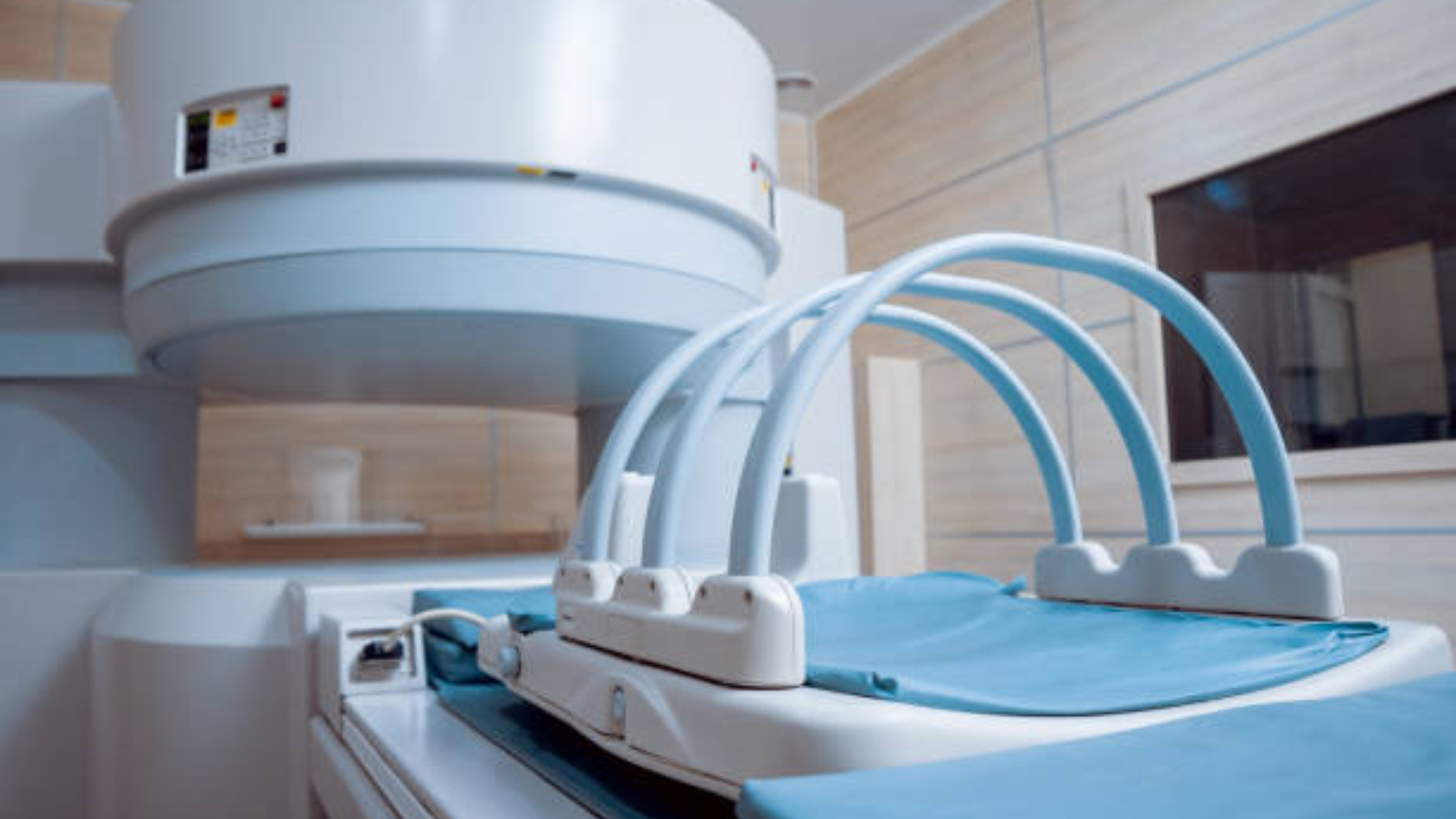
MRI machines rely on superconducting magnets that must be kept at temperatures near absolute zero to function. Liquid helium is the only element capable of maintaining this extreme cold. Without a steady supply to replace boiled-off gas, the magnets can quench, potentially causing permanent damage to multi-million dollar equipment and halting patient scans indefinitely.
Beyond Imaging: Surgery and Research
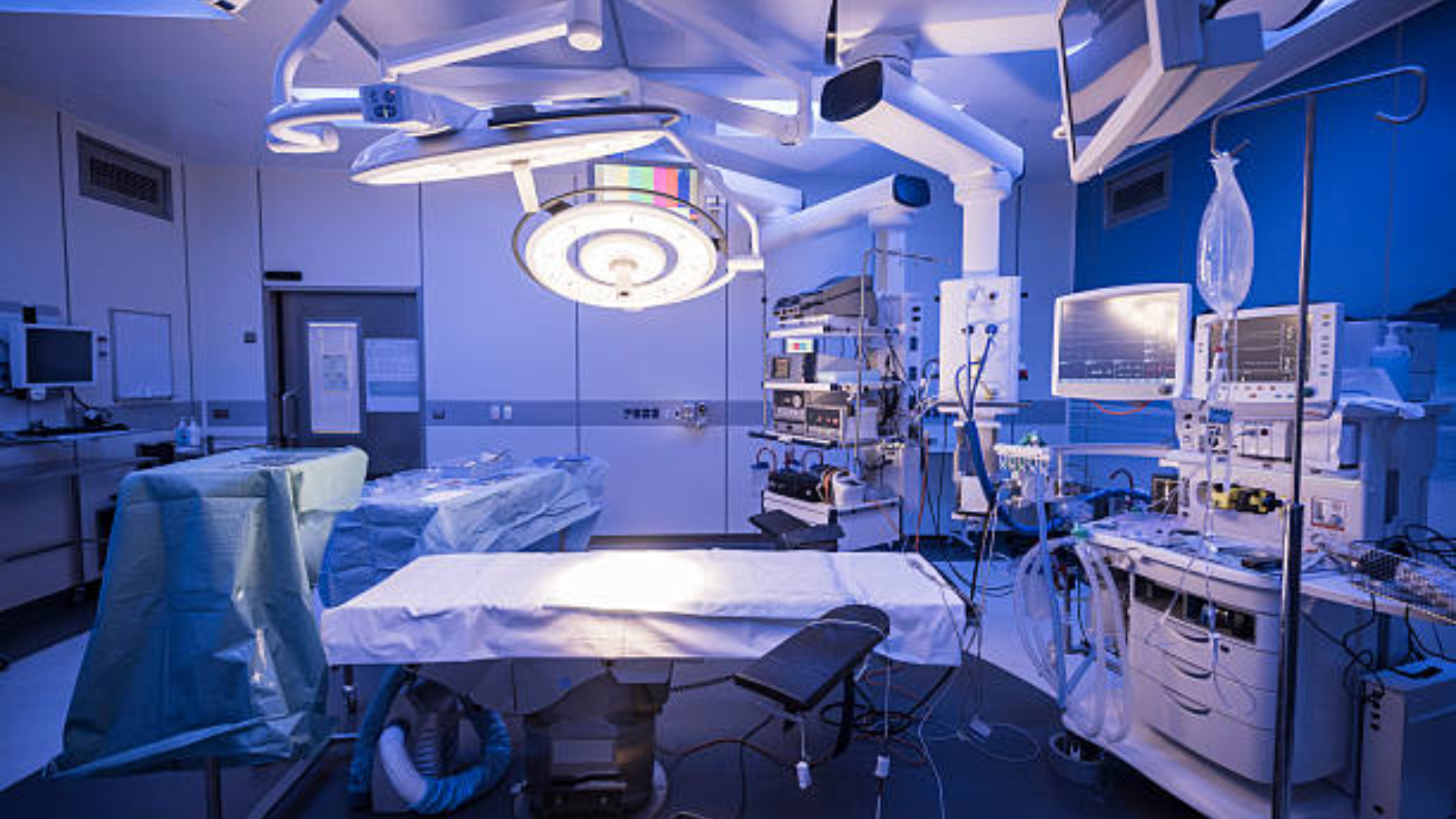
The shortage extends past the radiology department into other critical areas of modern medicine. Helium is utilized in specific types of high-tech surgeries and is a staple in laboratory research across the country. As universities and hospitals receive notices of diminished supplies, life-saving research projects and specialized surgical procedures are being placed on hold.
A Predicted Disaster or Total Surprise?
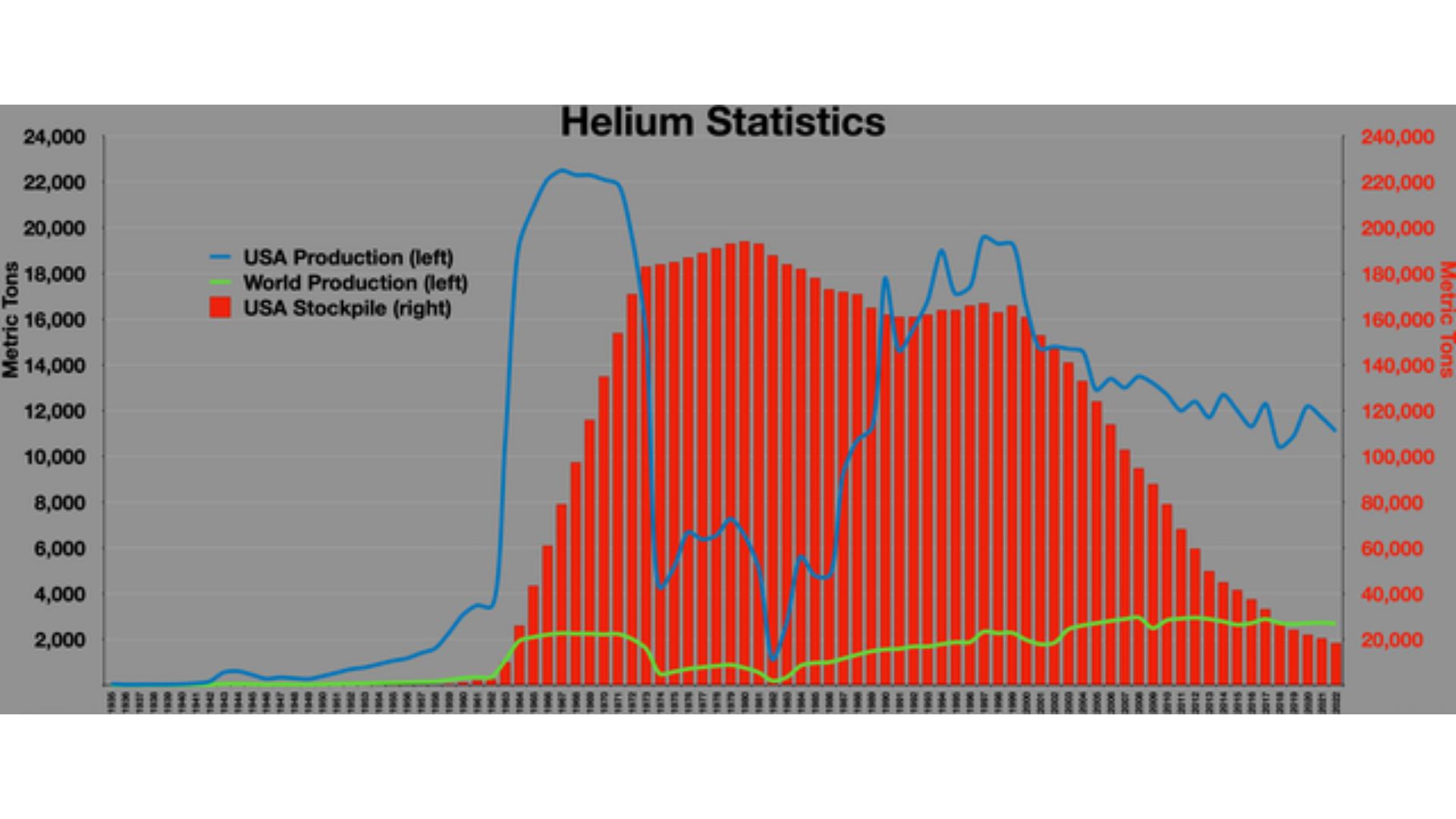
Professor Marc Johnson noted on social media that while the shortage seems sudden, it was entirely predictable for anyone considering the geography of global resources. No one could have predicted this (unless they thought about it), Johnson remarked, highlighting the vulnerability of the global supply chain. The reliance on a single region for 33% of a critical medical gas has created a single point of failure.
Political Backlash Over Lack of Planning

The revelation of the shortage has sparked a firestorm in Washington D.C.. Senator Chris Murphy criticized the administration on X, stating it is unreal how little thought went into the consequences of starting a massive war. The lack of a helium stockpile or a contingency plan for medical facilities has left hospitals scrambling to find alternative suppliers in a dried-up market.
The Rising Cost of Care
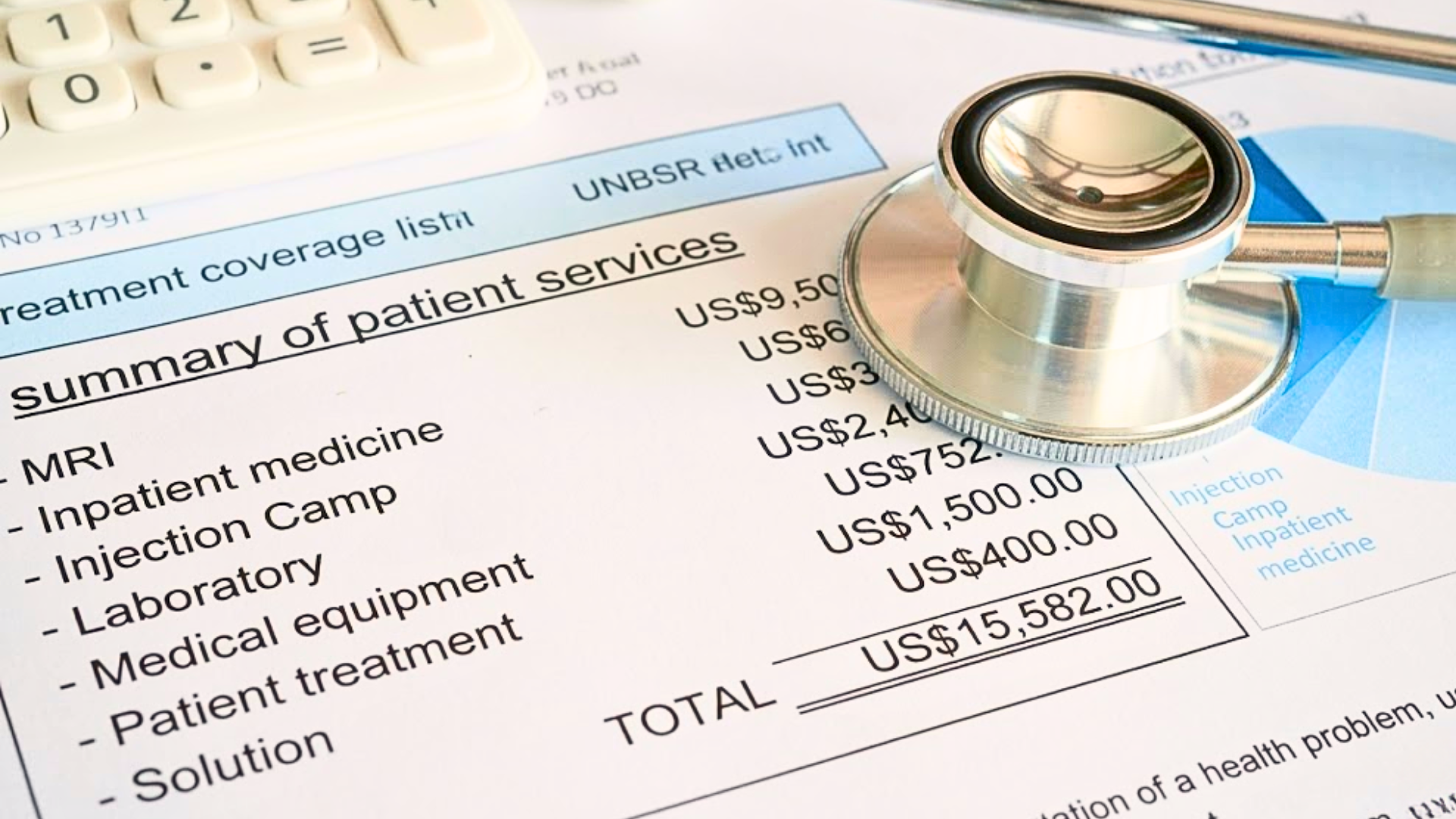
As helium becomes a rare commodity, the cost of maintaining existing medical equipment is expected to surge. Similar to the spike in oil prices caused by the conflict, helium inflation will likely be passed down to patients and insurance providers. For facilities already struggling with 50% supply drops, the financial and operational strain is reaching a breaking point.
A Nationwide Warning to Patients

The message from the scientific community is grim: The helium shortage is real and there will be consequences. As long as production in Qatar remains offline due to the war, the kill list for medical services may continue to grow. For now, patients requiring high-tech diagnostics may find themselves caught in the crossfire of a global resource war.