Nuclear Waste Site in the Marshall Islands Is Cracking, Raising Fears of Radiation Exposure
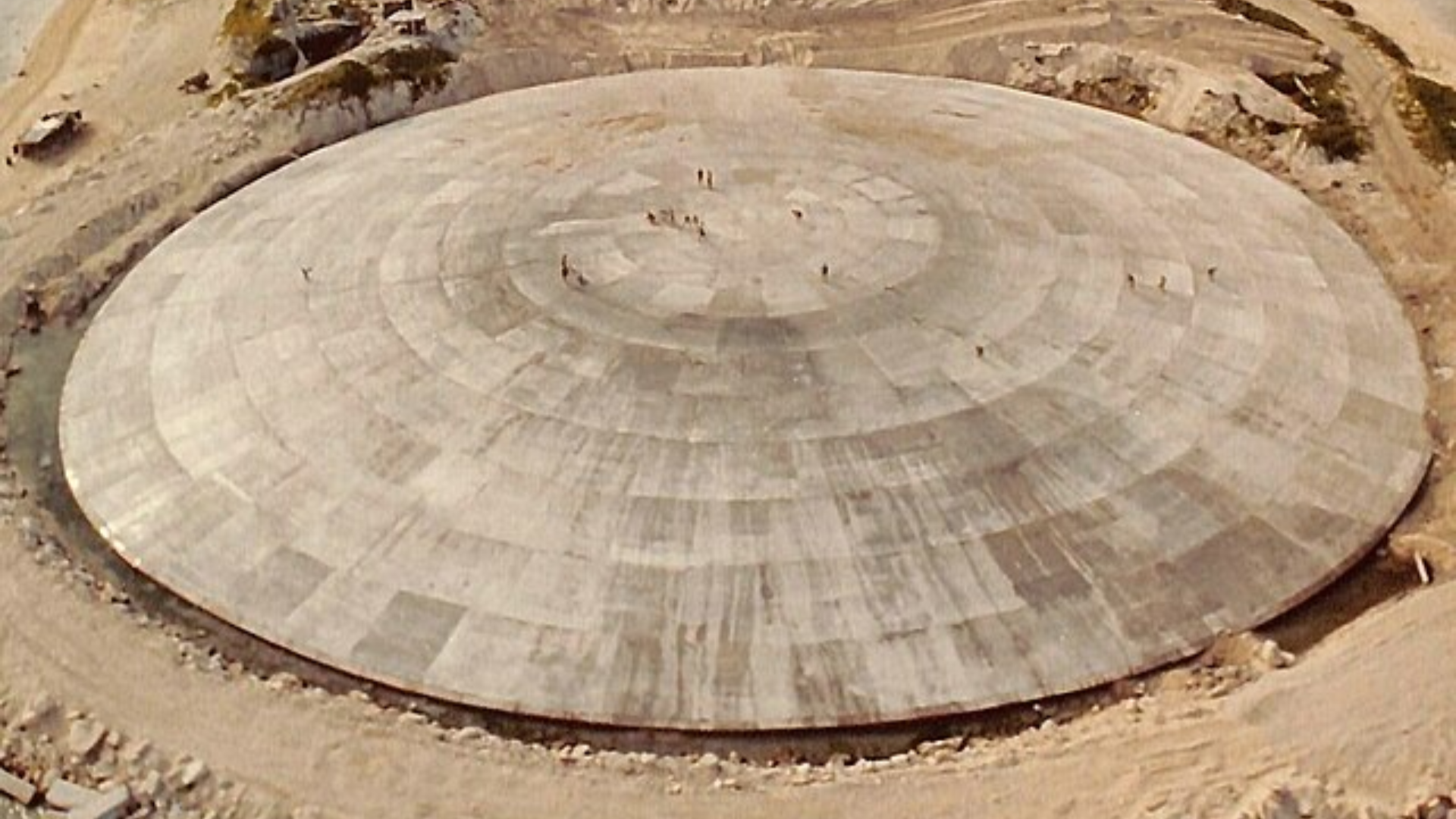

A remote nuclear waste site in the Pacific Ocean is drawing renewed attention after visible cracks appeared in the structure designed to contain radioactive debris from Cold War–era nuclear tests. The site, known as the Runit Dome, sits on Runit Island within the Enewetak Atoll in the Marshall Islands. Built in the late 1970s, the massive concrete cap covers a crater filled with contaminated soil, debris, and radioactive material left behind by nuclear detonations conducted by the United States between 1946 and 1958.
The dome holds more than 120,000 tonnes of radioactive soil and debris that were scraped from surrounding islands after decades of nuclear testing. Workers dumped the contaminated material into a large blast crater and sealed it with a thick concrete cap roughly 18 inches thick. The structure became known locally as “The Tomb,” symbolizing both the scale of the contamination and the uncertain long-term safety of the site.
Now, nearly half a century later, scientists and environmental advocates say the dome is beginning to show signs of deterioration. Cracks have been spotted along the concrete surface, raising questions about whether the structure can withstand rising sea levels and stronger storms linked to climate change. Because the dome sits just above sea level on a low-lying island, experts worry that long-term erosion could eventually compromise the containment system.
A Cold War Nuclear Dump Hidden in the Pacific
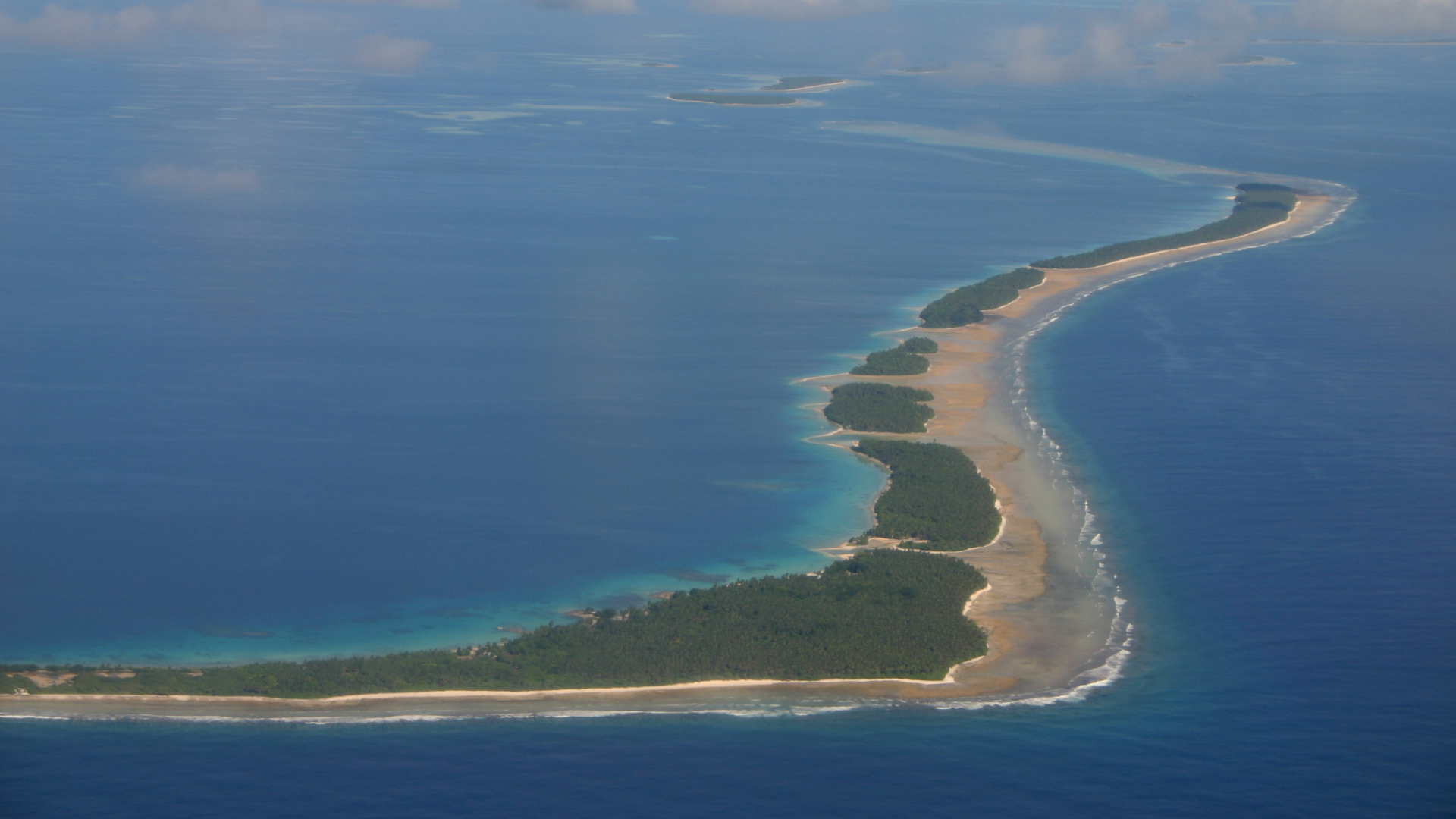
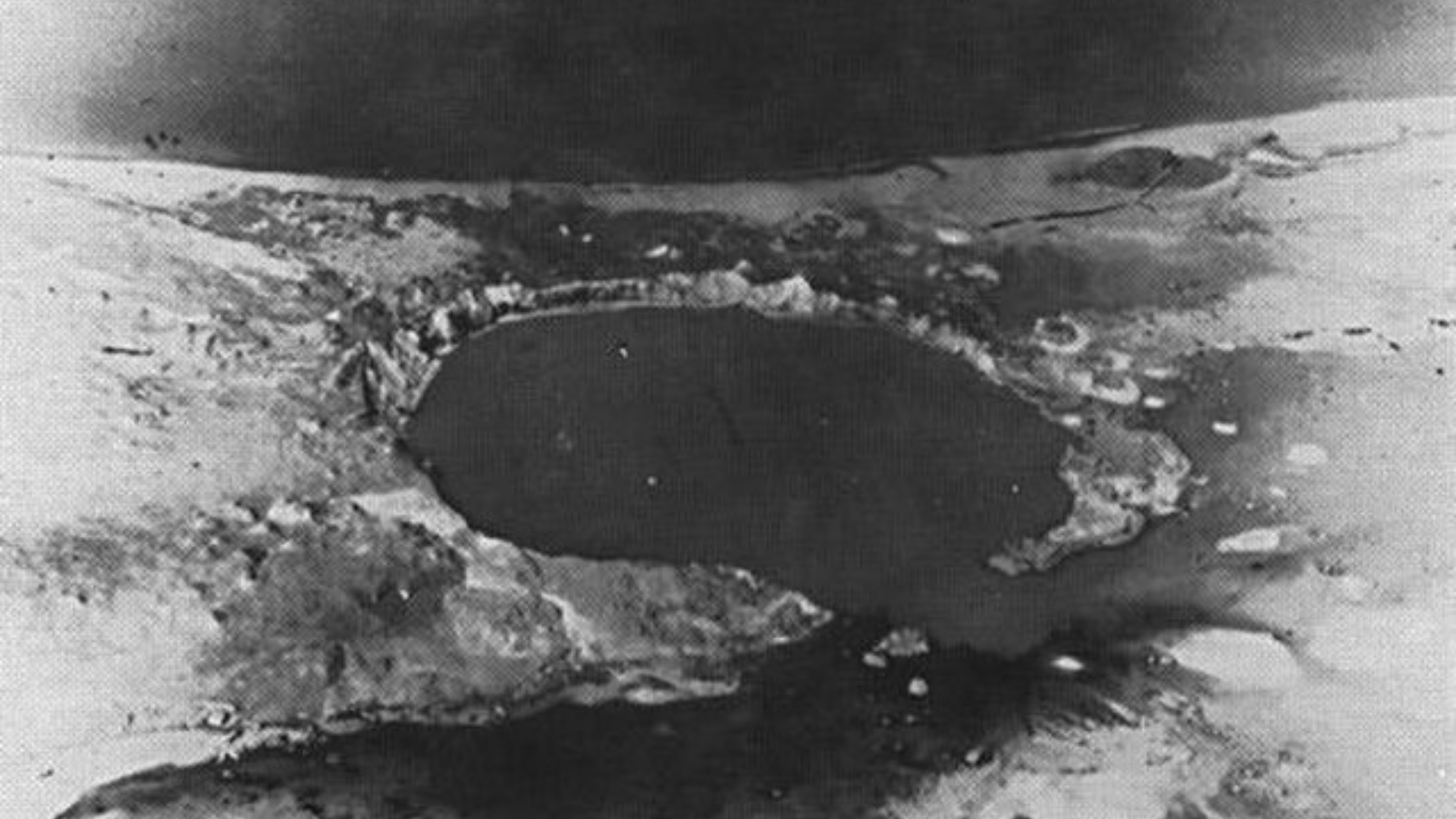
The origins of the Runit Dome date back to the early Cold War period, when the United States conducted 67 nuclear weapons tests across Bikini and Enewetak atolls. Entire Marshallese communities were relocated so the testing program could proceed, leaving long-lasting environmental contamination across multiple islands. One detonation, known as the “Cactus” test, blasted a large crater into Runit Island, later used as the dumping site for radioactive debris.
In the late 1970s, approximately 4,000 U.S. servicemen were involved in a massive cleanup operation. Their task was to gather radioactive soil and waste scattered across nearby islands and transport it to the crater on Runit Island. Once the material was piled inside the pit, the crater was sealed with a concrete dome, creating the containment structure that still exists today.
Despite the effort, critics have long argued that the structure was never intended to be a permanent solution. The crater beneath the dome was not fully lined with protective material, allowing seawater and groundwater to move in and out beneath the structure with the tides. This has fueled ongoing concerns that radioactive elements could slowly leak into surrounding soil and lagoon waters.
Cracks, Rising Seas, and Growing Environmental Concerns
Recent inspections and research have documented cracks appearing in the dome’s aging concrete cap. Scientists say these fractures are consistent with long-term weathering, but they still raise concerns about the structure’s future stability. The dome was built decades ago without anticipating the accelerated impacts of climate change that are now affecting many Pacific island nations.
Sea level rise is considered one of the most serious risks facing the Marshall Islands. Many of the country’s islands sit only a few feet above sea level, making them particularly vulnerable to flooding and storm damage. Experts warn that stronger storms or higher tides could eventually weaken the dome or cause erosion around its base.
Scientists who have studied radiation levels around the site have found traces of contamination in nearby soil and sediment samples. While U.S. authorities say the dome is not currently in danger of immediate collapse, researchers worry that its long-term integrity could be compromised as environmental pressures increase.
A Lingering Nuclear Legacy in the Pacific
The situation surrounding the Runit Dome highlights the enduring legacy of nuclear testing in the Pacific. More than seventy years after the first explosions, communities in the Marshall Islands are still dealing with the environmental and health consequences of those experiments. For many residents, the dome represents an unresolved chapter of Cold War history that continues to affect their land and livelihoods.
Although government agencies maintain that the structure remains stable for now, the visible cracks and rising sea levels have intensified calls for renewed monitoring and possible repairs. Some scientists argue that international cooperation may be necessary to ensure the long-term containment of the radioactive material buried on the island.
As climate change accelerates and sea levels continue to rise, the fate of the Runit Dome has become more than just a local concern. Researchers say it serves as a reminder that environmental decisions made decades ago can have consequences that last for generations, and that safeguarding vulnerable communities will require sustained attention and global responsibility.