Trump Reverses Course on Federal Job Cuts, New Hiring Spree Targets ‘Loyal’ Workers
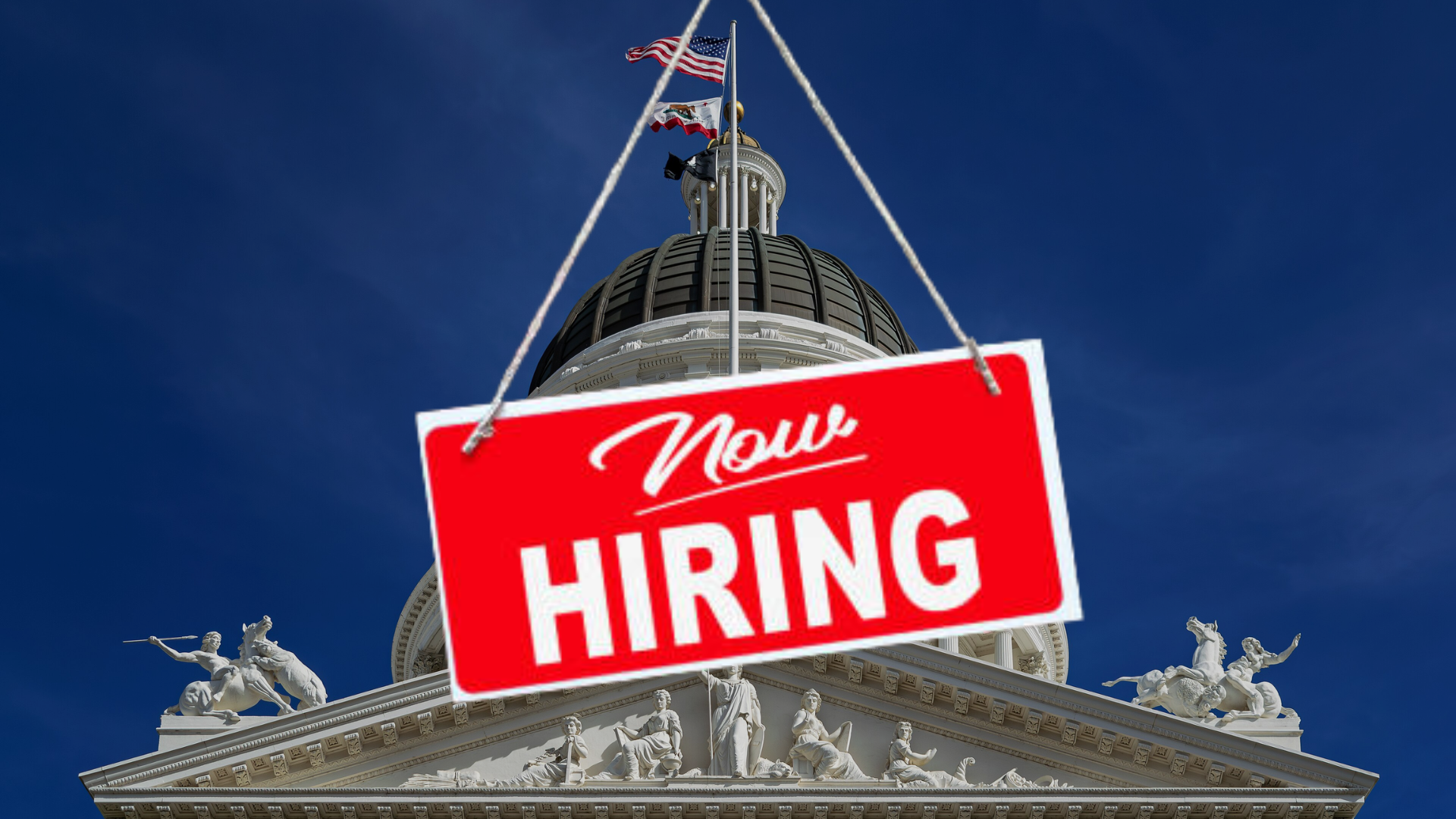

The Trump administration has officially pivoted from a year of historic government downsizing to a sudden, aggressive recruitment campaign. After a relentless purge led by the Department of Government Efficiency (DOGE) saw hundreds of thousands of civil servants removed, the White House is now moving to refill those vacancies. This unexpected shift marks a new phase in the president’s effort to reshape the federal bureaucracy from the inside out. The quiet retreat from mass layoffs suggests that the initial restructuring may have cut deeper than the administration intended.
While the early days of the administration were defined by a hiring freeze and the elimination of entire agencies, the new mandate focuses on rebuilding specific critical sectors. Office of Personnel Management head Scott Kupor admitted that the government over-restructured in several key areas, leaving operational blind spots that now require urgent attention. This reversal comes as a surprise to many who believed the era of the large-scale federal workforce was over. However, the new version of the bureaucracy looks significantly different from the one that was dismantled just months ago.
The bridge to this new era of government is built on a foundation of ideological alignment rather than traditional nonpartisan service. New job classifications have been created to streamline the hiring of individuals who are explicitly committed to the president’s Homeland Defender vision. Forward-pull lines in internal memos suggest that while the administration is hiring again, the civil service is over. What officials found after the cuts were made has forced a reality check that is now changing everything.
The Reality of the “Loyal” Rebuild
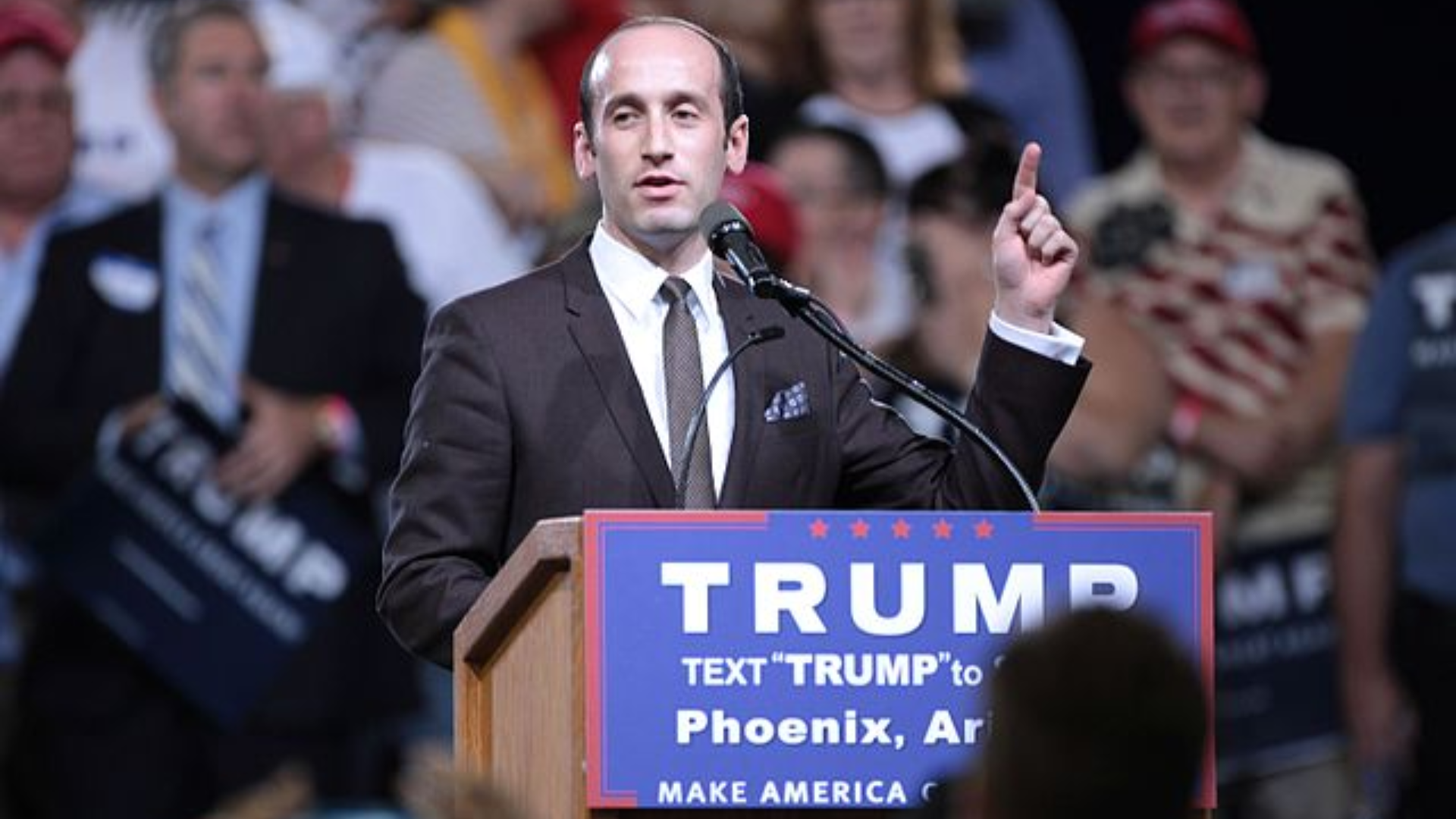
The rebuilding effort is being spearheaded by the Office of Personnel Management (OPM) under Scott Kupor, with significant behind-the-scenes influence from Deputy Chief of Staff Stephen Miller. Miller has emphasized a Tech Force initiative, a two-year program partnering with Silicon Valley giants like OpenAI and Meta to inject fresh, ideologically aligned talent into federal agencies. These new roles are not just about filling chairs; they are designed to bypass traditional civil service protections that historically kept the government nonpartisan. By centralizing hiring decisions in the White House, the administration is ensuring that new recruits are loyal to the current agenda.
The physical scale of the vacancies created by the previous year’s cuts is staggering, with agencies like the Cybersecurity and Infrastructure Security Agency (CISA) losing nearly 40% of their staff. Experts warn that these blind spots have left domestic infrastructure vulnerable to cyberattacks from foreign adversaries. Grounding the story in concrete reality, job postings for immigration services now explicitly ask applicants to explain how they will defend your culture. This shift in language marks a departure from standard government recruitment, signaling a move toward a more polarized federal workforce.
Despite the surge in new postings, the administration is facing a tight labor market and a 50% drop in job applications at the Department of Veterans Affairs. Secretary Douglas A. Collins has noted that the government cannot compete with private-sector salaries for specialists like anesthesiologists, who can earn upwards of $600,000 elsewhere. This disconnect between the desire for a loyal workforce and the practical need for high-level expertise is creating a friction point. The administration’s refusal to rehire those previously purged further narrows the pool of available talent.
The Impact of the Expertise Gap

The pivot from slashing to hiring has introduced a concerning element: the loss of institutional memory. At agencies like USAID, internal memos reveal a strict ban on rehiring former employees, even as contractors, to avoid impaired objectivity. This means that the very people who know how to close out complex global programs are legally barred from helping. As these experienced hands are replaced by younger, politically aligned Tech Force workers, the risk of mismanagement increases. This local reshuffling of the D.C. workforce reflects a broader pattern of replacing expertise with ideology.
Larger implications of this shift are already being felt by the average citizen in the form of service delays. At the Social Security Administration, IT specialists and policy analysts have been reassigned to answer phones as call volumes surge and staffing levels remain 7,000 below previous levels. While the administration promises a more responsive government, the current reality is a struggle to maintain basic functions. The war on the bureaucracy has transitioned into a struggle to keep the lights on in essential departments that millions of Americans rely on for their daily lives.
Critics and former officials are widening the scope of their warnings, suggesting that the Homeland Defender model could lead to a government that is more focused on culture wars than service delivery. Expert warnings suggest that without subject-matter experts, the government’s ability to handle international crises or domestic economic shifts is severely diminished. The controversy angle is clear: by treating the civil service as a political prize, the administration may be eroding the very stability that the American taxpayer expects from their government.
What This Means for the Future

The administration remains committed to its vision of a leaner, more effective government, even as it ramps up recruitment. Officials credit the initial cuts with eliminating waste and fraud, though the government actually spent more in 2025 than it did the previous year. The current hiring spree is framed as a strategic rebranding of the government as a launchpad for young, tech-savvy professionals. However, the success of this plan hinges on whether these new recruits can perform the complex tasks previously handled by decades-long experts.
The return to urgency is driven by the reality of the 2026 filing season and the backlog of veteran healthcare needs. With the IRS having onboarded only 2% of its hiring target for tax processing, the immediate future looks chaotic for the average taxpayer. If these vacancies are not filled with competent workers—loyal or otherwise—the government’s core responsibilities could begin to spiral. The forward-looking consequences of a politicized bureaucracy are now the central theme of the upcoming election cycle, with both sides debating the value of expertise versus alignment.
The Great Reversal proves that even the most aggressive attempts to dismantle the Deep State must eventually reckon with the practical need for people to do the work. The administration’s attempt to build a new bureaucracy in its own image is a high-stakes gamble with the nation’s infrastructure. In the end, we may find that while you can fire an expert in a day, it takes a generation to replace the wisdom they took with them.