Scientists Reveal Massive ‘Gravity Hole’ Hidden Beneath Antarctica’
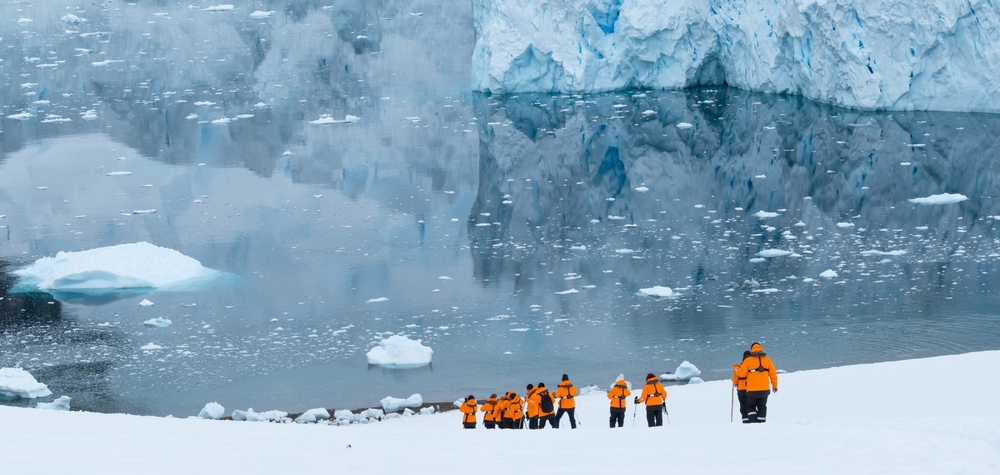

Gravity feels constant and dependable, but beneath Antarctica it is weaker than anywhere else on Earth. Scientists have now reconstructed how this enormous “gravity hole” formed deep below the frozen continent and how slow-moving rock inside the planet over tens of millions of years may have helped shape Antarctica’s climate history.
Earth’s Deepest Gravity Low

After accounting for Earth’s rotation, the weakest gravitational pull on the planet sits over Antarctica in what scientists call the Antarctic Geoid Low (AGL). This is not a physical hole in the ground, but a vast dip in Earth’s gravity field caused by unusual density patterns in the mantle thousands of kilometers below the surface. Where gravity is weaker, ocean water shifts toward stronger gravitational zones, meaning sea level around Antarctica sits slightly lower relative to Earth’s center than it otherwise would, a subtle but measurable effect detected by satellites.
How Scientists “Scanned” the Planet

To uncover the origins of this gravity low, researchers from the University of Florida used seismic tomography, essentially a planetary-scale CT scan built from earthquake waves. When earthquakes travel through Earth, their waves change speed depending on the density and temperature of the material they pass through. By analyzing those signals, scientists constructed a three-dimensional map of the mantle beneath Antarctica.
Rewinding 70 Million Years
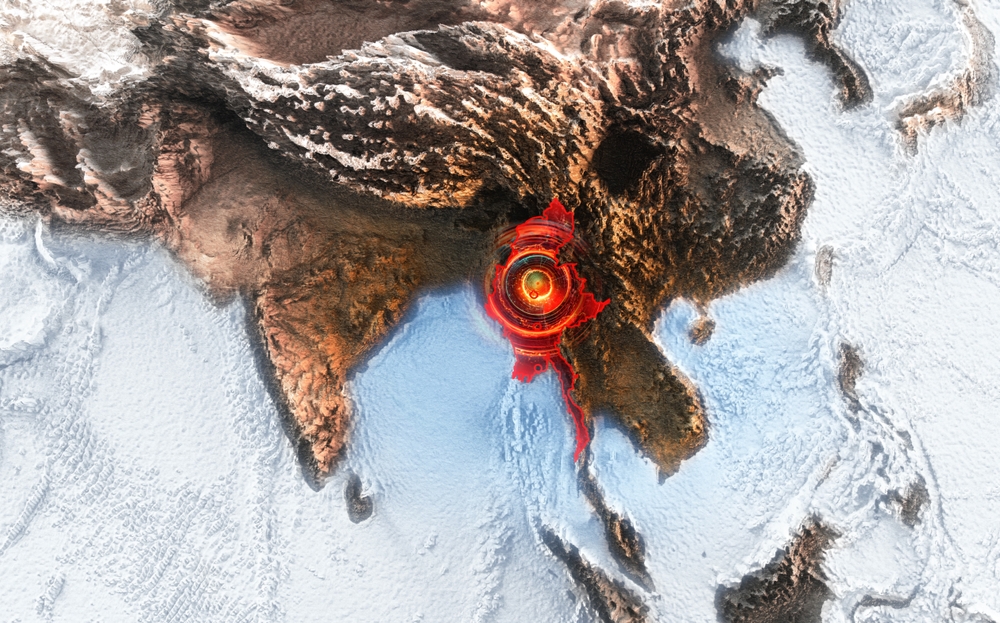
In the study, published in Scientific Reports, the team then combined those seismic maps with advanced mantle convection models that simulate the slow flow of rock deep inside Earth. Using powerful computer simulations, they effectively “rewound” mantle movement back 70 million years. The results closely matched modern satellite gravity measurements, strengthening confidence in their reconstruction.
A Major Shift 50–30 Million Years Ago
Although the Antarctic gravity hole has persisted for at least 70 million years, the models show it underwent a major strengthening and positional shift between about 50 and 30 million years ago. During this period, the amplitude of the gravity depression increased significantly, marking a critical transition in the evolution of the Antarctic Geoid Low.
The Deep Mantle’s Role

Early in the Cenozoic era, the gravity low was largely supported by density anomalies deep in the lower mantle, including ancient slabs of cold, dense rock that had sunk toward the core–mantle boundary. These deep structures provided a long-term, relatively stable contribution to the gravity signal beneath Antarctica.
Rising Hot Material Beneath the Ross Sea
Over the last 35 million years, however, shallower mantle contributions intensified. Broad, buoyant upwellings of hotter, less-dense material rose beneath the Ross Sea region, amplifying the gravity low. The interaction between long-lived sinking slabs and ascending hot mantle material reshaped Antarctica’s gravitational signature over geologic time.
A Climate Connection?
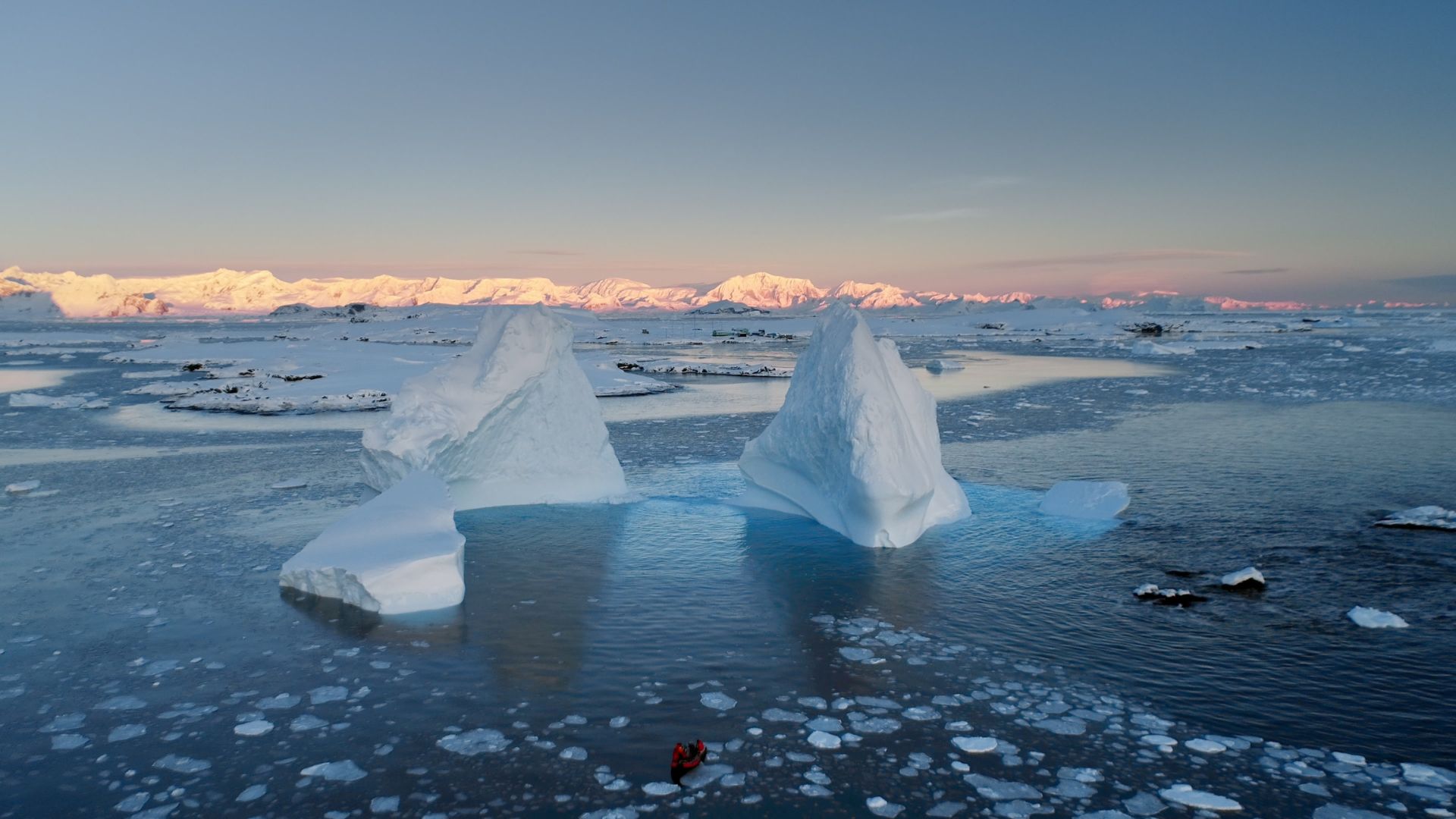
The timing of the gravity hole’s strongest shift, between roughly 50 and 30 million years ago, overlaps with major climatic transitions in Antarctica, including the onset of widespread glaciation around 34 million years ago. While no direct causal link has yet been proven, the overlap suggests deep-Earth processes and surface climate evolution may have been connected during this critical period.
Gravity, Sea Level, and Ice Sheets
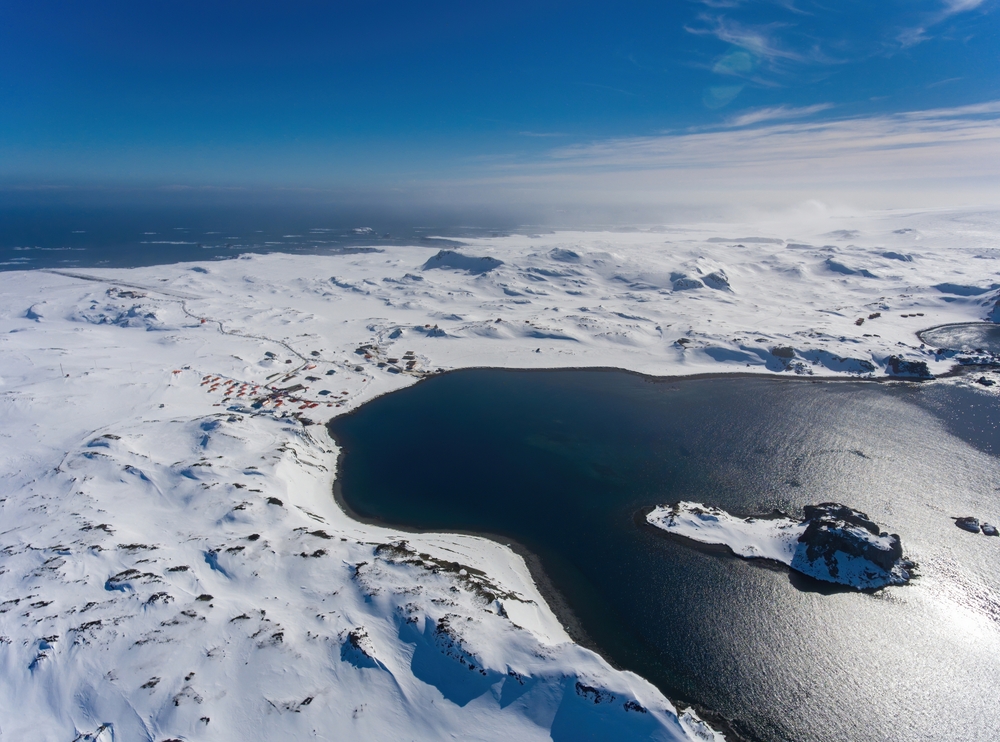
Because ocean surfaces follow the shape of the geoid, Earth’s gravitational contour, changes in gravity can influence relative sea level. When gravity weakens in one region, water flows toward stronger areas, subtly altering ocean height patterns. Researchers now plan to test whether the strengthening Antarctic Geoid Low may have influenced sea level conditions in ways that affected the growth and long-term stability of Antarctica’s massive ice sheets.
Why It Matters

The Antarctic Geoid Low demonstrates that Earth’s surface climate and oceans are shaped not only by atmospheric forces, but also by the slow, powerful circulation of rock deep within the mantle. Understanding how Earth’s interior reshapes gravity, sea level, and continental elevation over millions of years could improve long-term projections of ice sheet stability and global sea level and deepen our understanding of how closely Earth’s interior and climate system are intertwined.