Astrophysicist Insists ‘Aliens Exist’. Says It’s ‘Unrealistic’ to Believe Humans Are Alone in the Universe


Belief in extraterrestrial life is no longer confined to science fiction. Recent polling shows that more than half of Americans think intelligent life exists beyond Earth. The question has reentered mainstream debate amid congressional hearings and renewed UFO scrutiny. Into this discussion steps one of America’s most recognizable astrophysicists.
Tyson Calls Solitude “Unrealistic”
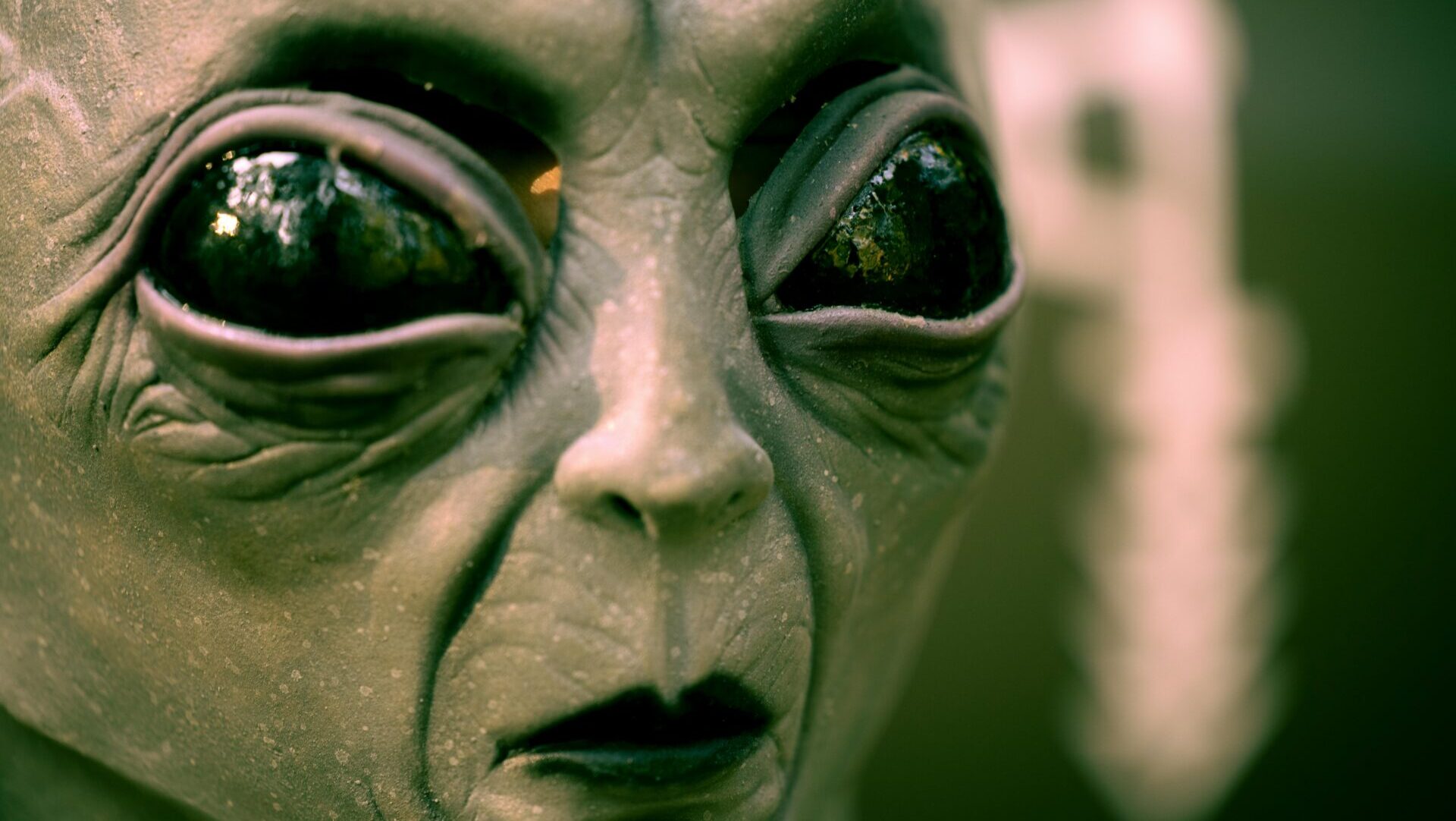
Speaking on Elizabeth Vargas Reports, Neil deGrasse Tyson argued that it is unrealistic to assume humanity is alone in the universe. He suggested that the sheer scale of cosmic space makes exclusivity improbable. For Tyson, the numbers alone invite humility. The universe is simply too vast to dismiss the possibility of life elsewhere.
Life’s Building Blocks Are Widespread
Astrochemical research has identified organic molecules throughout the cosmos. Scientists have detected water vapor, carbon compounds, and other ingredients essential to life on distant worlds and in interstellar clouds. Tyson has often emphasized that the chemistry of life is not unique to Earth. Where the ingredients exist, the potential for biology follows.
Curiosity Without Fear
Tyson has made clear that the prospect of alien life does not alarm him. On the contrary, he describes such a discovery as intellectually thrilling. Learning about other life forms would expand humanity’s scientific horizon. For him, discovery represents opportunity rather than threat.
UFO Claims Stir Congressional Action
Recent allegations from former intelligence officer David Grusch have intensified public debate. Grusch claimed that the government has concealed information about a long running crash retrieval program involving unidentified craft. These assertions prompted congressional hearings and legislative proposals aimed at increasing transparency. Lawmakers have pressed for the release of records related to unidentified aerial phenomena.
Data Over Speculation
Tyson has consistently urged caution when evaluating extraordinary claims. He stresses that science depends on verifiable, shareable evidence rather than anecdote. Observations alone are insufficient without reproducible data. For the scientific community, transparency is essential to validation.
The Limits Of Classified Knowledge
While advocating for evidence, Tyson also acknowledges the role of national security. He argues that if unknown objects pose a potential threat, military authorities are obligated to investigate. Some findings, he notes, may justifiably remain classified. Public disclosure must be balanced against security considerations.
Public Belief And Cultural Momentum
Polls indicate that belief in alien intelligence has become a majority position among Americans. Cultural fascination with UFOs has surged alongside media coverage and official terminology shifts toward UAP. Digital platforms amplify both curiosity and conjecture. The line between scientific inquiry and popular speculation often blurs.
The Scientific Standard Remains Unchanged
Despite heightened interest, the evidentiary bar for confirming extraterrestrial life remains high. Claims require rigorous testing and independent verification. Tyson has repeatedly emphasized that locked boxes and secret programs do not satisfy scientific standards. Evidence must be open to scrutiny to transform belief into knowledge.
The Universe Awaits An Answer
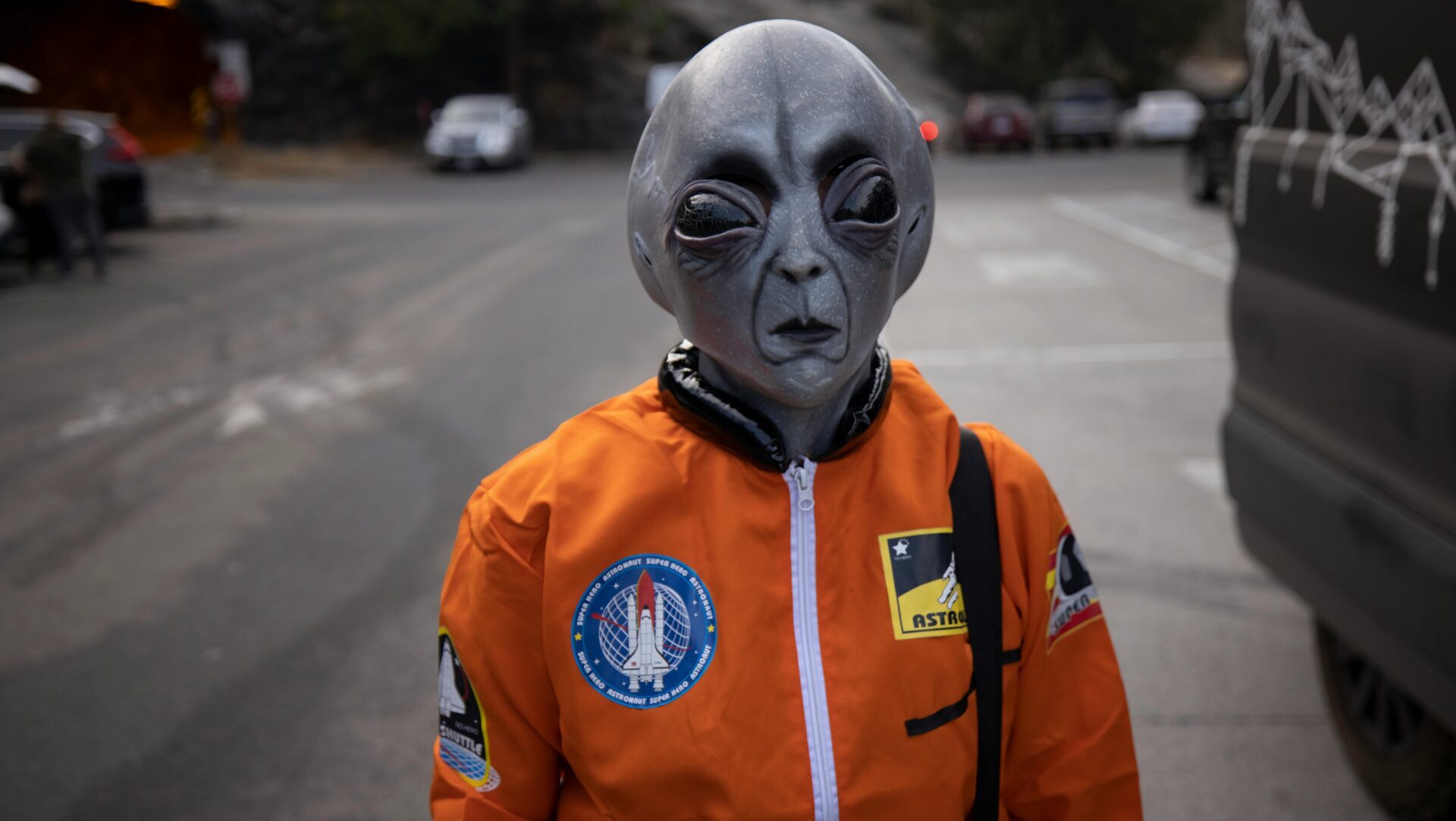
Humanity stands at a crossroads between curiosity and confirmation. The building blocks of life appear common, yet definitive proof of alien organisms remains elusive. Tyson’s perspective reflects both openness and discipline, welcoming discovery while demanding evidence. Whether we are alone or not, the search itself continues to redefine our place in the cosmos.