The Surprising Reason Jeff Bezos Limited His Amazon Salary to $80,000


Jeff Bezos, the founder of Amazon and one of the wealthiest people in the world with a net worth in the hundreds of billions, intentionally capped his annual salary as CEO at just about $80,000 for decades, a choice that might seem shocking at first given the enormous scale and revenue of the company he built from a small online bookstore into a global powerhouse.
In a 2024 interview at the New York Times DealBook Summit, Bezos explained that he asked the company’s board not to give him any compensation beyond that modest base salary, saying he “already owned a significant amount of the company” and therefore did not need a larger paycheck, because the real incentive for him came from growing the value of the shares he held rather than from taking more compensation.
That decision meant that on paper Bezos made roughly the same base salary as many of Amazon’s average workers in the United States, even as his ownership stake and the overall market value of the company soared, creating an enormous gap between his formal pay and his actual wealth tied up in stock.
A Founder’s Philosophy on Incentive and Ownership

Bezos has described his approach as rooted in the idea that founders are “owner-operators,” meaning their wealth naturally increases as the company’s value grows, so additional salary or traditional bonuses were unnecessary for motivation, because he already had “plenty of incentive” through ownership in the business.
He told the board he “just didn’t feel good about taking more” than his modest salary and that accepting large cash pay would have felt “icky” given the scale of his ownership, a philosophy he said he was “very proud of,” reflecting a personal principle as much as a compensation strategy.
In practice, however, Bezos’s worth soared far beyond his salary because his wealth was primarily tied to the value of the Amazon stock he held; between 2023 and 2024, some estimates suggested he effectively earned millions per hour from changes in his equity, illustrating how billionaire compensation structures can look very different from headline salary figures.
How the Low Salary Strategy Had Practical Effects

Keeping his official salary low also had practical implications beyond optics and principle, because much of Bezos’s wealth was tied to long-term equity rather than annual pay, meaning that larger cash compensation would not significantly change his financial position, while tying his economic interest closely to shareholder value encouraged a focus on long-term growth over short-term cash rewards.
This strategy had potential tax advantages as well, since stock gains are typically taxed only when sold, whereas higher salaries are subject to immediate income tax; analysts have noted that that structure can result in lower effective tax rates for the ultra-wealthy compared with high salaries, although Bezos has said his choice was driven more by philosophy than tax planning.
While other tech industry leaders often take multi-million- or even nine-figure compensation packages that dwarf average employee pay, Bezos’s capped salary stood in contrast to that trend, aligning his financial incentives with long-term company success rather than short-term salary benchmarks.
What Bezos’s Decision Says About Wealth and Leadership
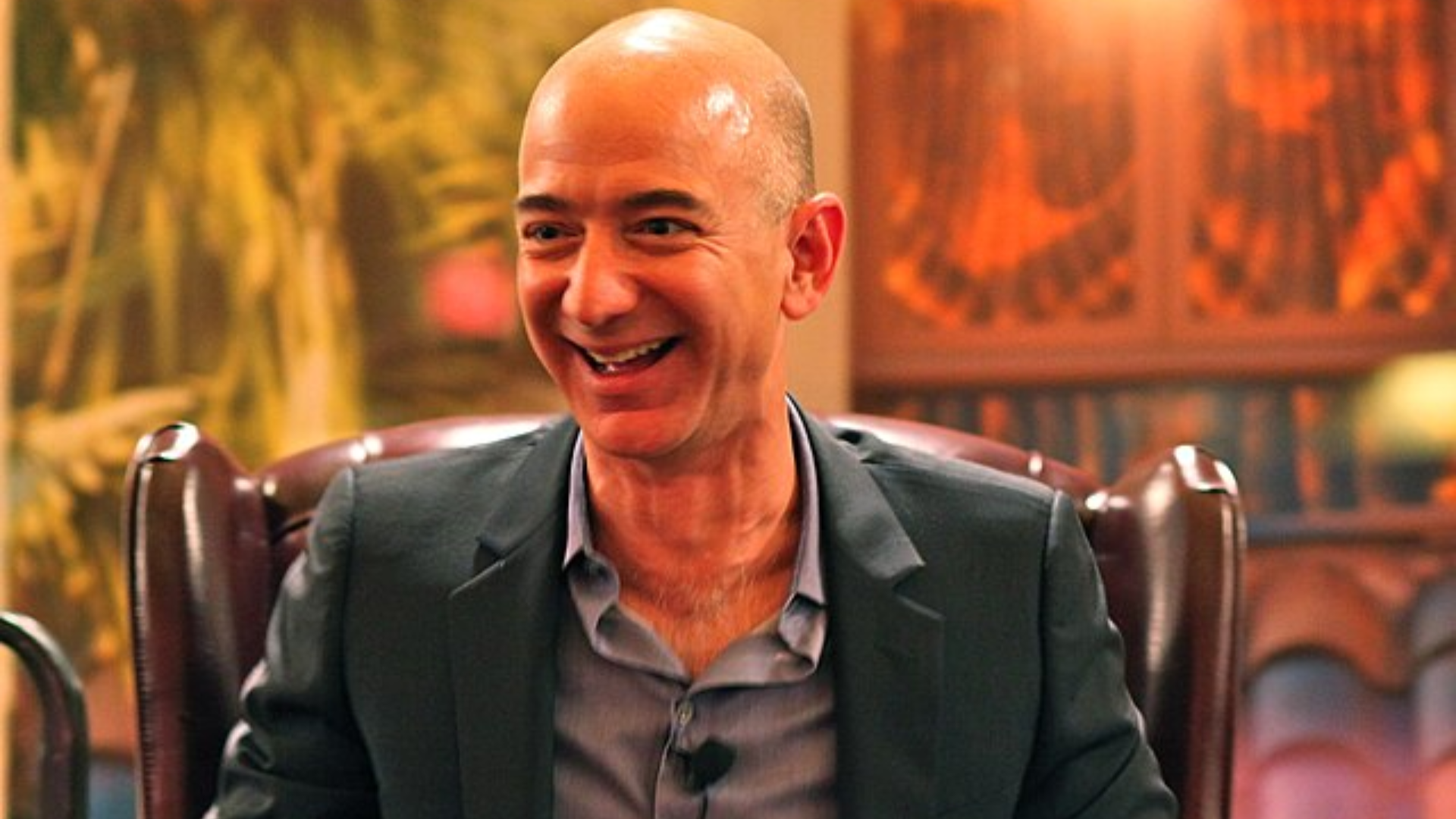
Jeff Bezos’s decision to limit his salary to $80,000, a sum comparable to average U.S. worker wages, reflects a broader perspective on leadership, ownership and motivation, emphasizing that for founders with significant equity stakes, traditional cash compensation may be less relevant than the value they create through their companies over time.
Although his net worth eclipses what most people could imagine earning in a lifetime, Bezos said he focused on long-term value creation for shareholders and the company rather than extracting wealth through annual pay, a stance he said he feels comfortable with and proud of because it aligns with his role as a founder.
Ultimately, while the $80,000 salary may seem modest on its face, it speaks to a philosophy about compensation, incentives and personal values that stands in contrast to modern executive pay norms, highlighting how wealth tied to ownership can differ dramatically from traditional salary structures.